


Slip and Fall | Tampa
How Do I Sue for a Slip and Fall Case in Tampa?
If you were injured on someone else's property due to negligence, you may have a claim. Learn what steps to take and how CHG Personal Injury Lawyers can help.
By CHG Lawyers · Published September 30, 2026
How to Sue for a Slip and Fall in Tampa: Your Legal Rights
You slipped on a wet floor at a restaurant or bar in Tampa. The owner should have cleaned it or warned you. Now you face medical bills, lost work time, and pain. You may have a legal claim against the property owner. Understanding what they owe you is the first step.
If you were injured on someone else's property due to negligence, you may have a claim. Talk it through with our team — the first consultation is free, confidential, and carries no obligation.
What Does a Property Owner Owe You?
When you enter a public restaurant or bar, the owner has a legal duty to keep the space reasonably safe. This duty means the owner must:
- Inspect regularly for hazards like wet floors or broken fixtures
- Clean spills and debris promptly to prevent falls
- Repair damaged flooring, mats, or fixtures that create trip hazards
- Provide adequate lighting so you can see where you’re walking
- Warn you of known dangers they can’t immediately fix
When an owner breaches that duty and you’re injured, that failure is called premises liability. It’s the legal basis for your claim. The owner is responsible because they failed to maintain safe conditions.
Three Elements You Must Prove in a Slip and Fall Lawsuit in Tampa
To win a slip and fall claim in Tampa, you must establish three things:
1. The owner knew (or should have known) about the hazard.
How long had the spill sat on the floor? Was the torn mat visible during shifts? Did the owner inspect regularly? A hazard existing for hours is harder to defend than one appearing moments before your fall.
2. The owner failed to fix it, remove it, or warn you.
Knowing about a hazard isn’t enough. The owner must eliminate the danger, repair it, or post a clear warning. Doing nothing breaches their duty.
3. That failure directly caused your fall and injury.
Your medical records must connect the fall to your harm. If you fell and broke your leg, medical documentation proves the link.
Your Own Conduct: Florida’s Modified Comparative Fault Rule
Florida follows a rule called modified comparative fault. Under Florida Statute § 768.81, the court compares your fault to the owner’s fault.
If you are 50% or less at fault, you can still recover damages. Your award is reduced by your percentage of fault. If you’re 40% at fault and damages total $10,000, you recover $6,000.
The insurance company will argue you were careless. An attorney counters that by gathering evidence of the owner’s negligence.
Common Hazards in Restaurants and Bars
Food and beverage venues create foreseeable risks:
- Wet or slippery floors from spills or cleaning without warning signs
- Loose or torn flooring, rugs, or mats that catch your foot
- Poor lighting that obscures hazards
- Cluttered walkways with boxes, chairs, or equipment
- Stairs without proper handrails or with worn treads
- Spilled food, grease, or beverages not cleaned promptly
- Uneven surfaces or floor-level changes not clearly marked
- Broken tiles or concrete creating trip hazards
Each represents a breach of the owner’s duty to maintain safe conditions.
Evidence That Strengthens Your Slip and Fall Lawsuit in Tampa
Success depends on the specific facts. Stronger evidence means the insurance company is more likely to settle.
Critical evidence includes:
- Photos of the hazard, scene, and your injuries taken immediately after the fall
- Witness statements from customers or staff who saw the hazard or your fall
- The restaurant’s maintenance records and incident reports
- Video footage from security cameras
- Medical records and bills documenting your injuries and treatment
- Pay stubs showing lost wages
The property owner’s insurance company will investigate and likely dispute liability. Many slip and fall cases settle before trial through negotiation.
If you fell in a restaurant or bar in Tampa and the owner's negligence caused your injury, you don't have to navigate this alone. Talk it through with our team — the first consultation is free, confidential, and carries no obligation.
Protect Your Claim: Steps to Take Now
Report the incident immediately. Tell the manager right away. Ask them to document it in their incident report and provide you a copy.
Seek medical attention. Even minor injuries need medical records. Keep all bills, test results, and treatment records.
Take photos and gather evidence. Photograph the hazard, scene, lighting, and your injuries. Collect names and phone numbers from witnesses.
Do not sign documents or give recorded statements to the insurance company without legal advice. Adjusters may use these against you later.
Contact an attorney early. Evidence disappears—video footage is deleted after 30 days, witnesses move away, memories fade.
Settlement Timelines: What to Expect
Simple cases with clear liability and minor injuries may settle within three to six months. The facts are straightforward and the insurance company sees little benefit in fighting.
Complex cases with serious injuries or disputed liability can take one to three years or longer. The timeline depends on:
- How quickly you reach maximum medical improvement
- The insurance company’s willingness to negotiate
- Whether the case goes to trial
- The complexity of your injuries
Don’t rush to settle before finishing treatment. You want to understand your long-term prognosis before accepting an offer.
What Damages Can You Recover?
If you win or settle your claim, you can recover:
- Medical expenses: All past and future treatment—emergency care, surgery, hospitalization, physical therapy, imaging, and prescribed medications
- Lost wages: Income lost while recovering or unable to work
- Pain and suffering: Compensation for physical pain, emotional distress, anxiety, and reduced quality of life
- Permanent disability or disfigurement: If your injury causes lasting changes to your body or function
- Reduced quality of life: If the injury limits activities you once enjoyed
Punitive damages (extra damages to punish the defendant) are rare and require proof of gross negligence or intentional misconduct.
Your Two-Year Deadline to File
You have two years from the date of your slip and fall accident to file a lawsuit in Florida under Florida Statute § 95.11. This deadline is strict. If you miss it, you lose your right to sue.
Contacting an attorney early ensures your claim is filed on time and evidence is preserved.
Why an Attorney Helps Your Slip and Fall Lawsuit in Tampa
An attorney investigates thoroughly, gathers evidence, and identifies all responsible parties. Insurance companies often undervalue claims. An attorney negotiates on your behalf to maximize your recovery.
Your attorney handles all communication with the insurance company, protecting you from statements that could harm your case. If settlement fails, your attorney can file a lawsuit and represent you in court.
Most slip and fall attorneys work on contingency: you pay no upfront fees. They are paid only if you recover money through settlement or trial.
Related Resources
- Personal injury attorney in Tampa
- Premises liability claims
- How to file a personal injury claim in Florida
- Negligence and liability in Florida law
- Slip and fall settlement amounts
- Medical documentation for injury claims
Not sure what your next step is?
Talk it through with our team — the first consultation is free, confidential, and carries no obligation.
Frequently Asked Questions
Can I file a slip and fall lawsuit in Tampa if I didn’t report the accident right away?
Yes, but reporting promptly and gathering evidence immediately strengthens your case. The longer you wait, the more evidence disappears.
What if the restaurant says I was careless?
Florida’s modified comparative fault rule allows you to recover even if you share some fault, as long as you are 50% or less at fault.
Do I need a lawyer to file a slip and fall claim?
You are not required to hire a lawyer, but an attorney protects your rights, handles negotiations, and typically maximizes your recovery.
How much does it cost to hire a slip and fall attorney?
Most slip and fall attorneys work on contingency: no upfront fees. They are paid only if you recover money through settlement or trial.
If you fell in a restaurant or bar in Tampa and the owner’s negligence caused your injury, you don’t have to navigate this alone. The property owner’s duty to keep the space safe is clear—and so is your right to compensation when they breach it.
Contact CHG Personal Injury Lawyers for a free case evaluation.
What You Need to Know About Slip and Fall Claims
Property Owner Responsibility
Property owners in Tampa have a legal duty to keep their premises reasonably safe. If they fail to fix a hazard—like a wet floor, broken step, or debris—and you're injured as a result, they may be liable for your damages.
Proving Negligence
To have a valid claim, you'll need to show that the owner knew (or should have known) about the hazard, failed to fix it or warn you, and that failure directly caused your injury.
Act Quickly
Evidence disappears and memories fade. Photographs, witness statements, and incident reports are crucial. The sooner you document what happened, the stronger your case.
Damages You May Recover
Medical bills, lost wages, pain and suffering, and ongoing care costs are all recoverable if your claim succeeds. The value depends on the severity of your injury and its impact on your life.
Steps to Take After a Slip and Fall Injury
Report the Incident
Notify the property owner or manager immediately. Ask them to file an incident report and request a copy for your records. This creates an official record of what happened.
Document Everything
Take photographs of the hazard, the scene, your injuries, and any visible conditions that caused the fall. Write down the date, time, and what you were doing when you fell.
Gather Witness Information
Get names and contact information from anyone who saw you fall or was nearby. Witness statements can be vital evidence in proving what caused your injury.
Seek Medical Attention
Get examined by a doctor even if you feel fine. Some injuries develop over time. Medical records link your injury directly to the fall and document its severity.
Don't Delay—Preserve Your Evidence
Property owners sometimes clean up or repair hazards after an accident, destroying evidence. The longer you wait to report your injury and gather documentation, the harder it becomes to prove what caused your fall.
Common Slip and Fall Locations in Tampa
Retail Stores
Spilled liquids, debris on floors, or poor lighting can create hazards. Store owners must inspect regularly and clean up promptly or post warnings.
Apartment Complexes
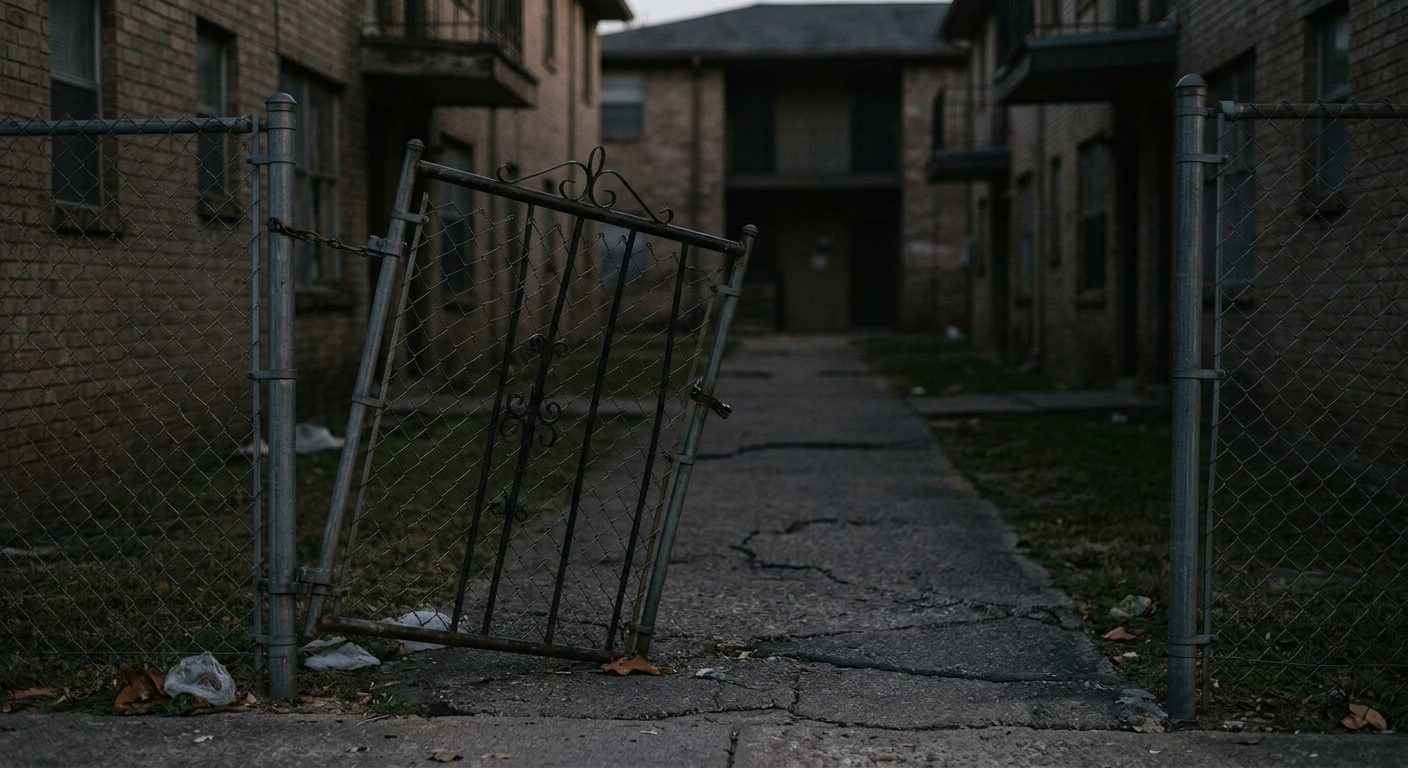
Cracked walkways, broken stairs, inadequate lighting, or unmaintained common areas are frequent sources of slip and fall injuries.
Restaurants and Bars
Wet floors from spills or cleaning are common. Establishments must use warning signs and maintain safe conditions for customers.
Parking Lots and Garages
Potholes, debris, poor drainage, and inadequate lighting increase fall risk. Property owners must maintain these areas and ensure safe conditions.
Why CHG Personal Injury Lawyers Handles Your Slip and Fall Case
Focused on Personal Injury
We focus exclusively on personal injury cases, from slip and falls to catastrophic injuries. We know Florida law and how property owners' liability works.
Experience Across Florida
We've handled slip and fall claims throughout Tampa and across Florida. We understand local property conditions and how Tampa courts evaluate these cases.
We Handle the Details
We investigate your fall, gather evidence, interview witnesses, and build a strong case. You focus on recovery while we handle the legal work.
No Fees Unless There's a Recovery
We work on contingency—no fees unless there is a recovery. You pay nothing upfront, and we only get paid if your case succeeds.