
Slip and Fall Claims | Serving Florida
Hurt on Someone Else's Property? Here Is How a Slip and Fall Lawsuit Works
A fall in a store, apartment building, parking garage, or restaurant can change your life. Learn what a slip and fall claim involves in Florida, and what steps you can take next.
By CHG Lawyers · Published October 20, 2026
If You Were Hurt in a Fall on Someone Else’s Property, You May Have a Claim
If you were hurt in a fall on someone else’s property, you may have a claim against the owner. This is true for some falls in a store, an apartment complex, a restaurant, or a parking lot. Every case depends on its own facts, and no outcome can be promised.
Maybe you’re reading this because you’re hurting right now. Maybe you’re worried about medical bills or missed work. Or maybe you’re researching for a parent, spouse, or adult child who can’t easily handle this alone. You don’t need to know the legal rules yet.
If you’re wondering how to file a slip and fall lawsuit in Florida, a lawsuit is only one possible path. A fall injury may first be handled through an insurance claim. Some claims are resolved without a court case. This page walks through the steps in order, so you can see what comes next. For more background, see our slip and fall injury guide.
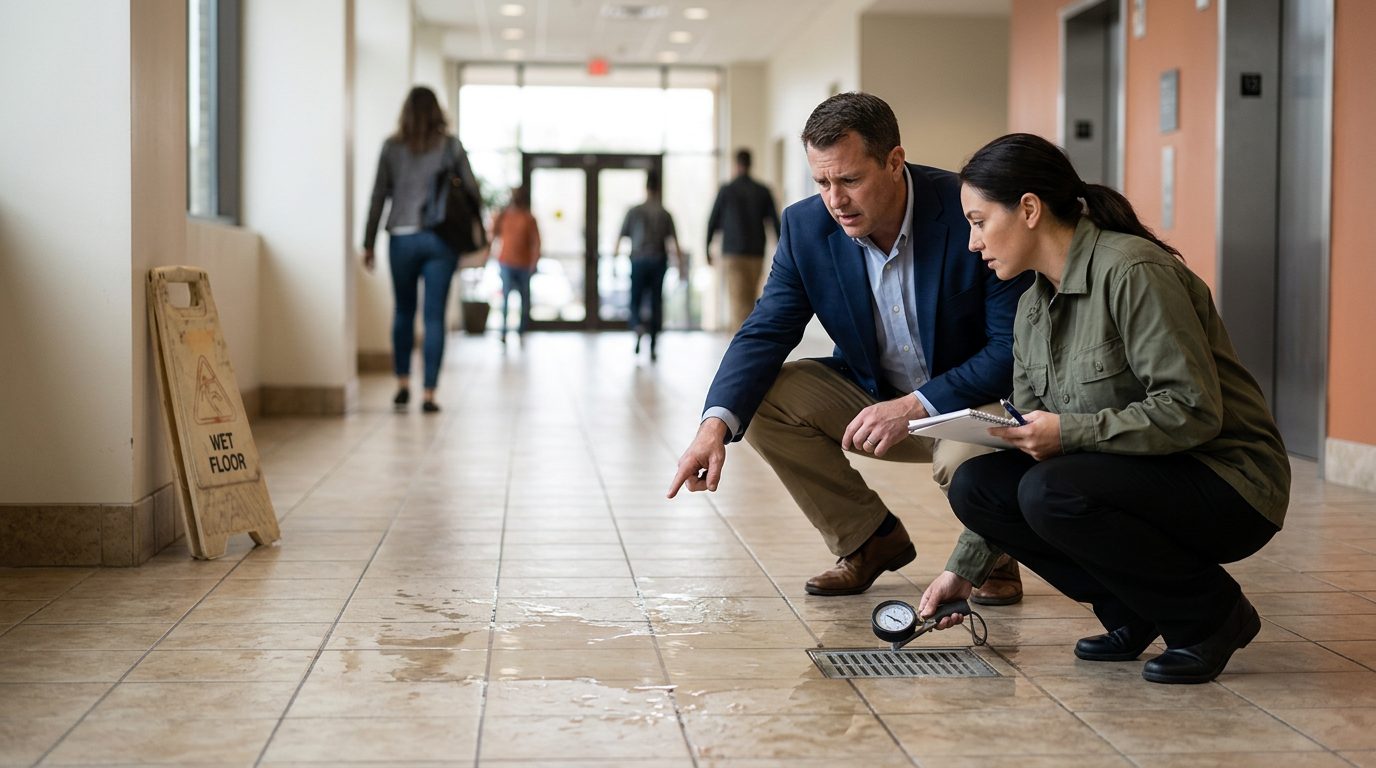
If you were hurt in a fall on someone else’s property, you may have a claim against the owner. Talk it through with our team — the first consultation is free, confidential, and carries no obligation.
What Is a Slip and Fall Claim?
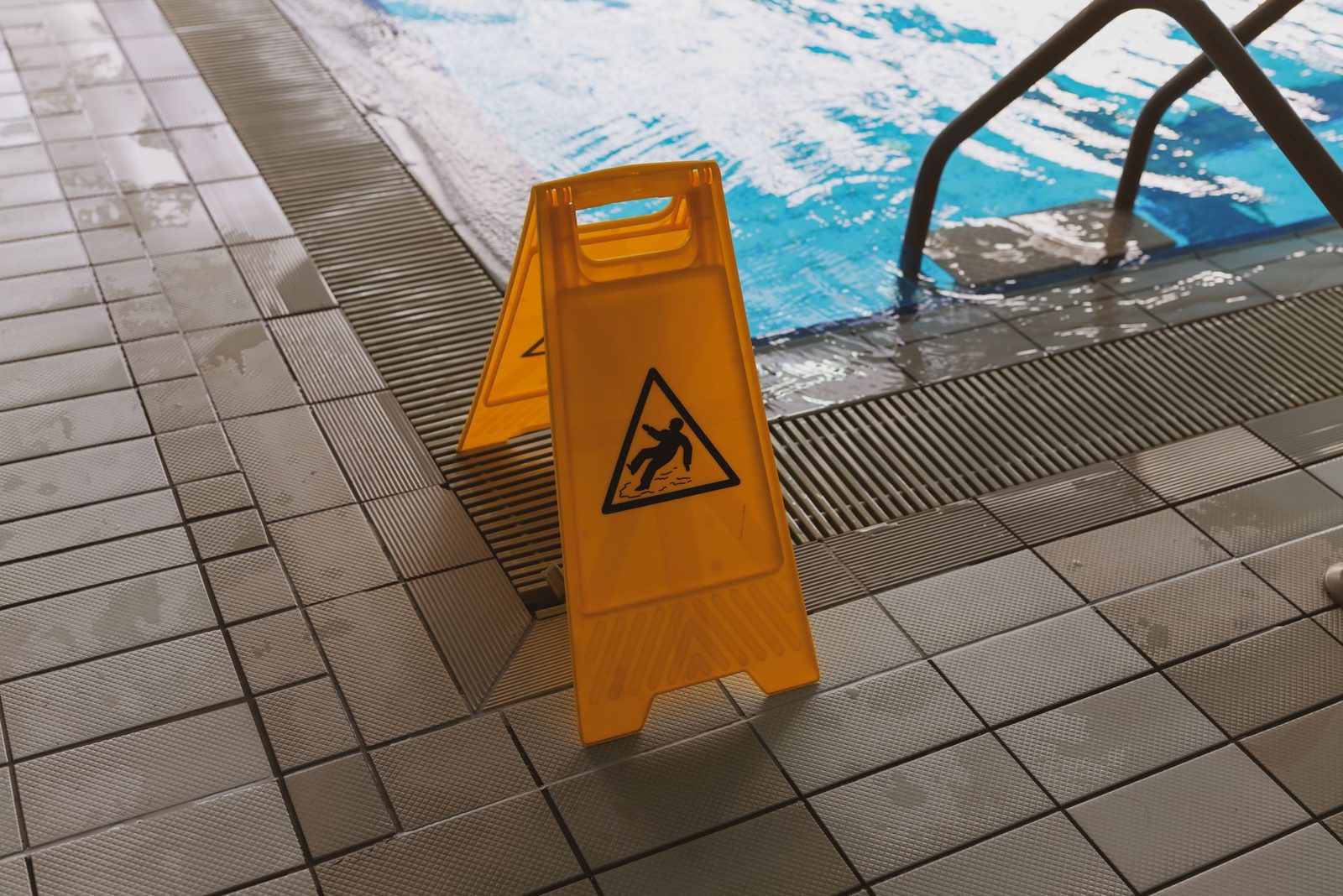
A slip and fall claim asks for payment after someone falls because of a hazard the property owner did not fix or warn about. Common examples include a spilled liquid, a wet floor with no sign, a torn carpet, an uneven walkway, or a broken step.
Lawyers call the owner’s responsibility for the property premises liability.
In Florida, a fall on a business floor from a transitory foreign substance (a temporary spill or slippery material) has its own statute. Fla. Stat. § 768.0755 covers that situation. The type of property, the type of hazard, and the facts all matter.
What You Generally Need to Prove in a Florida Slip and Fall Case
For a spill on a business floor, the statute adds a specific test. The injured person must prove the business had actual or constructive knowledge of the dangerous condition and should have acted to fix it. Under Florida law, a person who slips and falls on a transitory foreign substance in a business establishment must prove that the business had actual or constructive knowledge of the dangerous condition. Constructive knowledge can be shown with circumstantial evidence. Under Fla. Stat. § 768.0755, constructive knowledge may be proven by circumstantial evidence showing that the dangerous condition existed for such a length of time that, in the exercise of ordinary care, the business establishment should have known of the condition, or that the condition occurred with regularity and was therefore foreseeable.
The statute also says it does not change any common-law duty of care owed by a person in control of business premises. Whether each element is met depends on the evidence. Nothing here means a particular claim will succeed.
How to File a Slip and Fall Lawsuit: Medical Care, the Scene, and Evidence
Getting medical care comes first. An evaluation creates a record of your injuries, and that record can matter later. Follow the advice of your own doctors, attend follow-up visits, and tell them every symptom, even small ones.
Next, document the scene if you can do so safely. Take photos or video of the hazard, the lighting, your footwear, any warning signs, and the surroundings. Write down the date, time, and what happened while you still remember it clearly.
Collect the names and phone numbers of witnesses and any employees who responded. Ask the property for a copy of its incident report. Keep receipts, bills, prescription records, and a simple daily journal of your pain and what you could not do.
Ask the property in writing to preserve surveillance footage and records. Video can be overwritten over time, so a written request helps protect what may exist. Keep a copy of every letter you send.
How a Fall Claim Starts With the Property Owner’s Insurer
A fall claim may start with a claim to the property owner’s liability insurer. The insurer generally handles claims made against its insured owner. Your claim is generally against the owner or the party responsible for the property. An insurer’s role does not, by itself, make the insurer directly liable to you.
Be careful before you give a recorded statement. Do not sign a release, and do not accept an early payment until you understand the full extent of your injuries. Early offers are made before many injuries are fully known.
Some claims are resolved without a lawsuit. You can ask questions about your options before you respond to an insurer. Speaking with a lawyer first can help you understand what you’re being asked to agree to.
Florida Deadlines: The Time Limit for Filing a Slip and Fall Lawsuit
Florida sets time limits for filing lawsuits, and missing a deadline can end a claim. These limits are found in Fla. Stat. § 95.11. The exact deadline depends on the type of action and when the claim accrued.
A claim generally accrues when the last element of the claim occurs. Fla. Stat. § 95.031 explains that rule. For that reason, the accrual date depends on the facts of each case.
Do not rely on a general rule you read online. Exceptions and tolling rules (rules that can pause a deadline) may apply, and they depend on the facts. Ask a lawyer to confirm your deadline as early as possible. Waiting can leave less time to gather evidence.
Not sure what your next step is?
Talk it through with our team — the first consultation is free, confidential, and carries no obligation.
How Comparative Fault Can Affect a Florida Slip and Fall Claim
Comparative fault means fault can be divided among the people involved. Under Fla. Stat. § 768.81, in a negligence action, a court enters judgment against each liable party based on that party’s percentage of fault. It does not hold each party responsible for the full amount.
The same statute also says that in a negligence action, contributory fault chargeable to the injured person diminishes proportionately the amount awarded, but does not bar recovery, subject to its subsection (6). Under Fla. Stat. § 768.81, in a negligence action to which this section applies, a party found to be greater than 50 percent at fault for his or her own harm may not recover any damages, and this limit does not apply to personal injury or wrongful death actions arising out of medical negligence under chapter 766. This is a serious issue, so your own conduct matters.
The property owner may argue that you contributed to the fall. For example, the owner may point to your footwear, a visible warning you walked past, or how fast you were moving. The owner may also argue the hazard was open and obvious, or that it was unknown. Whether these arguments succeed depends on the evidence and the facts of the case.
The Stages of a Florida Personal Injury Lawsuit
A Florida injury lawsuit generally moves through several stages. First comes the investigation and evidence gathering. Next, there may be a demand or negotiation with the insurer. If the claim does not resolve, a complaint may be filed in the proper Florida court.
The defendant then responds. The discovery stage follows, which can include written questions, requests for records, depositions (sworn out-of-court testimony), and inspection of the property.
Some cases settle during discovery or at mediation, where a neutral person helps the sides talk. Others go to trial. Court rules and the amount in dispute can affect where and how a case proceeds. Each stage can take a different amount of time depending on the case. No timeline can be promised.
What Compensation May Be Available and the Limits to Know
Fall claims may seek economic losses, such as medical bills and lost income. They may also seek non-economic losses, such as pain and suffering. Whether a particular category applies depends on the facts, the evidence, the law, and comparative fault.
Falls at work are generally handled through workers’ compensation, not a premises lawsuit against a property owner. If your fall happened on the job, ask about that system before you take other steps.
No amount of compensation can be estimated or promised here. Each case is different, and results vary.
Common Mistakes That Can Hurt a Slip and Fall Claim
Several mistakes can make a fall claim harder to prove or resolve.
- Delaying medical care or missing follow-up visits. Gaps in treatment can leave questions about how the injury happened or how serious it is.
- Giving recorded statements or posting online. Social media posts about the fall or your activities can be used to question your injuries.
- Signing releases or taking early payment. A release can close off later claims, and an early offer may not reflect your full injury picture.
- Losing evidence or waiting too long. Photos, witness names, and the incident report can disappear. Deadlines do not wait for you.
Taking these steps early can help protect your options. Keep notes about every contact with the property and its insurer.
Talk With Igor Hernandez About Your Slip and Fall Question
You may be recovering from an injury, worried about bills, or researching for someone you love. You don’t have to decide anything today. Talking with a lawyer can help you understand the fall, the deadline, and your options.
Igor Hernandez is a Florida lawyer and a member of The Florida Bar. CHG Personal Injury Lawyers is a Florida firm that focuses on personal injury cases and serves people throughout Florida.
CHG charges no attorney’s fees and no case costs unless there is a recovery. Your first consultation is free, confidential, and carries no obligation to continue.
If you were hurt in a fall and want to talk through your situation, contact CHG Personal Injury Lawyers to schedule your free, confidential first consultation.
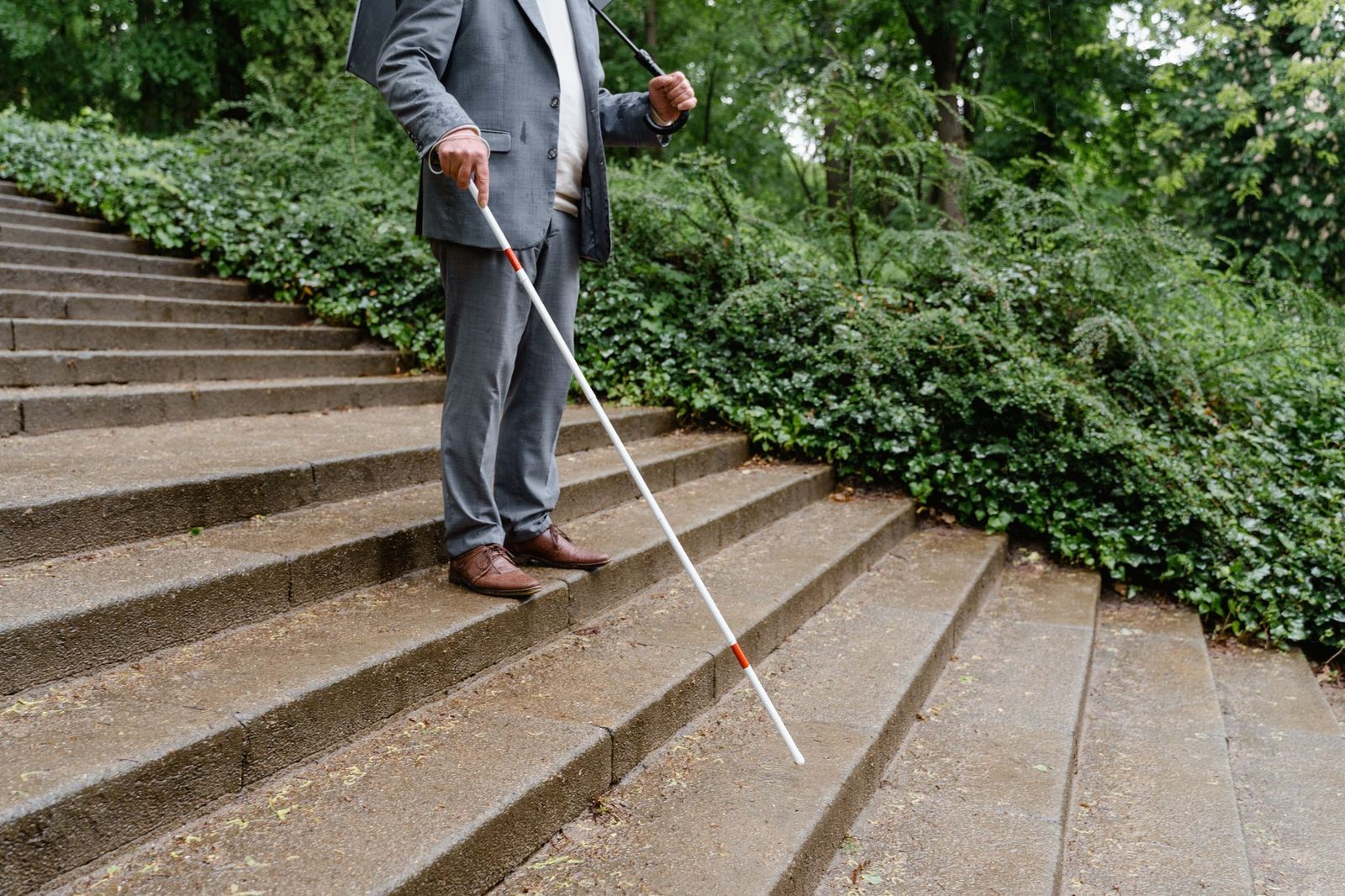
Have questions about what happened?
Ask our team directly. The first conversation is free, confidential, and there is no obligation to continue.
Frequently Asked Questions
Do I have to file a lawsuit to get compensation after a slip and fall in Florida?
Not always. Some slip and fall claims are resolved before a lawsuit is filed, but a lawsuit may be needed if the property owner does not resolve the claim. A free, confidential initial consultation with CHG Personal Injury Lawyers, with no obligation to continue, can help you understand your options.
How long do I have to file a slip and fall lawsuit in Florida?
Under Fla. Stat. § 95.031, except as provided in subsection (2) and in s. 95.051 and elsewhere in these statutes, the time within which an action must be begun under any statute of limitations runs from the time the cause of action accrues. Because deadlines are fact-dependent, it is important to speak with a lawyer as soon as possible after the fall.
What do I have to prove in a Florida slip and fall case?
For a slip and fall on a transitory foreign substance in a business establishment, Fla. Stat. § 768.0755 requires the injured person to prove that the business had actual or constructive knowledge of the dangerous condition and should have taken action to remedy it. Whether that requirement is met depends on the facts of your case.
Can I still recover compensation if I was partly at fault for my fall in Florida?
Possibly. Under Fla. Stat. § 768.81, in a negligence action your share of fault reduces the amount awarded, but if you are found to be more than 50 percent at fault for your own harm, you may not recover any damages. This bar does not apply to personal injury or wrongful death claims arising out of medical negligence under chapter 766. Each case differs, and no result is guaranteed.
Why Florida Families Contact CHG Personal Injury Lawyers
Florida-Based Firm
Our firm is based in Florida and represents people hurt in accidents across the state.
Licensed Attorneys
Our attorneys are licensed and admitted to The Florida Bar.
Free First Consultation
Your initial consultation is free, confidential, and comes with no obligation to continue.
No Fees Unless There Is a Recovery
The firm charges no attorney's fees and no case costs unless there is a recovery.
Steps to Take After a Slip and Fall
Get Medical Care
See a doctor as soon as you can, even if your injury seems minor at first. Follow your doctors' care and keep every record of your treatment.
Document the Scene
If you are able, take photos of the floor, the spot where you fell, lighting, warning signs, and anything that may have caused the fall.
Report the Incident
Ask the property owner or manager to write down what happened, and keep a copy. Be factual about what you saw and felt.
Speak With a Florida Injury Lawyer
Deadlines apply to these claims, so contact the firm promptly. Our team can review what happened and explain your options at no cost to you.
Act Promptly
Florida deadlines apply to slip and fall claims, and evidence such as photos, witness names, and incident reports can be lost over time. Contact CHG Personal Injury Lawyers as soon as you can.