

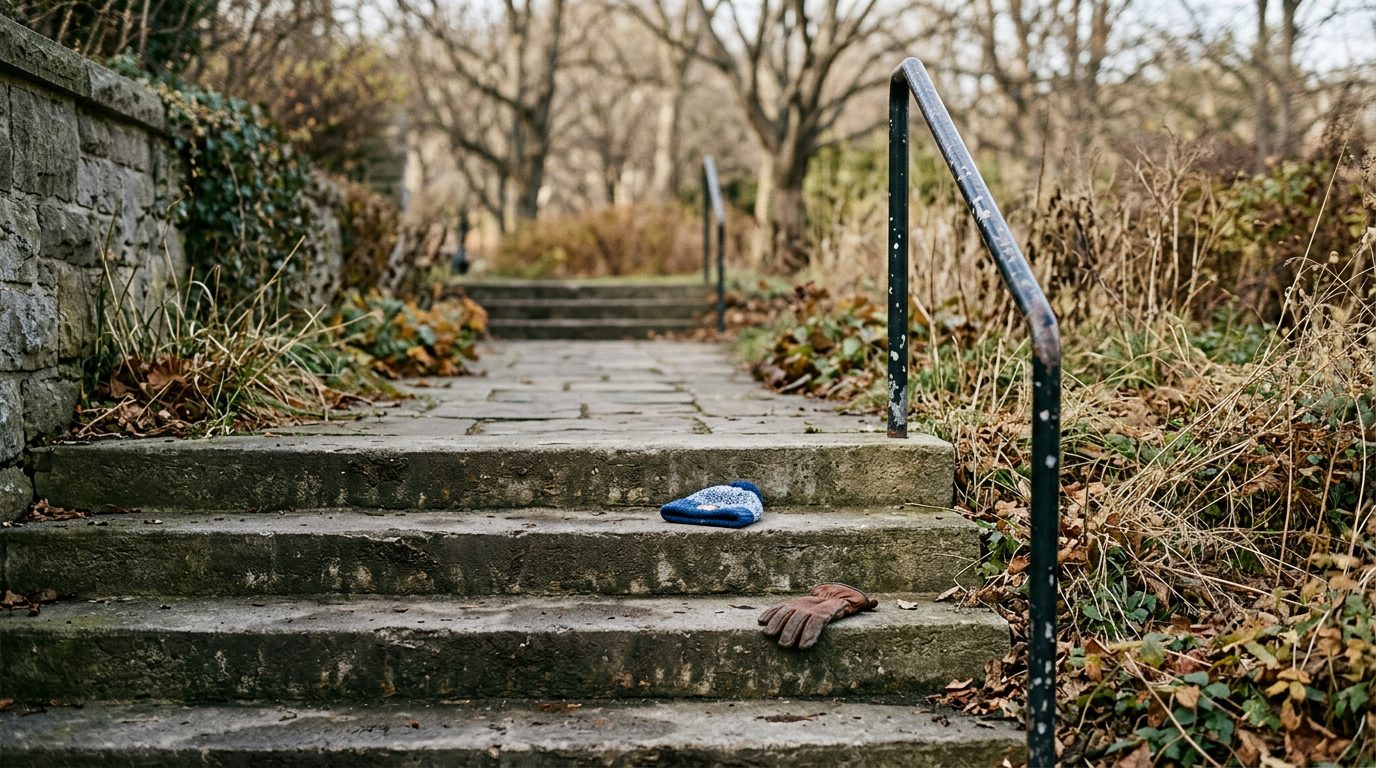
Knee Injuries & Recovery
How Long Should My Knee Hurt After a Hard Fall?
Understanding normal healing, warning signs, and when to seek help—plus what to do if someone else's negligence caused your injury.
By CHG Lawyers · Published October 01, 2026
How Long Should My Knee Hurt After a Fall? Recovery Timeline & Legal Rights in Florida
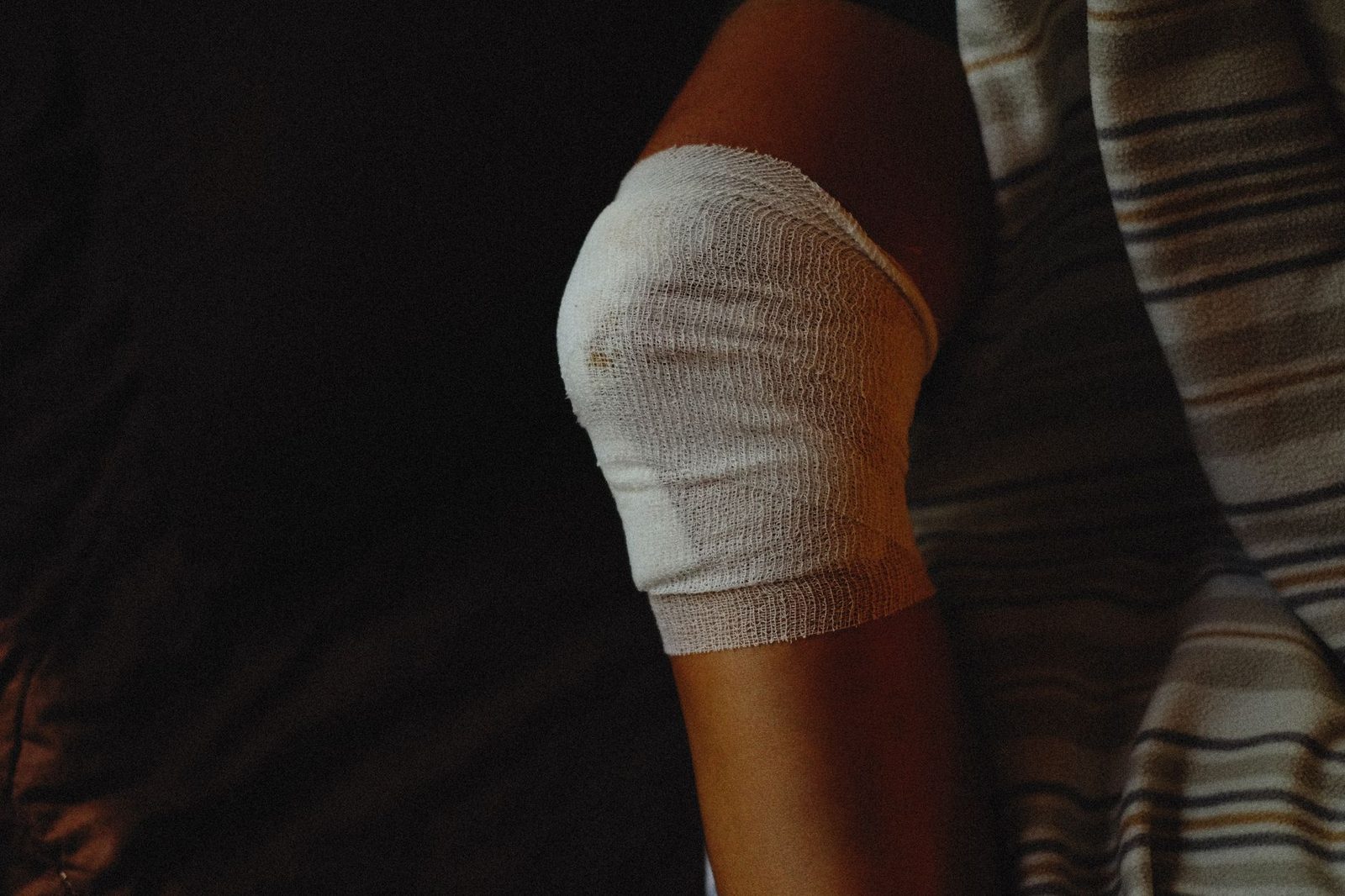
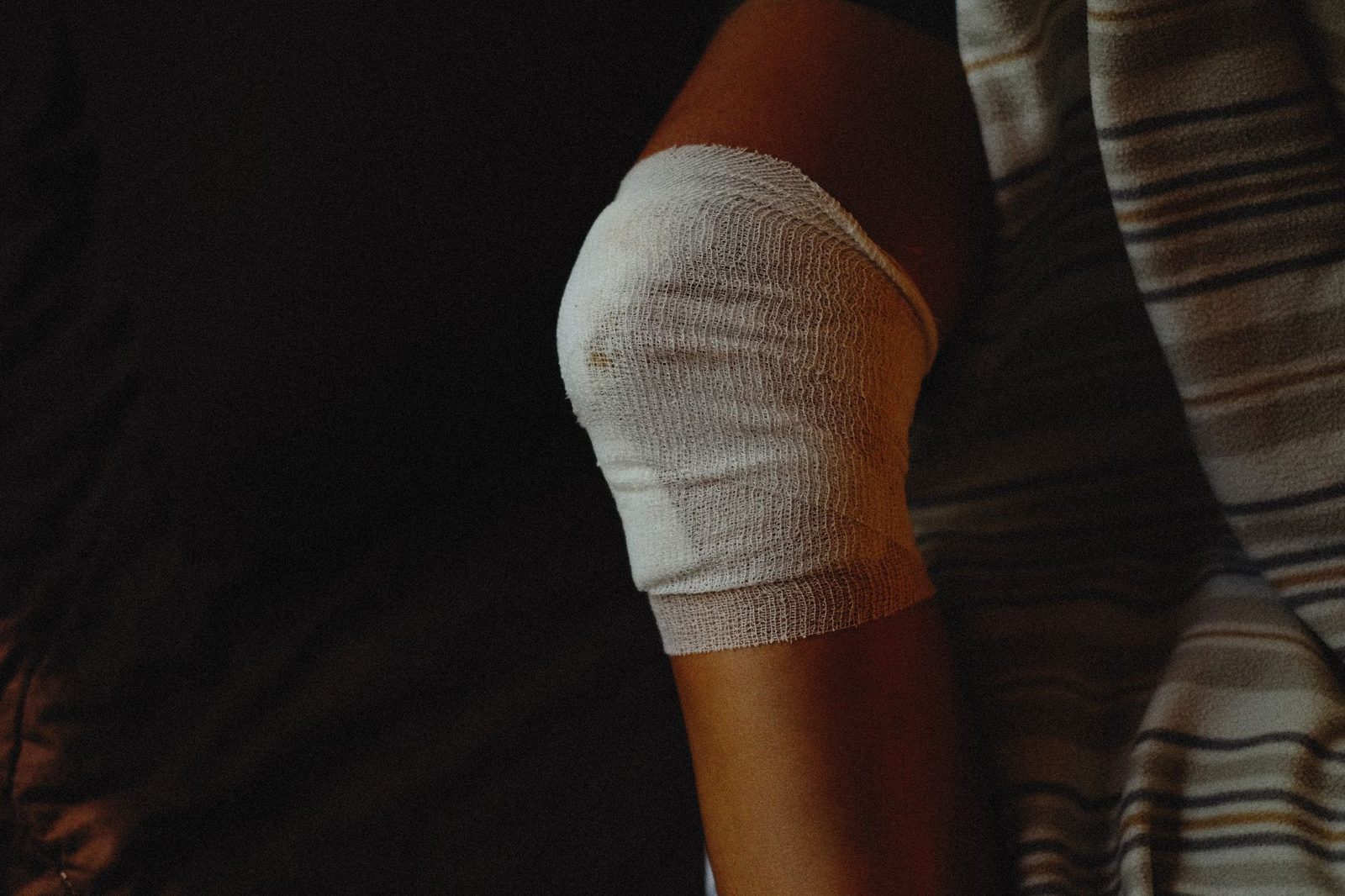
Most knee pain from a hard fall gets better within 2–4 weeks for minor injuries. Moderate to severe injuries take months. The first 24–72 hours hurt the most as swelling peaks. Knowing what’s normal, when to see a doctor, and how to document your injury protects your health and your legal claim.
Not sure what your next step is?
Talk it through with our team — the first consultation is free, confidential, and carries no obligation.
Injury Severity Tiers: What to Expect
Recovery depends on how bad the injury is. Understanding your injury tier helps you know what’s realistic and when to get help.
Minor injuries (bruises, mild sprains): Get better within 2–4 weeks with rest, ice, compression, and elevation. Sharp pain lessens within the first week. Swelling peaks in 24–72 hours, then gradually goes down.
Moderate injuries (partial ligament tears, significant sprains): Usually need 4–8 weeks or longer, often with physical therapy. You may feel ongoing swelling, instability when walking, or pain that comes and goes. Return to normal activity is slow and supervised.
Severe injuries (complete ligament tears, meniscus tears, fractures, cartilage damage): Take months to heal. Surgery, immobilization, or extended rehabilitation are often needed. A torn ACL (anterior cruciate ligament) frequently requires surgical reconstruction followed by 6–9 months of physical therapy before return to sports.
Healing varies widely based on age, overall health, fitness level, and how bad the injury actually is. A 25-year-old with a simple bruise may recover in two weeks. A 60-year-old with a ligament tear might need three to four months.
Persistent pain beyond 4–6 weeks needs a doctor’s evaluation. If you’re still hurting significantly after six weeks despite home care, or if pain is getting worse, see a doctor. Rule out fractures, ligament tears, or cartilage damage.
Red Flags: When to Seek Immediate or Urgent Care
Not all knee pain is the same. Watch for these warning signs that need immediate or urgent medical attention:
- Can’t put weight on the knee or put pressure on it without severe pain
- Severe swelling that doesn’t improve with rest and ice within 24 hours, or gets worse over time
- Visible deformity or the knee looking “wrong” compared to your other leg
- Locking, catching, or a sensation of something moving inside the knee—often a sign of meniscus or ligament damage
- Pain that gets worse despite home care or doesn’t improve after a week
- Numbness, tingling, or skin discoloration—signs of circulation or nerve problems
- Signs of infection if the fall broke the skin (increasing warmth, redness, pus, or drainage)
- A “pop” or “snap” sensation at the moment of injury, often linked to ACL or ligament tears
An ACL tear often produces an immediate “pop” followed by rapid swelling and instability. If you felt or heard a pop when you fell, get medical evaluation right away.
What NOT to Do After a Fall Onto the Knee
Avoid these common mistakes that slow healing or worsen injury:
- Don’t ignore severe pain or swelling. Get it evaluated rather than hoping it goes away on its own.
- Don’t continue high-impact activities if the knee is painful or feels unstable. Pushing through can turn a minor injury into a serious one.
- Don’t apply heat immediately. Use ice for the first 48 hours; heat too soon increases swelling and inflammation.
- Don’t assume pain will resolve on its own if it’s severe, worsening, or accompanied by swelling that doesn’t improve.
- Don’t delay seeking care if you suspect a serious injury like an ACL tear, meniscus tear, or fracture.
- Don’t skip documentation if the fall happened on someone else’s property. Evidence gathered immediately is far more valuable than memories weeks later.
Have questions about what happened?
Ask our team directly. The first conversation is free, confidential, and there is no obligation to continue.
Immediate Care: The RICE Protocol
RICE is a proven first-aid approach for the first few days after injury:
- Rest: Avoid activities that stress the knee. Use crutches if walking is painful.
- Ice: Apply for 15–20 minutes every 2–3 hours for the first 48 hours. Wrap ice in cloth to prevent frostbite.
- Compression: Use an elastic bandage or knee sleeve to reduce swelling. Don’t make it so tight it cuts off circulation.
- Elevation: Keep the knee raised above heart level when sitting or lying down to help fluid drain and reduce swelling.
Over-the-counter pain relievers like ibuprofen (Advil, Motrin) or acetaminophen (Tylenol) can help manage discomfort. Follow package directions and talk to your doctor if you take other medications.
When to Seek Medical Attention: A Practical Timeline
Timing matters. Here’s a practical guide:
- Immediately (ER): If you cannot bear weight, suspect a fracture, have severe swelling, felt a pop at injury, or see visible deformity.
- Within 24–48 hours (urgent care or orthopedic clinic): If pain is severe, swelling is significant, the knee feels unstable or gives way, or you have numbness or tingling.
- Within a week (primary care or orthopedic doctor): If pain and swelling haven’t improved or are worsening despite home care, or if you’re having trouble with normal daily activities.
A doctor can order imaging—X-rays to rule out fractures, or an MRI to assess ligament, meniscus, and cartilage damage. Physical therapy may be recommended to restore strength and range of motion and prevent stiffness or chronic instability.
Common Knee Injuries from Falls
Different falls cause different injuries. Understanding what you’re dealing with guides your recovery:
- Contusions (bruises): Bleeding under the skin from blunt trauma; usually resolve within 2–6 weeks depending on severity.
- Sprains: Stretching or tearing of ligaments (ACL, MCL, PCL, LCL); range from mild (Grade I) to complete tears (Grade III).
- Meniscus tears: Damage to cartilage that cushions the knee; may cause locking, catching, or instability, and sometimes require arthroscopic surgery.
- Fractures: Breaks in bone (femur, tibia, fibula, or patella); require immobilization and sometimes surgery.
- Patellar injuries: Damage to the kneecap; can affect movement, stability, and tracking.
Recovery and Returning to Normal Activity
As pain decreases and strength improves, gradually return to activity under professional guidance. Physical therapy exercises restore range of motion, prevent stiffness, and rebuild strength. Strengthening the muscles around the knee (quadriceps, hamstrings, calf) supports long-term stability and reduces re-injury risk.
Most people return to normal daily activities within 4–12 weeks for minor injuries. Severe injuries may require longer recovery or ongoing management. Don’t rush back to high-impact activities like running, jumping, or sports until your doctor or physical therapist explicitly clears you. Returning too soon is a common cause of chronic knee problems.
Want to know where you stand?
Tell us what happened and our team will walk you through the options available to you, at no cost.
If Your Fall Happened on Someone Else’s Property: Documentation & Your Claim
Falls on unsafe or poorly maintained property may not be your fault. Property owners have a legal responsibility to maintain safe conditions and warn of hazards. If negligence caused your fall and injury—a wet floor without warning signs, broken stairs, inadequate lighting, debris, a known hazard the owner failed to fix, or a defective handrail—you may have a claim for medical costs, lost wages, and pain and suffering.
Learn more about Florida premises liability laws and your rights when injured on someone else’s property.
Document everything immediately. The evidence you gather in the first hours and days after your fall is far more valuable than what you remember weeks later:
- Photograph the scene: Take clear photos of the hazard that caused your fall (wet floor, broken step, debris, poor lighting, missing handrail), the surrounding area, and your injuries. Include wide shots and close-ups of the specific hazard.
- Note the date, time, and weather: Record exactly when the fall occurred and weather conditions (rain, ice, etc.) that may have contributed.
- Gather witness information: Get the names, phone numbers, and email addresses of anyone who saw what happened. Witness statements are powerful evidence.
- Report the incident: Notify the property owner, manager, or business immediately and request that an incident report be filed. Keep a copy.
- Preserve evidence: Don’t discard the clothing you wore or shoes that may show damage. These corroborate your account.
- Seek medical care promptly: Get evaluated by a doctor and keep all medical records, bills, and treatment documentation.
For guidance on gathering evidence, see our guide to documenting injury evidence.
Florida’s statute of limitations: Under Florida Statute § 95.11, most negligence and personal-injury claims must be filed within two years of the injury. This deadline is strict; missing it bars your claim entirely. Don’t wait. The sooner you document the incident and consult with an attorney, the stronger your case.
Florida’s comparative-fault rule: Florida follows a “comparative negligence” rule. If you’re found partly at fault for your fall (for example, you wore inappropriate footwear or weren’t paying attention), your recovery is reduced by your percentage of fault. However, you can still recover as long as you’re less than 50% at fault. This is another reason to document the scene thoroughly and gather witness statements—they help establish that the property owner’s negligence, not your own carelessness, caused the fall.
Frequently Asked Questions
How long does a bruised knee typically hurt?
Most bruised knees improve within 2–4 weeks with rest, ice, and elevation. Severe bruising may take 6–8 weeks or longer.
What does a serious knee injury feel like?
Severe pain, rapid swelling, inability to bear weight, a sensation of the knee giving way, a “pop” at the moment of injury, or visible deformity are all signs of a serious injury requiring medical evaluation.
Can I walk on a knee injury right after it happens?
If you can’t bear weight or the pain is severe, don’t walk on it. Use crutches or get help. Walking on a serious injury can make it worse and delay healing.
Should I go to the ER or urgent care for knee pain after a fall?
Go to the ER if you cannot bear weight, suspect a fracture, have severe swelling, felt a pop, or see visible deformity. Urgent care is appropriate for moderate pain and swelling that developed gradually.
What if my knee pain doesn’t go away after 6 weeks?
Persistent pain after 6 weeks warrants imaging (X-rays or MRI) to rule out fractures, ligament tears, or cartilage damage. See an orthopedic doctor or your primary care physician.
Can I have a claim even if I was partly at fault for the fall?
Yes. Under Florida’s comparative-negligence rule, you can recover damages as long as you’re less than 50% at fault. The property owner’s negligence must have been a substantial factor in causing your injury.
If you fell on someone else’s property and your injury resulted from an unsafe condition or the owner’s failure to maintain the space safely, you’re not alone in wondering whether someone should be held accountable. People in your situation—dealing with pain, medical bills, lost wages, and questions about what happens next—reach out to us regularly.
The sooner you act, the better. Evidence fades, witnesses’ memories blur, and Florida’s two-year statute of limitations moves forward. Learn more about the personal injury claim process and your next steps. Contact us for a free case evaluation to discuss what happened, review the evidence you’ve gathered, and explore your options. There’s no obligation, and we’re here to help you understand your rights.
What to Expect: Typical Knee Injury Recovery
Minor Bruises & Sprains
Most mild knee injuries improve within 2–4 weeks with rest, ice, compression, and elevation (RICE). Swelling and tenderness gradually fade as the soft tissue heals.
Moderate Injuries
Injuries involving ligament or cartilage damage may take 6–8 weeks or longer. You may need physical therapy to regain strength and stability.
Severe Injuries
Fractures, torn ACL/MCL, or other major structural damage can require months of recovery—sometimes surgery and extended rehabilitation.
When Pain Persists
If pain, swelling, or instability continues beyond 4 weeks, or worsens over time, see a doctor. Untreated injuries can lead to chronic problems.
Red Flags: Seek Medical Care Immediately
Severe pain that doesn't ease with rest, rapid or extreme swelling, inability to bear weight, a sensation of the knee giving way, a 'pop' sound at the moment of injury, visible deformity, or numbness and tingling all suggest a serious injury. Don't wait—get evaluated by a doctor as soon as possible.
Steps to Support Your Recovery
Rest and Protect
Avoid activities that stress the knee. Use crutches if walking is painful. Give the injury time to heal without re-injury.
Ice, Compression & Elevation
Apply ice for 15–20 minutes several times a day for the first few days. Wrap the knee snugly (not too tight) and keep it elevated to reduce swelling.
Follow Medical Advice
If a doctor prescribes physical therapy, anti-inflammatory medication, or other treatment, follow the plan closely. Recovery depends on proper care.
Track Your Progress
Keep notes on pain levels, swelling, and how your knee feels during daily activities. This helps your doctor assess healing and adjust treatment if needed.
Your Fall Was Not Your Fault
If your knee injury happened because of someone else's negligence—a fall on an unsafe floor, a trip hazard a business failed to fix, a slip caused by poor maintenance, or an accident on someone else's property—you may have a legal claim. The property owner has a duty to keep their premises reasonably safe. If they didn't, and you were injured, you may be entitled to recover your medical costs, lost wages, and other damages.