

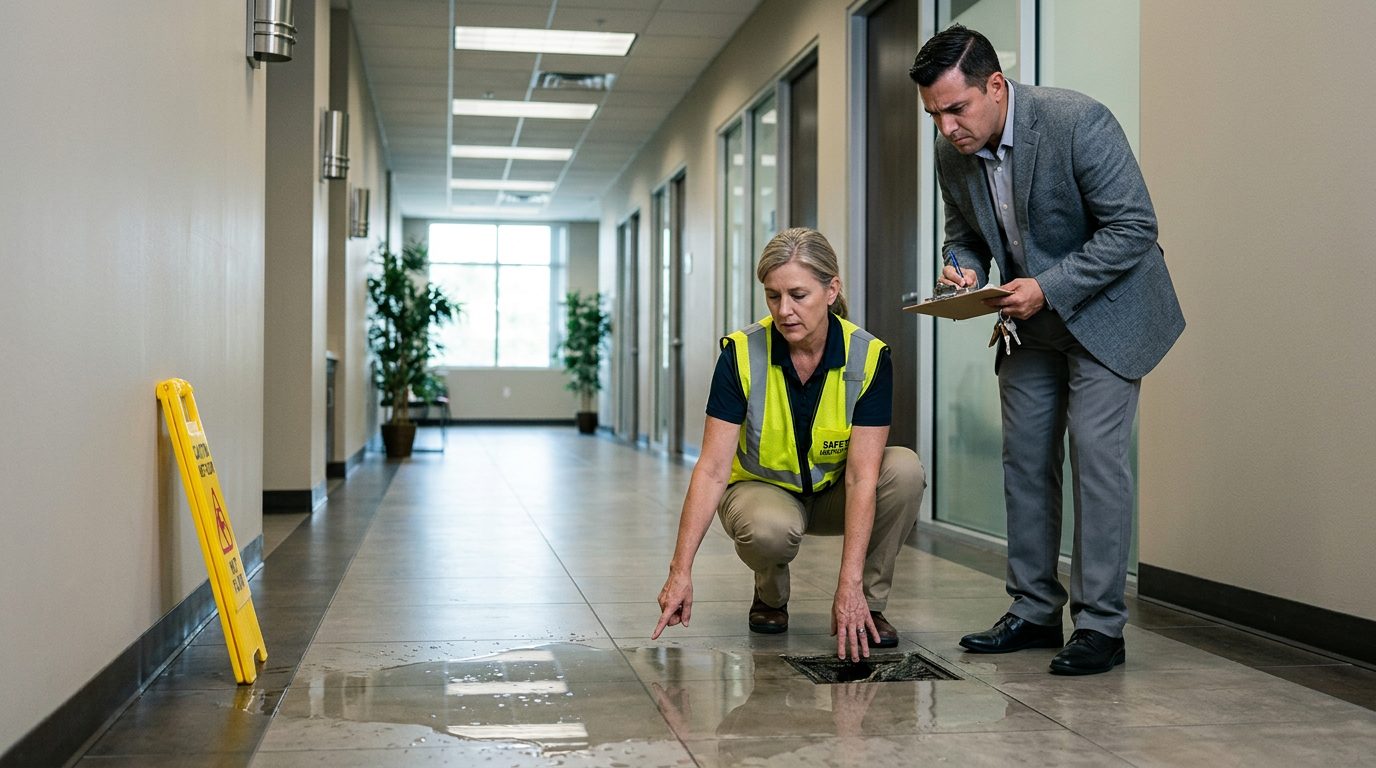
Slip and Fall in Doral
Injured on Someone Else's Property? You May Have a Claim
Property owners have a legal duty to keep their premises safe. When they fail and you're hurt, CHG Personal Injury Lawyers can help you understand your rights.
By CHG Lawyers · Published September 26, 2026
Slip and Fall in Doral: Property Owner Liability and Your Two-Year Deadline
You slipped on a wet floor at a shopping center in Doral. You tripped on a broken step at an apartment complex. You fell in a parking lot because poor lighting hid a pothole. If you’ve been hurt in a slip and fall in Doral, the property owner may be liable—and you have a legal deadline to act.
Critical: Florida law gives you two years from the date of your fall to file a lawsuit (Fla. Stat. §95.11). That deadline is firm. Evidence degrades, witnesses move, and memories fade. If you wait too long, you lose your right to recover—regardless of how strong your case is.
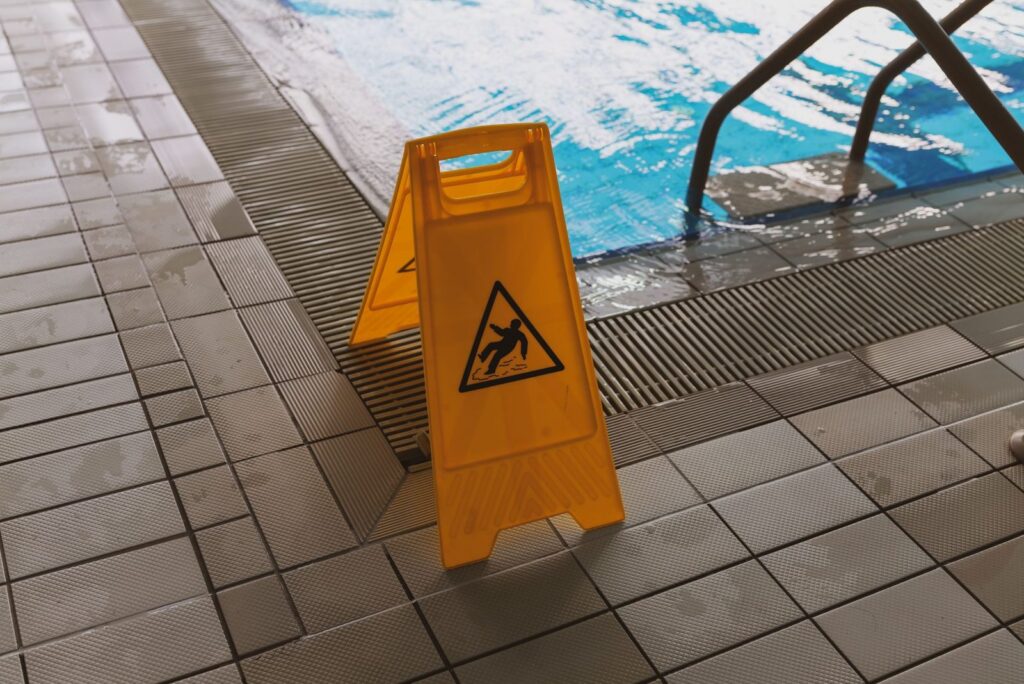
If you've been hurt in a slip and fall in Doral, the property owner may be liable—and you have a legal deadline to act. Talk it through with our team — the first consultation is free, confidential, and carries no obligation.
What Is a Slip and Fall Accident?
A slip and fall happens when an unsafe condition on someone else’s property causes you to fall and get injured. The property owner may be responsible if they knew about the danger and failed to fix it or warn you.
Common hazards in Doral include wet floors, broken tiles, debris, inadequate lighting, uneven walkways, loose handrails, and deteriorated surfaces. These accidents occur at shopping centers, parking lots, restaurants, apartment complexes, office buildings, grocery stores, and retail spaces.
Property owners have a legal duty to keep their premises reasonably safe. The busier the property, the greater that duty. In Doral’s high-traffic commercial zones, property owners and managers are expected to inspect regularly, repair hazards promptly, and warn visitors of known dangers.
Why Slip and Fall Accidents Happen in Doral: Local Hazards
Doral’s economy centers on commercial and retail activity. Shopping centers, office parks, retail zones, and rental apartment complexes create constant foot traffic—and constant liability exposure.
Florida’s climate accelerates hazards. Heat, humidity, and sudden rain showers make floors slippery fast. Air-conditioned businesses create condensation on tile and marble surfaces. Wet entryways during rainy season are accident hotspots. Property managers who don’t clean up quickly or post warnings invite liability.
Maintenance gaps are common in managed properties. Broken tiles, worn carpeting, loose handrails, inadequate lighting, and uneven walkways are frequent culprits. Many Doral commercial properties and rental complexes use third-party property managers. Communication breakdowns between owners and managers delay repairs—and increase the window of liability.
Parking areas and garages present distinct hazards. Poor lighting, cracked asphalt, missing or faded warning paint, and inadequate drainage create fall risks. Retail loading areas and dumpster zones often lack proper maintenance.
Rental complexes create liability clusters. Common areas—hallways, stairwells, pool decks, parking areas—are high-traffic zones where maintenance lapses are common and liability is clear.
The Severity Spectrum: Why “Minor” Falls Can Become Catastrophic
Most slip-and-fall pages treat all falls as equivalent. They are not.
A fall from ground level on a flat surface may result in a sprain or minor fracture—painful but recoverable.
A fall down stairs or from height can cause catastrophic injury:
- Spinal cord injury leading to paralysis. A fall down a flight of stairs or from a significant height can damage the spinal cord, resulting in paraplegia (lower-body paralysis) or quadriplegia (all-four-limb paralysis). These injuries are permanent and life-altering.
- Traumatic brain injury (TBI). A head strike during a fall can cause TBI, resulting in cognitive impairment, memory loss, personality changes, and permanent disability.
- Amputation or limb loss. In rare cases, a fall involving machinery or structural collapse can result in amputation.
- Severe internal injuries. Falls from height can cause internal bleeding, organ damage, and death.
The difference between “minor” and “catastrophic” often depends on: – Fall height. A fall down a single step is different from a fall down a full flight or from a balcony. – Surface struck. A fall onto concrete is different from a fall onto carpet. – Age and health of the victim. Older adults and people with pre-existing conditions suffer more severe outcomes from the same fall. – Body part struck. A head strike carries far greater risk than a wrist strike.
If you fell and experienced loss of consciousness, severe headache, neck or back pain, numbness, tingling, or inability to move, seek emergency medical care immediately. Do not assume you are “fine” because you walked away from the fall. Spinal cord injuries and brain injuries can develop or worsen over hours.
Who Is Responsible for Your Slip and Fall in Doral?
Property owners and managers in Florida have a legal duty to keep premises reasonably safe. They must inspect regularly, repair hazards, and warn visitors of known dangers.
Liability depends on negligence: Did the owner know (or should they have known) about the hazard, and did they fail to fix or warn you?
Examples of clear negligence: – A grocery store manager sees a spill and does nothing; you fall on it an hour later. – An apartment complex has a broken stair for weeks; management receives complaints but doesn’t repair it; you fall and break your leg. – A parking lot has a large pothole; the owner knows about it (prior complaints, maintenance records) but doesn’t fill it; you trip and fall. – A retail store has inadequate lighting in a hallway; you trip on an unseen obstacle.
Your status on the property matters. Customers and business invitees receive stronger legal protection than trespassers. If you were invited onto the property as a customer, tenant, or guest, the owner owes you a higher duty of care. If you were trespassing, liability is harder to establish—but not impossible if the hazard was extreme or the owner knew trespassers were present.
Third-party liability. In Doral, many commercial properties and apartment complexes are managed by third-party companies. Both the owner and the manager may be liable. An attorney can identify all responsible parties.
If you've slipped and fallen on someone else's property in Doral and suffered injury, you may have a claim against the property owner. Talk it through with our team — the first consultation is free, confidential, and carries no obligation.
What to Do After a Slip and Fall in Doral
Your actions immediately after a fall can make or break your claim.
Seek medical attention immediately. Even if injuries seem minor, see a doctor or go to an emergency room. Spinal cord injuries, traumatic brain injuries, and internal bleeding can develop over hours or days. Medical records are essential proof of your injuries and their link to the fall.
Report the fall to the property manager in writing. Ask them to document it in an incident report. Get the name, title, and contact information of whoever takes your report. If they refuse to document it, write down the date, time, location, and names of people you spoke to. Send this information to the property manager in writing (email is fine) so you have proof you reported it.
Photograph the hazard and scene. Take photos of the hazard that caused your fall from multiple angles. Photograph the scene broadly. Photograph any warning signs—or lack thereof. Take photos of your injuries too. Date-stamp your photos if possible.
Collect witness information. If anyone saw you fall, get their names and phone numbers immediately. Witness statements are powerful evidence. Don’t rely on memory later.
Keep all documentation. Save medical records, receipts for medical care, pay stubs showing lost wages, prescription receipts, and any written communication with the property owner or their insurance company.
Do not sign anything or give a recorded statement without legal advice. Do not post details about your accident on social media. Insurance companies monitor social media and will use anything you post against you.
Common Injuries from Slip and Fall Accidents
Slip and fall injuries range from minor to catastrophic.
Fractures. Broken wrists, ankles, hips, and ribs are common. Hip fractures in older adults often require surgery and months of recovery, sometimes resulting in permanent mobility loss.
Head and spinal injuries. A fall can cause a traumatic brain injury, concussion, or spinal cord injury leading to paralysis (paraplegia or quadriplegia). Herniated discs cause chronic pain and disability. These injuries are permanent.
Soft-tissue injuries. Sprains, strains, and torn ligaments may seem minor at first but can worsen over time, requiring ongoing physical therapy and sometimes surgery.
Long-term effects. Chronic pain, mobility loss, permanent disability, and ongoing medical care can follow a serious fall. Some people never fully recover. Catastrophic injuries require lifetime care.
Psychological impact. Anxiety, fear of falling again, depression, and reduced quality of life are real consequences many people don’t anticipate.
Florida’s Modified Comparative Fault Rule: How It Affects Your Recovery
Florida’s comparative negligence law (Fla. Stat. §768.81) means your recovery depends not only on the property owner’s negligence but also on whether you were partially at fault.
Here’s how it works: – If you are found 20% at fault and the property owner 80% at fault, you recover 80% of your damages. – If you are found 50% at fault and the property owner 50% at fault, you recover 50% of your damages. – If you are found more than 50% at fault, you cannot recover anything.
Examples of comparative fault: – You were wearing inappropriate footwear (very high heels on a wet floor) and fell. The property owner had a wet floor but no warning sign. You might be found partially at fault, reducing your recovery. – You were texting and didn’t see a clearly marked wet floor sign. You might be found partially at fault. – You were running in a grocery store and fell. You might be found partially at fault.
The property owner will argue you were partially at fault. An attorney fights back with evidence showing the hazard was hidden, the warning was inadequate, or your conduct was reasonable under the circumstances.
What Compensation May You Recover?
Economic damages cover all medical expenses (emergency care, surgery, therapy, future treatment), lost wages, and lost earning capacity.
Non-economic damages cover pain and suffering, emotional distress, reduced quality of life, and permanent scarring or disfigurement.
Punitive damages are rare in slip and fall cases and are awarded only in cases of gross negligence or intentional misconduct.
Wrongful death: If a fall results in death, the family may pursue a wrongful-death claim for funeral expenses, loss of companionship, and lost financial support.
The property owner’s liability insurance typically covers these claims.
Not sure what your next step is?
Talk it through with our team — the first consultation is free, confidential, and carries no obligation.
Why Legal Help Matters for Your Slip and Fall Claim
Insurance companies often minimize payouts. An attorney protects your interests and fights for fair compensation.
Investigation is critical. Proving negligence requires gathering evidence, interviewing witnesses, obtaining maintenance records, and analyzing property management practices. In Doral, where many properties are managed by third parties, determining who is liable requires local knowledge and careful investigation.
Medical causation must be proven. You must prove your injuries resulted from the fall, not a pre-existing condition. This requires expert analysis and detailed medical records.
Time is critical. You have two years from the date of your fall to file a lawsuit. But evidence degrades over time, witnesses move away, and memories fade. Act quickly.
Settlement negotiation requires knowing the real value of your case. An attorney knows what similar cases settle for and fights for compensation that matches your injuries and losses.
If settlement fails, you need representation prepared to take your case to court. Most cases settle, but your attorney must be ready to try the case if the offer is unfair.
Frequently Asked Questions
Q: Do I have to prove the property owner caused the hazard?
No. You must prove they knew or should have known about it and failed to fix or warn you.
Q: What if I was partially at fault?
Florida’s comparative negligence rule applies. Your recovery is reduced by your percentage of fault. If you’re more than 50% at fault, you cannot recover.
Q: How long do I have to file a claim?
Two years from the date of the fall (Fla. Stat. §95.11). But evidence is fresher and stronger sooner, so don’t delay.
Q: Will my case go to trial?
Most settle. But your attorney must be ready to try the case if the offer is unfair.
Q: What if I signed a waiver at the property?
Waivers are often unenforceable for injuries caused by the owner’s negligence. An attorney can advise whether yours is valid.
Q: Do I need medical records to file a claim?
Yes. Medical documentation of your injuries is essential to prove damages.
Q: What if my fall caused a spinal cord injury or brain injury?
These are catastrophic injuries. Lifetime medical care, assistive equipment, home modifications, and lost earning capacity can result in damages in the hundreds of thousands or millions of dollars. These cases require experienced representation.
If you’ve slipped and fallen on someone else’s property in Doral and suffered injury, you may have a claim against the property owner. Remember: you have two years from the date of your fall to file a lawsuit. Don’t wait. Evidence is stronger sooner, and your legal deadline is firm.
Contact us for a free case evaluation. People in your situation reach out regularly, and we’re here to help you understand your rights, your deadline, and your next steps.
What You Need to Know About Slip and Fall Claims in Doral
Property Owner Liability
A property owner is responsible for maintaining safe conditions. If a hazard—wet floors, broken stairs, poor lighting, debris—caused your fall, the owner may be liable if they knew or should have known about it and failed to fix or warn you.
Burden of Proof
You don't have to prove the owner created the hazard. You must show they were aware of it (or should have been through reasonable inspection) and neglected to address it or post a warning.
Comparative Negligence in Florida
If you were partially at fault for your fall, Florida law reduces your recovery by your percentage of fault. If you're found more than 50% at fault, you cannot recover damages.
Documentation Matters
Photographs of the hazard, witness statements, medical records, and incident reports are critical to building your claim. Report the incident to the property owner or manager immediately and request a written record.
Act Quickly
Evidence can disappear, memories fade, and there are time limits for filing a claim. The sooner you contact an attorney, the better your chances of preserving crucial proof and protecting your rights.
Why CHG Personal Injury Lawyers
Focused on Your Recovery
We focus exclusively on personal injury cases, including slip and fall claims. We understand the physical, emotional, and financial toll these injuries take.
No Fees Unless There's a Recovery
We work on contingency. You pay nothing upfront, and we only collect a fee if your case settles or wins.
Clear Communication
We explain your claim in plain language, answer your questions, and keep you informed every step of the way.
Local Knowledge, National Reach
Based in Florida, we understand Doral's property landscape and local court procedures. We also handle cases nationwide.