

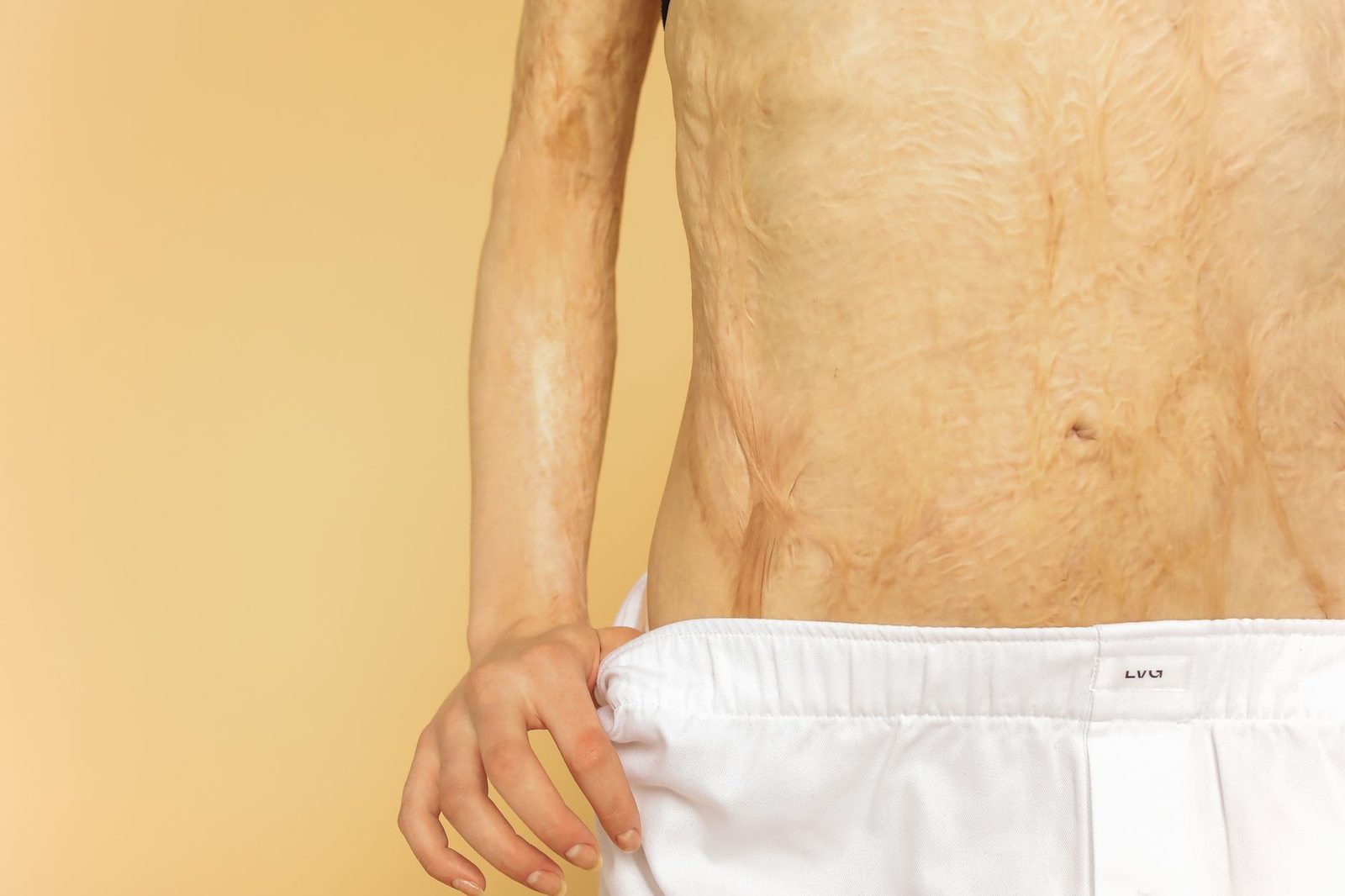
Severe Burn Injuries
Understanding the Rule of Nines: How Burn Severity Is Measured
When a severe burn covers a large portion of your body, the damage can be catastrophic. Learn how medical professionals assess burn severity and what it means for your recovery and your claim.
By CHG Lawyers · Published August 22, 2026
Rule of Nines Burns: How TBSA Measures Catastrophic Burn Severity
The Rule of Nines is how doctors quickly estimate what percentage of your body is burned. It divides the adult body into sections. Each section represents 9% (or multiples of 9%) of total body surface area—called TBSA.
Understanding TBSA helps doctors decide: – How urgent your treatment is – Whether you need a specialized burn center – How much IV fluid you need to prevent shock
When recovering from a catastrophic burn, medical teams use TBSA to assess what your body has endured. Understanding this measurement helps you grasp the injury’s severity and what recovery will look like.

If you or a loved one suffered such a burn due to someone else's negligence or wrongdoing, you may have a claim for compensation. Talk it through with our team — the first consultation is free, confidential, and carries no obligation.
What Is the Rule of Nines for Burns?
The Rule of Nines is a standardized method emergency and burn-care teams use. They estimate how much of your body is burned within minutes of arriving at a hospital or burn center.
It works by assigning a percentage to each major body region. Doctors add those percentages together to get your total TBSA.
Why this matters: TBSA is one of the strongest predictors of survival and long-term outcomes. It determines whether a burn is minor, moderate, or major (catastrophic). It also guides critical decisions about: – Fluid resuscitation—the IV fluids needed to prevent shock – Whether you need specialized burn center care
In catastrophic burn cases, medical records documenting TBSA become crucial evidence. They show both the injury’s scope and whether it was preventable.
The Rule of Nines is an estimation tool, not a precise measurement. Doctors refine the actual TBSA once you reach a hospital. But in the first minutes after a severe burn, this quick method can mean the difference between appropriate care and delayed transfer to a burn center.
How the Body Is Divided Into ‘Nines’ (the Adult Chart)
Medical professionals divide the adult body into regions using this standard breakdown:
- Head and neck: 9%
- Each arm (front and back combined): 9% each (18% total for both arms)
- Chest: 9%
- Abdomen: 9%
- Front of each leg: 9% each (18% total for both legs)
- Back of each leg: 9% each (18% total for both legs)
- Genitals and perineum: 1%
These percentages add up to 100% of the body’s surface area.
Important note: The Rule of Nines differs for children. A child’s head is proportionally larger than an adult’s. A child’s head represents about 18% of their total body surface area. Each leg represents a smaller percentage. Medical teams use a modified chart for children to ensure accurate assessment.
How to Calculate TBSA for Rule of Nines Burns
Calculating total body surface area is straightforward:
- Identify which body parts are burned. Look at the affected areas—front, back, or both sides of each region.
- Assign the percentage for each part using the Rule of Nines chart.
- Add the percentages together to get the total TBSA.
Worked example: A person burned on both arms and the front of the chest would be: 9% (arm 1) + 9% (arm 2) + 9% (chest) = 27% TBSA.
Why accuracy matters: TBSA determines how severe the burn is and the medical urgency. A burn covering 15% or more of body surface area in adults is typically classified as major. It requires specialized burn center care. Burns of 20% TBSA or higher carry significant risk of shock, organ failure, and death.
For smaller or irregular burns that don’t follow body-part boundaries neatly, medical teams may also use the Rule of Palm. The patient’s open palm (including fingers) represents approximately 1% of their body surface area. This helps estimate burns that are scattered or don’t fit the standard regions.
What Are the Three C’s for Burns?
Understanding a catastrophic burn means looking at three things: Cause, Circumstance, and Severity.
Cause: How the burn happened—fire, scalding liquid, chemical, electrical, contact with a hot surface, or exposure to flames in an enclosed space.
Circumstance: Where and when it occurred, and whether it was preventable or the result of negligence. Did it happen at work because of inadequate safety equipment? In a rental property with faulty smoke detectors? In a building where security failed to prevent a violent attack? Was it caused by a defective product?
Severity: Measured by TBSA percentage, burn depth (degree), and location on the body.
Severity alone doesn’t tell the whole story. A catastrophic burn may result from someone else’s failure to prevent it. Understanding all three helps clarify not just what happened to your body, but whether accountability lies with another person or entity.
Burn Depth: First, Second, and Third Degree (and Beyond)
Burn severity is measured in two ways: how much of the body is burned (TBSA) and how deep the burn goes. Depth is classified by degree:
First-degree (superficial): Affects only the outer layer of skin. Red, painful, and may swell. Typically heals without scarring. Sunburn is a common example.
Second-degree (partial-thickness): Affects the outer layer and part of the deeper layer beneath. Causes blistering, severe pain, and significant risk of scarring and contractures (permanent loss of joint mobility). Healing takes weeks to months and often requires specialized wound care.
Third-degree (full-thickness): Destroys all layers of skin and may affect tissue beneath. Often painless because nerve endings are destroyed. Requires skin grafts and leaves permanent, often severe scarring. Results in permanent functional and cosmetic impairment.
Fourth-degree and beyond: Extends into muscle, bone, or organs. Life-threatening and almost always catastrophic. Requires extensive surgery and long-term rehabilitation. Carries high mortality risk.
How depth combines with TBSA: A small third-degree burn (5% TBSA) is still catastrophic because of permanent scarring and loss of function. A large second-degree burn (40% TBSA) is also catastrophic because of the extent of the injury and the risk of shock and infection.
Not sure what your next step is?
Talk it through with our team — the first consultation is free, confidential, and carries no obligation.
What Makes a Burn ‘Catastrophic’?
A burn becomes catastrophic when it causes permanent, life-altering impairment. Several factors determine this:
TBSA thresholds: Burns covering 15% or more of body surface area in adults are typically classified as major. They require burn center care. Burns of 20% TBSA or higher carry significant risk of shock, organ failure, and death.
Location matters: Burns to the face, hands, genitals, or joints are considered more severe even at lower TBSA percentages. They affect function, appearance, and quality of life. A 10% burn to both hands is more catastrophic than a 10% burn to the back.
Depth and extent together: Full-thickness burns at any significant percentage are catastrophic. Even a 5% full-thickness burn requires skin grafts and leaves permanent scarring.
Age and health: Very young children, elderly persons, and those with pre-existing medical conditions face higher mortality and complication rates from the same TBSA as a healthy adult.
Inhalation injury: Burns sustained in enclosed spaces often involve smoke or toxic gas inhalation. This dramatically increases severity and mortality risk beyond TBSA alone. A person burned in a house fire may have both skin burns and lung damage, making the injury far more dangerous.
Clinical Significance and Why TBSA Matters for Treatment
Medical teams rely on TBSA to make critical decisions:
Burn center referral: TBSA helps determine whether you need specialized burn center care. Most hospitals without a dedicated burn center will transfer patients with TBSA of 15% or more to a burn center.
Fluid resuscitation: Doctors use TBSA to calculate how much IV fluid you need in the first 24 hours. This prevents shock and organ failure. This calculation often means the difference between survival and death.
Prognosis and survival: TBSA is one of the strongest predictors of survival and long-term outcomes. Higher TBSA correlates with higher mortality risk and longer hospitalization.
Long-term care planning: TBSA helps estimate the scope of reconstructive surgery, skin grafts, physical therapy, and rehabilitation needed. A 30% TBSA burn may require dozens of surgeries over years, plus years of physical therapy to regain function and mobility.
Permanent impairment: Higher TBSA burns are more likely to result in permanent scarring, contractures, loss of joint mobility, and functional disability. Many people with catastrophic burns face lifelong pain, disfigurement, and limitations on work and daily activities.
Limits of the Rule of Nines
The Rule of Nines is a useful tool, but it has boundaries:
Estimation, not exactness: The Rule of Nines is a quick field assessment. Actual TBSA may be refined once you reach a hospital and the burn is examined more carefully and documented.
Irregular burns: Burns that don’t follow body-part boundaries neatly—such as a splash pattern or a localized contact burn—may be harder to calculate precisely using the standard chart.
Less accurate for children: The Rule of Nines is less accurate for infants and young children. Their head is proportionally much larger than an adult’s.
Doesn’t account for depth alone: TBSA percentage doesn’t tell you whether a burn is first, second, or third degree. Both measurements are needed to understand the full severity.
Other factors matter: Age, inhalation injury, location, pre-existing health conditions, and time to treatment all affect severity and outcome beyond what TBSA alone indicates.
When a Severe Burn Is the Result of Negligence or Unsafe Conditions
Catastrophic burns often happen because of someone else’s failure: – Inadequate workplace safety – Defective products – Negligent security that allowed a violent attack – Unsafe conditions at a rental property or business – Failure to maintain working fire suppression systems
Understanding the Rule of Nines and TBSA is part of understanding the injury’s scope. But it’s equally important to understand whether the burn was preventable and whether someone else bears responsibility.
Injured persons and their loved ones often need guidance on what legal options exist after a catastrophic burn caused by negligence or wrongdoing. Medical records documenting TBSA, burn depth, location, and treatment become crucial evidence in a claim. They show not just what happened to the body, but also the permanence and scope of the injury.
Learn more about burn center treatment options and the burn injury recovery process to understand what comes after the initial assessment.
Have questions about what happened?
Ask our team directly. The first conversation is free, confidential, and there is no obligation to continue.
Frequently Asked Questions
What percentage of burns is considered catastrophic?
Burns covering 15% or more of body surface area in adults, or burns of any TBSA that are full-thickness (third-degree or deeper), are typically considered catastrophic. They carry risk of death, organ failure, and permanent impairment.
How does the Rule of Nines differ for children?
A child’s head represents about 18% of their total body surface area (compared to 9% in adults). Each leg represents a smaller percentage. Medical teams use a modified pediatric chart to ensure accurate assessment.
What is the Rule of Palm?
The Rule of Palm uses the patient’s open palm (including fingers) as a reference. It represents approximately 1% of their body surface area. This helps estimate smaller or irregular burns that don’t fit the standard body regions.
Can a small burn be catastrophic?
Yes. A small third-degree (full-thickness) burn can be catastrophic. It destroys all layers of skin and requires skin grafts, leaving permanent scarring and loss of function. Location also matters—a 5% burn to both hands is far more catastrophic than a 5% burn to the back.
What happens after TBSA is calculated?
TBSA determines whether you need burn center care. It guides fluid resuscitation and helps predict survival and long-term outcomes. It also helps estimate the scope of reconstructive surgery, skin grafts, physical therapy, and rehabilitation needed.
Getting Answers About Your Burn Injury
If you or a loved one has suffered a severe burn, you’re likely navigating medical care, rehabilitation, financial strain, and questions all at once. You may also be wondering whether someone’s negligence or failure to prevent the injury played a role.
Understanding what medical teams mean when they discuss TBSA and burn depth is part of grasping the full scope of what happened. But so is understanding whether the burn was preventable and whether you have legal options.
People in your situation—trying to understand a catastrophic burn injury and what comes next—reach out regularly. Our team handles severe burn injury cases nationwide and can discuss your circumstances and what your options may be, without obligation.
Learn more: For additional information on catastrophic burn injuries and how they affect long-term recovery, see our severe burn injuries resource.
Burns of 15% TBSA or More Are Catastrophic
In adults, burns covering 15% or more of total body surface area—or any full-thickness (third-degree or deeper) burn—are considered catastrophic. They carry serious risk of death, organ failure, infection, and permanent scarring or disability. If you or a loved one suffered such a burn due to someone else's negligence or wrongdoing, you may have a claim for compensation.
How the Rule of Nines Works
The Head & Neck
9% of body surface area (in adults). In children under age 5, the head represents a larger percentage—up to 18%—because their proportions are different.
Each Arm
9% each (18% total for both arms). In children, arms account for a smaller percentage of total body surface area.
The Torso
18% front, 18% back (36% total). The torso is the largest region and often sustains the most severe burns in accidents.
Each Leg
18% each (36% total for both legs). In children, legs represent a smaller percentage due to their smaller size relative to the head.
Genitals & Perineum
1% of body surface area. This small but sensitive area requires specialized medical care when burned.
Burn Depth & Severity
First-Degree Burns
Affect only the outer layer of skin (epidermis). Painful but not catastrophic; typically heal without permanent scarring.
Second-Degree Burns
Damage the epidermis and part of the dermis (deeper skin layer). Cause blistering, severe pain, and may leave scars. Smaller second-degree burns are not catastrophic; larger ones can be.
Third-Degree & Deeper Burns
Destroy the full thickness of skin and may damage muscle, bone, or organs. Appear white, charred, or leathery. Always catastrophic—they cause permanent scarring, disability, and loss of function. May require amputation.
Why TBSA & Depth Matter in Your Claim
Medical Treatment & Cost
Larger burns and deeper burns require prolonged hospitalization, surgery, skin grafts, and ongoing wound care. These costs are substantial and recoverable in a claim.
Permanent Impairment
Severe burns cause scarring, contractures (tightened skin that limits movement), loss of sensation, and permanent disfigurement. These changes affect work, daily life, and quality of life for the rest of your life.
Infection & Organ Damage
Catastrophic burns carry high risk of life-threatening infection, sepsis, and failure of the heart, lungs, or kidneys. Survival itself is uncertain, and recovery is long and painful.
Documentation & Evidence
Medical records showing TBSA percentage, burn depth, and treatment are critical evidence in your claim. They establish the severity of harm and support the value of your case.
Special Considerations for Children
Different Body Proportions
A child's head is proportionally larger than an adult's. The Rule of Nines is adjusted: the head represents 18% of TBSA in children under 5, and 13% in children 5–15 years old. Medical professionals use age-specific charts to calculate TBSA accurately.
Faster Progression & Higher Risk
Children's burns can progress more rapidly and cause faster fluid loss. They are also more vulnerable to shock and organ failure. Immediate, specialized burn care is critical.
Long-Term Impact
A child who survives a catastrophic burn faces decades of scarring, surgical revision, psychological trauma, and functional limitations. Future earnings, education, and quality of life are all affected.