

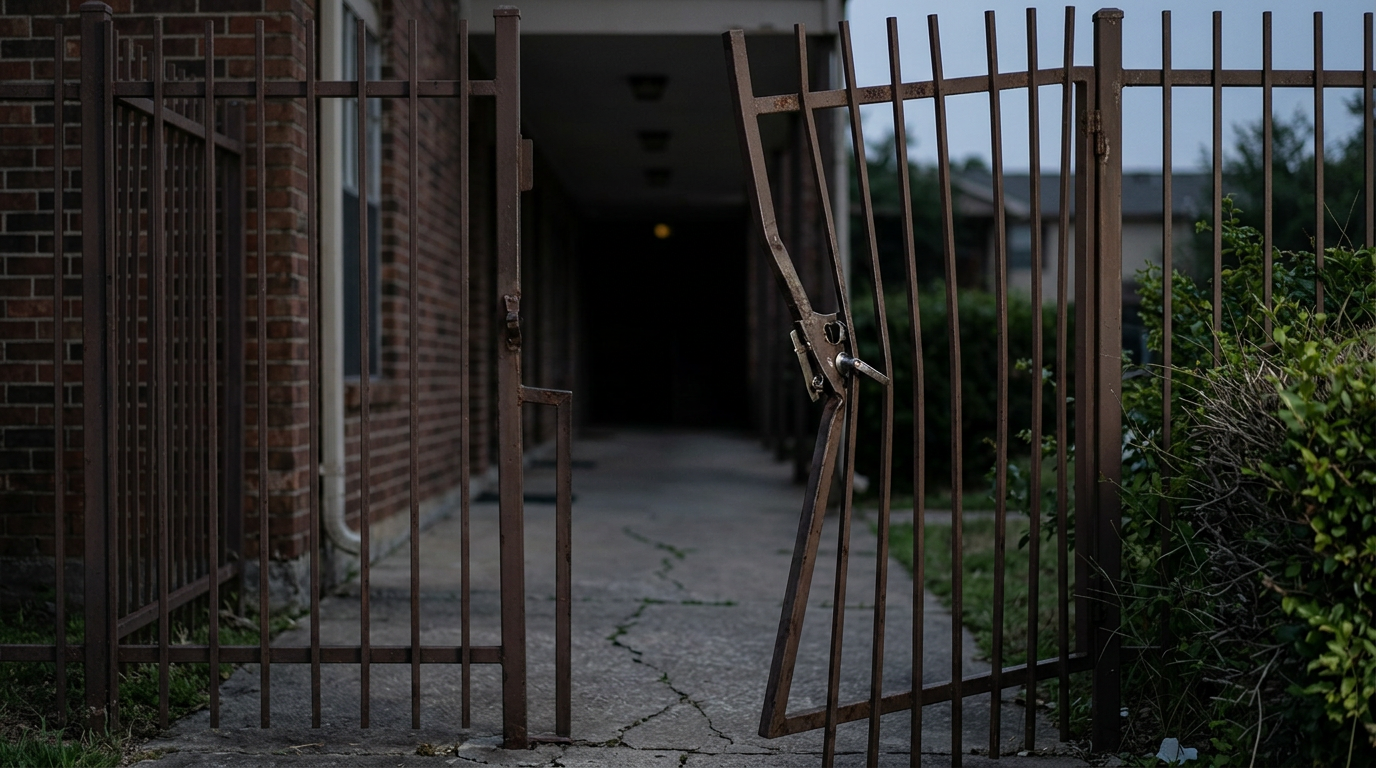
Severe Burn Injuries | Unsafe Property Claims
Hurt in an Apartment Fire That Never Should Have Happened
When a landlord's failure to maintain smoke detectors, fire exits, or wiring leads to a severe burn injury, you and your family have the right to answers. Talk with a licensed attorney at no cost.
Why Families Turn to CHG
Nationwide
We take catastrophic cases across the country
Bilingual
Support in English and Spanish
Licensed
Florida Bar–admitted attorneys
$0
Free, no-obligation case evaluation
By CHG Lawyers · Published July 30, 2026
Apartment & Property Fire Burn Injury Lawyer
Did a preventable fire leave you or someone you love with severe burns? You may have a legal claim against the property owner or landlord who failed to keep the building safe. An apartment fire burn injury lawyer can find out what went wrong. We can help you seek money for medical care, lost income, and lasting harm.
This page answers the questions people really ask. That includes how much a claim might be worth, what it costs to hire a lawyer, and how long you have to file. We explain it in plain language, with the real Florida laws behind each answer. Our attorneys handle serious burn cases nationwide. We offer a free case review in English and Spanish, with no obligation.
Start your free case evaluation →

Not sure what your next step is?
Talk it through with our team — the first consultation is free, confidential, and carries no obligation.
Who this help is for
This page is for people who suffered life-altering burns in a fire. The fire happened on property someone else owned or managed. That could be apartments, condos, duplexes, hotels, motels, dorms, or other buildings.
You may have a claim if you are:
- A survivor of severe burns (second-, third-, or fourth-degree) from a building fire.
- Someone with smoke-inhalation or airway injuries, disfigurement, or burns that need skin grafts and many surgeries.
- A family who lost a loved one in a fire. (This is a wrongful-death claim brought by surviving family.)
- A renter, guest, hotel visitor, or anyone hurt on property you didn’t own or control.
This page focuses on serious, permanent burn injuries. Minor burns that heal fully are not the focus here.
When a landlord or property owner can be held responsible for a fire
A landlord or property owner can be held responsible when they failed to keep the building reasonably safe, and that failure led to serious injury. Florida’s Residential Landlord and Tenant Act, Fla. Stat. §83.51, requires landlords to follow building, housing, and health codes. That includes the working smoke detectors those codes require. When an owner ignores this duty and someone is badly burned, that failure can be the heart of a claim.
In the burn cases our attorneys handle, we often see preventable failures like these:
- Missing, dead, or disabled smoke detectors.
- No working sprinklers or fire extinguishers.
- Blocked, locked, or broken exits, stairwells, and fire doors.
- Faulty wiring, overloaded circuits, or unpermitted electrical repairs.
- Known electrical, gas, or heating hazards left unfixed.
- Ignored tenant complaints, expired inspections, and open code violations.
Once you describe a scenario like one of these, lawyers call the legal claim premises liability. This is a type of negligence claim against the property owner or manager who didn’t keep the building safe.
Here’s a key point most pages skip: your claim often doesn’t depend on how the fire started. It can turn on whether the building was safe and gave people a real chance to escape. According to the U.S. Fire Administration, the leading cause of home fire deaths is fires where no smoke alarm was present, or the alarm was not working. So a missing or dead alarm can be the difference between a close call and a tragedy. (See the U.S. Fire Administration’s fire statistics at usfa.fema.gov.)
Who could be liable for an apartment or property fire
Often more than one party shares the blame. A careful investigation finds each of them. Naming every responsible party matters. It can affect how much money is available.
Parties that may be liable include:
- Landlords, property owners, and management companies who failed to maintain safety systems.
- HOAs and condo associations responsible for shared areas like hallways and stairwells.
- Maintenance or repair contractors who did faulty or unpermitted work.
- Manufacturers of defective appliances, wiring, heaters, or smoke alarms. This is a separate product liability claim.
Sometimes the fire began in another unit. Even then, the building’s safety failures may still be what caused your injuries. That’s worth investigating too.
What a burn injury fire claim can help you recover
A claim can help you recover money for medical bills, lost income, pain and suffering, and long-term care. The amount always depends on the facts. We can’t promise a specific result. Any lawyer who does is breaking the rules.
Depending on your case, you may be able to recover:
- Medical costs — emergency care, burn-unit treatment, skin grafts, reconstructive surgery, and future care.
- Lost income and lost earning power when burns keep you from working.
- Pain and suffering, disfigurement, and permanent scarring.
- Long-term care, home changes, and rehabilitation.
How much is a burn injury claim worth?
There is no average or fixed figure. Be careful of any site that quotes one, because every case turns on its own facts. Here’s the honest answer: value is built from real, provable pieces.
Severe burns are among the most costly injuries to treat. Care can involve weeks in a special burn unit, repeated skin-graft surgeries, and years of reconstructive and rehab treatment. Add lost wages if you can’t return to your job. A serious claim adds those numbers up — past and future — instead of guessing.
That’s why we usually don’t rush to a settlement. First, we wait until doctors understand your full medical picture. We also wait until a life-care planner projects your future costs. This is what lets a case be valued fairly, not cheaply.
Did a loved one die in the fire? The family may bring a wrongful-death claim under Florida’s Wrongful Death Act, Fla. Stat. §768.21. We handle these cases with dignity and focus on what your family can do next. Learn more on our severe burn injuries hub and our burn injury wrongful death page.
If you were partly at fault
Florida uses a modified comparative-fault rule under Fla. Stat. §768.81. This means a person found more than 50% at fault for their own injury usually recovers nothing. Otherwise, the recovery is reduced by that person’s share of fault.
So being partly responsible doesn’t automatically end your claim. It may just reduce it. This 50% bar took effect with Florida’s March 2023 tort reform. Earlier cases followed a pure comparative-fault rule. That’s another reason to have a lawyer confirm which rule applies to your dates.
Have questions about what happened?
Ask our team directly. The first conversation is free, confidential, and there is no obligation to continue.
What it costs to hire a burn injury lawyer
You don’t pay us out of pocket, and you don’t pay by the hour. We work on a contingency fee. That means our fee is a percentage of what we recover for you. If there’s no recovery, you owe no attorney fee. The consultation is free.
In Florida, the Supreme Court of Florida regulates contingency-fee agreements. The rule sets standard percentage tiers and requires a written contract you sign.
Before you hire anyone, ask two plain questions: (1) What percentage will the firm take? (2) How are case costs — expert fees, records, filing fees — handled if the case doesn’t succeed? A good firm answers both in writing.
How the process works — what to expect step by step
Step 1 — Free case evaluation. We listen, explain your options, and answer your questions. No cost, no obligation.
Step 2 — Investigation and evidence. We gather fire marshal reports, code and inspection records, maintenance logs, witness statements, and photos. Acting fast matters, because repairs and cleanup can destroy evidence.
Step 3 — Building the claim. We document your treatment, work with burn specialists and fire-safety experts, and find every responsible party.
Step 4 — Insurance claim or lawsuit. We present the claim and negotiate. If no fair result comes, we can file a lawsuit.
Step 5 — Resolution. Your case ends in a settlement or, if needed, a trial.
Deadlines matter — and they vary by state. In Florida, most negligence claims that began on or after March 24, 2023 have a two-year filing deadline under Fla. Stat. §95.11(5)(a). Claims that began before that date generally had four years. Wrongful-death claims have their own two-year limit under §95.11(5)(e).
We take cases nationwide, and every state sets its own limit. So don’t rely on these Florida numbers for a fire in another state. Contact a lawyer promptly. You can review the official text at Online Sunshine.
Why work with CHG Personal Injury Lawyers
We focus on catastrophic, life-altering injuries — including severe burns — and we bring the resources these cases demand.
- Catastrophic-injury focus. Severe burns, spinal cord injuries, traumatic brain injuries, and amputations — not routine cases.
- Licensed and admitted. Our attorneys are admitted to the Florida Bar. We’re Florida-based and take cases nationwide.
- Bilingual support. English and Spanish, so the whole family understands every step.
- Expert coordination. We work with fire-cause investigators, burn specialists, and life-care planners.
- Contingency fee. You generally pay no attorney fee unless there’s a recovery.
Talk to our team about your case →
Frequently asked questions
How much can you sue for after a burn injury from an apartment fire?
There’s no fixed number. Be careful of any figure quoted online. Value is built from medical costs (past and future), lost income and earning power, and the lasting impact of disfigurement and pain. A free evaluation is the best way to understand your case.
How much does it cost to hire a lawyer to sue my landlord?
We work on a contingency fee governed by Florida Bar Rule 4-1.5(f). The consultation is free. You generally pay no attorney fee unless we recover money for you.
Can I sue my landlord for pain and suffering after a fire?
Yes. In many burn cases you can recover for pain, suffering, disfigurement, and emotional harm. This is on top of medical bills and lost income.
What if I was partly at fault?
Under Florida’s comparative-fault rule (§768.81), being partly responsible doesn’t automatically end your claim. But being more than 50% at fault generally does. A lawyer can review how the rule applies to your facts.
Can I file a claim if I was a guest, not the tenant?
Yes. Property owners owe a duty of safety to guests and visitors, not just tenants.
What if my loved one died in the fire?
Surviving family may bring a wrongful-death claim under Florida’s Wrongful Death Act. We handle these with care — see our burn injury wrongful death page.
Do you handle cases outside Florida?
Yes. We’re Florida-based and take serious burn cases nationwide. Note that filing deadlines and fault rules differ from state to state.

Want to know where you stand?
Tell us what happened and our team will walk you through the options available to you, at no cost.
Talk to a burn injury lawyer today — free and confidential
You don’t have to sort this out alone. Acting early helps preserve evidence and protects your deadlines.
Contact CHG Personal Injury Lawyers for a free, no-obligation case evaluation, in English or Spanish. We’ll listen, explain your options, and help you decide what’s right for your family.
Start your free case evaluation now →
Related reading: Severe burn injuries · Negligent security · Catastrophic injury claims
When a Property Owner May Be Responsible
Missing or Broken Smoke Detectors
Working smoke alarms are a basic safety requirement. When they are absent, disconnected, or dead, a survivable fire can become life-altering.
Blocked or Locked Fire Exits
Chained stairwells, blocked hallways, or exits that don't open can trap residents inside. These are dangerous conditions the owner is expected to address.
Faulty Wiring and Ignored Repairs
Overloaded circuits, exposed wiring, and repeated maintenance complaints that go unanswered can point to negligence.
No Sprinklers or Fire Suppression
When code requires suppression systems and they are missing or non-functional, a serious fire can cause catastrophic burns.
Protect Your Claim Early
Fire scenes are often cleaned up or repaired quickly, and evidence can disappear. If you or a loved one suffered severe burns, keep medical records, photos, and any prior complaints to the landlord, and speak with an attorney before signing anything from an insurer.
Common Questions After an Apartment Fire
How much can I recover for a burn injury?
There is no fixed number, and you should be cautious of any figure quoted online. Value is built from past and future medical costs, lost income and earning power, and the lasting impact of scarring, disfigurement, and pain. A free evaluation is the best way to understand your situation.
What does it cost to hire a lawyer?
You can ask about fee arrangements during your free consultation. Many personal injury firms work so that you can speak with an attorney and understand your options before any commitment.
Who can I hold accountable?
Depending on the facts, responsibility may rest with a landlord, property management company, or maintenance contractor whose failure to provide reasonable safety contributed to the fire and injuries.
What if a loved one did not survive?
The loss of a family member is the most catastrophic outcome of all. Surviving family members may be able to bring a wrongful-death claim. We handle these matters with care and dignity.