

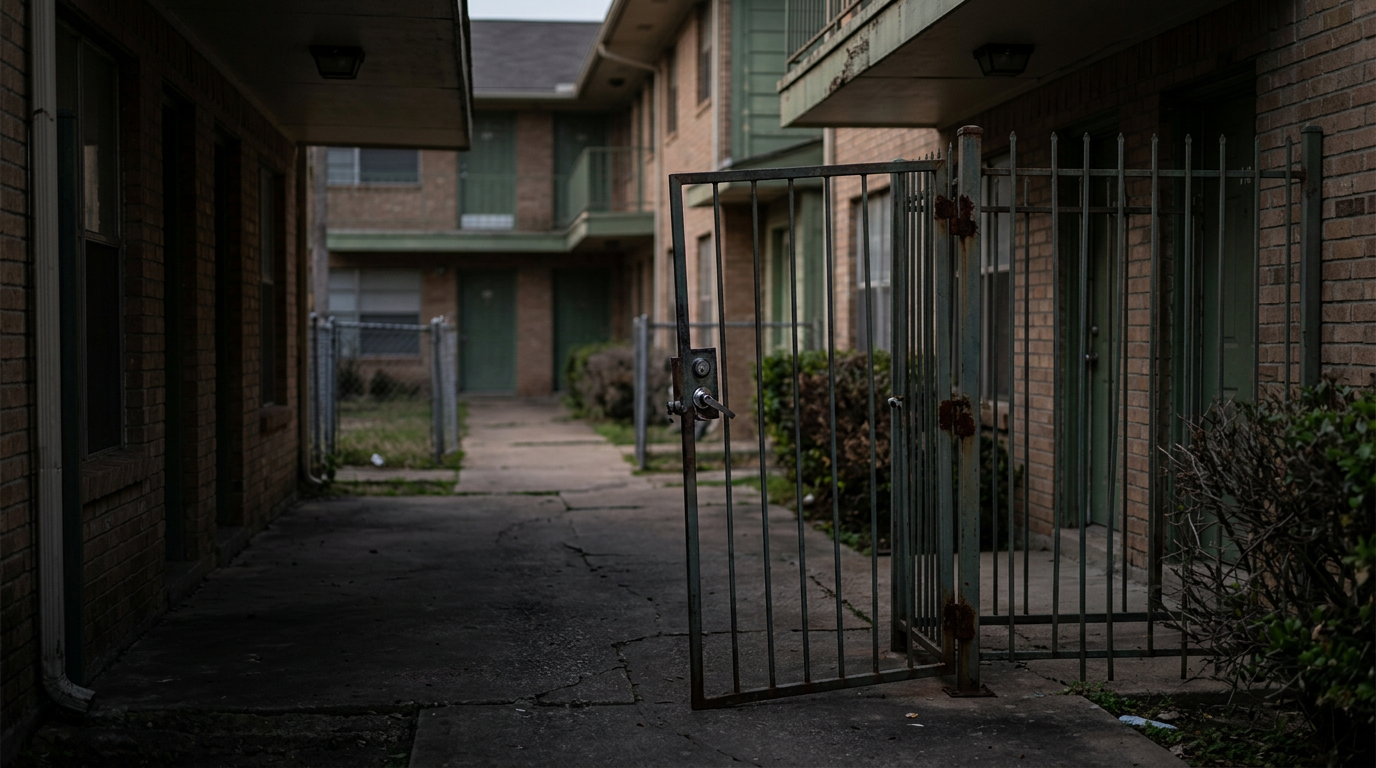
Apartment Fire Injuries
When a Landlord's Negligence Causes a Fire—Your Right to Recover
If you or a loved one was injured in an apartment fire caused by a landlord's failure to maintain the building or prevent a foreseeable hazard, you may have a claim. CHG Personal Injury Lawyers focuses exclusively on catastrophic injury cases and can help you understand your options.
By CHG Lawyers · Published September 23, 2026
Apartment Fire Injury Liability: When Negligent Maintenance or Negligent Security Exposes a Landlord to Liability
If you were burned in an apartment or building fire, a landlord or property owner may be legally responsible when their failure to maintain fire-safety systems or prevent foreseeable harm caused or worsened the fire or your injuries. Understanding the difference between these two types of negligence—negligent maintenance and negligent security—can help you understand your situation before you talk to a lawyer.
A severe burn changes everything in an instant. Families often feel lost after a fire. There are surgeries, hospital bills, and hard questions about how this happened. This page is educational information, not legal advice. It does not promise any result. But it can help you understand your situation.
If you want the bigger picture on burn cases, start with our main guide on severe burn injuries.

If your injuries prevent you from working now or in the future, you may recover lost wages and lost earning capacity. Talk it through with our team — the first consultation is free, confidential, and carries no obligation.
Two Types of Owner Negligence in Apartment Fires: Maintenance and Security
Most apartment fire injury liability claims rest on one or both of two legal theories: negligent maintenance and negligent security. Understanding the difference matters because each requires different proof.
Negligent maintenance means the owner failed to repair, inspect, or maintain fire-safety systems and equipment the owner controls—smoke detectors, fire alarms, sprinkler systems, fire extinguishers, electrical wiring, gas lines, and heating equipment. These are systems the owner has a duty to keep in working order under building codes and lease obligations.
Negligent security (in the fire context) means the owner failed to prevent a foreseeable fire hazard or failed to provide reasonable safeguards against a known risk—for example, failing to lock a storage room where flammable materials are kept, or failing to enforce a no-smoking policy in a building where smoking caused prior fires. It can also mean failing to provide adequate exits, lighting, or alarm systems so residents can escape.
In many apartment fire cases, both apply. A landlord who ignored a broken smoke detector (maintenance failure) and also failed to provide a clear exit route (security failure) may face liability on both grounds.
What a Landlord or Property Owner Owes Tenants and Visitors
A property owner must take reasonable care to keep a building safe against fire risks they can foresee. This legal duty is the foundation of apartment fire injury liability and falls under an area of law called premises liability.
In plain terms, owners cannot ignore dangers they know about or should know about. This duty protects tenants, their guests, and other lawful visitors. But here’s an important point most pages skip: a fire alone does not prove fault. Fires happen for many reasons. The real question is whether the owner did what a careful owner should have done. If they did, they may not be liable. If they cut corners on safety, that changes things.
Negligent Maintenance: Owner Failures in Fire-Safety Systems
Negligent maintenance liability usually comes from a specific failure to repair or maintain equipment the owner controls. In the catastrophic burn cases our attorneys handle, a few problems come up again and again.
- Working alarms give people time to escape. Dead ones can turn a survivable fire into a deadly one.
- Broken, absent, or non-functional fire alarms and sprinkler systems. These systems exist to slow a fire and warn residents. Sprinkler systems reduce fire spread and can mean the difference between a contained fire and a building-wide disaster.
- Faulty or overloaded wiring the owner ignored. Old or damaged electrical systems start fires. Owners who knew and did nothing may be at fault.
- Neglected heating systems, gas lines, and furnaces. Preventive maintenance on HVAC and gas equipment is a landlord’s responsibility. Leaks and deterioration are foreseeable hazards.
- Non-functional fire extinguishers or blocked access to them. If an extinguisher is present but not serviced or accessible, it offers no protection.
- Documented fire-code violations and prior complaints. Written warnings from inspectors or tenant complaints show the owner knew about a danger and did nothing.
Each of these is a maintenance failure a reasonable owner should have caught and fixed. That’s the heart of negligent maintenance liability in apartment fire cases.
Negligent Security: Foreseeable Risks and Failure to Prevent Harm
Negligent security in the fire context means the owner failed to prevent a foreseeable fire hazard or failed to provide reasonable safeguards against a known risk. This is distinct from maintenance failure.
Examples include:
- Failure to secure or monitor areas where fires are foreseeable. If a storage room contains flammable materials and the door has a broken lock, the owner created a foreseeable risk.
- Failure to enforce no-smoking policies in buildings where prior fires were smoking-related.
- Failure to provide adequate lighting in hallways and exits, making it harder for residents to escape.
- Failure to keep exits clear and accessible. Blocked stairwells, chained fire doors, or cluttered hallways trap people.
- Failure to provide working emergency lighting so residents can find exits in smoke.
- Failure to maintain clear signage marking exits and emergency procedures.
Negligent security focuses on what the owner knew or should have known about a specific risk and what they failed to do to prevent it.
What Counts as Negligence: The Four Elements
Negligence in a fire means the owner had a duty to keep the property reasonably safe, broke that duty through a safety failure, and caused real harm as a result.
- Duty — the owner must keep the building reasonably safe.
- Breach — the owner failed to do that, like ignoring dead alarms or blocked exits.
- Causation — that failure caused or worsened the fire or the injuries.
- Harm — someone suffered serious injury or death.
A key idea here is “foreseeability.” That’s a simple question: was the danger something the owner should have seen coming? Overloaded, sparking outlets in an old building are foreseeable. A rare, freak event may not be.
Picture two fires. In one, lightning strikes a building with working alarms, clear exits, and no prior fire-code violations. That may be an unavoidable accident. In another, a landlord ignored a broken fire alarm for a year, residents never got a warning, and the fire spread because exits were blocked. That’s a preventable failure. This page focuses on serious, life-altering burns and fatal fires, not minor incidents.
Not sure what your next step is?
Talk it through with our team — the first consultation is free, confidential, and carries no obligation.
How Fault Is Proven After an Apartment Fire
Fault after an apartment fire is proven with hard evidence about how the fire started and whether the owner failed to maintain systems or prevent foreseeable harm. Acting early helps, because scenes and records change fast.
Common sources of proof include:
- Fire marshal and origin-and-cause investigation reports. These explain where and how the fire began. The fire marshal’s report is often the starting point for determining whether a maintenance or security failure contributed.
- Inspection, maintenance, and code-violation records. These can show a history of neglect. Requests to the local fire department or building department may reveal prior violations at the property.
- Prior tenant complaints and maintenance requests. These prove the owner knew about a danger. Written complaints about smoke detectors, exits, or heating systems are powerful evidence.
- Witness statements and photos. Pictures of blocked exits, dead alarms, or disabled sprinklers are powerful. Witness accounts of prior complaints or known hazards matter.
- Expert analysis. Fire and building-safety experts can connect the maintenance or security failure to the harm and explain industry standards for fire-safety systems.
Evidence disappears quickly after a fire. Buildings get demolished. Records get lost. Memories fade. That’s why prompt action can protect a building fire premises liability claim.
The Harm Severe Burn Victims and Families Face
Severe burns often cause permanent, life-altering harm and can be fatal. The medical road is long and hard.
Serious burns can require many surgeries, skin grafts, and months of wound care. Survivors may live with permanent scarring, nerve damage, and lasting impairment. The emotional toll is real too. Many survivors face anxiety, depression, and trauma.
Some fires take a life. That is the most catastrophic outcome of all. When a loved one dies, the family may be able to bring a wrongful-death claim against the responsible party.
Depending on the case, victims and families may seek compensation for medical costs, lost income, future care, pain, and other losses. Amounts vary, and no result is promised.
How Long You Have to Act
Deadlines to file a fire injury claim vary by state, and missing one can end your case for good. These deadlines are called statutes of limitations.
CHG Personal Injury Lawyers is based in Florida and takes cases nationwide. So the deadline that applies to you depends on where the fire happened. In Florida, the general deadline to file a negligence claim is two years for claims that arose on or after March 24, 2023, under Fla. Stat. §95.11. Florida also follows a modified comparative-fault rule, meaning a person found more than 50% at fault generally recovers nothing, under Fla. Stat. §768.81.
Other states have their own rules. Don’t assume a deadline. Get specific guidance early.
Talk With a Catastrophic Burn Injury Attorney
You don’t have to figure this out alone. If you or a loved one suffered severe burns in an apartment or building fire, our licensed attorneys can review the facts with you confidentially.
CHG Personal Injury Lawyers helps burn injury victims and families understand their options after a serious fire. We can explain who may be responsible, what evidence matters, and how the deadline in your state affects your rights. We cannot promise a result, but we can help you understand the path forward.
Ready to talk? Request a free case evaluation and we’ll listen to your story.

Have questions about what happened?
Ask our team directly. The first conversation is free, confidential, and there is no obligation to continue.
Frequently Asked Questions
What is the difference between negligent maintenance and negligent security in a fire case?
Negligent maintenance means the owner failed to repair or maintain fire-safety systems like smoke detectors, sprinklers, or wiring. Negligent security means the owner failed to prevent a foreseeable fire hazard or provide reasonable safeguards—like securing flammable materials or keeping exits clear. Both may apply to the same fire.
Can you sue your landlord if you get injured in a fire?
Yes, you may be able to sue your landlord if their failure to maintain fire-safety systems or prevent foreseeable harm caused or worsened the fire or your injuries. Success depends on the evidence.
What counts as negligence in a fire?
Negligence means the owner had a duty to keep the building safe, broke that duty through a maintenance or security failure, and caused real harm as a result.
What evidence proves a landlord’s fault in a fire?
Fire marshal reports, maintenance records, prior code violations, tenant complaints, photos of hazards, and expert analysis can all prove fault.
Can more than one party be responsible for a fire injury?
Yes. A landlord, property manager, maintenance contractor, or product maker may share fault depending on how the fire started and what failures contributed to it.
Time Matters
Fire injury claims are subject to strict legal deadlines. The sooner you contact an attorney, the sooner we can investigate the fire, preserve evidence, and protect your rights.
Types of Landlord Negligence in Apartment Fires
Negligent Maintenance
Landlords must maintain fire-safety systems: working smoke detectors, functional sprinklers, properly installed and maintained wiring, and clear emergency exits. Failure to repair or inspect these systems can turn a small fire into a catastrophic one.
Negligent Security & Hazard Prevention
Owners must secure flammable materials, maintain working locks on utility rooms, keep hallways and exits unobstructed, and address known fire hazards. Ignoring these duties can allow a preventable fire to start and spread.
Code Violations
Building codes exist to protect tenants. When a landlord ignores fire codes—missing fire doors, blocked exits, inadequate lighting, or lack of fire extinguishers—residents face unnecessary danger.
Failure to Warn or Evacuate
If a landlord knows of a fire hazard and fails to warn tenants or fails to ensure a safe, timely evacuation, they may be liable for injuries that result.
Why You Need an Attorney for an Apartment Fire Injury Claim
We Investigate Thoroughly
Fire scenes are complex. We work with fire investigators and engineers to determine the cause, identify code violations, and prove the landlord's negligence.
We Handle All the Legal Work
From filing claims to negotiating with insurance companies to pursuing litigation, we manage every step so you can focus on recovery.
We Understand Catastrophic Injury
CHG focuses exclusively on severe, life-altering injuries—burns, smoke inhalation, traumatic injuries from fire, and wrongful death. We know what these cases are worth and how to fight for fair compensation.
We Work Fast to Preserve Evidence
Fire scenes deteriorate quickly. We move immediately to secure evidence, interview witnesses, and document the landlord's failures before memories fade and the scene is cleared.
What We Can Help You Recover
Medical Expenses
Emergency care, hospitalization, surgery, wound care, rehabilitation, and ongoing medical treatment for burn injuries, smoke inhalation, or other fire-related harm.
Lost Income & Future Earnings
If your injuries prevent you from working now or in the future, you may recover lost wages and lost earning capacity.
Pain, Suffering & Permanent Impairment
Severe burns, scarring, disfigurement, and other permanent injuries deserve compensation for the physical and emotional toll.
Wrongful Death
If a loved one died in the fire, family members may bring a wrongful-death claim to recover funeral costs, lost support, and the loss of companionship.