
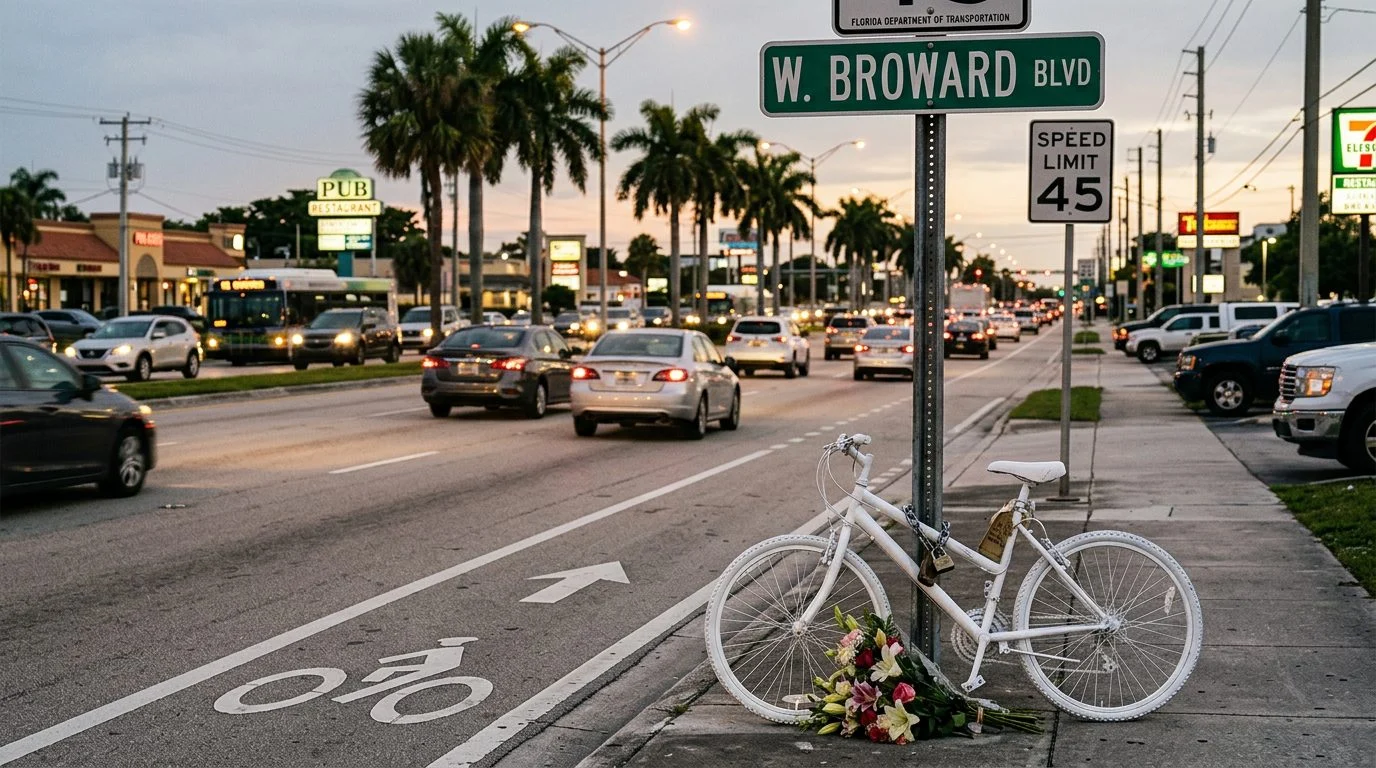
Coral Springs Bicycle Accidents | Florida
Hurt on Two Wheels in Coral Springs? Understand Your Options.
Plain-language answers for cyclists and families after a crash, from a Florida firm that handles bicycle accident claims for people across the state.
By CHG Lawyers · Published November 22, 2026
Coral Springs Bicycle Accidents: Florida Fault Rules and Your Next Steps
Your bike is on the pavement. A car has stopped. You are trying to figure out what comes next.
Fault depends on the facts. Florida still allows recovery if you were partly at fault. The one exception is if you were more than 50 percent at fault.
It also covers what to do in the days after a crash. It explains what families can do if a rider is killed.
If a bike crash has left you or someone you love facing injuries, bills, and insurance calls, you don't have to sort it out alone; reach out for a free, confidential consultation. Talk it through with our team — the first consultation is free, confidential, and carries no obligation.
Bicycle Accidents in Coral Springs: What Riders and Families Should Know
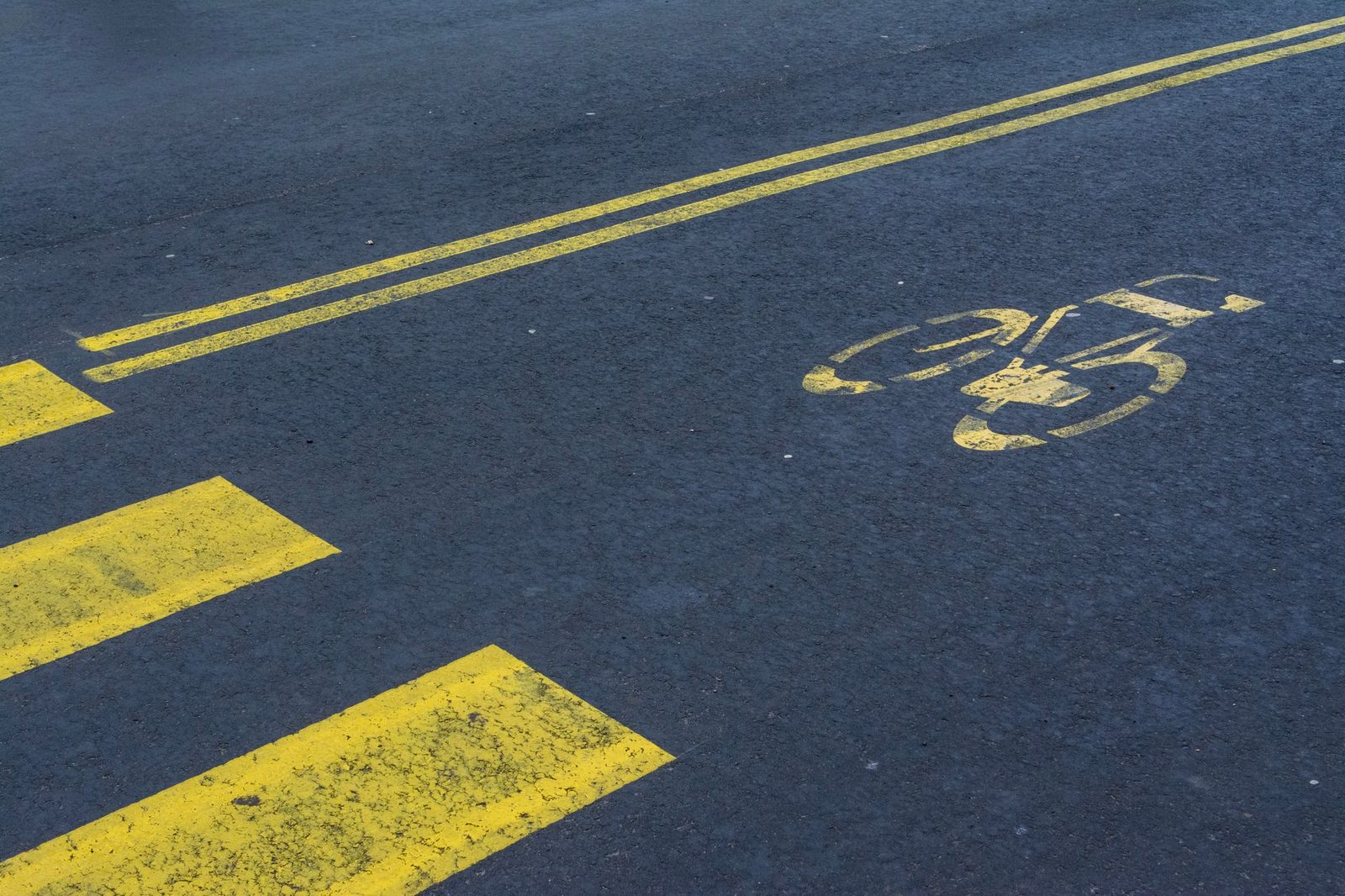
Coral Springs sits in Broward County. Cars, trucks, and SUVs share busy roads and intersections with people on bikes.
Riders commute, train, and run errands on those same streets. One wrong turn or one closed lane can change a ride in seconds.
Some crashes leave only scrapes and bruises. Others cause injuries that change a person’s life. These include traumatic brain injuries, spinal cord injuries, broken bones with long recovery, and amputations.
The spinal cord is protected by three layers of tissue and cerebrospinal fluid, according to NINDS.
Injured riders often ask whether the crash was their fault. Families usually ask this first. It is a fair question.
The answer depends on what each person did before the impact. It does not depend only on who was hit. This page covers the full range of harm, from minor injuries to fatal crashes.
Who Is at Fault When a Bike Hits a Car?
Florida treats a rider like a driver, so the same basic rules apply. Under § 316.2065, a person riding a bicycle has the same rights and duties as the driver of any other vehicle. A bicycle rule may say otherwise.
A rider going slower than normal traffic speed generally must stay in a bicycle lane. Fla. Stat. § 316.2065 reads: “(5)(a) A person operating a bicycle upon a roadway at less than the normal speed of traffic at the time and place and under the conditions then existing must ride in the bicycle lane or, if there is no bicycle lane on the roadway, as close as practicable to the right-hand curb or edge of the roadway except under any of the following situations: 1.” If there is no bicycle lane, the rider must stay as close as practicable to the right-hand curb or edge of the road.
The statute allows some exceptions. A rider may:
- Pass another bike or vehicle
- Prepare for a left turn at an intersection or into a private road or driveway
- Avoid a hazard when reasonably necessary, such as a bad road surface, a parked car, or a turn lane that makes it unsafe to stay at the right-hand curb or edge or within a bicycle lane
Many disputes start with these exceptions. The details of the moment matter.
Florida also divides fault by percentage. Under § 768.81, a court enters judgment against each liable party based on that party’s percentage of fault.
Evidence usually decides those percentages. Common evidence includes:
- Police reports
- Photos of the bike and the vehicle
- Witness statements
- Skid marks
- Damage patterns on each vehicle
Dash camera and nearby business video can also matter. Ask for footage early.
Can I still recover if I was partly at fault?
Yes, in many cases. In a negligence action to which this section applies, a party found greater than 50 percent at fault for their own harm may not recover any damages, but this subsection does not apply to an action for damages for personal injury or wrongful death arising out of medical negligence pursuant to chapter 766, so a party found not more than 50 percent at fault can still recover (Fla. Stat. § 768.81(6)).
Under § 768.81, in a negligence action to which this section applies, any party found greater than 50 percent at fault for his or her own harm may not recover any damages, but this does not apply to an action for personal injury or wrongful death arising out of medical negligence pursuant to chapter 766. Ch. 2023-15, Laws of Florida is cited for an effective-date rule, but § 768.81(4) states the section’s applicability limits: it “does not apply to any action brought by any person to recover actual economic damages resulting from pollution, to any action based upon an intentional tort, or to any cause of action as to which application of the doctrine of joint and several liability is specifically provided by chapter 403, chapter 498, chapter 517, chapter 542, or chapter 895.”
Partial fault is common in bike crashes. A driver may say the rider swerved. A rider may say the driver did not yield.
Each side’s account must be tested against the evidence. A clear account of the moments before the impact is very valuable.
Crash Reports, Fatality Data, and What South Florida Cases Show
South Florida news coverage shows that cars and SUVs still strike bicyclists on busy roads.
Local10 reported that a bicyclist was hit by a silver Toyota RAV4 at Coral Way and Southwest 72nd Avenue in west Miami-Dade in January 2024. The bicyclist died at the scene. That crash happened in Miami-Dade, not Coral Springs. It shows how quickly a ride can turn serious.
WFTV reported a Florida Highway Patrol statement. The statement called fatal bicyclist crashes “a huge issue here in Central Florida.”
TAPinto reported that Coral Springs police were still investigating a crash between a car and a motorcycle near Heron Bay.
Investigations take time. News stories and official crash reports can describe the same event differently. The official record matters most.
Which state has the highest number of bicyclist fatalities?
This page does not rank states. Rankings change from year to year and depend on the dataset used.
The National Highway Traffic Safety Administration publishes federal crash data that tracks fatal crashes by state and year. Check that source for current figures.
For a family in Coral Springs, the more useful question is often this: What happened on their street, and what records exist about it?
When a driver leaves the scene, Florida law sets firm duties. Under § 316.027, a driver in a crash on public or private property that results in any injury to a person, including serious bodily injury, or in the death of a person, must:
- Stop immediately at the scene, or as close as possible
- Stay until the required steps are done
Helmets and Safe Riding Rules in Florida
Under § 316.2065, not wearing a bicycle helmet may not be considered evidence of negligence or contributory negligence. Negligence means failing to use reasonable care. Contributory negligence means being partly at fault.
In plain terms, not wearing a helmet cannot be considered evidence of negligence or contributory negligence.
Does not wearing a helmet hurt my claim?
The statute says the helmet choice itself may not be treated as evidence of negligence. Other facts still matter. These include how the rider and the driver each acted before the crash.
Riders keep the same rights and duties as drivers under this chapter, except as to special regulations in this chapter and provisions that by their nature can have no application. Following traffic rules still counts.
Helmets are still a personal safety choice. Wearing one is still a sensible habit for every rider.
After a head, neck, or other injury, follow your doctors’ care plan. This is general information, not medical advice.
Steps to Take After a Bicycle Crash in Coral Springs
Get medical care first. Then report the crash and protect your evidence. Taking these steps early keeps your records complete.
- See a doctor, even if the injury seems minor. Follow the care plan you are given. Some injuries, including head injuries, may not show their full effects right away.
- Report the crash to police. Get the report number, the officer’s name, and the badge number.
- Take photos of the scene, your bike (including damaged parts), the vehicle, its license plate, and visible injuries. Note the time of day, the lighting, and the road conditions.
- Write down witness names and phone numbers while memories are fresh.
- Be careful with recorded statements and insurance calls before you talk with a lawyer. Insurers may ask questions designed to narrow fault.
Keep every bill, receipt, and letter about the crash. Also keep a simple log of missed work and daily limits caused by your injuries.
Under § 316.066, Florida requires the investigating officer to complete a long-form crash report for crashes that result in death, personal injury, or any indication of complaints of pain or discomfort by any of the parties or passengers involved. The officer must submit it within 10 days after the investigation is completed.
Parties and their legal representatives can access crash reports.
How long do I have to file a claim?
Florida generally gives two years for an action based on negligence. This comes from § 95.11. Under § 95.11(5)(e), wrongful death actions are within the two-year group, but under § 95.11(11), a wrongful death action seeking damages under s. 768.21 against a natural person for an intentional tort resulting in death from acts described in s. 782.04 or s. 782.07 may be commenced at any time.
Deadlines apply to claims other than for recovery of real property. They can run from different dates, depending on the facts. Contact the firm promptly. Do not wait for the insurance process to finish.
Not sure what your next step is?
Talk it through with our team — the first consultation is free, confidential, and carries no obligation.
Catastrophic Injuries and Wrongful Death in Bicycle Crashes
Some bicycle crashes cause life-changing injuries. Florida defines serious bodily injury as a physical condition that creates:
- A substantial risk of death
- Serious personal disfigurement
- Long-lasting loss or impairment of the function of a body part or organ
This definition comes from § 316.027. Each family’s situation is different. No two cases look the same.
What families should know if a bicyclist is killed
When another person’s wrongful act or negligence causes a death, Florida law allows the claim to go forward. This is true even though the injured person has died.
Under § 768.19, the person who would have been liable had the death not occurred remains liable for damages.
Losing someone is hard. Families often make difficult decisions at the same time.
Under § 768.21, each survivor may recover the value of lost support and services. Other survivors may recover the following, and each parent of a deceased minor child may also recover for mental pain and suffering from the date of injury:
- A surviving spouse may recover for loss of the decedent’s companionship and protection. The decedent is the person who died. A surviving spouse may also recover for mental pain and suffering.
- Minor children, and all children if there is no surviving spouse, may recover for lost parental companionship, instruction, and guidance.
- A survivor who paid medical or funeral expenses may recover those costs.
Marriage questions can come up in these cases. In Ripple v. CBS Corp. (May 9, 2024), the Florida Supreme Court held that the “marriage before injury” rule does not bar a surviving spouse’s recovery of damages under § 768.21(2).
Bring these questions to a lawyer early.
Families often must also make decisions about work, school, and care while grieving. Organizing records now can ease that load.
Keep notes of:
- Medical care
- Lost income
- Funeral bills
- Services a loved one provided at home, such as childcare, transportation, or household help
How CHG Personal Injury Lawyers Can Help After a Bicycle Crash
CHG Personal Injury Lawyers is a Florida-based personal injury firm. We handle bicycle accident cases for people across Florida. That includes Coral Springs, Broward County, and Miami-Dade communities such as Coral Gables.
Igor Hernandez, a lawyer admitted to The Florida Bar, is responsible for this page. Our lawyers and our team work with injured riders and families at every stage. We help from the crash report through settlement talks or, when needed, a lawsuit.
The firm charges no attorney’s fees and no case costs unless there is a recovery. The initial consultation is free, confidential, and carries no obligation to continue.
La consulta inicial es gratuita, confidencial y sin compromiso de continuar.
A matter may be referred to, or handled together with, another law firm.
You can share what happened. You can ask questions about the process. You can decide next steps with no pressure.
If a bike crash has left you or someone you love facing injuries, bills, or calls from an insurer, you do not have to sort it out alone. Contact CHG Personal Injury Lawyers to talk through your options.
Frequently Asked Questions
What should I do right after a bicycle accident in Coral Springs?
Get medical care right away, even if you feel okay. Follow your doctors’ instructions. If you can, report the crash to police. Photograph the scene and your bike. Write down witness names and the driver’s information.
How long do I have to file a bicycle accident claim in Florida?
Florida generally gives two years for an action based on negligence under § 95.11. Under § 95.11(5)(e), wrongful death actions fall within the two-year group. Deadlines apply to your situation, so contact the firm promptly.
Does Florida law say anything about bicycle helmets and fault?
Yes. Under § 316.2065, not wearing a bicycle helmet may not be considered evidence of negligence or contributory negligence. Helmets are still a personal safety choice.
Can I still recover compensation if I was partly at fault for a bicycle crash?
Under § 768.81, a party found greater than 50 percent at fault for his or her own harm may not recover any damages. Every crash is different. Contact the firm to discuss how this rule may apply to your situation.
Why Injured Riders Contact CHG Personal Injury Lawyers
Licensed Florida Attorneys
Our attorneys are licensed and admitted to practice law in Florida, and the firm represents clients throughout the state.
Every Severity of Injury
We take bicycle cases ranging from scrapes and fractures to serious, life-changing injuries and wrongful death.
Free, Confidential Consultation
The first consultation is free, confidential, and carries no obligation to continue.
No Fees Unless There Is a Recovery
The firm charges no attorney's fees and no case costs unless there is a recovery.
Practical First Steps After a Bicycle Crash
Get Medical Care
Seek treatment right away, even if you feel okay. Follow your doctors' instructions and keep every appointment.
Document the Scene
If you can, photograph the intersection, your bike, your injuries, and any damage to the vehicle involved.
Collect Witness Details
Write down names and phone numbers of anyone who saw the crash, and the driver's information if available.
Report the Crash
If possible, have the crash reported to police so there is an official record of what happened.
Be Careful With Insurance Calls
An insurance adjuster may contact you soon after a crash. Before you give a recorded statement or sign any paperwork, consider speaking with a lawyer first.