

Negligent Security | Shooting Injury
Shot on Someone Else's Property? The Owner May Be Liable.
When a property owner fails to provide reasonable security, they can be held responsible for injuries from violent crime. We help paralyzed victims and their families pursue claims against negligent property owners.
By CHG Lawyers · Published September 22, 2026
Paralysis from a Shooting: Negligent Security Claims Against Property Owners
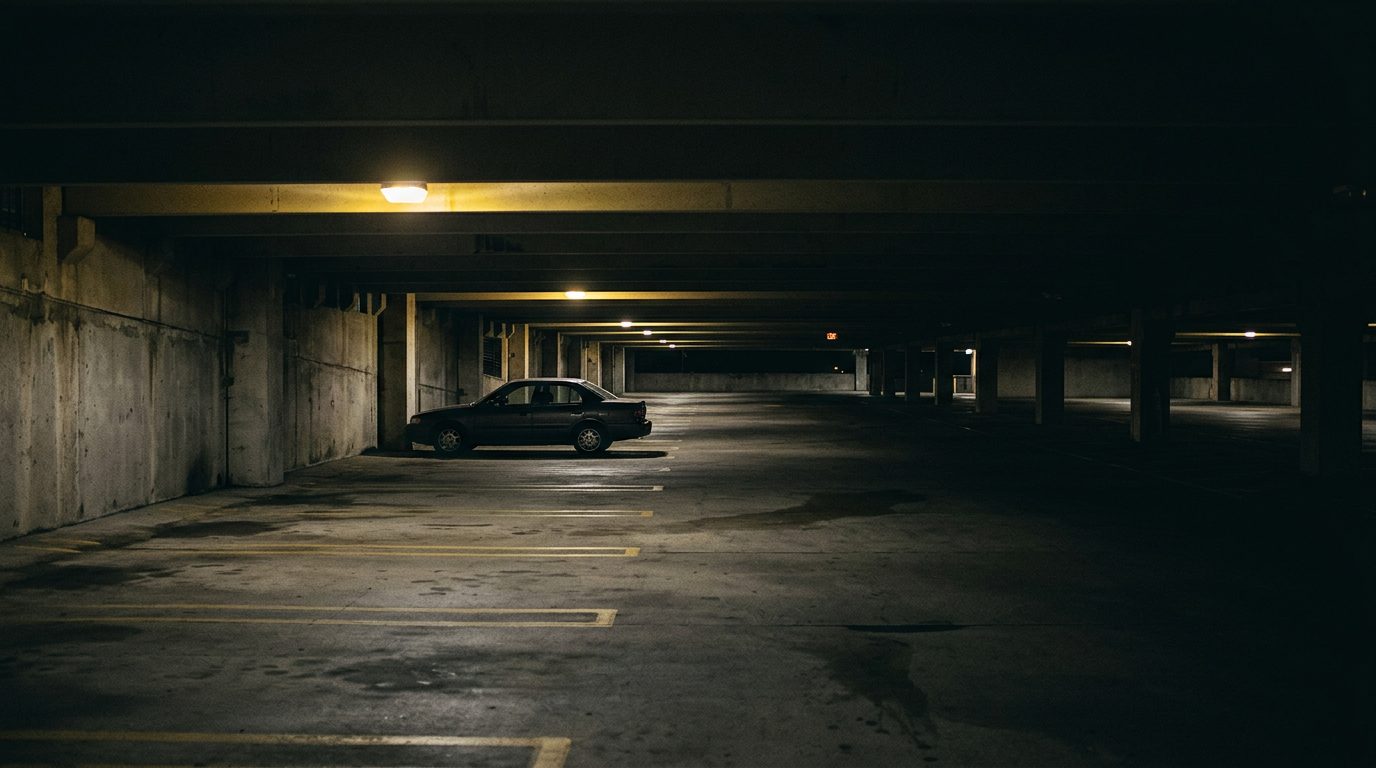
You were shot on someone else’s property. An apartment complex. A parking lot. A garage. A hotel. A bar. A gas station. A store. An ATM.
The property had broken locks. No lighting. No cameras. No security staff.
Now you’re paralyzed. The shooter is criminally responsible. But the property owner may also be legally liable through a civil claim called negligent security—separate from any criminal case.
This page explains how paralysis from shooting claims work, what they cover, and why pursuing one matters.
If you were shot and paralyzed anywhere in the United States, we can help. Talk it through with our team — the first consultation is free, confidential, and carries no obligation.
Paraplegia vs. Quadriplegia: How Gunshot Location Matters
Where the gunshot hit your spine determines your type of paralysis.
Paraplegia occurs when a gunshot damages your mid-back or lower-back spine. You lose function below the waist. Your legs and lower body are paralyzed. Your arms and hands still work.
Quadriplegia (also called tetraplegia) occurs when a gunshot damages your neck spine. You lose function below the neck. Your arms, hands, legs, and torso are all paralyzed. Quadriplegia is more severe and usually requires 24-hour personal care and breathing support.
A gunshot to the upper neck (C1–C4) may affect your ability to breathe on your own. A gunshot to the lower neck (C5–C8) may leave some arm function but still paralyze your legs and core.
According to the National Spinal Cord Injury Statistical Center (NSCISC), gunshot wounds cause about 12% of all spinal cord injuries in the United States. Severity depends on whether the bullet severs or partially damages the spinal cord and at what level.
Both paraplegia and quadriplegia are permanent. According to the Mayo Clinic, spinal cord injuries do not heal. Once nerve fibers are damaged by a gunshot, they do not grow back.
When a Property Owner Is Liable: Understanding Negligent Security
Property owners have a legal duty to protect visitors and residents from foreseeable harm—including violent crime.
If a property has a history of violence, sits in a high-crime area, or nearby properties experienced attacks, the owner should know violence is foreseeable. Reasonable security means working locks and gates, adequate lighting, security cameras, alarm systems, and trained security staff where appropriate.
When someone shoots you on a property with inadequate security, the owner can be held legally responsible if they failed to provide reasonable protection and the violence was foreseeable. This is a negligent security claim—a civil lawsuit against the property owner, separate from any criminal case against the shooter.
Paralysis from a gunshot is catastrophic and permanent. It affects your ability to work, care for yourself, move, and enjoy relationships.
The lifetime costs are substantial. According to the Christopher & Dana Reeve Foundation, lifetime costs for a person with paraplegia average $1.3 million to $4.6 million. For quadriplegia, costs can exceed $1.5 million to $5 million or more. This includes emergency care, hospitalization, surgery, rehabilitation, medications, medical equipment, home modifications, personal care attendants (often 24-hour), therapy, and psychological support.
A negligent security claim seeks to recover these costs from the property owner whose failure to provide reasonable security allowed the violence to occur.
What You Must Prove in a Negligent Security Claim
Negligent security is a legal theory that holds a property owner liable for injuries caused by crime on their property. The owner does not have to commit the crime. They are liable for their own negligence in failing to prevent it.
To win a negligent security claim, you must prove four things:
1. Duty: The property owner owed you a duty to provide reasonable security.
2. Breach: The owner failed to provide that security (broken locks, no lighting, no cameras, no security staff).
3. Foreseeability: The owner knew (or should have known) that violent crime was foreseeable. Evidence includes prior police reports of crime on the property, crime statistics for the neighborhood, or similar incidents at comparable properties.
4. Causation and damages: The lack of security directly caused or contributed to your injury. You suffered serious, permanent harm (paralysis).
Evidence of foreseeability includes: – Prior police reports of robbery, assault, or shooting on the property – Crime statistics for the neighborhood – Security audit reports – Witness testimony about prior incidents – Expert opinions from security professionals
If a parking garage had multiple robberies and shootings before yours, or if an apartment complex in a high-crime neighborhood had broken gate locks and no cameras, that evidence supports your claim.
What Does a Negligent Security Claim Cover?
Compensation in a negligent security claim includes:
- Emergency and ongoing medical care: surgery, hospitalization, rehabilitation, medications, imaging, specialist visits, and treatment of complications.
- Medical equipment and home modifications: wheelchairs, hospital beds, lifts, accessible bathrooms, ramps, elevators, and other equipment needed for daily living.
- Lifetime personal care: attendants to help with bathing, dressing, toileting, eating, mobility, and household tasks. Many people with paraplegia or quadriplegia require 24-hour care.
- Therapy and rehabilitation: physical therapy, occupational therapy, speech therapy, psychological counseling, and pain management.
- Lost income and earning capacity: wages lost during recovery and for life if paralysis prevents you from returning to work.
- Pain and suffering: compensation for physical pain, emotional trauma, loss of enjoyment of life, depression, anxiety, and the psychological impact of permanent disability.
- Loss of consortium: if you are married or in a committed relationship, your partner may recover damages for loss of companionship, intimacy, and support.
- Punitive damages: in cases where the property owner’s conduct was particularly reckless or negligent, you may recover additional damages to punish the owner and deter similar conduct.
- Wrongful-death damages: if the shooting was fatal, your family may pursue a wrongful-death claim for loss of life, funeral expenses, and loss of financial support.
How We Prove Property Owner Liability
Proving negligent security liability requires careful investigation and expert testimony. We gather:
- Crime data and police reports: prior incidents of violence on the property, police response records, and crime statistics for the area.
- Security audit reports: professional assessments of the property’s security measures (or lack thereof).
- Witness testimony: statements from people who knew the property, experienced prior incidents, or can testify about the neighborhood’s crime rate.
- Expert opinions: security professionals who can explain what reasonable security would have looked like and whether the property’s security was inadequate.
- Medical evidence: documentation of your paralysis, the cause of the spinal cord injury, your prognosis, and lifetime care needs.
- Life-care planning: expert calculations of the lifetime costs of your medical care, personal care, equipment, and support.
The goal is to show that the property owner knew (or should have known) that violence was foreseeable, failed to take reasonable precautions, and that failure directly caused or contributed to your injury.
If you were shot and left paralyzed on someone else's property because of inadequate security, you may have a negligent security claim . Talk it through with our team — the first consultation is free, confidential, and carries no obligation.
How a Negligent Security Claim Works: Step-by-Step
Step 1 – Free case evaluation: You contact us and speak with an attorney about what happened, where it happened, and the extent of your injuries. We ask about the property’s security and any prior incidents of violence.
Step 2 – Investigation: We investigate the property, gather police reports, crime data, security records, and witness statements. We may hire a security professional to evaluate whether the property’s security was reasonable.
Step 3 – Medical documentation: We work with your medical team to document your paralysis, the spinal cord injury, your prognosis, and the lifetime costs of care. A life-care planner may calculate future medical and care expenses.
Step 4 – Demand letter: We send a detailed demand letter to the property owner and their insurance company. It explains the negligent security claim, the evidence of liability, the severity of your injuries, and the damages you are seeking.
Step 5 – Negotiation: We negotiate with the insurance company to reach a settlement. Many negligent security cases settle before trial.
Step 6 – Litigation (if necessary): If settlement fails, we file a lawsuit, depose witnesses, exchange evidence, and prepare for trial.
Step 7 – Resolution: The case resolves by settlement or jury verdict. You receive compensation for your injuries and lifetime care costs.
Most negligent security cases settle, which means faster resolution and less uncertainty than trial.
Timeline and Statute of Limitations: Act Now
Investigation and case development typically take 2–6 months. Demand and negotiation take 1–3 months. If the case settles, you may receive compensation within weeks of reaching an agreement. If litigation is necessary, trial may take 1–3 years or longer depending on court schedules.
In Florida, the statute of limitations for negligence and personal-injury actions is 2 years from the date the cause of action accrues (Fla. Stat. § 95.11). This deadline is strict and cannot be extended. If you do not file a claim within 2 years, you lose your right to pursue compensation forever—regardless of the strength of your case.
If you were shot in another state, that state’s statute of limitations applies. Some states allow 3 years or more; others allow only 1 year. Do not delay. Contact us as soon as possible after your injury.
Why CHG Personal Injury Lawyers for Your Negligent Security Claim
Our firm focuses exclusively on catastrophic, permanent injuries like paralysis, quadriplegia, and paraplegia. We do not handle minor injuries or routine cases. Our attorneys are licensed in Florida and admitted to the Florida Bar.
We represent clients nationwide. If you were shot and paralyzed anywhere in the United States, we can help. We communicate in English and Spanish.
We have built relationships with security professionals, life-care planners, medical specialists, and other professionals essential to building a strong negligent security claim. We work on a contingency-fee basis, meaning you pay no attorney’s fee unless we recover compensation for you. You bear no financial risk. Clients may still be responsible for certain case costs, which we explain upfront.
We communicate in plain language, answer your questions, and keep you informed every step of the way.
Frequently Asked Questions
Can I sue the property owner if I was shot by a stranger?
Yes. The shooter is criminally responsible, but the property owner may be civilly liable if they failed to provide reasonable security and the shooting was foreseeable.
What if the property owner says they didn’t know violence was foreseeable?
We investigate prior incidents, crime statistics, and whether similar properties in the area have experienced violence to establish foreseeability.
What if I was trespassing when I was shot?
Property owners owe a duty of reasonable security to many people on the property, including trespassers in some cases. We evaluate your specific situation.
How much compensation can I receive?
Compensation depends on the severity of your paralysis (paraplegia or quadriplegia), your age, earning capacity, lifetime care costs, and the strength of the claim. Paralysis cases often result in substantial settlements or verdicts because of the catastrophic, permanent nature of the injury.
What if the insurance company denies my claim?
We pursue litigation and are prepared to take your case to trial if necessary.
How long do I have to file a claim?
The statute of limitations in Florida is 2 years from the date of the shooting (Fla. Stat. § 95.11). Contact us immediately.
Do I have to go to trial?
Most negligent security cases settle before trial, but we are prepared to take your case all the way if the insurance company refuses fair compensation.
Not sure what your next step is?
Talk it through with our team — the first consultation is free, confidential, and carries no obligation.
Why Paralysis from a Shooting Lasts a Lifetime
According to the Mayo Clinic, spinal cord injuries do not heal. Once nerve fibers in the spinal cord are damaged by a gunshot, they do not grow back. Paralysis is permanent.
Some recovery of function may occur in the first 6–12 months after injury. However, the loss of function below the level of the injury is typically permanent.
People with paralysis require ongoing medical care for life: management of pain, bladder and bowel function, skin care (to prevent pressure sores), respiratory support if needed, and treatment of complications like infections and blood clots. They also require personal care attendants to help with bathing, dressing, toileting, eating, mobility, and household tasks.
Is Pursuing a Negligent Security Claim Worthwhile?
Yes. A negligent security claim can result in substantial compensation that helps cover the catastrophic, permanent costs of paralysis. Property owners carry liability insurance, which means the insurance company (not the property owner personally) typically pays the settlement or judgment.
Pursuing a claim also sends a message to property owners that they must provide reasonable security to protect people from foreseeable violence.
We work on a contingency-fee basis, so there is no financial risk to you. Many people who were shot and paralyzed on unsafe property have successfully recovered compensation through negligent security claims.
If you were shot and left paralyzed on someone else’s property because of inadequate security, you may have a negligent security claim. The 2-year statute of limitations in Florida is strict. People in your situation can contact us to explore their options.
Contact us today for a free case evaluation.
Important: The Shooter and the Property Owner Are Different Defendants
The person who shot you is criminally responsible. But the property owner may be civilly liable—meaning you can sue them for damages—if they knew or should have known violence was foreseeable and failed to provide reasonable security measures like working locks, lighting, cameras, or security personnel.
What We Investigate in Negligent Security Cases
Prior Incidents on the Property
We obtain records of previous assaults, robberies, or shootings at the same location. A pattern of violence strengthens the claim that the owner should have foreseen the danger.
Crime Statistics for the Area
We examine neighborhood crime data and police reports to show whether violent crime was reasonably foreseeable at that specific location.
Security Measures (or Lack Thereof)
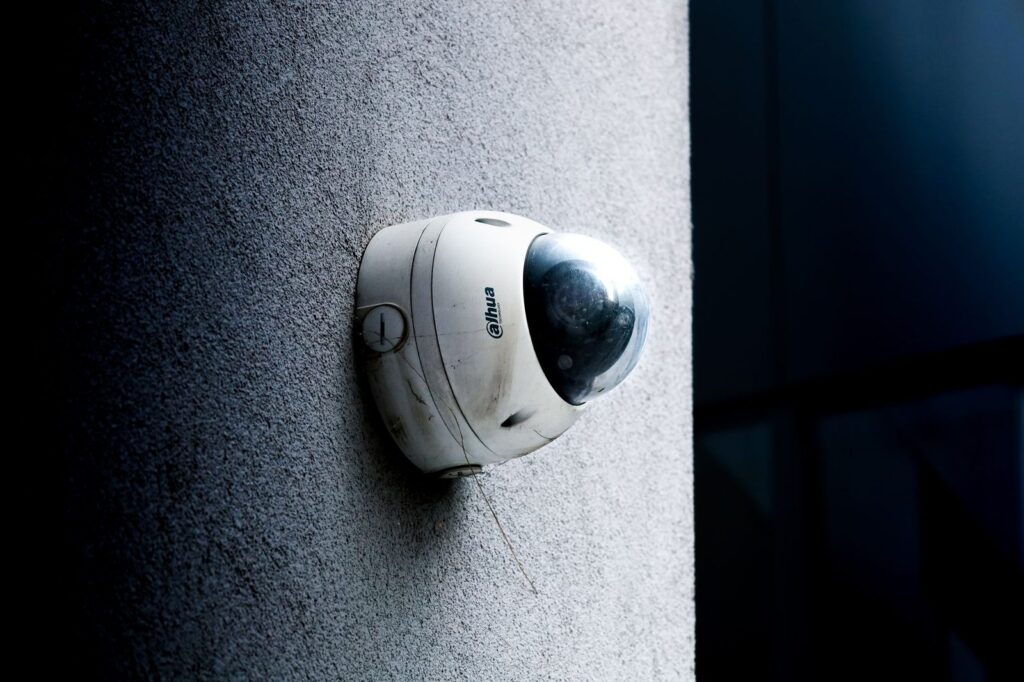
We document what security was—or wasn't—in place: broken locks, burned-out lights, no cameras, no guards, or inadequate access control.
Industry Standards and Duty of Care
We compare what the property owner provided against what a reasonable owner would have done to protect visitors from foreseeable harm.
Why CHG Personal Injury Lawyers Handles These Cases
Focus on Catastrophic Injuries
We focus exclusively on serious and life-altering injuries, including paralysis from spinal cord damage caused by shootings and other violent crime.
Thorough Investigation
We dig into property records, security footage, prior incident reports, and crime data to build a strong case against negligent owners.
National Reach, Local Knowledge
Compassionate Advocacy
We work with you and your family through every step, pursuing fair compensation for medical care, lost income, pain and suffering, and lifetime care needs.
Common Questions About Shooting and Negligent Security Claims
Can I sue the property owner if I was shot by a stranger?
Yes. The shooter is criminally responsible, but the property owner may be civilly liable if they failed to provide reasonable security and the shooting was foreseeable based on prior incidents or neighborhood crime.
What if the property owner says they didn't know violence was foreseeable?
We investigate prior incidents at the property, crime statistics for the area, and industry standards for security. This evidence often shows that the owner knew—or should have known—the risk was real.
What damages can I recover?
Compensation may include medical expenses, rehabilitation costs, lost wages, loss of earning capacity, pain and suffering, and the cost of lifetime care and assistance due to paralysis or other permanent injury.
How long do I have to file a claim?
Time limits vary by state and circumstance. Contact us immediately so we can review your case and ensure you meet all deadlines.