

Negligent Security · Florida & Nationwide
Attacked on Property: Is the Owner Responsible?
If you were assaulted, shot, or seriously hurt on someone else's property, the person who attacked you may not be the only one at fault. When an owner failed to provide reasonable security, they may share the blame.
By CHG Lawyers · Published July 20, 2026
Hurt in a Violent Attack on Unsafe Property: When the Owner May Be Responsible
Were you attacked on someone else’s property? The person who hurt you may not be the only one who owes you money. Sometimes a property owner failed to provide reasonable security. If that failure helped the attack happen, the owner or manager may share the blame for your injuries.
This page is for you or your family. Maybe you were assaulted, shot, stabbed, robbed, or sexually assaulted. Maybe it happened at an apartment complex, parking garage, hotel, bar, gas station, or store. And maybe you were left with a serious, permanent injury like paralysis or a brain injury. Below, we explain in plain words when a property owner can be held responsible. This is general information, not legal advice.
Not sure what your next step is?
Talk it through with our team — the first consultation is free, confidential, and carries no obligation.
You Were Attacked on Someone Else’s Property — Now What?
You survived something terrifying. Now your life may look completely different. Maybe a gunshot cut part of your spinal cord, and you can’t walk. Maybe repeated blows to the head left you with memory loss, seizures, or a personality your family says “isn’t you anymore.” These are the kinds of catastrophic, permanent injuries our attorneys handle.
Here’s what many people don’t realize. The place where the attack happened may have played a role too. Maybe the owner knew the property was dangerous but skipped basic safety steps. If so, they may share the blame — even though someone else pulled the trigger or threw the punch.
You don’t need to know any legal terms to keep reading. We’ll explain everything in everyday words.
When Can a Property Owner Be Responsible for an Attack?
An owner can be responsible when a violent crime was foreseeable. That means it could reasonably be expected. The owner must also have failed to provide reasonable security. Owners have a legal duty to take reasonable steps to keep people on their property reasonably safe.
That duty can include basic things like:
- Working locks, gates, and fences
- Enough lighting in parking lots, stairwells, and walkways
- Security cameras that actually record
- Security guards where the risk is high enough to need them
Say an owner ignores these basics. Then someone gets attacked as a result. The law may hold the owner responsible. Lawyers call this a negligent security claim. It’s sometimes called inadequate security. But you lived through it long before you ever heard the term.
A negligent security claim is a type of premises liability case. That means it’s about safety on someone’s property. You bring it against the property owner, landlord, or management company. It is completely separate from any criminal case against the attacker.
The criminal case is about punishing the attacker. Your civil claim seeks money for your medical bills, lost income, and other losses. It can move forward even if the attacker is never caught or convicted.
What Does “Foreseeable” Mean in These Cases?
“Foreseeable” simply means the owner reasonably should have expected a crime might happen there. If the danger was predictable, the owner can’t just look the other way.
Signs that an attack was foreseeable include:
- Past violent crimes on the property or nearby
- A location in an area with known crime problems
- Past complaints from tenants or customers about safety
- Broken locks, gates, or lights the owner knew about but never fixed
- Earlier warnings the owner ignored
Picture an apartment complex. The front gate has been broken for months. Tenants complained in writing. Cars were broken into. Then an intruder walks straight in and shoots someone in the parking lot. That kind of attack may have been foreseeable. A working gate and better lighting might have lowered the risk.
What You Have to Show to Hold an Owner Accountable
To hold an owner accountable, you generally must prove four things. These are the four basic parts of any negligence claim:
- Duty. The owner owed you a duty to take reasonable steps to keep you reasonably safe.
- Breach. The owner broke that duty by failing to provide reasonable security.
- Causation. That failure allowed the attack to happen, or made your injuries worse.
- Harm. You suffered real, serious injuries and losses because of it.
Every case turns on its own facts. A lawyer can review your situation and explain how these rules apply to you. This is general information, not legal advice.
Where These Attacks Commonly Happen
These attacks often happen where people expect basic safety but don’t get it. The type of property, and who controls it, can affect who may be responsible:
- Apartment complexes and rental housing — broken gates, locks that don’t work, poor lighting, no patrols
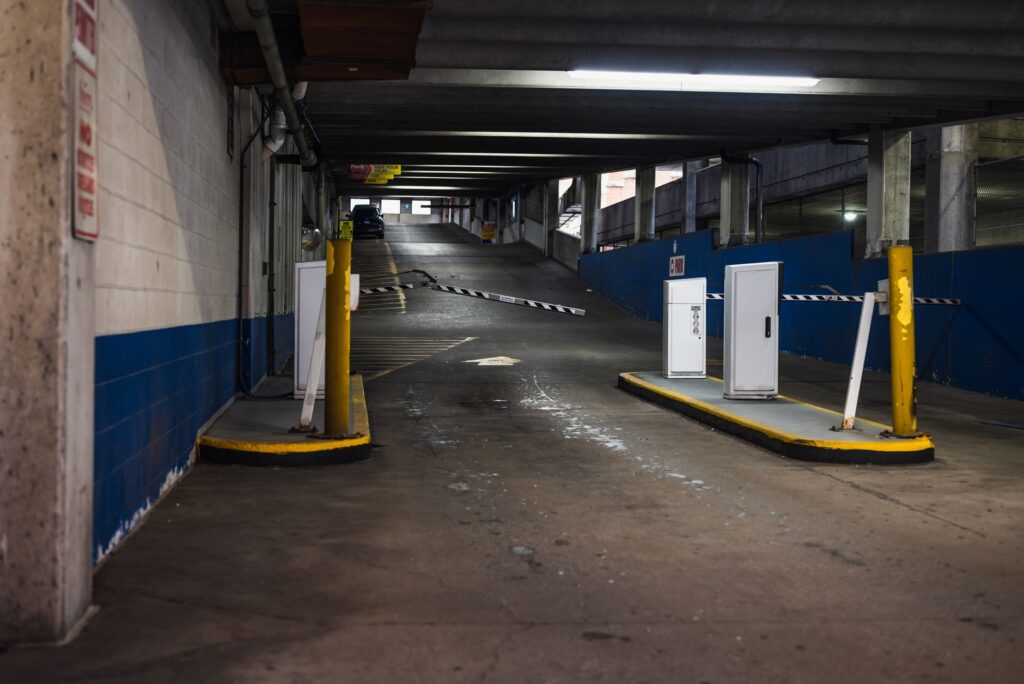
- Parking lots and garages — dark corners, no cameras, no attendant
- Hotels and motels — unsecured entrances, faulty room locks, no staff watching
- Bars, nightclubs, and restaurants — no crowd control, no trained security
- Gas stations, ATMs, and stores — poor lighting and no cameras in known trouble spots
The blame might fall on the owner, the landlord, a management company, or a business tenant. Sometimes more than one of them shares it. Sorting this out is part of building the claim.
Have questions about what happened?
Ask our team directly. The first conversation is free, confidential, and there is no obligation to continue.
How a Violent Attack Turns Into a Catastrophic Injury
Assault cases are often treated the same way. But the ones we handle share a hard truth. An attack that lasts seconds can cause a disability that lasts a lifetime. The type of injury usually drives the medical care — and the value of a claim.
- Paralysis (paraplegia or quadriplegia). A single gunshot or stab wound to the spinal cord can cause permanent loss of strength, feeling, and function below the injury. This is according to Mayo Clinic. It lists acts of violence — including gunshot and knife wounds — among the leading causes. Doctors rate how severe it is using the ASIA Impairment Scale from the American Spinal Injury Association. Long-term national data is tracked by the National Spinal Cord Injury Statistical Center.
- Traumatic brain injury (TBI). A beating, a stomping, or a fall during an attack can cause bleeding, swelling, and lasting changes in thinking and behavior.
- Amputation and limb loss.
- Severe burns — for example, from an attack involving fire or an accelerant (a fuel used to spread flames).
Paralysis is more common than many people think. The Christopher & Dana Reeve Foundation reports that nearly 1 in 50 people in the U.S. — about 5.4 million — live with some form of paralysis.
The costs stretch across a lifetime. They include emergency surgery, rehab, and ongoing medical care. They also include lost income, lost earning power, wheelchairs, and home changes like ramps and wider doorways. And there’s the emotional toll on the whole family. Documenting the full extent of this harm matters. It shapes what a claim is truly worth.
Are you dealing with a spinal cord injury? Our paralysis, paraplegia, and quadriplegia resource explains more about these injuries and your rights.
Answers to Common Questions
Can I sue a property owner for an assault that happened on their property? In the right situation, yes. Say the owner failed to provide reasonable security and the attack was foreseeable. You may then have a negligent security claim against them. This is separate from any criminal case against the attacker.
Is the owner automatically responsible just because I was hurt there? No. Owning the property isn’t enough. You generally must show the owner owed a duty, broke it by failing to provide reasonable security, and that this failure caused foreseeable harm.
What if I was partly at fault, or was breaking a rule myself? Florida uses a modified comparative-negligence rule under Fla. Stat. §768.81. This rule reduces your money based on your share of the blame. A person found more than 50% at fault for their own harm generally recovers nothing. A smaller share of fault can reduce your recovery. Talk to a lawyer about your facts before assuming you don’t have a case.
How long do I have to file a claim in Florida? For most negligence claims arising on or after March 24, 2023, the deadline is two years under Fla. Stat. §95.11. Deadlines can vary with the facts. So it’s important to act quickly and get legal advice.
What to Do After an Attack on Unsafe Property
The most important step is to get medical care right away. Then follow through with treatment. Your health comes first. Your records also document what happened.
Then, if you’re able:
- Report the attack to the police and keep the report number.
- Report it to the property owner or manager, in writing if possible.
- Photograph the scene — broken locks, dark areas, missing or fake cameras, damaged gates.
- Write down the names and numbers of any witnesses.
Move fast on evidence. Security camera footage is often erased within days. Incident reports can be hard to get later. Once that proof is gone, it’s hard to recover.
Finally, be careful with insurance companies. Don’t sign anything or give a recorded statement before you understand your rights.
How CHG Personal Injury Lawyers Can Help
Our firm focuses on catastrophic, life-altering injuries. We represent victims of violent attacks on unsafe property. We understand how devastating paralysis, brain injuries, amputations, and severe burns are for an entire family.
Our attorneys are licensed and admitted to The Florida Bar. We serve clients in Miami, Orlando, Tampa, and Jacksonville. We also handle cases nationwide. We offer bilingual support in English and Spanish, so language is never a barrier.
You don’t need to know any legal terms to talk with us. We’ll listen, explain your options in plain words, and treat you and your family with respect.
Were you or a loved one attacked and seriously hurt? Contact us for a free, no-obligation case evaluation. We can’t promise any particular outcome. But we can help you understand your rights. And we can help you learn whether a property owner may share the blame.

Want to know where you stand?
Tell us what happened and our team will walk you through the options available to you, at no cost.
Related practice areas
You may have a claim against the property owner
When a business, landlord, or manager fails to provide basic safety measures — working locks and gates, lighting, cameras, or security guards — and a violent attack causes catastrophic injury, the law calls this negligent security. You don't need to know the legal term to have a case. If this sounds like what happened to you, talk to a licensed attorney.
Where These Attacks Happen
Apartments & Complexes
Broken gates, missing lighting, or ignored security concerns can leave residents and visitors exposed to assaults, break-ins, and shootings.
Parking Lots & Garages
Poor lighting, no cameras, and no patrols in a lot or garage can create conditions where robberies and violent attacks happen.
Hotels, Bars & Clubs
Businesses that draw crowds may need trained security. When they cut corners, guests and patrons can be seriously harmed.
Stores, Gas Stations & ATMs
A known-dangerous location with no reasonable safety measures can leave customers vulnerable to assault or shooting.
What We Look At in These Cases
History of the Property
Were there prior crimes or warnings at that location that the owner knew about — or should have known about?
Missing or Broken Security
We examine locks, gates, lighting, cameras, and whether guards were present or promised but not provided.
The Connection to Your Injury
We work to show how the security failure helped the attack happen and caused your catastrophic, life-altering injuries.
Who Shares Responsibility
More than one party may be liable — an owner, a management company, or a security contractor.
Why Families Turn to CHG Personal Injury Lawyers
Licensed Attorneys
Our attorneys are admitted to The Florida Bar and represent injured people and families.
Focused on Catastrophic Injuries
We concentrate on serious, permanent injuries — paralysis, traumatic brain injury, amputation, severe burns, and wrongful death.
Bilingual Support
We publish and communicate in English and Spanish so you understand every step.
Nationwide Reach
Based in Florida and serving Miami, Orlando, Tampa, and Jacksonville, we take catastrophic cases across the country.