

Negligent Security · Florida & Nationwide
Paralyzed in a Shooting: Is the Property Owner Liable?
If you or someone you love was shot and left paralyzed on someone else's property, the owner who ignored a known danger may share the blame. We help you understand your options.
Serious Injuries. Serious Representation.
Catastrophic
Focused only on life-altering injury claims
Nationwide
Florida-based, cases handled across the U.S.
Licensed
Florida Bar–admitted attorneys
Bilingual
English & Spanish resources
By CHG Lawyers · Published August 02, 2026
Paralyzed in a Parking-Garage or Apartment Shooting? When the Property Owner May Share Fault
Were you or someone you love shot and paralyzed on someone else’s property? The shooter may not be the only one at fault. Sometimes better security could have stopped the attack. When the property owner failed to provide it, that owner may share the blame.
This page explains how that works, in plain language. You will learn who can be held responsible. You will learn why a shooting paralysis injury lasts a lifetime. And you will learn the steps your family can take right now.
Not sure what your next step is?
Talk it through with our team — the first consultation is free, confidential, and carries no obligation.
You may not be limited to suing the shooter
You went to an apartment complex, a parking garage, a hotel, a gas station, or a store. Someone opened fire. Now you or your family member lives with paralysis, and everything has changed.
Here is the fear that keeps people up at 2 a.m. Maybe the shooter was never caught. Or the shooter has no money to pay for a lifetime of care. If the only person you can sue vanished or has nothing, where does that leave you?
It may not leave you with nothing. A second party may also share the blame. That could be the property owner or the company that manages the property.
Lawyers call this kind of claim negligent security. It is a type of premises liability — the rule that says property owners must keep their property reasonably safe. You did not need to know those terms to be hurt. You do not need to know them now. We will walk through the plain-language version.
Why a shooting paralysis injury lasts a lifetime
A gunshot to the spine can cause permanent paralysis. That means you lose movement and feeling that never fully come back. That is why these cases carry such high stakes.
When a bullet damages the spinal cord, the body can lose movement and feeling below the injury. How bad the loss is depends on where the cord is damaged. It also depends on whether the injury is complete or incomplete, per the Mayo Clinic.
An injury high on the spine, in the neck, can affect the arms, trunk, and legs. This is often called quadriplegia (also tetraplegia). A lower injury may affect the legs and lower body. This is called paraplegia. Doctors grade these injuries using the standard ASIA Impairment Scale from the American Spinal Injury Association.
The daily reality is hard. Spinal cord injuries can cause long-term problems with bladder and bowel control, breathing, circulation, and skin health, per the Mayo Clinic.
The costs are huge. According to the National Spinal Cord Injury Statistical Center, the estimated average lifetime cost for a person injured at age 25 ranges from about $1.4 million for lower-level paraplegia to more than $5.4 million for high tetraplegia. Those figures do not even include lost wages. That is why a claim matters so much for the injured person and their family.
Can a property owner really be held responsible for a shooting?
Sometimes — even though someone else pulled the trigger. But it is not automatic.
An owner is not responsible just because a crime happened on their land. The law does not make owners cover every crime. An owner may be responsible only if they failed to take reasonable steps. Those steps must protect people from a danger the owner knew about, or should have known about.
The claim is not that the owner committed the crime. It is that the owner’s choices left people open to a danger that could be seen coming.
“Foreseeable” — the heart of every one of these cases
A crime is “foreseeable” when the owner knew, or should have known, that violence was a real risk at that spot. This is usually the main fight in a shooting claim. It is often proven through the property’s own history:
- Past shootings, assaults, or robberies at the same property
- A pattern of 911 calls or police reports at or near the location
- A known high-crime area the owner ignored
- Warnings from tenants, guests, or employees that got no response
- Ongoing drug or gang activity the owner did nothing about
Here is a reality most competing pages skip: states measure foreseeability very differently. Florida and California courts weigh the “totality of the circumstances.” That means all the facts about the property and its surroundings.
Other states use a stricter “prior similar incidents” test. This test looks closely at earlier crimes at the exact address. A few states use a balancing test. It weighs the cost of adding security against the risk.
So the same facts can win in one state and lose in another. CHG Personal Injury Lawyers takes catastrophic cases nationwide. We review the location’s history under the rule for the state where the shooting happened.
What “reasonable security” can look like
“Reasonable security” means the basic, common-sense safety steps a careful owner would take against a known risk. What counts as reasonable depends on the property and the danger. In everyday terms, it can include:
- Working locks, gates, and controlled entry — especially at apartments and garages
- Enough lighting in parking lots, stairwells, and walkways
- Cameras that actually work and actually record
- Guards or patrols where the risk is high enough to justify them
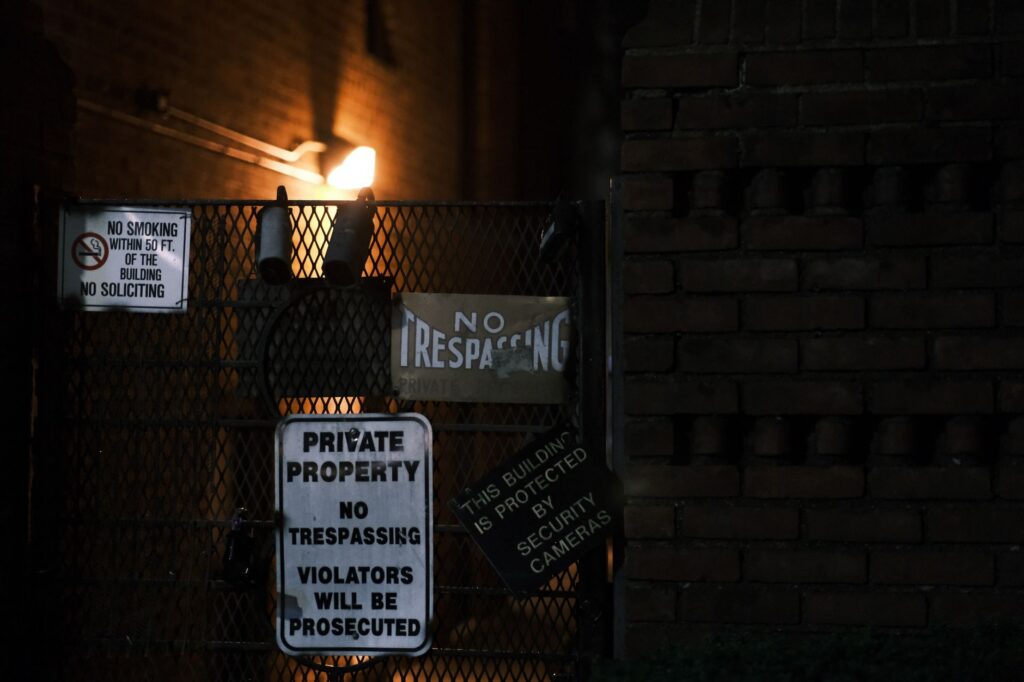
A negligent security claim looks at what was missing or broken. Was the gate propped open for months? Were the cameras fake, or switched off? Did the lease promise a guard who never existed?
The question is not whether the property was perfectly safe. No property is. The question is whether reasonable steps could have prevented or reduced the attack.
Have questions about what happened?
Ask our team directly. The first conversation is free, confidential, and there is no obligation to continue.
Where these shootings often happen
These attacks tend to happen where many people gather and security is easy to neglect. The type of property does not decide the case. The owner’s failure does. We see negligent security claims tied to shootings at:
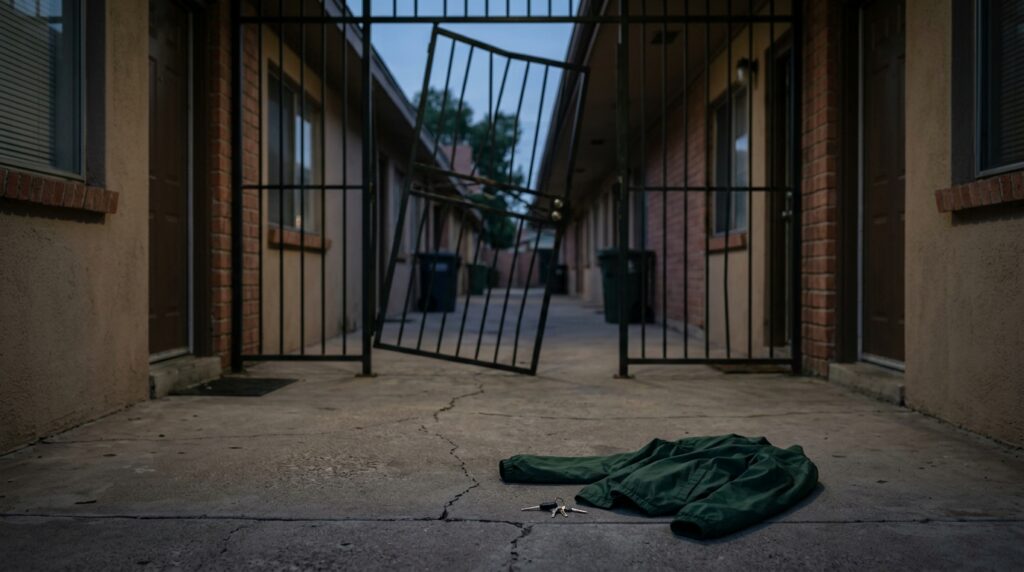
- Apartment and condo complexes with broken gates or no security
- Parking garages and lots at malls, offices, hotels, and events
- Hotels and motels with poor lighting or no controlled access
- Bars and nightclubs, gas stations, convenience stores, and ATMs
Did your attack happen somewhere like this? That does not automatically mean you have a claim. But it is exactly the kind of situation worth reviewing.
Are these cases hard to win?
These are serious cases. They need strong evidence, and every outcome depends on the specific facts. No honest attorney can promise a result. Be careful with any firm that advertises a win rate or calls itself “the best.” Those claims are exactly what the Bar’s rules restrict.
What we can explain is what usually matters. First, proof of foreseeability — the property’s crime history. Second, proof that the missing security had a real link to the attack.
Acting early matters for a practical reason: evidence disappears fast. Security footage is often recorded over within days or weeks. Witnesses move. Prior-crime records take time to pull and study.
An experienced attorney moves quickly. We investigate the security history. We send a preservation letter demanding footage before it is erased. We review police records for the location. You can read more on our negligent security and catastrophic injury claims pages.
What a claim can help a paralyzed victim and family recover
A successful claim can help pay for the lifelong costs a shooting paralysis injury creates. We cannot promise any amount. But we can name the types of loss these cases address:
- Past and future medical care, surgery, and rehabilitation
- Long-term attendant care and in-home help
- Lost wages and lost future earning ability
- Home and vehicle changes and assistive equipment
- Pain, suffering, and loss of quality of life
One rule can change everything. Florida follows a modified comparative-negligence standard under Fla. Stat. §768.81. This means a person found more than 50% at fault generally recovers nothing. Other states use “pure” comparative negligence. A few still apply harsh contributory-negligence rules that can block recovery for even slight fault. This is another reason your facts should be reviewed under the correct state’s law.
When a shooting is fatal, the loss is the most catastrophic of all. A surviving family may be able to bring a wrongful-death claim against a property owner whose failure to provide reasonable security allowed the attack. We handle those claims with dignity, centered on the family left behind.
Deadlines: the clock is already running
Every state limits how long you have to file. Missing the deadline can end an otherwise strong case. In Florida, the deadline for a general negligence claim is generally 2 years for causes of action that started on or after March 24, 2023, under Fla. Stat. §95.11. Other states set their own deadlines — some shorter than you would expect. Beyond the legal deadline, the evidence itself fades fast. The sooner an attorney can act, the more can usually be preserved.
Want to know where you stand?
Tell us what happened and our team will walk you through the options available to you, at no cost.
Talk to a catastrophic-injury attorney about your situation
Being paralyzed in a shooting on someone else’s property changes your life and your family’s future. You deserve real answers about whether the property owner shares the blame.
CHG Personal Injury Lawyers is a team of licensed attorneys admitted to The Florida Bar. We take catastrophic-injury cases nationwide. We help people understand who may be responsible when the shooter is not the only one at fault.
We offer a free, no-obligation case evaluation. We can help you in English or Spanish (en inglés o español). If you can do only one thing today, make it a two-step move. First, write down everything you remember about the property’s security — gates, lights, cameras, guards. Second, reach out before footage is overwritten. We cannot guarantee any outcome — no honest firm can. But we will review the facts and explain whether a claim may exist.
Request your free case evaluation to protect your rights and preserve the evidence that matters.
Frequently Asked Questions
Can a property owner be held responsible for a shooting on their property?
Sometimes. An owner may share the blame if they failed to provide reasonable security against a foreseeable danger. This is true even though someone else fired the gun.
Who can I sue if the shooter was never caught or can’t pay?
You may still have a negligent security claim against the property owner or management company. It does not depend on catching the shooter or getting money from them.
What does “foreseeable” mean in a shooting claim?
A crime is foreseeable when the owner knew, or should have known, that violence was a real risk. This is often shown by prior crimes, 911 calls, or ignored warnings. States measure it differently, so where the shooting happened matters.
Can I sue an apartment complex after a shooting?
Possibly. Maybe a complex had broken gates, no lighting, disabled or fake cameras, or a history of violence it ignored. If so, the owner may share the blame.
How long do I have to file a claim after being shot on someone’s property?
Every state sets its own deadline. In Florida, the general negligence deadline is usually 2 years for claims starting on or after March 24, 2023, under Fla (Fla. Stat. § 95.11(5)(a)). Stat. §95.11.
Can my family file a claim if a loved one died in the shooting?
Yes. A surviving family may be able to bring a wrongful-death claim against a property owner whose failure to provide reasonable security allowed a fatal attack.
The shooter isn't the only person who may be responsible
Even when the person who fired the gun is never caught or has no money to pay, you may still have a claim against the property owner whose failure to provide reasonable security allowed a foreseeable attack to happen. Talk to a lawyer before assuming there is no case.
Signs a Property Owner May Share the Blame
A known, foreseeable danger
Prior shootings, robberies, or violent crime at the location — or in the immediate area — that the owner knew about or should have known about.
Missing or broken security
No working gates or locks, burned-out or absent lighting, broken or fake cameras, or promised guards who were never there.
A link between the two
Reasonable security measures might have prevented or reduced the attack. In plain terms: the gap in security helped make the harm possible.
Common Questions After a Shooting Injury
Can the owner be held responsible?
Sometimes. An owner may share the blame if they failed to provide reasonable security against a foreseeable danger — even though someone else fired the gun.
What if the shooter was never caught?
You may still have a negligent security claim against the property owner. This kind of case does not depend on identifying or collecting from the shooter.
Where do these cases happen?
Apartment complexes, parking lots and garages, hotels and motels, bars and nightclubs, gas stations, stores, and ATMs — anywhere an owner failed to keep the property reasonably safe.
What is 'negligent security'?
It is the legal term for a property owner's failure to provide reasonable protection against foreseeable crime. If that failure led to your injury, you may have a claim.