
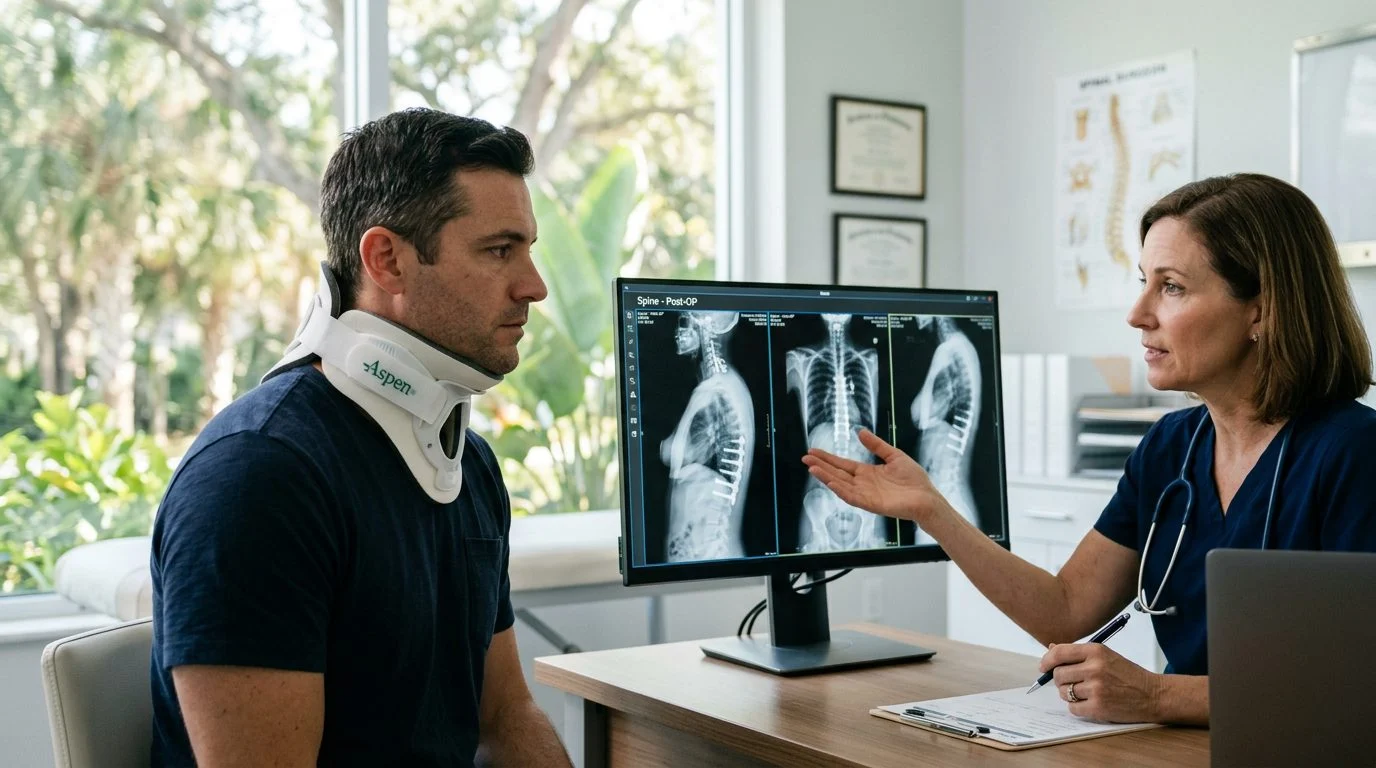
Paralysis Claims | Serving Florida
Paralysis After an Accident? Learn Whether You Can Pursue a Claim
A serious injury changes daily life for the whole family. Here is a plain-language guide to the questions Florida families ask first.
By CHG Lawyers · Published November 28, 2026
Can I Claim for Paralysis After an Accident in Florida?
Can I claim for paralysis after an accident? When a loved one cannot move or feel part of their body after a crash, this question comes up fast. In many cases, the answer is yes. Whether a claim exists depends on how the accident happened and what caused the injury.
This page explains general principles and the medical terms you may hear. It is not medical advice. Please follow the care plan your doctors give you.
If you are caring for someone now and want to understand your options, contact our team today. Talk it through with our team — the first consultation is free, confidential, and carries no obligation.
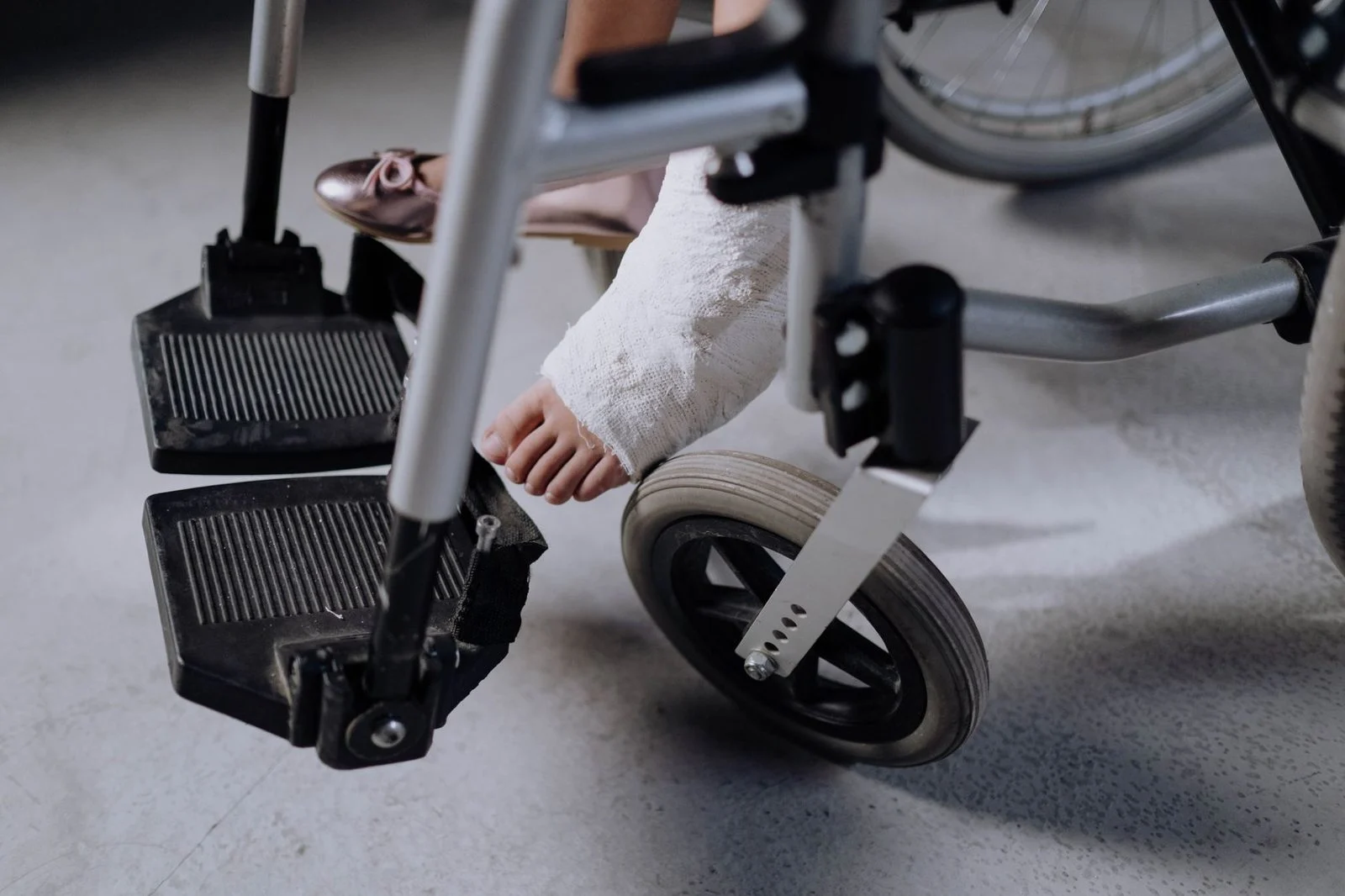
Can I Claim for Paralysis After an Accident in Florida?
You may be able to file a claim. This is true if someone else’s carelessness caused both the accident and the paralysis.
Florida injury claims rest on one core idea. Another party failed to use reasonable care. That failure caused real harm.
Paralysis can follow these accidents:
- Car and truck crashes
- Motorcycle, ATV, and bicycle accidents
- Slip and falls
- Construction zone accidents
In each case, three questions shape the claim:
- Who was at fault?
- How did the accident happen?
- What do the medical records show?
Two questions usually matter most early on. The first is whether the other party’s fault can be shown. The second is whether the injury is likely to be lasting. Both come up again below.
This page is written by Igor Hernandez, a lawyer with CHG Personal Injury Lawyers, a Florida-based firm. Our lawyers handle personal injury cases of every severity. That includes everyday accidents and catastrophic injuries such as paralysis.
What Is Paralysis, and What Is a Quadriplegic?
Paralysis means losing the ability to move a part of the body. Often, it also means losing the ability to feel that part.
It usually happens when the nerves that carry messages between the brain and the body are damaged. This most often happens in the spinal cord.
Doctors use the word paraplegia for paralysis that mainly affects the legs and the lower trunk. A quadriplegic, also called a person with tetraplegia, has paralysis that affects the arms, the trunk, and the legs.
Where the injury sits on the spine matters. It helps doctors describe which movement and feeling are lost. A higher injury in the neck usually affects more of the body than a lower injury in the back.
Doctors also decide whether paralysis is complete or incomplete:
- Complete means no movement or feeling below the injury.
- Incomplete means some movement or feeling remains.
They confirm this through clinical testing and imaging, such as scans. Imaging means pictures of the inside of the body.
For a claim, these labels matter. They appear in medical records. Those records often become the main proof of what the injury is. They also show what daily life now requires.
What Is Spinal Shock?
Spinal shock is a temporary loss of reflexes and function below the site of a spinal cord injury. Reflexes are automatic body responses, like a knee jerk. Spinal shock starts right after the injury. It can make the injury look more complete than it really is.
Because of spinal shock, doctors often wait and test again over days and weeks. Early exams are a starting point. They are not a final picture. That is one reason early guesses about recovery are often unreliable.
Families should not try to judge in the first days or weeks whether paralysis will last. That judgment belongs to the medical team. The medical team tracks changes over time.
If people ask early how permanent the injury is, it is fine to say the doctors are still evaluating. Ask your doctors to explain their findings directly. Write down what they say, with dates.
What Are the Symptoms of a Spinal Cord Injury?
Common warning signs include:
- Inability to move the arms or legs
- Numbness or tingling
- Loss of bladder or bowel control
Any of these after a crash or fall needs prompt medical care.
Other signs include:
- Trouble breathing
- Severe neck or back pain
- Loss of balance or coordination
- Weakness that gets worse over time
Some people notice a change in feeling in one part of the body.
If a spine injury is possible, call emergency medical services right away. Trained responders should handle the person’s neck and back.
Bystanders should avoid moving an injured person. The exception is when staying put puts them in danger. Moving a neck or back the wrong way can cause more harm.
Symptoms may not show up right away. Report any new numbness, weakness, or pain to a doctor promptly. Do this even if it seems minor. Keep every visit note, discharge paper, and bill. These records show what was reported and when.
What Is the Prognosis for a Spinal Cord Injury?
A prognosis is a doctor’s estimate of how a condition is likely to change over time. For a spinal cord injury, it is an estimate. It is not a fixed answer.
Doctors base it on several things:
- The injury’s location and severity
- The person’s overall health
- How the body responds during treatment
Outcomes vary widely. Some people regain part of their movement or feeling over months or years. For others, paralysis is long-term.
A first estimate can change. The body heals. The person also works through rehabilitation. Rehabilitation is structured therapy that rebuilds strength and skills. The medical team’s ongoing assessments matter more than any early forecast.
Long-term needs often include:
- Therapy
- Equipment such as wheelchairs
- Home changes like ramps or accessible bathrooms
- Bladder and bowel care
- Protection against pressure sores, which are wounds caused by long periods of pressure on the skin
Families who keep a written record of these needs from the start can show what daily life now requires.
Not sure what your next step is?
Talk it through with our team — the first consultation is free, confidential, and carries no obligation.
Paralysis Claim vs. Social Security Disability: Two Different Processes
Many families hear the word “disability.” They assume a Social Security claim and a lawsuit are the same thing. They are not. They are separate processes with separate rules.
A Social Security disability claim asks whether a person can work. Federal law has its own definition of “disability” for Social Security disability benefits. The agency applies it through a five-step evaluation process.
The core test asks whether the person can do substantial gainful activity. The inability must come from a medically determinable impairment. This is a condition a doctor can diagnose. Or it must have lasted, or be expected to last, at least 12 months in a row (20 C.F.R. § 404.1505).
Unless the impairment is expected to result in death, this duration requirement must be met. 20 C.F.R. § 404.1509 reads: “Unless your impairment is expected to result in death, it must have lasted or must be expected to last for a continuous period of at least 12 months.”
Those timelines govern the benefits decision. A lawsuit follows Florida’s filing deadlines, discussed below. That is true at whatever stage a benefits claim has reached.
Ask a lawyer how the two fit together in your family’s situation.
Florida Law and How a Paralysis Claim Works
Negligence means carelessness that falls below reasonable care. The questions are these. Did someone fail to use reasonable care? And did that failure cause harm?
To make that claim, the injured person generally must show four things:
- The other party owed a duty of care.
- That party broke the duty.
- Causation and damages: the other party’s breach of that duty caused the injury, and the injured person suffered actual losses as a result, such as medical bills, lost income, or pain and suffering.
- Injured people generally seek compensation for losses such as medical bills and time away from work.
Fault is weighed by percentage. Each party’s share of responsibility matters to what can be recovered. Florida’s fault rules are a key part of every claim.
Florida also has a 50 percent rule. Under Florida’s 2023 change to its negligence laws, a claimant who is more than 50 percent at fault for their own harm recovers nothing. Except as otherwise expressly provided in this act, this act shall apply to causes of action filed after the effective date of this act (Ch. 2023-15, Laws of Fla.).
Car and truck crash cases can also involve Florida’s no-fault insurance system. That system affects how early medical bills are handled.
Whether a particular injury meets the legal test for a claim depends on the medical records and the facts of the crash.
What Compensation Can a Paralysis Claim Cover?
Categories may include:
- Past and future medical bills
- Therapy and rehabilitation
- Wheelchairs and other equipment
- Home and vehicle changes
- In-home help
- Lost wages and lost ability to earn
- Pain and suffering
Records of medical bills help document the money side of a claim. Records of what was actually paid for treatment help too.
Medicare and Medicaid: Raise Repayment Early
If the injured person is older or has Medicare, raise it with your lawyer at the very first conversation.
Medicare may have made conditional payments for accident-related care. These are payments Medicare made first. They may need to be repaid from a recovery.
Under the CMS secondary payer overview, CMS is the Centers for Medicare & Medicaid Services. CMS runs both programs. When a person with Medicare was in an accident involving no-fault or liability insurance, that insurance pays first.
CMS can pursue recovery from a primary payer (42 C.F.R. § 411.24). A primary payer is the insurer that pays first. Do not wait until the settlement stage.
Medicaid works differently, but it also matters. To assign rights means to hand over the right to collect that money. For an individual who has the legal capacity to execute an assignment for himself, assigning rights is a condition of eligibility for medical assistance under the State plan. The state keeps the part of any collected amount needed to repay its medical assistance payments, with appropriate reimbursement of the Federal Government, and the remainder is paid to the individual. 42 U.S.C. § 1396k
Give your lawyer the names of every health plan. Include Medicare or Medicaid numbers and the dates of care. That way, these interests can be identified early.
Auto Insurance and Wrongful Death
Auto insurance may include personal injury protection (PIP). PIP can help pay certain early bills after a crash. Coverage terms depend on the policy.
When a loved one dies, the family may have a wrongful death claim under Florida law. A wrongful death claim is brought by the family after a death caused by someone else’s wrongdoing. In Ripple v. CBS Corp. (May 9, 2024), the Florida Supreme Court held that the marriage-before-injury rule does not bar a surviving spouse’s recovery of damages under section 768.21(2) of the Florida Statutes.
Florida Deadlines and Evidence to Protect
Florida law generally allows two years to file a negligence lawsuit (Fla. Stat. § 95.11(5)(a)).
Florida’s statute of limitations changes were made by a 2023 law, and the amended statute applies as follows: “The amendments made by this act to s. 95.11, Florida Statutes, apply to causes of action accruing after the effective date of this act.” (Ch. 2023-15, § 28, Laws of Fla.) Deadlines apply to most claims. Contact a lawyer promptly. Do not wait for medical recovery to finish.
Keep a copy of the crash report. Ask a lawyer how it fits into your claim.
Evidence that helps a paralysis claim includes:
- Photos and video of the scene and the vehicles
- Names and contact details of witnesses
- Medical records, test results, and imaging
- Bills, receipts, and insurance letters
- Pay records showing lost income
- A daily journal of care needs and limits
Keep the vehicle, clothing, or equipment involved in the accident when possible. Avoid giving recorded statements to insurers before speaking with a lawyer.
Talking With a Florida Paralysis Injury Lawyer
A conversation with a lawyer can help you understand several things:
- Whether a claim may exist
- Which deadlines apply
- How benefits programs such as Medicare or Social Security may affect the case
Many families reading this are still waiting for medical answers. You do not need every answer before you reach out.
Bring what you have. That can include the crash report number, your doctors’ names, insurance cards, and any bills.
CHG charges no attorney’s fees and no case costs unless there is a recovery. The first consultation is free, confidential, and comes with no obligation to continue.
CHG also publishes educational content in Spanish for Florida families. It also has pages on related catastrophic injuries.
Igor Hernandez is the lawyer responsible for this page. CHG Personal Injury Lawyers is a Florida-based firm serving clients throughout Florida. If you are caring for someone now and want to understand your options, contact our team today.
If you are caring for someone now and want to understand your options, contact our team today. Talk it through with our team — the first consultation is free, confidential, and carries no obligation.

Frequently Asked Questions
Can I claim for paralysis after an accident in Florida?
Yes. People who are paralyzed in an accident caused by someone else’s negligence may have a claim. Losses can include medical bills, lost income, and the cost of long-term care. Whether you have a claim depends on how the accident happened and who was responsible. Contact CHG Personal Injury Lawyers for a free, confidential consultation.
How long do I have to file a paralysis injury claim in Florida?
For negligence claims that arose after March 24, 2023, Florida law generally allows two years (Florida 2023 negligence deadline change). Exceptions can apply. Because deadlines are strict, contact CHG Personal Injury Lawyers promptly after an accident.
Is a Social Security disability claim the same as a personal-injury lawsuit?
No. A Social Security disability claim decides whether a person qualifies for federal benefits. It uses its own definition and timelines (42 U.S.C. § 423(d)).
A personal-injury lawsuit asks whether another party’s carelessness caused the harm. It is governed by Florida’s filing deadlines.
What types of losses can a paralysis claim include?
A claim may seek compensation for:
- Past and future medical care
- Rehabilitation
- Mobility equipment
- Home and vehicle modifications
- Lost wages and reduced earning ability
- Pain and suffering
The amount depends on the facts of each case. No result can be promised.
Do I have to pay anything up front to talk with a lawyer about my paralysis claim?
No. The initial consultation is free, confidential, and comes with no obligation to continue. CHG charges no attorney’s fees and no case costs unless there is a recovery.
What a paralysis claim can address
Medical bills
Hospital stays, surgery, rehabilitation, and ongoing treatment can add up quickly after a spinal cord injury.
Lost income
Time away from work, and changes to a career or earning ability, can be part of the picture.
Long-term care
Attendant care, home modifications, adaptive equipment, and mobility aids may be needed for years.
Impact on family
Caregiving responsibilities and the change to everyday family life are real losses that deserve attention.
Act promptly
Florida has deadlines for injury claims, and evidence can be lost over time. Follow your doctors' care, keep your medical records, and contact our team soon after the accident.
Practical steps to take now
Get medical care
Follow your doctors' treatment plan and keep every appointment, test result, and bill.
Preserve the evidence
Photos, police reports, witness names, and details about the place where the accident happened can matter later.
Keep a daily journal
Record pain, limitations, and tasks you can no longer do. It helps show how the injury affects everyday life.
Ask for a consultation
A free, confidential conversation can help you understand who may be responsible and what options may exist.