
Mesothelioma | Serving Florida
Preparing for Your Mesothelioma Consultation: What to Bring
A plain-language guide to the records, work history and family details that help an attorney understand where and how an asbestos exposure may have happened.
By CHG Lawyers · Published November 7, 2026
If someone you love was just diagnosed with mesothelioma, you may be the one gathering the papers. That is a heavy job during a hard time.
Here’s the short answer. Bring the diagnosis records. Bring a written history of where asbestos exposure may have happened. Bring military and work papers, and any insurance or benefit records. Bring what you have, even if it’s incomplete.
What Is a Mesothelioma Lawyer Consultation?
A mesothelioma lawyer consultation is a free, confidential first meeting. It helps you learn whether a claim may exist. It also helps you learn what your options are. You have no obligation to go further.
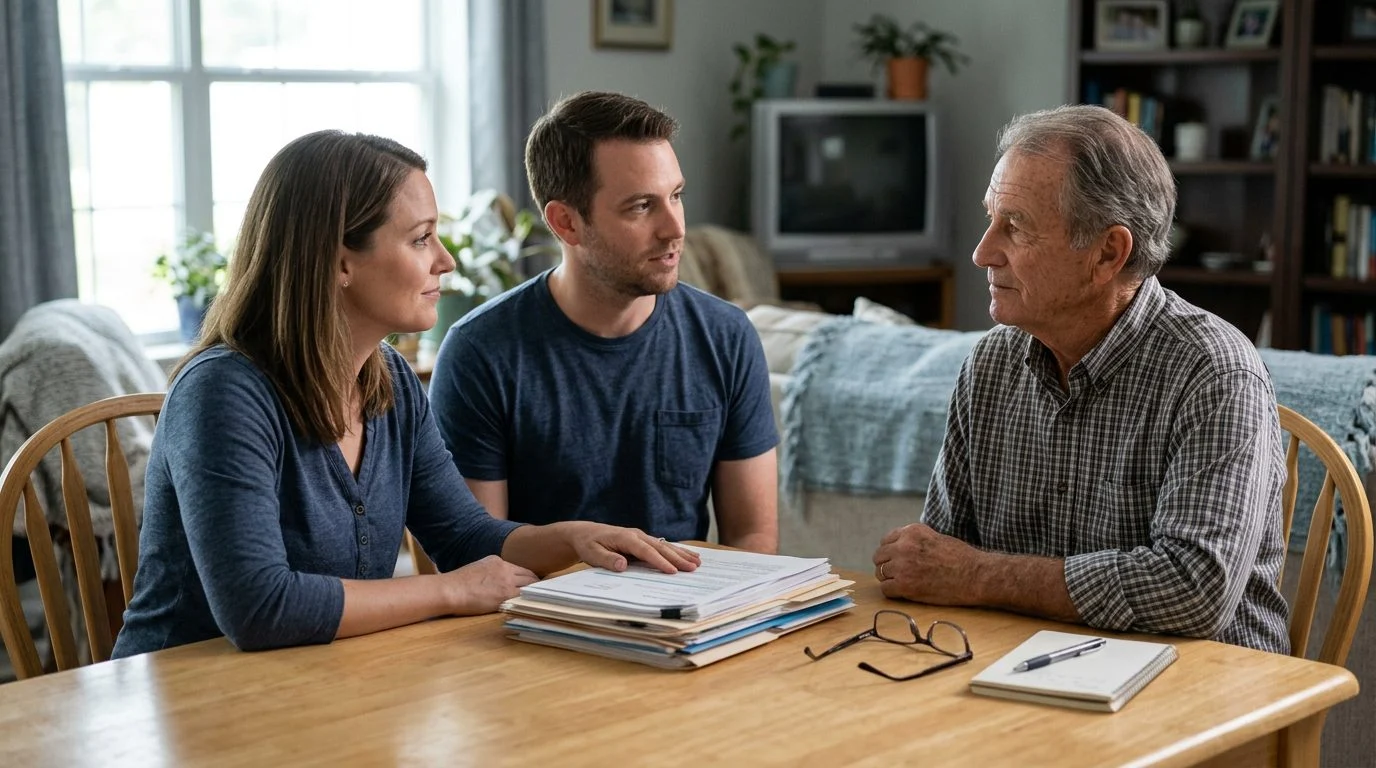
Family members often attend. A spouse, an adult child, or another relative may join the patient. After a death, a family member may ask about a claim for the family.
In Florida, a wrongful death action is brought by the decedent’s personal representative. The decedent is the person who died. The personal representative is the person legally in charge of the estate (the property the person left behind). That person recovers for the survivors, meaning the family members left behind, and for the estate (Fla. Stat. § 768.20).
Mesothelioma usually appears decades after exposure. The Agency for Toxic Substances and Disease Registry describes a latency period of 30 to 40 years. Latency period means the time between exposure and illness.
That means your questions may reach back many years. You don’t need every date to start. Just say what you remember.
CHG Personal Injury Lawyers is a Florida firm. It serves clients throughout Florida. Igor Hernandez is the responsible attorney for this page.
These cases can involve other firms. The matter may be referred to another law firm. It may also be handled together with one.

If your family is facing this now, you don't have to sort through the papers alone. Talk it through with our team — the first consultation is free, confidential, and carries no obligation.
Medical Records to Bring First
Bring the records that confirm the diagnosis. These usually come first in any review.
- Pathology or biopsy reports (lab reports on a tissue sample), with the name of the facility that issued them.
- Imaging reports from CT scans, PET scans, or X-rays, with dates.
- Discharge summaries and notes from oncology (cancer care) or pulmonology (lung care) visits.
- A list of treating doctors and hospitals, with phone numbers.
- For a loved one who has died: the death certificate and final medical records, if available.
Keep your original copies. Send copies when the firm asks.
Medical decisions stay with the patient and the patient’s doctors. Keep following their care.
Your Asbestos Exposure History
Your exposure history is often the most important part of the meeting. A claim turns on where and how the exposure happened.
Write it down as a simple list. It does not need to be a formal statement.
- Every job, employer, and job site, with approximate years. Focus on insulation, shipyard, boiler or pipe work, construction, demolition, brake work, and power plant jobs.
- Military service: branch, dates, base or ship names, and duty assignments. Include discharge papers and service records if you have them.
- Home exposure: washing a family member’s work clothes, renovating or tearing out materials at home, or living near an industrial site. Include dates and addresses.
- Photos, union cards, pay stubs, W-2 forms, or old letters that confirm dates and places.
- Names of coworkers or relatives who may remember the work conditions.
The Occupational Safety and Health Administration notes that occupational asbestos exposure raises the risk of mesothelioma. It also notes that these diseases have a delayed onset. That means symptoms can appear long after exposure.
Don’t guess at dates. Write “about 1975” or “I’m not sure” instead.
Insurance, Benefits, and Prior Claim Papers
Bring any papers about insurance, benefits, or earlier claims tied to the illness. Some of these papers affect how any recovery is handled.
- Health insurance cards and Medicare or Medicaid information. Government health programs can have lien rights, meaning the right to be repaid from a recovery.
- Records of asbestos trust claims, earlier lawsuits, settlements, or workers’ compensation claims. Include claim numbers and filing dates.
- Social Security, veterans, or disability award letters.
- Funeral, burial, and life insurance paperwork, if a loved one has died.
- Any notice letters that mention deadlines.
Asbestos bankruptcy trusts may pay claims separately from a lawsuit. Bring any trust paperwork you have.
Deadlines matter. Florida law generally gives two years to file an action founded on negligence (Fla. Stat. § 95.11).
These timing rules are detailed. Contact the firm promptly. Don’t wait until every paper is found.
Not sure what your next step is?
Talk it through with our team — the first consultation is free, confidential, and carries no obligation.
Questions to Prepare and How to Be Open
Write your questions down before the meeting. Put the most important ones at the top.
Common questions include: – Whether a claim may exist – Which companies or trusts may be involved – How the process works
Other tips: – Bring a short timeline of the patient’s life and work history. Mark uncertain dates as uncertain. – Share the complete story. Include any past claim or any job that didn’t make the résumé. Your attorney needs the whole picture to judge the matter. – Ask how the firm wants documents delivered. Keep the originals. – Ask about the role of any referral partner and how the firm keeps the family informed.
Bring a notepad. If you can, bring a trusted family member. Two people often remember more than one.
What Happens During and After the Consultation
The process has three simple steps. First is a short intake. Second is the meeting. Third is a clear look at next steps.
- Intake call. The firm schedules the meeting. It confirms which documents to bring.
- The consultation. The attorney reviews your records. The attorney asks about exposure. Then the attorney explains the possible paths. These can include a lawsuit and asbestos bankruptcy trust claims.
- Next steps. You’ll learn whether the matter may be referred to, or handled together with, another firm. You’ll also learn what your family would need to decide.
CHG charges no attorney’s fees and no case costs unless there is a recovery.
The consultation is free and confidential. It carries no obligation to continue.
Case value depends on the facts and the available sources of recovery. No amount can be promised at a first meeting.

Frequently Asked Questions
Do I need every document before I call?
No. Start with the diagnosis records and a rough exposure history. The firm can tell you what else would help.
Can a family member attend?
Yes. A spouse, adult child, or other relative may attend with the patient’s permission. After a death, a family member may attend on the family’s behalf.
What is an asbestos bankruptcy trust claim?
Some companies that used asbestos set up trusts through bankruptcy. The trusts pay people with asbestos diseases. These claims can be separate from a lawsuit.
How do I know if my exposure counts?
The attorney reviews where, when, and how the exposure happened. That review is the basis of any evaluation.
Is the consultation confidential?
Yes. The first consultation is free and confidential. It carries no obligation to continue.
If your family is facing this now, you don’t have to sort through the papers alone. Reach out for a free, confidential consultation. We’ll talk through what you already have.
What to bring to your consultation
Medical records
Bring the diagnosis, pathology reports, imaging results and the names of the doctors who treated you. If you do not have everything, bring what you have and let us know what is missing.
Work and military history
List the jobs, worksites, ships, bases and trades you held, with approximate dates. Older records such as pay stubs, union cards or service papers can help show where you worked.
Exposure details
Write down what you remember about the products, equipment, buildings or materials you handled, and any co-workers or family members who were there with you.
Family and household information
If a family member may have been exposed through work clothing or the home, note who they are, where they lived and worked, and when the exposure may have happened.
Follow your doctors' care
This page is general information, not medical advice. Keep following your medical team's care plan. Asbestos-related claims are subject to deadlines, so please contact our firm promptly rather than waiting.
How CHG Personal Injury Lawyers can help
Florida-based attorneys
CHG Personal Injury Lawyers is a Florida personal injury firm serving people throughout Florida. Igor Hernandez is the responsible attorney for this page. Our attorneys are licensed and admitted to the Florida Bar.
Plain-language answers
We explain the process, the questions we need answered and what happens next in words you can follow, at a pace that works for you and your family.
A family-centered approach
Family members may attend the consultation with the patient's permission. After a death, a family member may attend on the family's behalf.
Free, confidential consultation
Your first consultation is free, confidential and comes with no obligation to continue. The firm charges no attorney's fees and no case costs unless there is a recovery. Some asbestos matters may be handled together with, or referred to, another law firm, and we will tell you if that applies to your case.