

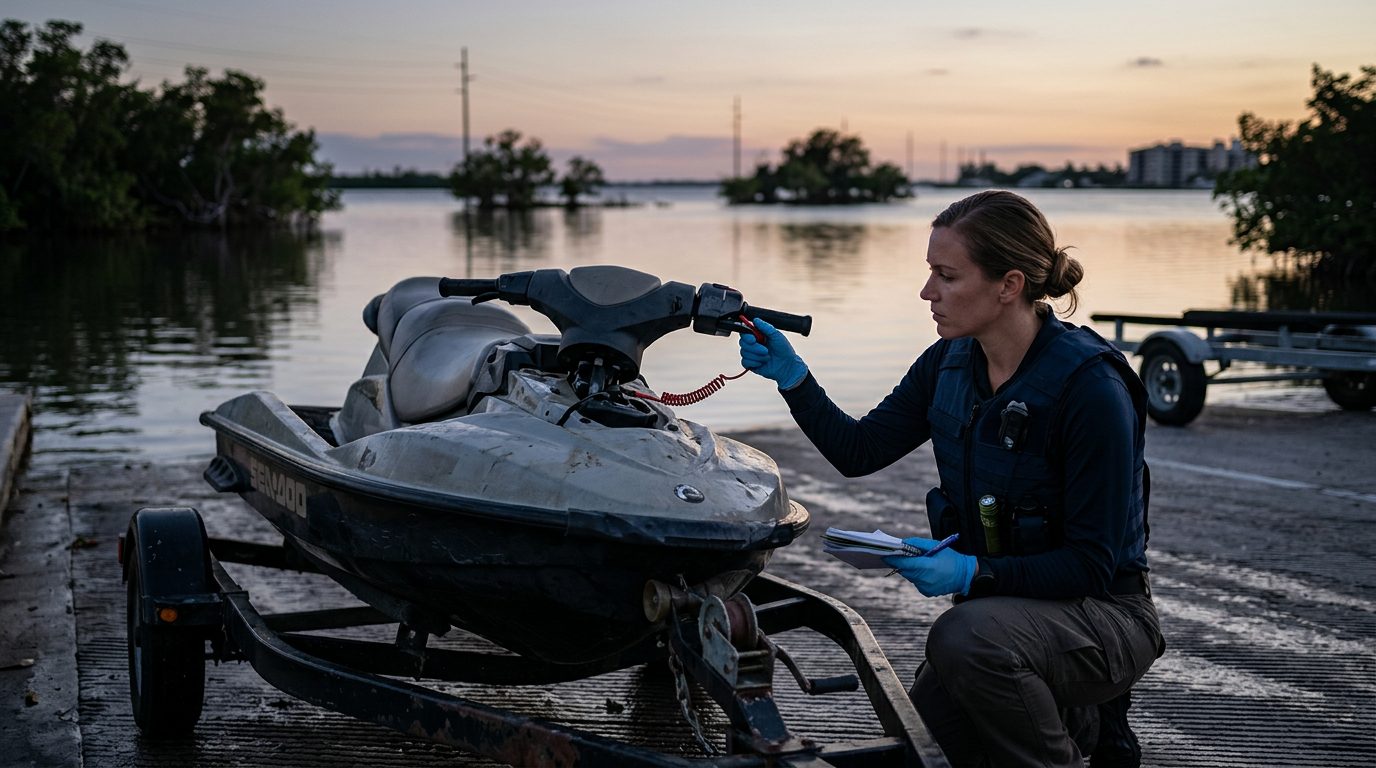
Florida Boat Accident Lawyer
Catastrophic Boat Accident Injuries: Legal Help When You Need It Most
If you or a loved one suffered a serious injury in a boating accident in Florida, CHG Personal Injury Lawyers focuses exclusively on helping victims recover. We handle cases involving spinal cord injuries, traumatic brain injuries, amputations, severe burns, and other life-altering harm caused by negligence on the water.
By CHG Lawyers · Published September 20, 2026
Florida Boat Accident Lawyer for Catastrophic Injuries and Wrongful Death
When a boating accident causes permanent, life-altering injury—spinal cord damage, paralysis, amputation, traumatic brain injury, severe burns, or death—you need a lawyer who understands what comes next. This firm focuses exclusively on catastrophic boat accident cases in Florida and nationwide. We represent injured people and families whose lives have been fundamentally changed by negligent operators, defective vessels, or reckless behavior on the water.
This is not a page about minor accidents or routine fractures. It’s about the cases that matter most: the ones where recovery is long, costs are enormous, and accountability is essential.

If you were injured as a swimmer or diver, you may have a claim against the boat operator, the vessel owner, or the rental company. Talk it through with our team — the first consultation is free, confidential, and carries no obligation.
Catastrophic Boat Accidents in Florida: When You Need a Lawyer
A catastrophic boat accident leaves you or a family member permanently impaired. You may be unable to walk, work, or live independently—or someone may have died. These are not minor injuries that heal in weeks. They are life-changing outcomes that demand experienced legal representation and a clear path to fair compensation.
The difference between a routine boating incident and a catastrophic case is simple: permanence.
- A broken arm heals.
- A spinal cord injury does not.
- Paralysis is forever.
- Amputation is forever.
- Traumatic brain injury reshapes your entire future.
- Wrongful death leaves a family grieving and financially devastated.
If you or someone you love has suffered one of these injuries in a boating accident, you’re likely facing questions you’ve never had to ask before:
- Who is responsible?
- What are my rights?
- How do I pay for lifelong care?
- What does the legal process actually look like?
This firm’s attorneys have handled these cases for years. They know the answers, and they know how to hold negligent operators and vessel owners accountable.
What This Firm Covers in Boat Accident Cases
This firm handles catastrophic injuries from boating accidents, including:
- Spinal cord injuries and paralysis (paraplegia and quadriplegia)
- Traumatic brain injuries (TBI)
- Amputations and limb loss (propeller injuries, collision injuries)
- Severe burn injuries
- Catastrophic back and neck injuries
- Wrongful death (fatal boating accidents; claims brought by surviving family members)
Who Can Be Held Liable
- Boat operators (negligent or reckless behavior)
- Vessel owners (failure to maintain safe boats or supervise operators)
- Rental companies (inadequate safety equipment, negligent operators, poor maintenance)
- Tour operators and charter services
- Marina operators
- Manufacturers (defective equipment, design flaws)
What Causes These Accidents
- Excessive speed and reckless operation
- Intoxicated or impaired operation
- Failure to maintain a proper lookout
- Collision with swimmers or divers
- Propeller strikes
- Inadequate or missing safety equipment
- Vessel defects or poor maintenance
- Failure to follow boating regulations
- Negligent instruction or supervision
The firm represents clients nationwide with deep Florida experience and local knowledge of state boating laws, maritime jurisdiction, and the unique challenges catastrophic cases present.
Common Causes of Catastrophic Boating Accidents
Most catastrophic boating accidents result from operator negligence—choices or failures that a reasonable, careful boater would never make.
Operator negligence and recklessness are the leading causes. Excessive speed, especially in shallow water or crowded areas, leaves no time to avoid swimmers, divers, or other hazards. Failure to maintain a proper lookout—looking ahead and around the boat at all times—leads directly to collisions. Inattention (distraction, fatigue) is equally deadly.
Intoxicated operation is alarmingly common. Alcohol impairs judgment, reaction time, and balance. A drunk boat operator is as dangerous as a drunk driver—and the water offers no guardrails.
Inadequate safety equipment is another critical failure. Life jackets, flotation devices, emergency flares, first-aid kits, and communication devices are not optional. When operators or rental companies fail to provide or require them, they invite catastrophe.
Vessel defects and poor maintenance can cause equipment failure at critical moments. Engine failure, steering failure, or structural failure can lead to loss of control and collision.
Failure to follow boating regulations and safety laws compounds the risk. Florida law requires operators to maintain safe speeds, yield to other vessels, assist people in distress, and follow specific rules in different water zones. Violations create negligence.
Propeller injuries and swimmer/diver collisions are among the most devastating outcomes. Swimmers and divers are invisible from the operator’s vantage point. A boat moving at speed can strike a person in the water before the operator even knows they’re there. The results are catastrophic: amputation, paralysis, death.
Florida Boating Regulations and Your Right to Recover
Florida law imposes clear duties on boat operators. They must maintain a proper lookout, operate at safe speeds, follow all boating regulations, and avoid striking other vessels, swimmers, and divers. When an operator violates these duties and causes injury, they are negligent.
The 51% Rule: Florida’s Comparative Negligence Law
Under Florida Statute §768.81, you can recover damages even if you share some fault for the accident—as long as you are less than 51% at fault. Your recovery is reduced by your percentage of fault.
Example: If a jury finds you 20% at fault and the boat operator 80% at fault, and your total damages are $1 million, you recover $800,000 (reduced by your 20% share).
This rule is critical in boat accident cases. It means that even if you made a mistake—even if you were swimming in a designated boating area, or you didn’t see the boat coming—you may still have a valid claim. The operator’s negligence may far outweigh yours.
Lucy’s Law: The Duty to Assist
If an operator fails to render aid—fails to stop, fails to throw a life ring, fails to call for help—that failure strengthens a negligence claim and may support additional damages.
Reporting Requirements
Florida law requires boating accidents involving injury, death, or significant property damage to be reported to the Florida Fish and Wildlife Conservation Commission (FWC). This official report creates a record of what happened, preserves evidence, and supports your legal claim.
Statute of Limitations: Time Matters
Florida Statute §95.11 sets strict deadlines.
- For personal-injury claims from boat accidents, you generally have two years from the date of the accident to file a lawsuit.
- For wrongful-death claims, you have two years from the date of death.
These deadlines are firm. Missing them means losing your right to recover, no matter how strong your case. Do not delay.
What Happens After a Catastrophic Boat Accident: Your Legal Path Forward
Immediate Steps
After a serious boating accident, your first priority is medical care. Get to a hospital or emergency clinic immediately.
Then preserve evidence:
- Photograph the scene, the boats involved, the weather, water conditions, and any visible injuries.
- Write down names and contact information for witnesses.
- Report the accident to the FWC and local law enforcement.
- Keep all medical records, bills, and documentation.
Investigation Phase
Your attorney will conduct a thorough investigation:
- Obtain the official accident report from the FWC
- Gather witness statements (other boaters, swimmers, bystanders)
- Review the operator’s boating license, safety record, and history
- Obtain vessel maintenance records and inspection reports
- Analyze weather conditions, water conditions, and visibility at the time of the accident
- Review the operator’s actions in the minutes before the collision
- Determine whether alcohol or drugs were involved
- Identify all potentially liable parties (operator, owner, rental company, manufacturer)
Liability Determination
Your attorney must establish three elements:
- The defendant owed you a duty of care (boat operators owe a duty to all people on or in the water)
- The defendant breached that duty (violated boating regulations, operated negligently, failed to maintain the vessel)
- That breach caused your injury and damages
In catastrophic cases, damages are substantial. Medical expenses alone can reach millions of dollars over a lifetime. Lost income, pain and suffering, loss of enjoyment of life, permanent disability, long-term care, home modifications, assistive devices—these add up to enormous sums.
Negotiation and Settlement
Most cases settle before trial. Your attorney will demand fair compensation from the defendant’s insurance carrier.
Litigation if Necessary
If settlement negotiations fail, your case proceeds to trial. Discovery (exchanging documents and witness statements) can take months. Expert witnesses—medical specialists, accident reconstruction experts, maritime specialists—will testify about your injuries, the defendant’s negligence, and the lifetime costs of your care. Your attorney will present evidence to a jury and argue for full compensation.
The timeline varies. Catastrophic cases often take 2–4 years from accident to resolution because the full extent of your injuries and long-term care needs must be documented and evaluated before a fair settlement can be reached.
If you or a family member has suffered a catastrophic injury in a boating accident in Florida or anywhere else, you don't have to face this alone. Talk it through with our team — the first consultation is free, confidential, and carries no obligation.
Why This Firm’s Approach to Boat Accident Cases Matters
This firm focuses exclusively on catastrophic, life-altering injuries. Not routine fractures. Not soft-tissue damage. Not minor boating incidents. Only cases where permanent impairment, lifelong medical need, or death is the outcome.
This focus matters because catastrophic cases are fundamentally different from routine personal-injury claims. They demand focused knowledge of long-term medical care, lifetime cost projections, vocational rehabilitation, and the emotional and financial devastation families face. They require attorneys who understand the permanence of spinal cord injury, the reality of paralysis, the lifelong challenges of amputation and brain injury.
Our attorneys are licensed in Florida and hold deep experience in maritime law, personal-injury litigation, and catastrophic-injury claims. We represent clients nationwide and maintain bilingual (English/Spanish) resources to serve Florida’s diverse communities. We are committed to holding negligent operators and vessel owners accountable and to securing fair compensation for our clients and their families.
Damages and Compensation in Catastrophic Boat Accident Cases
Damages in catastrophic boat accident cases include:
- Medical expenses: emergency care, surgery, hospitalization, rehabilitation, ongoing treatment, physical therapy, mental health care, medications, assistive devices (wheelchairs, braces, communication devices), home modifications (ramps, accessible bathrooms, medical equipment)
- Lost income and earning capacity: wages lost during recovery and the permanent loss of future income if you cannot return to work
- Pain and suffering: compensation for physical pain, emotional distress, and psychological trauma
- Loss of enjoyment of life: the permanent loss of activities, hobbies, and experiences you can no longer pursue
- Permanent disability and long-term care costs: the cost of ongoing care, attendant services, nursing care, and support
- Wrongful death damages: funeral and burial expenses, loss of companionship and emotional support, loss of financial support to surviving family members
Catastrophic cases justify substantial claims because the impact is permanent and lifelong. A spinal cord injury at age 30 means 50+ years of medical care, lost work, and family disruption. The numbers reflect that reality.
Injured as a Swimmer or Diver? You May Have a Claim
Swimmers and divers are among the most vulnerable people on the water. Boat operators have a legal duty to maintain a proper lookout and avoid striking swimmers and divers. When an operator fails to do so, they are negligent—regardless of whether the swimmer or diver was in a designated swimming area.
Propeller injuries are catastrophic. A spinning propeller can cause amputation, severe lacerations, paralysis, and death in seconds. Collision injuries occur when a boat strikes a swimmer or diver at speed, causing internal injuries, spinal cord damage, brain injury, and death.
Common scenarios:
- An operator fails to see a swimmer and strikes them at speed
- An operator operates at excessive speed in a swimming area
- An operator operates under the influence and fails to maintain a proper lookout
- A rental company fails to warn renters about the risks of propellers or the duty to maintain a lookout
- An operator fails to cut the engine when swimmers are nearby
If you were injured as a swimmer or diver, you may have a claim against the boat operator, the vessel owner, or the rental company. These cases require immediate legal attention. Evidence must be preserved, witness statements must be gathered, and medical documentation must be thorough.
Frequently Asked Questions
What is the 51% rule in Florida and how does it affect my boat accident claim?
Florida’s comparative negligence rule allows you to recover damages even if you share some fault for the accident, as long as you are less than 51% at fault. Your recovery is reduced by your percentage of fault.
What are the legal reporting requirements for boating accidents in Florida?
Florida law requires accidents involving injury, death, or significant property damage to be reported to the Florida Fish and Wildlife Conservation Commission. This creates an official record that supports your claim.
What is Lucy’s Law in Florida?
Lucy’s Law requires boat operators to assist anyone in distress on the water. Failure to render aid can support a negligence claim.
How long do I have to file a boat accident claim in Florida?
You generally have two years from the date of the accident to file a personal-injury claim, and two years from the date of death to file a wrongful-death claim. Do not delay—contact an attorney immediately.
Can I sue a boat rental company if I was injured by a rented vessel?
Yes. Rental companies can be liable for operator negligence, failure to maintain safe vessels, failure to provide adequate safety equipment, and failure to warn renters of hazards.
What damages can I recover in a catastrophic boat accident case?
Damages include medical expenses, lost income and earning capacity, pain and suffering, loss of enjoyment of life, permanent disability costs, long-term care, and in wrongful-death cases, funeral expenses and loss of companionship.
What if the boat operator was intoxicated?
Intoxication strengthens a negligence claim significantly and may support punitive damages (additional damages intended to punish the defendant for reckless conduct).
Not sure what your next step is?
Talk it through with our team — the first consultation is free, confidential, and carries no obligation.
Next Steps: Get Your Free Case Evaluation
If you or a family member has suffered a catastrophic injury in a boating accident in Florida or anywhere else, you don’t have to face this alone. The attorneys at this firm understand what you’re going through.
Contact the firm for a free, confidential case evaluation. There is no upfront cost. An attorney will listen to your story, answer your questions, and explain your rights and options.
Time matters in boat accident cases. Evidence fades, witnesses’ memories blur, and the statute of limitations is firm. Reach out today—contact us now to speak with an attorney about your case.
Why CHG Personal Injury Lawyers
Focused on Catastrophic Injury
We focus exclusively on serious and catastrophic injuries—the cases that change lives. Boating accidents that cause permanent harm deserve an attorney who understands the full scope of your recovery needs.
Bilingual Support
We provide legal guidance and educational resources in both English and Spanish, ensuring language is never a barrier to understanding your rights.
Florida-Based, Nationwide Reach
Based in Florida and licensed to practice here, we represent clients throughout the state and across the nation in serious boating injury cases.
No Attorney’s Fees Unless There Is a Recovery
We work on a contingent fee basis, so you pay nothing upfront. Our fees come only if there is a recovery in your case.
Types of Boating Accidents We Handle
Collision and Impact Injuries
Boat-to-boat collisions, crashes with fixed objects, and high-speed impacts can cause spinal cord injuries, traumatic brain injuries, and severe fractures. We pursue claims against negligent operators and vessel owners.
Drowning and Near-Drowning
Inadequate supervision, failure to provide life jackets, or negligent rescue response can lead to drowning or permanent brain damage. We investigate and hold responsible parties accountable.
Propeller and Machinery Injuries
Contact with boat propellers or machinery can cause catastrophic amputations and severe lacerations. These injuries often involve product liability or operator negligence.
Negligent Security and Assault on Vessels
If you were assaulted or attacked on a charter boat, rental vessel, or at a marina and the operator failed to provide reasonable security, you may have a claim against the property or vessel owner.
Report Your Boating Accident
Florida law requires the reporting of boating accidents that result in death, injury, or significant property damage. If you are able, report the accident to the Florida Fish and Wildlife Conservation Commission (FWC) and seek medical attention immediately. Keep records of all medical treatment, police reports, and witness statements—these documents are critical to your claim.
Common Questions About Boating Accident Claims
What is the 51% rule in Florida?
Florida's comparative negligence rule allows you to recover damages even if you share some fault for the accident, as long as you are less than 51% at fault. Your recovery is reduced by your percentage of fault.
Who can be held liable for a boating accident?
Liability may fall on the boat operator, the vessel owner, the boat manufacturer (if a defect caused the accident), a rental company, a charter service, or a marina operator—depending on the circumstances of your accident.
What damages can I recover?
In a catastrophic injury case, damages may include medical expenses, lost wages, loss of earning capacity, pain and suffering, permanent disability, and costs of ongoing care and rehabilitation.
Do I have a time limit to file a claim?
Florida law sets strict deadlines for filing personal injury claims. The sooner you contact an attorney, the sooner we can protect your rights and begin investigating your case.