

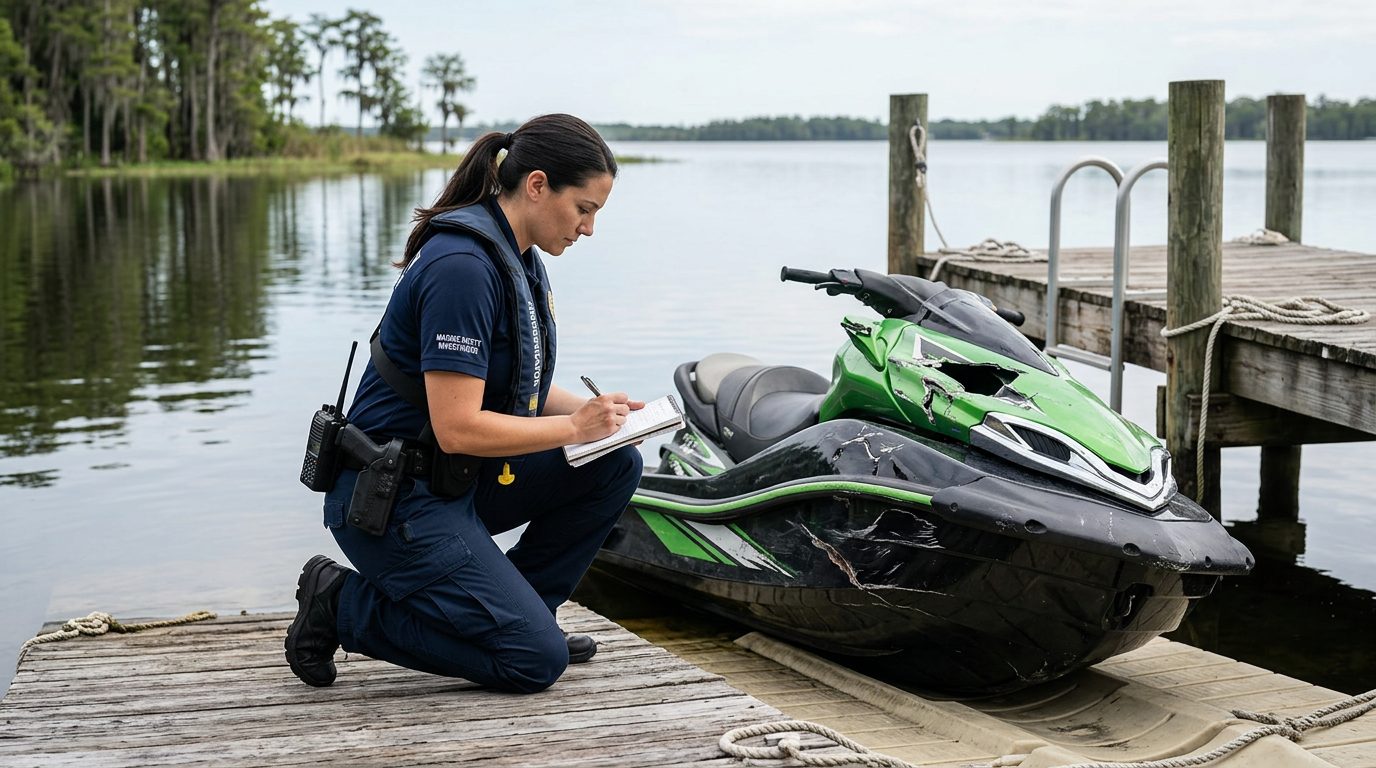
Jet Ski Accidents
Catastrophic Jet Ski Injuries in Florida
When a jet ski collision or operator negligence leaves you with life-altering injuries, you need a law firm that understands the full weight of what you're facing. CHG Personal Injury Lawyers focuses exclusively on catastrophic injury cases and fights to hold responsible parties accountable.
By CHG Lawyers · Published September 20, 2026
Jet Ski Accident Catastrophic Injuries in Florida
Jet ski accidents cause life-altering injuries. These include spinal cord damage, paralysis, traumatic brain injury, severe burns, and amputations. Jet skis move at high speeds with no protective barriers. When a jet ski hits another boat, a dock, rocks, or the water with force, the riders absorb the full impact. The result is often catastrophic injury, permanent disability, and years of medical care and rehabilitation.
If you or someone you love suffered a catastrophic injury in a jet ski accident in Florida, you need answers. What happened? Who is responsible? What are your legal options? This page explains the types of injuries jet ski accidents cause, Florida’s liability rules, and what to do next.
If you or a family member suffered a catastrophic injury in a jet ski accident in Florida, reach out to our team. Talk it through with our team — the first consultation is free, confidential, and carries no obligation.
What Catastrophic Injuries Result from Jet Ski Accidents?
Jet ski accidents cause catastrophic injuries because of speed, force, and lack of protection in water-sports collisions.
Spinal cord injuries and paralysis. A collision or sudden impact can fracture or damage the spine. This can sever or bruise the spinal cord. The result is paraplegia (paralysis of the lower body) or quadriplegia (paralysis of all four limbs), depending on where the injury occurs. Approximately 5.4 million Americans live with paralysis, many from traumatic accidents like water-sports collisions. Spinal cord injuries are permanent. They require lifelong medical care, adaptive equipment, home modifications, and often round-the-clock assistance.
Traumatic brain injuries (TBI). Impact to the head causes traumatic brain injury. This can happen from hitting the water, the jet ski, or another object. According to Mayo Clinic, TBI can result in permanent cognitive, physical, and behavioral impairment. This includes memory loss, difficulty concentrating, mood changes, and loss of motor control. Recovery is slow and uncertain. Many people never fully regain their pre-injury function.
Severe burns. Jet ski fuel ignites in collisions or when the engine is exposed. Fuel-fed fires cause severe burns across large areas of the body. These injuries require immediate hospitalization, skin grafts, and years of wound care and rehabilitation. Survivors face permanent scarring, disfigurement, reduced mobility, and chronic pain.
Amputations and limb loss. Propeller strikes, entanglement, or crush injuries from collision can sever fingers, hands, feet, or entire limbs. Amputation injuries end the use of that limb forever. They require prosthetics, physical therapy, and lifelong adaptation.
Who Is Liable for a Jet Ski Accident in Florida?
Liability depends on who caused the accident and whether anyone failed in their duty of care. In Florida, several parties may be responsible.
The jet ski operator. The person operating the jet ski must operate it safely. They must follow boating laws and avoid reckless behavior. Reckless behavior includes excessive speed, operating under the influence, or ignoring warnings. If the operator’s negligence caused the accident, they are liable for your injuries.
The jet ski rental company. Rental companies must:
- Keep the jet ski in safe, working condition
- Inspect equipment regularly and repair defects
- Provide clear safety instruction to renters
- Warn renters of known hazards
- Refuse to rent to obviously unqualified or impaired operators
If a rental company rents a defective or poorly maintained jet ski, fails to instruct the renter, or rents to someone unfit to operate it, the company may be liable. This is called negligent entrustment—providing equipment to someone the company knew or should have known was unfit to use it safely. The company may also be liable under vicarious liability. This means the company is responsible for the renter’s acts if the rental itself was negligent.
Property owners and operators. If the accident occurred on or near private property—a marina, beach club, resort, or waterfront property—the owner or operator may be liable. This is true if they failed to maintain safe conditions, failed to warn of hazards, or failed to provide reasonable security or supervision.
Florida’s Comparative Fault Rule
Florida’s comparative-fault law affects how much you can recover. Under Fla. Stat. §768.81(6), if you were found to be more than 50% at fault, you cannot recover damages. If you were 50% or less at fault, your recovery is reduced by your percentage of fault.
For example: You were injured in a jet ski accident. Evidence shows you were 20% at fault (perhaps you weren’t paying full attention). Your damages would be reduced by 20%. If you were found 51% or more at fault, you recover nothing.
This is why gathering evidence early is critical. Get witness statements, photos of the scene and the jet skis, police reports, and any video footage. The stronger the evidence that the other party was primarily responsible, the better your position.
Not sure what your next step is?
Talk it through with our team — the first consultation is free, confidential, and carries no obligation.
The Statute of Limitations in Florida
Time matters. For most Florida negligence and personal-injury claims arising on or after March 24, 2023, you have two years from the date of injury to file a lawsuit under Fla. Stat. §95.11(5)(a). If you don’t file within that window, your claim is barred. You lose the right to sue.
This deadline applies whether you settle with the insurance company or file a lawsuit. Don’t wait. Contact an attorney as soon as possible after your injury.
What Damages Can You Recover?
In a successful jet ski accident claim, you may recover:
- Medical expenses: emergency care, hospitalization, surgery, rehabilitation, ongoing therapy, and future medical needs
- Lost income: wages you lost while injured and unable to work, plus lost earning capacity if your injury prevents you from working in the future
- Pain and suffering: compensation for physical pain, emotional trauma, and loss of enjoyment of life
- Disability and disfigurement: damages for permanent scarring, loss of limb, or paralysis
- Home and vehicle modifications: costs to adapt your home or vehicle for disability
- Wrongful death damages: if the accident was fatal, the family may recover funeral costs, lost financial support, and loss of companionship
The value of your claim depends on the severity of your injury, the strength of the evidence, and the defendant’s insurance coverage.
What Should You Do After a Jet Ski Accident?
If you or a family member suffered a catastrophic injury in a jet ski accident:
- Seek immediate medical attention. Document all injuries and treatment.
- Report the accident. File a report with the Florida Fish and Wildlife Conservation Commission (FWCC) or local law enforcement.
- Gather evidence. Get names and contact information from witnesses. Take photos of the scene, the jet skis, and your injuries. Preserve any video footage.
- Don’t settle quickly. Insurance companies often offer low initial settlements. Don’t accept without understanding the full extent of your injury and its long-term costs.
- Contact an attorney. An experienced personal-injury attorney can investigate the accident, identify all liable parties, and fight for fair compensation.
Have questions about what happened?
Ask our team directly. The first conversation is free, confidential, and there is no obligation to continue.
Frequently Asked Questions
Can I sue a jet ski rental company even if I signed a waiver?
Waivers are not always enforceable, especially if the rental company was grossly negligent or reckless. An attorney can review your waiver and advise you.
What if I was partially at fault for the accident?
You may still recover damages if you were 50% or less at fault (Fla. Stat. § 768.81(6)). Your recovery is reduced by your percentage of fault.
How long does a jet ski accident case take?
Most cases settle within 6 to 18 months. Complex catastrophic-injury cases may take longer. Litigation can take 2–3 years or more.
What evidence do I need to prove a jet ski accident claim?
Police reports, witness statements, photos, medical records, expert testimony on causation, and evidence of the defendant’s negligence all strengthen your case. Evidence of negligence includes maintenance records, safety violations, and prior complaints.
Jet ski accidents that cause catastrophic injuries change lives forever. Spinal cord damage, paralysis, brain injury, severe burns, or amputation cause enormous medical bills, rehabilitation costs, lost income, and emotional toll. You deserve answers about what happened and who is responsible.
If you or a family member suffered a catastrophic injury in a jet ski accident in Florida, reach out to our team. We focus exclusively on catastrophic-injury cases. We understand the long-term impact these injuries have on you and your family. We’re here to listen, investigate, and fight for the compensation you need to move forward.
Why CHG Handles Jet Ski Catastrophic Injury Cases
Focused on Catastrophic Injuries
We focus exclusively on cases involving permanent, life-altering harm—spinal cord injuries, paralysis, traumatic brain injuries, amputations, and severe burns. We understand the long-term medical, financial, and personal costs.
Comprehensive Legal Experience
Jet ski accidents involve complex liability questions: operator negligence, rental company responsibility, manufacturer defects, and waiver enforceability. We know how to investigate and build these cases.
Florida-Based, National Reach
Based in Florida and handling cases nationwide, we understand local waterway regulations, rental industry standards, and how Florida courts approach jet ski liability claims.
Bilingual Support
We provide English and Spanish-language resources and representation to serve all Florida communities affected by catastrophic jet ski injuries.
Waivers Don't Always Shield Negligence
Many jet ski rental companies ask riders to sign liability waivers. However, waivers are not always enforceable—especially when a rental operator or company acts with gross negligence, recklessness, or willful misconduct. An attorney can review your waiver and explain your rights.
Common Jet Ski Accident Scenarios We Handle
Rental Company Negligence
Faulty equipment, inadequate safety briefings, renting to intoxicated or unqualified operators, or failure to maintain vessels can lead to catastrophic collisions and injuries.
Operator Error & Recklessness
High-speed collisions, failure to yield, operating under the influence, or ignoring navigation rules can cause severe trauma, spinal injuries, and drowning.
Defective Equipment
Manufacturing defects in jet skis, engines, steering systems, or safety equipment can cause loss of control and catastrophic multi-vessel collisions.
Failure to Warn
Rental companies or manufacturers may fail to warn of known hazards, hidden obstacles, or proper operation procedures, contributing to preventable injuries.
Types of Catastrophic Injuries from Jet Ski Accidents
Spinal Cord & Paralysis
Impact trauma can sever or severely damage the spinal cord, resulting in paraplegia or quadriplegia. Victims face lifetime medical care, mobility aids, home modifications, and lost earning capacity.
Traumatic Brain Injury
Head strikes during collisions or submersion can cause permanent cognitive, physical, and behavioral changes. Recovery is often incomplete and requires ongoing therapy and support.
Severe Burns
Fuel leaks, explosions, or contact with hot engine components can cause third-degree burns requiring skin grafts, reconstructive surgery, and long-term pain management.
Amputation & Limb Loss
Propeller strikes or crushing injuries can result in loss of limbs. Survivors face phantom pain, prosthetic fitting, rehabilitation, and profound lifestyle changes.
What to Do After a Catastrophic Jet Ski Injury
Seek Immediate Medical Care
Call 911 or get to an emergency room right away. Document all injuries, treatments, and medical records. Your health comes first, and medical evidence is critical for your claim.
Report the Incident
File a report with the Florida Fish and Wildlife Conservation Commission (FWC) or local law enforcement. Get the report number and names of all witnesses and involved parties.
Preserve Evidence
Take photos of the accident scene, all jet skis involved, water conditions, and any visible hazards. Preserve the rental agreement, waiver, and any communications with the rental company.
Contact a Personal Injury Attorney
Do not speak with the rental company's insurance adjuster without legal counsel. An attorney can investigate the accident, identify all liable parties, and protect your rights from the start.
Frequently Asked Questions
Can I sue a jet ski rental company even if I signed a waiver?
Waivers are not always enforceable, especially if the rental company was grossly negligent or reckless. An attorney can review your waiver and advise you on your legal options.
What if I was partially at fault for the accident?
You may still recover damages even if you were partially responsible. Florida law allows recovery if you were 50% or less at fault; your award is reduced by your percentage of fault (Fla. Stat. § 768.81(6)).
Who can be held liable in a jet ski accident?
Liability may fall on the rental company, the operator of the other jet ski, the manufacturer (if equipment was defective), or multiple parties. A thorough investigation identifies all responsible parties.
What damages can I recover?
Damages may include medical expenses, rehabilitation costs, lost wages, loss of earning capacity, pain and suffering, and costs for home modifications or ongoing care—but only based on the specific facts of your case.