

Florida Personal Injury Guidance
Sudden Inability to Walk: What Could Cause It and What to Do Now
When a person suddenly cannot walk, the cause needs prompt medical attention. Here is how injuries from accidents and other events can affect mobility, and how a Florida personal injury attorney may help injured people and their families understand their options.
By Igor Hernandez, CHG Lawyers, Coral Gables, Florida · Published October 14, 2026
What Could Cause Sudden Inability to Walk? Medical Causes and Your Legal Rights
Are you wondering what could cause a sudden inability to walk? It can be a medical emergency. The loss may be partial or complete.
The possible causes include:
- Medical events, such as a stroke or a problem with the spinal cord
- Injuries from motor vehicle crashes, falls, or violence
Learning about possible causes can help you tell emergency staff what happened. If someone else’s negligence or wrongdoing was involved, it can also help you protect your legal rights. Negligence means failing to use reasonable care.
If your sudden loss of walking ability followed an accident, an assault, or someone’s negligence, whether a claim exists depends on the facts of your case, your medical records, and Florida law.

When Sudden Inability to Walk Is a Medical Emergency
Call 911 or go to an emergency room right away if you or someone you know suddenly cannot walk. This matters most in these cases:
- The cause is unexplained.
- The person also has chest pain, trouble breathing, a severe headache, or confusion.
- The person shows signs of stroke, such as facial drooping, arm weakness, or trouble speaking.
The cause may involve the brain, spinal cord, nerves, muscles, or bones.
Your physicians (doctors) can tell you whether a particular cause can be reversed. They can also tell you how urgently it needs treatment.
How Traumatic Injury Can Cause Sudden Paralysis
Spinal cord injury (SCI) from trauma can cause sudden inability to walk. Damage from a motor vehicle crash, fall, workplace accident, or violent assault may cause partial or complete paralysis. In some cases, the loss may be permanent.
Paraplegia and quadriplegia describe where the spinal cord is injured and how much of it is affected:
- Paraplegia means loss of function in the legs and lower body.
- Quadriplegia means paralysis of all four limbs.
Which body functions are affected depends on the level and extent of the injury. Those questions belong to that person’s physicians.
Questions to ask your physicians about a spinal injury:
- Which level of the spine was affected, and which body functions may be involved?
- Is the injury complete or incomplete?
- Which functions may recover, and what would rehabilitation involve?
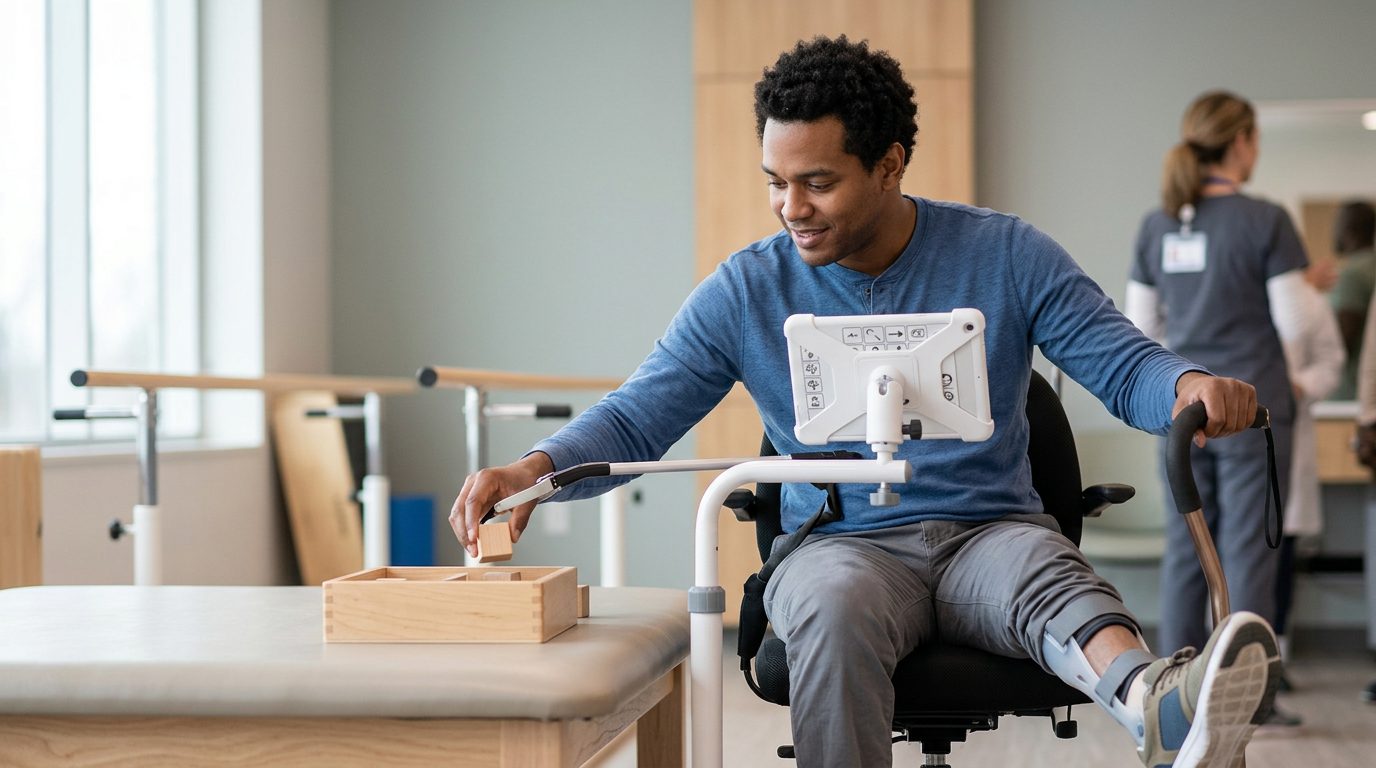
Rehabilitation (therapy to rebuild skills) and assistive devices (tools that help with daily tasks) may help some people regain function and independence. Results vary. They depend on the person’s own doctors.
Traumatic brain injury (TBI) from severe head trauma may affect movement, balance, and coordination. This can make walking difficult or unsafe. Your physicians can evaluate whether a brain injury is affecting your symptoms.
Severe leg fractures, crush injuries, or amputation may make walking difficult or impossible in the short term. Walking after such injuries may require prosthetics (artificial limbs) and extensive rehabilitation.
Medical Causes to Discuss With Your Physicians
Many medical conditions can affect walking. Physicians evaluate them through medical history (your health record), physical examination, and testing.
The list below is not a diagnosis. Your physicians decide which condition, if any, applies to you.
- Cauda equina syndrome, which involves compression of nerves at the base of the spinal cord. Your physicians can advise how urgently it needs evaluation.
- Transverse myelitis, inflammation of the spinal cord
- Infection of the spinal cord or brain, such as meningitis or encephalitis
- Spinal cord compression or myelopathy from herniated discs, bone spurs, or tumors
- Guillain-Barré Syndrome (GBS)
- Multiple sclerosis (MS) relapses
- Peripheral or diabetic neuropathy, which is nerve damage in the legs and feet
- Myasthenia gravis (MG)
- Parkinson’s disease
- Severe dehydration or electrolyte imbalance, which means a shortage or excess of body minerals such as sodium or potassium
Causes of walking problems vary, and whether an accident or someone else’s negligence was involved depends on the facts and medical records of each case.
When Sudden Inability to Walk Results from Negligence or Wrongdoing
Your sudden inability to walk may have followed someone else’s negligence (failure to use reasonable care). This could include:
- A motor vehicle crash
- A workplace accident
- A fall on someone else’s property
- A violent attack on someone else’s property
In these cases, you may have a legal claim for compensation. Workplace injuries are generally handled through workers’ compensation. That system may limit other claims.
Whether a claim exists depends on the facts of your case.
Crashes and Traumatic Injury Claims
Spinal cord injuries, paralysis, traumatic brain injuries, and severe leg injuries can change a person’s life in lasting ways. They may affect medical care, work, and daily routines. Whether any of these losses can be recovered depends on the facts of each case and Florida law. In a Florida motor-vehicle claim, pain and suffering generally requires meeting the permanent-injury threshold in § 627.737(2), and comparative fault may limit recovery..
Crashes involving commercial trucks may raise questions about maintenance and driver practices. Under 49 CFR Part 396, motor carriers subject to the Federal Motor Carrier Safety Regulations generally must systematically inspect, repair, and maintain, or cause to be systematically inspected, repaired, and maintained, all motor vehicles and intermodal equipment subject to their control (§ 396.3), and whether this applies to a particular truck depends on the facts of each case.
Under the federal rules in 49 CFR Part 397, which govern certain hazardous materials shipments, § 397.17 addresses driver checks of tires during operation, and whether it applies to a particular truck depends on the cargo and the facts of each case.
Whether these rules were followed in a particular crash depends on the facts and records of that case.
If Someone Attacked You on Another Person’s Property
Were you assaulted, shot, robbed, or attacked on someone else’s property? Did you get hurt because the owner did not provide reasonable security? If so, you may have a claim against the property owner.
These places are included:
- An apartment complex
- A parking lot or garage
- A hotel or motel
- A bar or nightclub
- A gas station, store, or ATM
Reasonable security may include working locks and gates, adequate lighting, cameras, or guards. Whether the owner provided it depends on the facts of each case.
Lawyers call this type of claim “negligent security.” You do not need to know that term to ask whether you may have a claim.
If the property was known to be unsafe or had a history of crime, that may be relevant. You may be able to seek damages for your injuries and losses.
Under Florida’s modified comparative negligence rule in Fla. Stat. § 768.81(6), a claimant found more than 50% at fault generally may not recover damages in a negligence action. This rule generally applies to causes of action filed after March 24, 2023, and it includes an exception for medical negligence claims. Each case depends on its facts, and no result is guaranteed.
How it applies depends on the facts of your case.
Documenting Your Injury and Preserving Your Claim
Act quickly. Keep these items:
- Photos of the scene
- Witness contact information
- Medical records
- Police reports, if available
- Details about how the event occurred
Florida law sets time limits for filing a lawsuit. Under Fla. Stat. § 95.031, the time generally runs from when the cause of action accrues. “Accrues” means when the legal clock starts.
The statute says, “a cause of action accrues when the last element constituting the cause of action occurs.” Exceptions and different rules may apply. Each case should be reviewed promptly.
If a Loved One Has Died
When a catastrophic injury leads to death, the family left behind faces grief and hard questions at the same time. Families may have legal options. Under Florida’s Wrongful Death Act (Fla. Stat. § 768.20), a wrongful death claim is generally brought by the decedent’s personal representative on behalf of the survivors and the estate. Those options depend on Florida law and the facts of each case.
You do not need every answer before you call.
Not sure what your next step is?
Talk it through with our team — the first consultation is free, confidential, and carries no obligation.
Next Steps: Medical Care and Legal Guidance
- Seek immediate emergency medical care if you or someone you know has sudden inability to walk.
- Follow all medical recommendations for diagnosis, treatment, and rehabilitation.
- Document everything about how the injury occurred. Keep photos, witness names and contact information, medical records, police reports, and notes about the event.
- Contact CHG Personal Injury Lawyers for a free, confidential initial consultation with no obligation to continue. Learn your legal options and how to protect your rights.
CHG charges no attorney’s fees and no case costs unless there is a recovery.
About CHG Personal Injury Lawyers
Igor Hernandez is licensed in Florida and is a member of The Florida Bar.
The firm focuses on personal injury cases of any severity. These include spinal cord injuries, paralysis, traumatic brain injuries, amputation, severe burns, truck accidents, and negligent security.
It serves people throughout Florida, including Miami, Orlando, Tampa, and Jacksonville.
Our team, including support staff, assists with case administration.
Every case is different, and results depend on the facts of each case. No outcome can be promised.
FAQ
Is sudden inability to walk always a medical emergency?
Sudden inability to walk should be checked by a medical professional right away, even if there are no other symptoms. Call 911 or go to an emergency room.
Can spinal cord injury cause permanent inability to walk?
Permanent paralysis is possible after a spinal cord injury. Whether it is permanent in a particular case is a question for that person’s physicians. Rehabilitation and assistive devices may help some people regain function and independence. Results vary.
What is the difference between paraplegia and quadriplegia?
Paraplegia generally refers to loss of function in the legs and lower body. Quadriplegia generally refers to paralysis of all four limbs. Which term applies depends on the injury and on your physicians’ evaluation.
How long do I have to file a personal injury lawsuit after a sudden injury?
Florida law sets time limits for filing a lawsuit. Under Fla. Stat. § 95.031, the time generally runs from when the cause of action accrues.
The deadline depends on the type of claim, when it accrued, and any exceptions that may apply. It is wise to act promptly. Contact CHG Personal Injury Lawyers as soon as possible.
What should I do if I suddenly cannot walk after an accident?
Call 911 or go to an emergency room right away. If you suspect a spinal cord injury, avoid moving unless emergency responders advise otherwise. Preserve evidence. Contact CHG Personal Injury Lawyers to discuss your legal options.
If your sudden loss of walking ability followed an accident, an assault, or someone’s negligence, you may have a claim for compensation. Contact us for a free case evaluation.
Your initial consultation is free, confidential, and carries no obligation to continue. CHG charges no attorney’s fees and no case costs unless there is a recovery.
Do not wait if walking suddenly becomes impossible
A sudden loss of the ability to walk, leg weakness, or numbness can signal a serious medical problem. Call 911 or go to the nearest emergency room right away, even if you have no other symptoms.
Situations That Can Lead to Sudden Loss of Walking Ability
Spinal Cord Injuries
Medical evaluation determines the cause and the outlook for each person.
Back and Neck Injuries
Brain Injuries
A head injury or a sudden event affecting the brain can disrupt balance, coordination, and movement.
Other Medical Emergencies
Only a doctor can identify the cause, so every case of sudden weakness should be evaluated promptly.
How CHG Personal Injury Lawyers Can Help After a Serious Injury
Focus on Your Health First
Medical care comes first. Follow your doctors' guidance and keep every appointment, test result, and treatment record.
Preserve Important Records
Medical bills, police reports, photos, and witness information may be relevant to a claim. Our team can help you gather and organize them.
Whether a claim exists depends on the facts of each case, who was responsible, and applicable Florida law. An attorney can explain how these rules may apply to your situation.
Support for Families
When a serious injury changes daily life, families often face new responsibilities.