
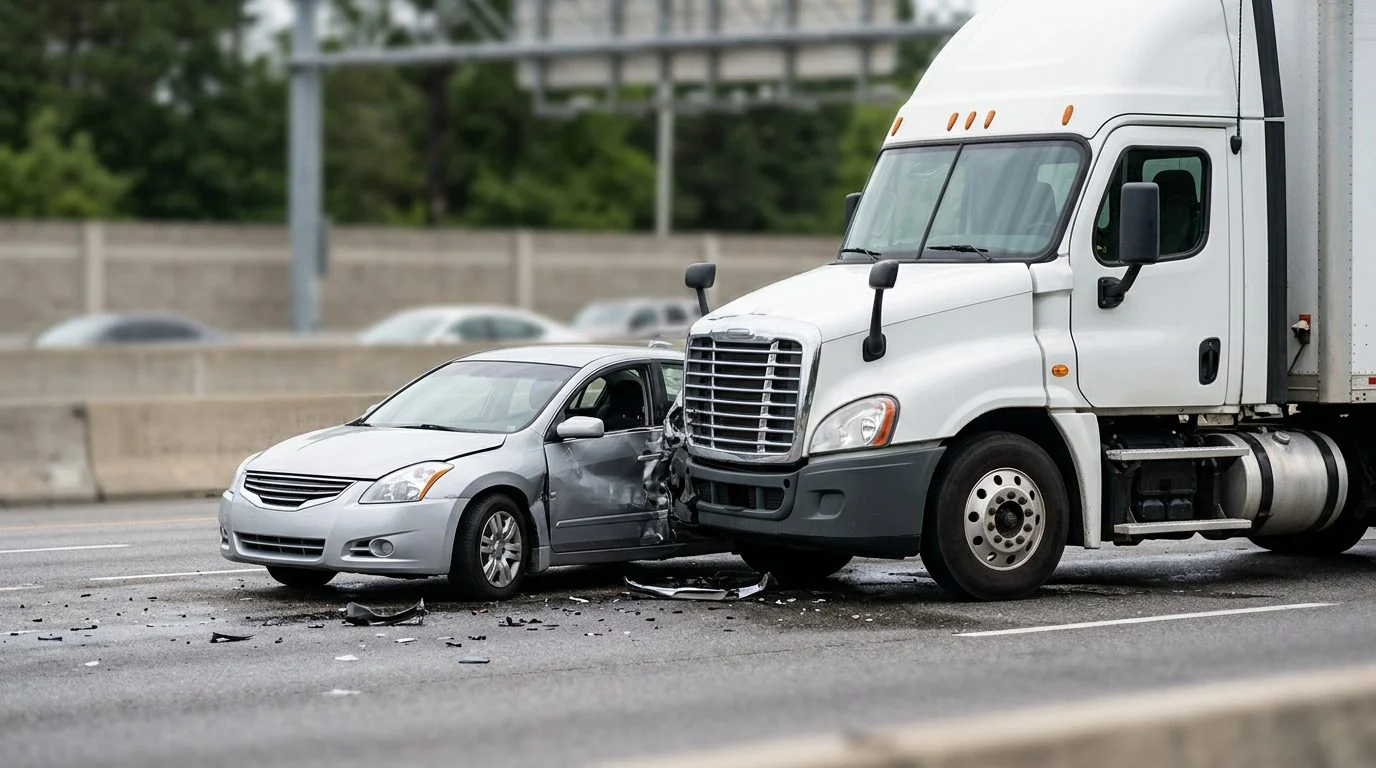
FedEx Truck Accidents | Florida
Hurt in a FedEx Truck Crash? Understanding Insurance Policy Limits in Florida
Serious injuries can produce losses that exceed the insurance available. Here is what policy limits mean for your family and the steps you can take next.
By CHG Lawyers · Published November 3, 2026
FedEx Truck Accident Insurance Policy Limits in Florida
Insurance is usually the main source of money after a FedEx truck crash in Florida. Knowing how FedEx truck accident insurance policy limits work can help injured people and their families. It shows what coverage may apply. It also shows what could limit that coverage.
This guide explains these pieces in plain language. CHG Personal Injury Lawyers represents people hurt in crashes throughout Florida.
If a FedEx truck crash has left you or someone you love facing medical bills and confusing insurance letters, you may have a claim, and our team can review it with you. Talk it through with our team — the first consultation is free, confidential, and carries no obligation.

Who Pays After a FedEx Truck Crash?
Insurance usually pays most injury claims after a FedEx truck crash. The driver’s personal savings usually do not.
Most commercial delivery trucks carry commercial auto liability insurance. This policy pays for injuries and property damage. The insured person or company must be legally responsible for that harm.
That coverage can help pay for medical bills, lost income, and other losses from a collision. More than one party may be insured. Depending on the facts, the policy may cover:
- The driver
- The carrier that operates the truck
- The company that owns or leases the truck
FedEx Ground deliveries are often handled by independent contractors and owner-operators. Owner-operators are drivers who own their own trucks. This can change which policy applies. It can also change who is insured.
Each case depends on how the delivery was arranged and what the contracts say.
What a Policy Limit Means for Your Claim
A policy limit is the most an insurer will pay for one accident under that policy. Limits are usually one combined amount for the whole crash. If several people are hurt, they may have to share that amount.
Federal rules set a floor, which is a minimum. Under 49 CFR § 387.9, the minimum for for-hire carriers of nonhazardous property in interstate or foreign commerce is $750,000. This applies to vehicles with a gross vehicle weight rating of 10,001 pounds or more. That rating is the maximum weight the vehicle is built to carry.
That amount is a minimum, not a maximum. Actual coverage depends on the policy in place.
Excess and umbrella policies sit above the primary policy. The primary policy is the first policy that pays. Excess and umbrella policies can add to the total available. They count only if they apply to that crash.
Florida also gives you a tool to find out what coverage exists. Under § 627.4137, an insurer that does or may provide liability insurance coverage to pay all or a portion of a claim must answer a claimant’s written request within 30 days. A claimant is the person making the claim.
The answer is a sworn statement, which means it is signed under oath. It lists:
- The insurer’s name
- Each insured’s name
- The coverage limits
- Any coverage defense the insurer reasonably believes is available to it at the time of filing (a reason the insurer believes it does not have to pay)
The insurer must also give you a copy of the policy.
When Injuries Are Worth More Than the Policy
Sometimes injuries are worth more than the insurance that applies. In that case, a claim may need other sources of recovery. Recovery means money paid to the injured person.
Spinal cord injuries, traumatic brain injuries, and amputations can bring lifelong medical care and lost earning ability. These losses can exceed a single policy. That is why an early review matters.
Other possible sources a lawyer may evaluate include:
- Other drivers who contributed to the crash
- Companies that maintained, repaired, or loaded the truck
- Companies that selected the carrier. In a 2026 decision, Montgomery v. Caribe Transport II, the U.S. Supreme Court held that a negligent-hiring claim against a broker falls within a federal safety exception. A negligent-hiring claim says a company was careless when it chose another company to do the work. A broker is a company that arranges shipping.
An individual defendant’s personal assets are a separate question. Those assets are not insurance. They do not replace it.
Be careful with releases. A release is a signed document that gives up your right to sue. Under § 768.041, a release given to one party does not release others who may be liable for the same harm.
Money you receive under a release or covenant not to sue can be set off against a later judgment if a defendant shows the court at trial that you received it in partial satisfaction of the damages sued for. A judgment is a court’s final decision on what is owed. Set off means the money you already received is subtracted from that amount. In plain terms, it lowers the amount a court awards later.
If the injured person has Medicare, the Centers for Medicare & Medicaid Services explains the usual order. How accident-related medical bills are paid depends on the facts of each case, and an attorney can explain how the options apply to your situation. Government health coverage, such as Medicare, can also be involved in accident-related medical bills, and how those bills are handled depends on the facts of each case.
Florida Rules That Shape a Truck Crash Claim
Florida uses a no-fault system first. Then it uses a permanent-injury threshold for larger claims.
Under § 627.737, owners and operators of insured vehicles are exempt from tort liability for bodily injury. Tort liability means being sued for money damages. Fla. Stat. § 627.737 reads: “unless a person is entitled to maintain an action for pain, suffering, mental anguish, and inconvenience for such injury under the provisions of subsection (2).” This applies to the extent that no-fault benefits are payable. These benefits are called PIP, or personal injury protection.
You may bring a claim for pain and suffering only if your injury meets a listed threshold. A threshold is the minimum level of injury the law requires. The threshold includes:
- Significant and permanent loss of an important bodily function
- Permanent injury within a reasonable degree of medical probability, other than scarring or disfigurement
- Significant and permanent scarring or disfigurement
- Death
Pedestrians and passengers may fall under different policies. Which coverage applies must be checked against the facts.
Under § 768.81, in a negligence action, the court enters judgment against each party on the basis of that party’s percentage of fault, not on the basis of joint and several liability.
Deadlines matter. Under § 95.11, a negligence lawsuit must be started within two years. Contact our firm promptly so you do not miss a deadline.
What to Expect After a FedEx Truck Crash
The first steps are medical care, evidence, and careful talks with insurers. Here is the usual path, in order:
- Get medical care and follow your doctors’ plan. Early medical records help link your injuries to the crash.
- Write down what you can. Keep the police report number, photos, and witness names. Report the crash to your own insurer.
- Be careful with recorded statements. Adjusters are insurance claim workers. Trucking company adjusters work for the other side. Do not sign a release until your injuries are understood.
- Preserve evidence. Electronic logs, dashcam video, and maintenance records can be overwritten or thrown away. A written preservation request is a letter asking the other side to keep these records. It helps protect them.
- Document the full loss. Gather bills, pay records, and notes on future care needs.
- Demand, negotiate, and if needed, sue. Each claim moves at its own pace. No timeline can be promised.
Not sure what your next step is?
Talk it through with our team — the first consultation is free, confidential, and carries no obligation.
Why Choose CHG Personal Injury Lawyers for a FedEx Truck Claim
CHG Personal Injury Lawyers is a Florida-based personal injury firm. It handles truck crashes, catastrophic injuries, and wrongful-death claims for clients throughout Florida.
Igor Hernandez is the responsible lawyer for this page. The firm’s lawyers are licensed attorneys admitted to The Florida Bar.
Our team reviews policy structure and limits. We preserve evidence and document the full cost of an injury.
Our firm charges no attorney’s fees and no case costs unless there is a recovery. Some matters may be referred to, or handled together with, another law firm.
Frequently Asked Questions About FedEx Truck Accident Insurance in Florida
How much do you get if a FedEx truck hits you?
No amount can be promised. The value of a claim depends on the facts. These include injuries, fault, coverage, and documented losses.
What happens when a claim exceeds insurance limits in Florida?
Other sources may be explored, such as other at-fault parties. An early review helps decide the next steps.
Is Florida a no-fault state for collisions?
Florida uses no-fault (PIP) benefits first. Larger claims for pain and suffering require a permanent-injury threshold under § 627.737.
What happens if a FedEx driver gets in an accident?
The driver, the carrier, and any contractor may each be involved. It depends on who employed or contracted with the driver. Evidence preservation should start right away.
Can a family bring a claim after a fatal FedEx truck crash?
Florida law allows a wrongful-death claim when a death is caused by a wrongful act or negligence. See § 768.19. Families should contact our firm promptly.

Talk With Igor Hernandez About Your FedEx Truck Crash
If you are reading this while a loved one recovers, you do not have to face it alone. Maybe you are sorting through insurance letters you never expected.
Please contact our team for a free, confidential initial consultation. There is no obligation to continue. We can review the policy limits and Florida deadlines for your crash.
How CHG Personal Injury Lawyers Can Help
Focused on Florida Injury Claims
The firm handles personal-injury cases for people hurt across Florida, including crashes involving commercial delivery trucks.
Reviewing the Insurance
We look at the coverage that may apply, including policy limits, so you can understand what may be available for the injured person and family.
Plain-Language Guidance
Our lawyers and team explain each step clearly, so you always know what is happening with your claim.
Prompt Attention
Records, photos, and witness details can change quickly after a crash. Contacting us early helps protect them.
Fees Only If There Is a Recovery
CHG charges no attorney's fees and no case costs unless there is a recovery.
Deadlines Apply
Injury claims in Florida are subject to filing deadlines, and insurance companies may move quickly after a crash. Contact the firm promptly so that important steps are not missed.
Information to Gather After a FedEx Truck Crash
Crash Details
Photos of the scene, vehicles, and any visible damage, along with the date, time, and location of the crash.
Medical Records
Keep every record of treatment and follow your doctors' care. Their notes help document the full extent of your injuries.
Insurance Information
Note the names of the drivers, companies, and policy details you have been given, and keep all letters from insurers.
Witness Contacts
Names and phone numbers of anyone who saw the crash can be important as the facts are reviewed.