
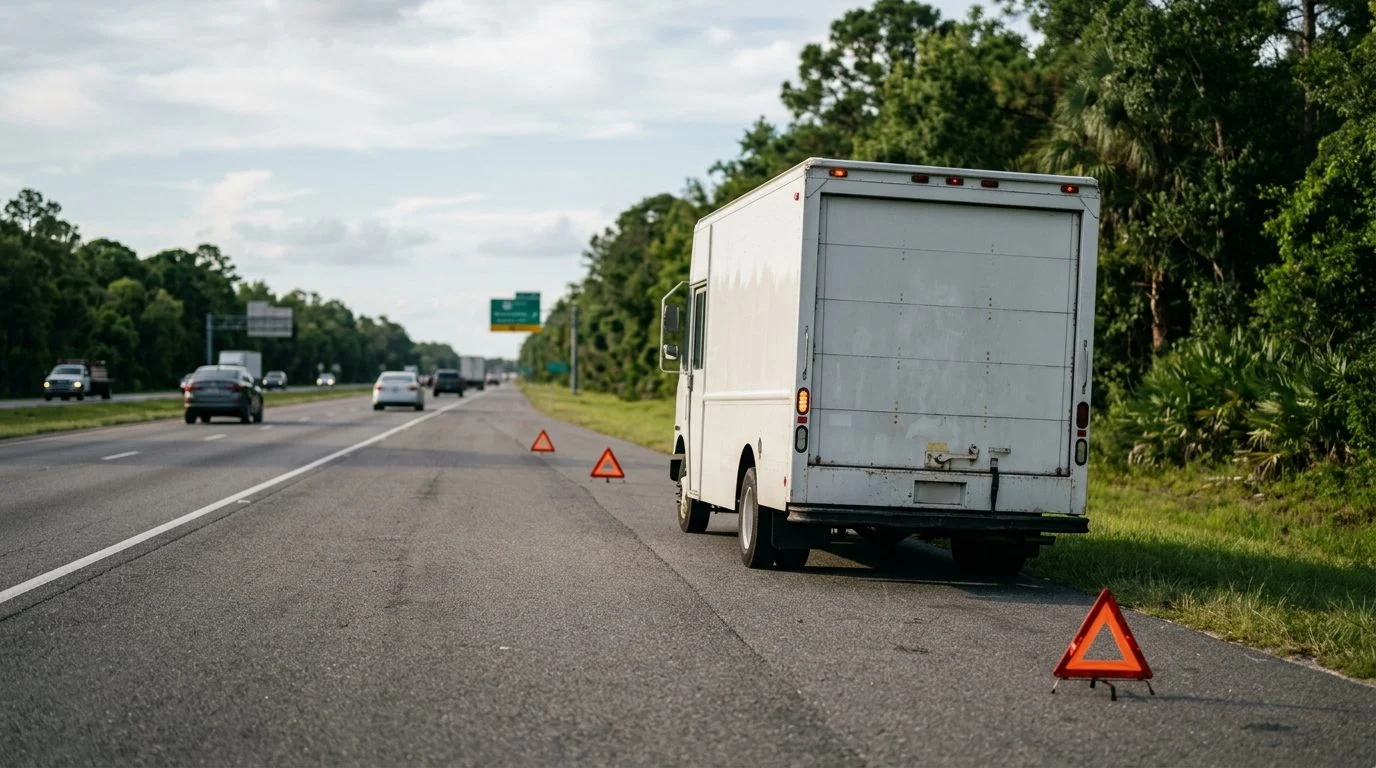
FedEx Contractor Accidents | Serving Florida
Hurt in a Crash with a FedEx Contractor Driver? You Don't Have to Sort It Out Alone.
Delivery drivers who work under contract can be involved in serious crashes, and figuring out who is responsible can be confusing. CHG Personal Injury Lawyers helps injured people and their families across Florida understand their options and take the next step.
Why Florida Families Contact Our Firm
Free
Confidential first consultation
No Fees
Unless there is a recovery
Florida
Based, serving clients statewide
Licensed
Attorneys admitted to The Florida Bar
By CHG Lawyers · Published October 27, 2026
If a FedEx truck or van hurt you or someone you love, you may ask: who pays? In Florida, the driver can be responsible. So can the company that hired the driver. Sometimes FedEx itself can be responsible, too.
The word “contractor” on a crash report or a driver’s paperwork does not answer the question.
What a FedEx Contractor Driver Accident Is, and Who This Page Is For
A FedEx contractor driver accident is a crash involving a FedEx-branded truck or van. The driver works under a contract. The driver may not be a direct FedEx employee.
Many FedEx Ground routes run through independent businesses. These businesses hire their own drivers.
These crashes happen in many ways across Florida. They include:
- Highway collisions on busy roads in Miami, Orlando, Tampa, and Jacksonville
- Crashes at intersections and during lane changes
- Collisions on residential streets, where delivery trucks stop often
- Backing incidents in driveways, parking lots, and loading zones
- Strikes involving pedestrians and cyclists
This page is for injured drivers and passengers. It is also for pedestrians and cyclists. It is for family members of someone killed in a crash like this.
The truck’s logo does not, by itself, decide who is legally responsible. The facts of the crash decide it. The business relationships behind the truck also matter.

Not sure what your next step is?
Talk it through with our team — the first consultation is free, confidential, and carries no obligation.
Who Can Be Held Responsible After a FedEx Contractor Crash
Several parties may share responsibility. The facts of each crash decide which ones.
- The driver, for negligent driving such as speeding, distraction, following too closely, or failing to yield.
- The contractor company that employed or contracted the driver.
- The vehicle owner or lessor. This is the company that leases the vehicle, when the owner is not the driver.
- FedEx entities, depending on who controlled hiring, training, routes, and vehicle standards.
- Other parties, such as a maintenance company whose work failed, or a vehicle maker if a defect made injuries worse.
Our lawyers review contracts, insurance policies, and company records. This helps us find every party that may be responsible.
Why the “Independent Contractor” Label Does Not End the Question
The contractor label depends on facts and paperwork. It is not a final answer.
Federal rules show why. One federal lease rule says lease terms “shall be adhered to and performed by the authorized carrier.” The rule does not treat the lease form as deciding whether a driver is a contractor or an employee (49 CFR § 376.12).
Under the federal lease rule (49 CFR § 376.12), the required lease provisions must be adhered to and performed by the authorized carrier. A motor carrier is a company that moves goods by truck. The carrier must “require observance” of the driver regulations. If the carrier is itself the driver, the driver is bound the same way (49 CFR § 390.11).
In practice, courts and insurers look at control. They ask:
- Who sets the schedule, the routes, the equipment, and the performance standards?
- Who could have checked the driver’s record, and did not?
These questions often decide whether a company answers for a driver’s negligence. Negligence means failing to use reasonable care. Each claim is an allegation. It must be proven with evidence.
Florida Law on Fault, Deadlines, and Insurance
Fault. Florida uses modified comparative fault. This is a rule that reduces your recovery based on your share of blame. Under Fla. Stat. § 768.81, an injured person’s own share of fault reduces the damages awarded in proportion to that share but does not by itself bar recovery. The exception is a person found more than half at fault for his or her own harm, who may not recover any damages. This bar does not apply to an action for damages for personal injury or wrongful death arising out of medical negligence pursuant to chapter 766. Florida uses a comparative fault system. In a products liability action alleging that injuries were enhanced by a defective product, the trier of fact shall consider the fault of all persons who contributed to the accident when apportioning fault.
Florida also makes each liable party pay its own percentage of fault. It does not split the total as a joint share, but this section does not apply to any action brought by any person to recover actual economic damages resulting from pollution, to any action based upon an intentional tort, or to any cause of action as to which application of the doctrine of joint and several liability is specifically provided by chapter 403, chapter 498, chapter 517, chapter 542, or chapter 895. Under Florida’s comparative fault rules, in a negligence action the court shall enter judgment against each party liable on the basis of such party’s percentage of fault and not on the basis of the doctrine of joint and several liability, so identifying every party that contributed to the harm can affect the total recovery.
Deadlines. Deadlines are strict. A limitations statute is the law that sets the filing deadline. The date your claim arose matters. Deadlines apply to these claims, so it is important to contact the firm promptly.
Insurance. Insurance limits matter too. These are companies that haul non-dangerous goods for pay across state lines. The rule applies to trucks of 10,001 pounds or more. The minimum is $750,000 in public liability coverage. This is insurance that pays people hurt by the truck (49 CFR § 387.9). A serious injury can cost more than that minimum.
Florida also requires personal injury protection (PIP) on private vehicles. PIP is a type of auto coverage that pays certain medical and wage costs after a crash.
Evidence to Keep and How to Report an Aggressive Driver
The most useful evidence is usually gathered in the first days after a crash. Start with these steps:
- Call 911 right away if anyone is in immediate danger.
- Ask for a police report and write down the report number.
- Note the date, time, location, and direction of travel.
- Record the truck’s DOT number and the company name on the vehicle.
- Photograph the vehicle damage, the scene, lane positions, and visible markings.
- Collect witness names, phone numbers, and any dashcam footage.
Florida’s crash-report statute requires a long-form crash report. The report must be submitted within 10 days after the investigating officer finishes the investigation. The rule applies to crashes involving death, personal injury, or any complaint of pain or discomfort. The crash report lists the names of the insurance companies for the parties involved in the crash.
Keep a written timeline. Include your symptoms, treatment, missed work, and out-of-pocket costs. Follow your doctors’ care. Keep every medical record.
Have questions about what happened?
Ask our team directly. The first conversation is free, confidential, and there is no obligation to continue.
How a FedEx Contractor Driver Accident Claim Typically Moves Forward
A claim usually moves through five stages, from first contact to resolution:
- Free case evaluation. You share the crash facts, any paperwork you have, and your medical situation.
- Investigation. Our team identifies each party that may be responsible. We review contracts and insurance.
- Evidence preservation. We request records such as trip logs, electronic logging device data (a device that records driving hours), and maintenance files.
- Claim presentation. The claim goes to the insurers and companies involved. If needed, a lawsuit is filed before the deadline.
- Resolution. The case ends through settlement or trial. You are kept informed at each stage.
Timelines vary with the injuries, the number of parties, and the court schedule. No one can promise a timeline or result in advance.
Why Work With CHG Personal Injury Lawyers
CHG Personal Injury Lawyers is a Florida-based personal injury firm. We serve people across Florida, including Miami, Orlando, Tampa, and Jacksonville.
- Our lawyers are licensed attorneys admitted to The Florida Bar.
- Igor Hernandez is the responsible lawyer for this page.
- The practice focuses on car and truck crashes, catastrophic injuries such as spinal cord injuries and traumatic brain injuries, and wrongful death.
- Our team handles investigation, insurance communication, and paperwork. This lets you focus on recovery.
- Your first consultation is free, confidential, and carries no obligation to continue.
- CHG charges no attorney’s fees and no case costs unless there is a recovery.
Frequently Asked Questions About FedEx Contractor Driver Crashes
Can I sue FedEx if the driver was a contractor?
Possibly. Whether FedEx entities can be held responsible depends on who controlled the work. It also depends on what the contracts say.
What is the 51% rule in Florida?
Florida’s modified comparative fault rule bars recovery if you are more than 50% at fault. Under Florida’s comparative fault law, a party found more than 50 percent at fault for his or her own harm may not recover any damages. This rule does not apply to medical negligence claims under chapter 766.
How much insurance should a delivery carrier have?
Federal rules set a minimum of $750,000 in public liability coverage for for-hire interstate carriers of nonhazardous property using vehicles with a gross vehicle weight rating of 10,001 pounds or more. This applies to many for-hire interstate carriers of nonhazardous freight.
How long do I have to file?
For most Florida negligence claims, the deadline is two years. Wrongful death claims have their own rules. Contact a lawyer promptly.
How can I report an aggressive FedEx driver?
Write down the time, place, DOT number, and company name on the truck. Call 911 if anyone is in immediate danger.
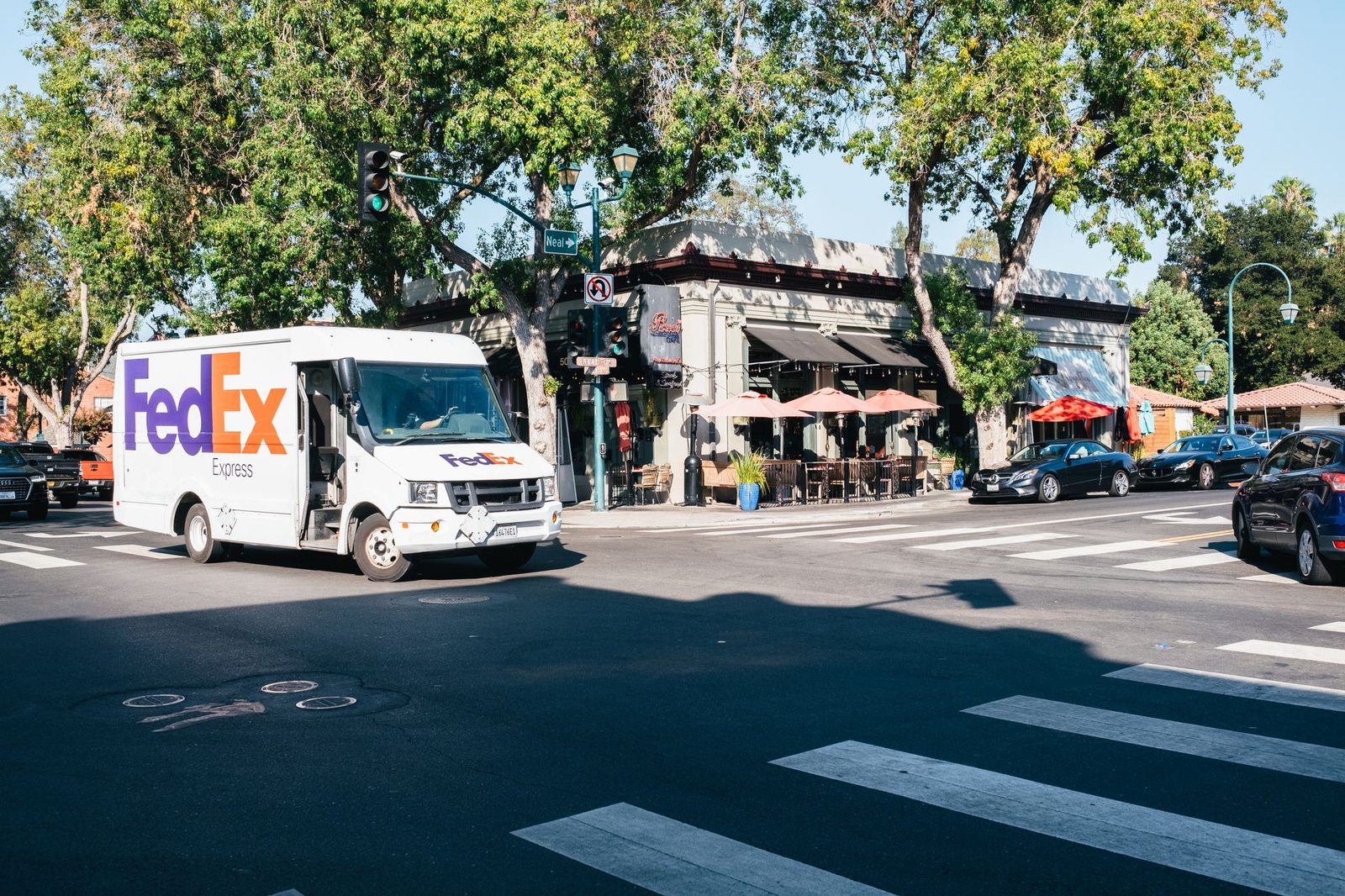
Talk With a Florida Lawyer About Your FedEx Truck Crash
If a FedEx contractor driver’s truck left you hurt or grieving, more than one company may share responsibility. Our team can review your crash facts and deadlines with you.
The first consultation is free and confidential, with no obligation to continue. Contact CHG Personal Injury Lawyers to start that conversation.
Want to know where you stand?
Tell us what happened and our team will walk you through the options available to you, at no cost.
What You Can Expect When You Reach Out
A Real Conversation
Tell us what happened in your own words. We listen first, then explain what we can and cannot tell you based on the facts you share.
Protecting Your Rights
We help you deal with insurance companies and other parties so you can focus on your recovery and your family.
Respect for Your Situation
Whether your injuries are everyday or life-altering, our team treats your case with patience and care.
Clear, Plain-Language Guidance
We explain each step of the process so you always know where your case stands.
Before You Talk to an Insurance Adjuster
Insurance representatives work for the companies that may be responsible for your losses. Before giving a recorded statement or signing any paperwork, consider speaking with a lawyer about your situation.
Information That Can Help Your Case
Photos and Video
Pictures of the vehicles, the roadway, skid marks, and your injuries can capture details that fade over time.
Police and Crash Reports
Write down the report number and the name of the responding agency. Keep a copy of any report you receive.
Medical Records
Keep every visit summary, test result, and bill. Follow the care plan your doctors recommend.
Witness Information
Names and phone numbers of anyone who saw the crash can be valuable. Ask them to share what they remember while it is still fresh.