

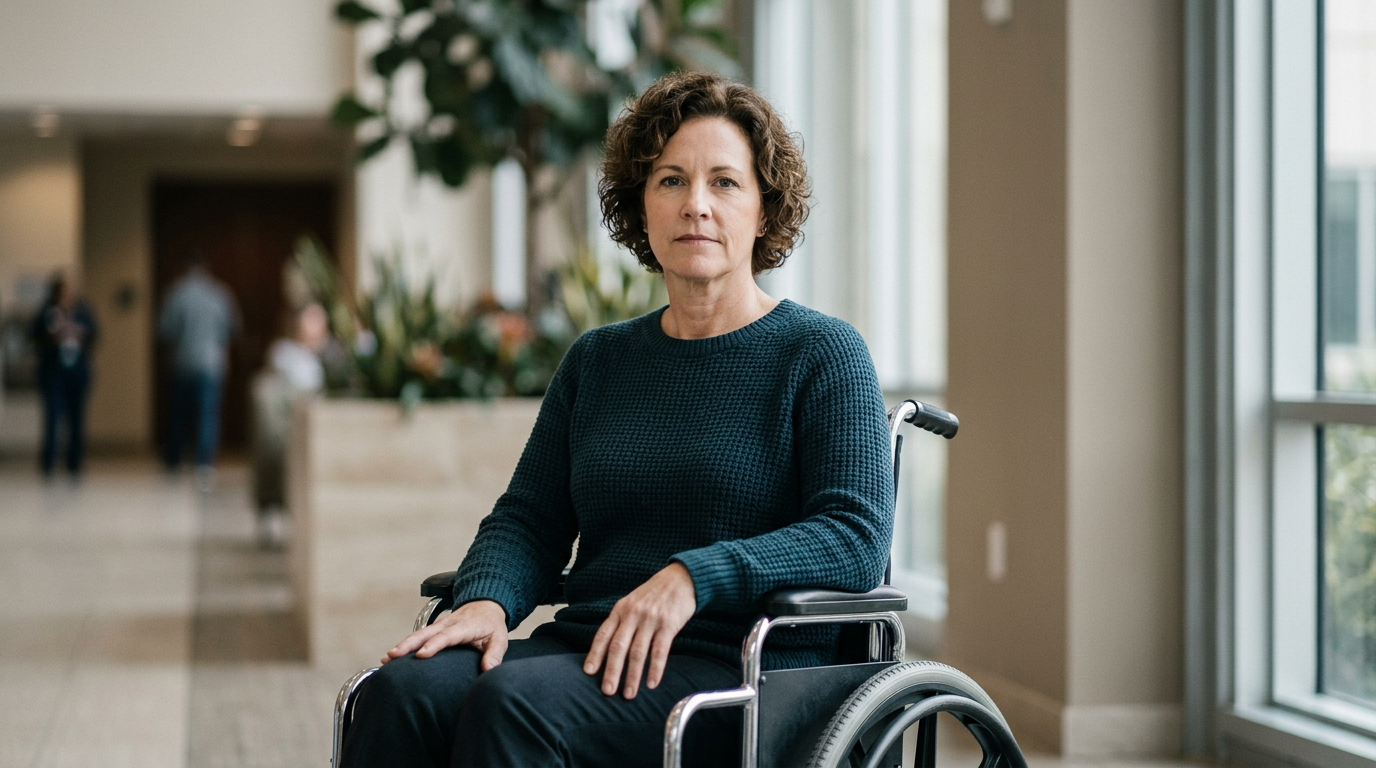
Catastrophic Injury Help — Florida
When an Injury Changes Everything, You Don't Have to Face It Alone
CHG Personal Injury Lawyers represent people and families across Florida after serious, life-altering injuries — spinal cord damage and paralysis, traumatic brain injury, amputation, severe burns, and fatal accidents. We're here to help you understand your options.
Why Families Turn to CHG
Licensed
Attorneys admitted to the Florida Bar
$0
Upfront to talk with a lawyer
Nationwide
Cases handled beyond Florida
Bilingual
English & Spanish support
By CHG Lawyers · Published August 11, 2026
Catastrophic Injury Help in Florida: Your First Steps After a Life-Altering Accident
Did you or a loved one survive a serious, permanent injury in Florida? Or did a family member not survive? The choices you make in the first few weeks can shape the rest of your life.
Insurance adjusters know this. That is why they move fast.
So the best thing you can do is talk to a lawyer who handles catastrophic-injury cases. Do this before you give a statement, sign a release, or cash a check.
At CHG Personal Injury Lawyers, our attorneys are admitted to the Florida Bar. We focus on life-altering injuries and wrongful death.
Below, we explain what qualifies. We also cover the accidents that cause these injuries, the Florida deadlines that quietly control your case, and your next step.
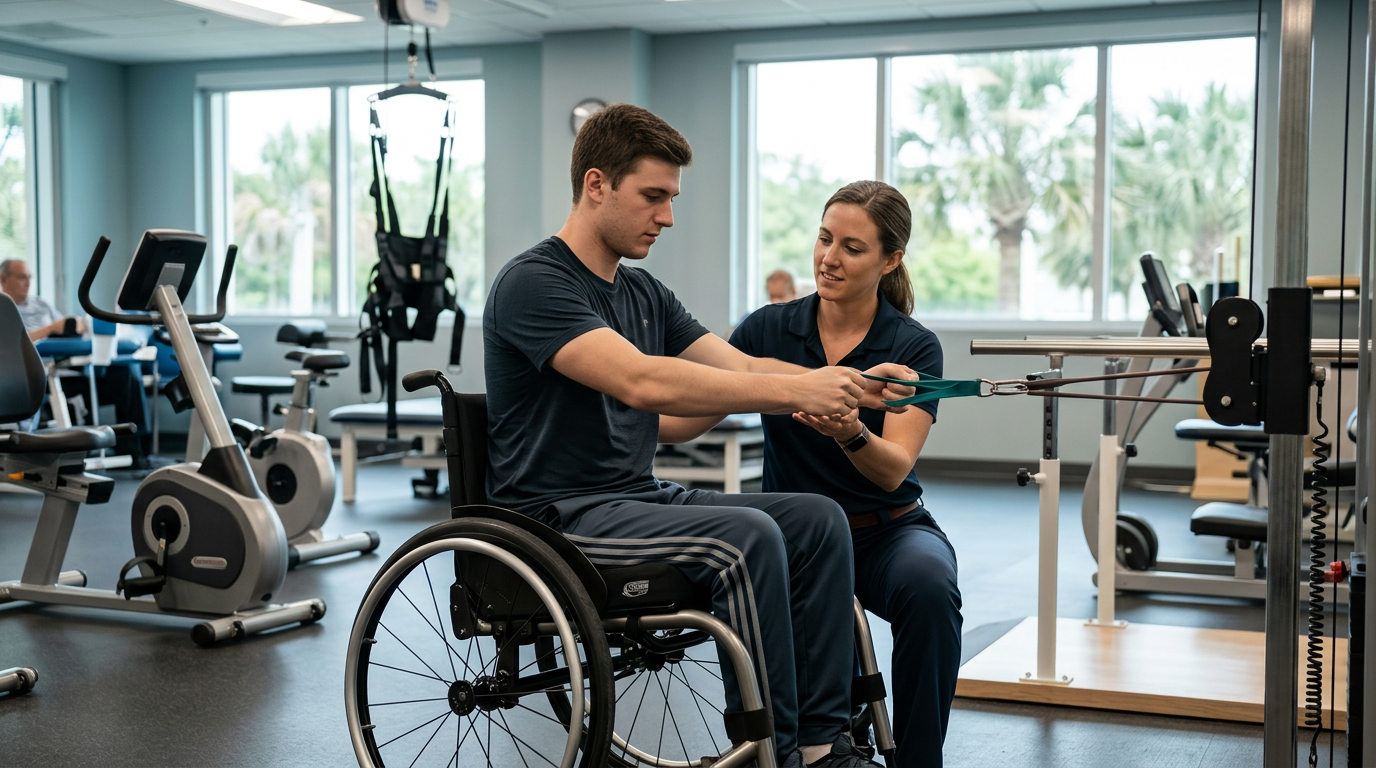
What counts as a catastrophic injury?
“Catastrophic” is not a marketing word. Florida uses it in the law. Under Fla. Stat. § 766.118(1)(a), a catastrophic injury includes:
- Spinal cord injury with severe paralysis of an arm, leg, or the trunk
- Amputation of an arm, hand, foot, or leg
- Severe brain or closed-head injury
- Second- or third-degree burns over 25% of the body, or third-degree burns to the face or hands
- Total blindness
That definition is a helpful guide for the injuries our attorneys handle:
- Spinal cord injuries and paralysis, including paraplegia and quadriplegia — see our spinal cord injury resource.
- Traumatic brain injuries (TBI) — brain damage that affects memory, speech, movement, or the ability to work and live on your own — see our TBI page.
- Amputation and limb loss, whether at the scene or in later surgery.
- Severe burn injuries that need skin grafts or many operations, or that leave permanent nerve damage and scarring.
- Catastrophic back and neck injuries with permanent harm.
- Wrongful death, when a family loses someone. A death is the most catastrophic outcome there is. Florida law lets certain surviving family members bring a claim under the Florida Wrongful Death Act, §§ 768.16–768.26.
In these cases, the lifetime costs are staggering. The University of Alabama’s National Spinal Cord Injury Statistical Center estimates first-year costs alone for high tetraplegia can top $1.3 million. Average lifetime costs for a person injured at age 25 can run into the millions of dollars (NSCISC facts and figures).
That is why a “quick” settlement is a problem. If it comes before anyone knows the full cost of future care, it is almost always too low.
What kinds of accidents lead to these injuries?
Truck accidents
A loaded tractor-trailer can legally weigh up to 80,000 pounds on interstate highways. A typical passenger car weighs about 4,000 pounds (FMCSA). That huge size gap is why truck crashes so often cause paralysis, brain injury, or death — not just sore muscles.
These cases also carry evidence that ordinary car crashes do not. This includes:
- Hours-of-service logs
- Electronic logging device (ELD) data — a digital record of driving time
- Drug-and-alcohol testing records
Federal rules require these records. But trucking companies only have to keep some of them for a limited time. That is one reason acting early matters. Our truck accident page explains more.
When you’re hurt by violence on someone else’s property
Say you were attacked on someone else’s property. Maybe you were assaulted, robbed at gunpoint, shot, or sexually assaulted. This could happen at an apartment complex, a parking lot or garage, a hotel or motel, a bar, a gas station, an ATM, or a store.
Now say the property had broken gate locks, burned-out lights, no working cameras, or no security — even though crime had happened nearby before. The criminal is at fault. But the property owner may also be legally responsible. They failed to provide reasonable security.
Lawyers call this negligent security. It is a type of premises-liability claim, which means a claim about an unsafe property. You do not need to know that term to have a case.
What matters is your situation. You were hurt on property someone else controlled, and reasonable steps might have prevented it. Start with our negligent security page.
We also handle other serious accidents and cases of medical negligence that leave a person permanently harmed.
The Florida deadlines that quietly control your case
Florida changed its personal-injury deadline in 2023. For most negligence claims — including car and truck crashes and negligent security — the deadline to file is now two years from the date of injury. This deadline is called the statute of limitations. It used to be four years (Fla. Stat. § 95.11(4)(a)).
Wrongful-death claims also generally have a two-year deadline (§ 95.11(4)(e)). Medical-negligence cases have their own timing rules and steps you must take before filing.
If you miss the deadline, your claim can be barred forever — no matter how strong it was.
What to do first
- Get medical care and follow your treatment plan. Your health comes first. Steady records also document the injury and its future costs.
- Save everything. Keep bills, discharge paperwork, photos, the crash or incident report, and the names of witnesses.
- Do not give a recorded statement to the other side’s insurer. And do not sign a release before you get legal advice.
- Contact a lawyer early. Security video is often erased within days. Truck-crash data can be lost if no one demands it in writing.
Our attorneys are admitted to the Florida Bar. We take catastrophic-injury cases across the country. You can reach us for a free case evaluation at any time.
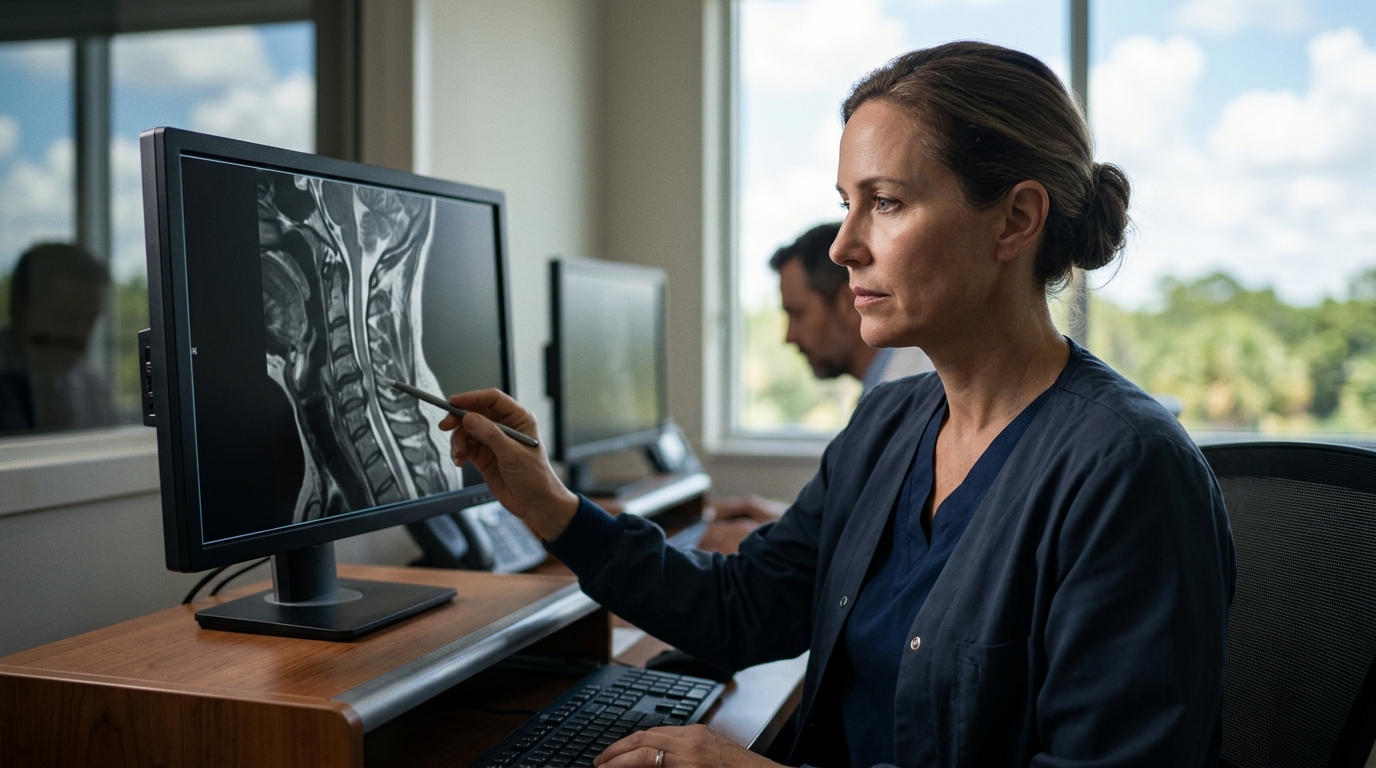
Frequently asked questions
What is a catastrophic injury?
It is a serious, permanent injury that changes your life and usually needs long-term care. Examples include spinal cord injury and paralysis, traumatic brain injury, amputation, or severe burns. Florida’s statute (§ 766.118) uses a similar definition.
Do I have to pay anything upfront to talk to a lawyer?
No. The case evaluation is free. Contact CHG Personal Injury Lawyers to discuss your situation.
How long do I have to file a claim in Florida?
For most negligence and wrongful-death claims, Florida now allows two years from the date of injury (§ 95.11(4)). Other case types have different rules. Deadlines are strict, and some evidence disappears quickly. So contact us right away, and we can review your specific situation.
A family member died in an accident. Can we still bring a claim?
Yes. A death is the most catastrophic outcome. Florida’s Wrongful Death Act lets certain surviving family members bring a claim. We can walk you through your options with care and respect.
Why should I act quickly even if I feel my case is strong?
Because the evidence that proves it can disappear. Surveillance footage, trucking logs, and maintenance records are often controlled by the other side. They can be erased on a routine schedule unless a lawyer formally demands that they be kept.
Serious Injuries We Handle
Spinal Cord Injuries & Paralysis
Paraplegia, quadriplegia, and catastrophic back and neck injuries that cause permanent impairment and require lifelong care.
Traumatic Brain Injuries
TBI that affects memory, movement, personality, and the ability to work or live independently.
Amputation & Limb Loss
Loss of an arm, leg, hand, or foot — and the ongoing costs of prosthetics, rehabilitation, and adaptation.
Severe Burns
Serious burn injuries requiring surgery, skin grafts, and long-term treatment for scarring and mobility.
Truck Accidents
Crashes involving large commercial trucks that often leave victims with catastrophic or fatal injuries.
Wrongful Death
A death is the most catastrophic outcome of all. We help families pursue accountability and support after a fatal accident.
Were You Hurt in a Violent Attack on Someone Else's Property?
If you were assaulted, shot, robbed, or otherwise attacked at an apartment complex, parking garage, hotel, bar, gas station, or store — and the owner failed to provide reasonable security like working locks, lighting, cameras, or guards — you may have a claim against that property owner. The law calls this negligent security. You don't need to know the legal term to ask us about your situation.
Common Questions
What is a catastrophic injury?
It's a serious, permanent injury that changes your life and usually needs long-term care — such as spinal cord injury and paralysis, traumatic brain injury, amputation, or severe burns. Florida's statute (§ 766.118) uses a similar definition.
Do I have to pay anything upfront?
No. Talking with us about your case costs nothing upfront. A case evaluation is free, and there is no obligation to move forward.
Do you take cases outside Florida?
Yes. We're based in Florida and admitted to the Florida Bar, and we handle catastrophic injury matters nationwide.
What if my family member died?
Fatal accidents are among the most devastating things a family can face. We help surviving loved ones understand wrongful-death claims and what steps they can take next.