


Traumatic Brain Injuries
Contrecoup Injury: A Hidden Threat After Head Trauma
Understanding how the brain can be injured on the opposite side of impact—and why it matters for your case.
By CHG Lawyers · Published September 01, 2026
Contrecoup Brain Injury: How Impact on One Side Causes Damage on the Other—and What It Means for Your Claim
A contrecoup injury is a brain injury on the opposite side of your head from where you were struck. When your head hits something hard—in a truck crash, a violent attack, or a fall—your brain moves rapidly inside your skull. It strikes the inner surface on the opposite side, causing damage far from the original impact point. This is a serious form of traumatic brain injury (TBI) that can cause permanent, life-altering changes.
If you or a family member has suffered this injury in an accident caused by someone else’s negligence, you need to understand how it happens and what your legal options are.
If your contrecoup injury resulted from a serious accident caused by negligence or wrongdoing, you may have a legal claim for damages. Talk it through with our team — the first consultation is free, confidential, and carries no obligation.
The Mechanism: Why Your Brain Moves Inside Your Skull
A contrecoup injury is a brain bruise (called a contusion) that develops on the opposite side from where you were hit. According to the National Institutes of Health, the injury happens because of physics: when your head is struck with force, your brain doesn’t stay still inside the skull. It accelerates and then decelerates rapidly.
Here’s what happens:
- Impact occurs: Your head strikes an object, or an object strikes your head with force (like a windshield in a truck crash, pavement in a fall, or a weapon in an assault).
- Your skull stops: The outer surface of your head absorbs the force and stops moving.
- Your brain keeps moving: Your brain is suspended in fluid inside the skull. It continues moving forward due to inertia—it doesn’t stop when your skull does.
- Brain bounces backward: Your brain tissue then moves in the opposite direction. It strikes the inner surface of the skull on the opposite side from the initial impact.
- Damage develops: Bruising, bleeding, or tearing of brain tissue occurs both at the impact site (called a coup injury) and on the opposite side (the contrecoup injury).
This dual injury—coup-contrecoup—is why contrecoup injuries are often more severe than the initial impact alone would suggest. The force required to make your brain bounce inside your skull is substantial, and the resulting damage can be extensive.
Coup vs. Contrecoup: Understanding the Difference
Coup injury: Damage occurs exactly where your head was struck. If you’re hit on the left side of your head, a coup injury affects the left side of your brain.
Contrecoup injury: Damage occurs on the opposite side of your brain from the impact. If you’re hit on the left side of your head, a contrecoup injury affects the right side of your brain.
Coup-contrecoup injury: Both types of damage occur in the same accident. Your brain is injured both at the impact site and on the opposite side.
According to the Brain Injury Association of America, coup-contrecoup injuries can involve bruising, bleeding, and diffuse axonal injury (damage to the nerve fibers that connect brain cells). The combination of injuries at two sites makes these injuries particularly dangerous and unpredictable.
Why Symptoms Can Appear Hours or Days Later
One of the most dangerous aspects of a contrecoup injury is that serious symptoms may not appear right away. You might feel fine after the accident, then develop severe headaches, confusion, or loss of consciousness hours or even days later.
This delayed onset happens because:
- Swelling develops gradually: Brain swelling takes time to develop and can worsen over hours or days.
- Bleeding accumulates: Internal bleeding in or around the brain may not cause noticeable symptoms until enough blood has built up to put pressure on brain tissue.
- Adrenaline masks symptoms: Right after an accident, adrenaline can mask pain and other symptoms.
This is why seeking medical attention immediately after any serious head impact is critical—even if you feel fine. Don’t wait to see if symptoms develop.
Not sure what your next step is?
Talk it through with our team — the first consultation is free, confidential, and carries no obligation.
Symptoms of a Contrecoup Injury
Symptoms can appear immediately or develop hours or even days after the head injury. Common symptoms include:
- Loss of consciousness or altered consciousness (confusion, dazedness)
- Severe headache that doesn’t improve with rest or medication
- Confusion or disorientation about time, place, or people
- Memory problems, especially difficulty forming new memories or recalling events around the injury
- Difficulty concentrating or thinking clearly
- Nausea and vomiting
- Dizziness or balance problems
- Sensitivity to light or sound
- Mood changes, irritability, emotional instability, or depression
- Sleep disturbances (sleeping too much or too little)
- Physical weakness or numbness in limbs
- Seizures (in severe cases)
If you experience any of these symptoms after a head injury, seek medical attention immediately. Don’t assume they’ll go away on their own.
Is a Contrecoup Injury Serious?
Yes. Contrecoup injuries are serious and can be life-altering. The severity depends on the force of the impact and which parts of your brain are affected. Even moderate contrecoup injuries can cause significant, lasting effects.
Some people recover fully with time and rehabilitation. Others experience permanent changes in:
- Cognition: Memory loss, difficulty concentrating, impaired judgment, or reduced processing speed
- Physical function: Balance problems, coordination difficulties, weakness, or paralysis (in severe cases)
- Emotional regulation: Mood swings, depression, anxiety, irritability, or personality changes
- Work capacity: Inability to return to previous employment or need for modified duties
In the catastrophic-injury cases we handle, we see people whose contrecoup injuries require:
- Long-term medical care and specialist treatment (neurologists, neuropsychologists, physiatrists)
- Ongoing rehabilitation and cognitive therapy
- Assistive devices or home modifications
- Reduced work capacity or permanent disability
- Significant financial burden from medical expenses and lost income
Even if you feel you’re “recovering well,” a contrecoup injury can have hidden long-term effects. Cognitive changes, emotional challenges, and physical limitations may not become apparent until weeks or months after the injury, when you try to return to work or resume normal activities.
What to Do If You’ve Suffered a Head Impact
Seek immediate medical attention. Go to an emergency room or urgent care facility right away. Tell the medical team exactly how the injury happened and describe any symptoms you’re experiencing, even if they seem minor.
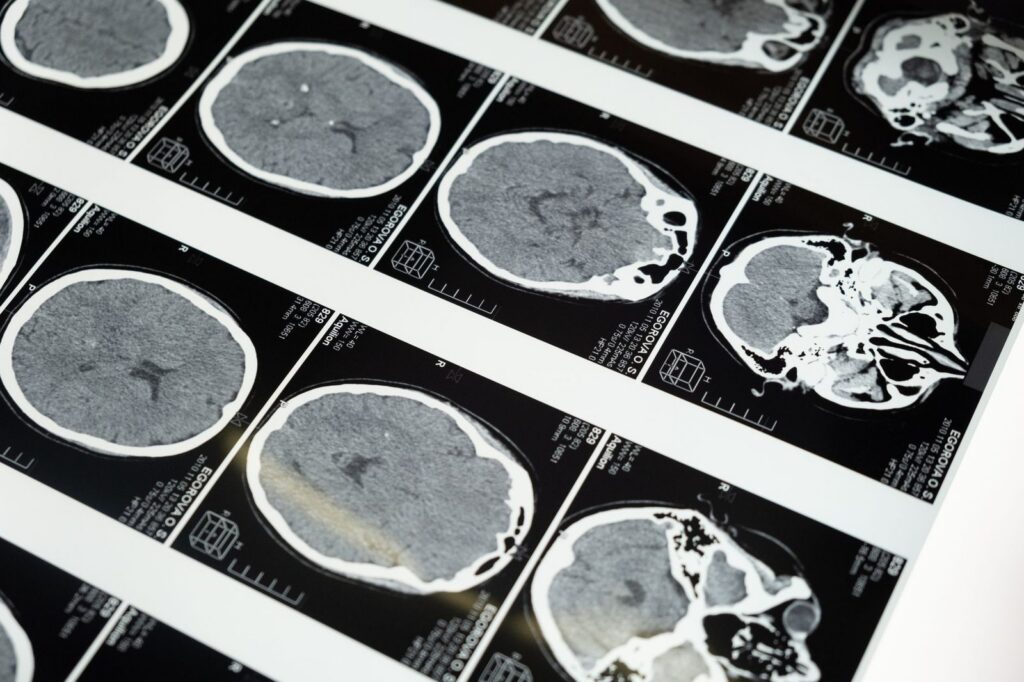
Get imaging done. Your doctor may order a CT scan or MRI to check for brain injury. According to the Radiology Reference, these imaging studies can identify contrecoup injuries that aren’t obvious from your symptoms alone. Don’t skip imaging even if you feel fine.
Follow all medical advice. Attend follow-up appointments, take prescribed medications, and follow restrictions on activity. Don’t return to work, driving, or physical activities until your doctor clears you.
Keep detailed records. Save all medical records, test results, bills, and documentation of your treatment. These records are important for your health and for any legal claim that may arise.
Document the accident. If the injury resulted from an accident caused by someone else’s negligence, write down what happened while it’s fresh in your memory. Take photos of the scene, get contact information from witnesses, and preserve any evidence (broken equipment, unsafe conditions, vehicle damage, security footage, etc.).
Legal Claims for Contrecoup Injuries Caused by Negligence
If your contrecoup injury resulted from a serious accident caused by negligence or wrongdoing, you may have a legal claim for damages. Common accidents that cause catastrophic contrecoup injuries include:
- Truck crashes caused by driver negligence, fatigue, or unsafe vehicle maintenance
- Violent attacks on unsafe property: Assaults, shootings, or robberies at apartment complexes, parking lots, hotels, bars, or businesses where the owner failed to provide reasonable security (working locks, lighting, cameras, or guards)
- Falls caused by negligent maintenance or unsafe conditions
- Motorcycle or ATV accidents caused by reckless driving or unsafe road conditions
- Workplace accidents caused by failure to follow safety rules or provide proper equipment
Damages in a contrecoup injury claim may include:
- Medical expenses (emergency care, hospitalization, surgery, ongoing treatment, rehabilitation)
- Rehabilitation and therapy costs
- Lost wages and lost earning capacity
- Pain and suffering
- Permanent disability compensation
- In fatal cases, wrongful death damages available to the family
Time limits apply. In Florida, the statute of limitations for personal injury claims is generally two years from the date of injury. Acting quickly is important to preserve evidence, interview witnesses while their memories are fresh, and protect your rights.
Have questions about what happened?
Ask our team directly. The first conversation is free, confidential, and there is no obligation to continue.
Frequently Asked Questions
How long does it take for contrecoup injury symptoms to appear?
Symptoms can appear immediately or develop hours or days after the head injury. Some symptoms may not become apparent until weeks later when you try to return to normal activities.
Can a contrecoup injury cause permanent brain damage?
Yes. Contrecoup injuries can result in permanent cognitive, physical, or emotional changes that require long-term medical care and rehabilitation.
Is a contrecoup injury considered a traumatic brain injury?
Yes. Contrecoup injuries are classified as traumatic brain injuries (TBI) and are serious medical conditions requiring professional evaluation and treatment.
What should I do if I think I have a contrecoup injury?
Seek immediate medical attention and get imaging done. Tell your doctor exactly how the injury happened so they can evaluate you properly.
If you’ve suffered a hard head impact in a serious accident you didn’t cause—a truck crash, a violent attack on unsafe property, a fall due to negligence, or another high-impact event—and you’re now dealing with ongoing symptoms, mounting medical bills, or lost work time, you may have a legal claim. The next step is to understand your options and what you may be entitled to recover.
Contact us for a free case evaluation.
Our attorneys focus exclusively on catastrophic injuries like contrecoup brain injuries. We’ll listen to what happened, review your medical records, and explain what comes next—with no obligation and no cost to you.
Symptoms May Not Appear Right Away
Contrecoup injury symptoms can develop hours, days, or even weeks after the initial head trauma. Never assume you're uninjured just because you feel fine immediately after an accident. Delayed symptoms—confusion, memory loss, headaches, balance problems, or personality changes—are red flags that demand medical attention.
What You Need to Know About Contrecoup Injuries
How Contrecoup Injuries Happen
When your head strikes an object or is struck by one, your brain moves inside your skull. A contrecoup injury occurs on the opposite side of the impact—the brain tissue is damaged where it crashes against the skull, away from the point of contact. This can cause severe, life-altering harm.
Common Causes in Catastrophic Accidents
Contrecoup injuries are common in truck crashes, motorcycle accidents, falls from height, assaults, and motor vehicle collisions. They also occur in workplace accidents, construction zone incidents, and other high-impact trauma. The force and direction of impact determine the severity.
Permanent Effects
Contrecoup injuries can result in permanent cognitive, physical, and emotional damage. Survivors may experience memory loss, difficulty concentrating, mood changes, balance and coordination problems, chronic headaches, and loss of independence. Some injuries lead to lifelong disability.
Why Medical Imaging Matters
Contrecoup injuries are diagnosed through CT scans, MRI, or other imaging that shows damage on the brain's opposite side. Early detection is critical. If you've suffered head trauma, seek immediate medical evaluation—even if symptoms seem minor at first.
Why Legal Action Matters After a Contrecoup Injury
Hold Negligent Parties Accountable
If your contrecoup injury resulted from someone else's negligence—a reckless driver, an unsafe property, inadequate security, or a defective product—you have the right to pursue a claim against them.
Recover Damages for Lifelong Care
Contrecoup injuries often require ongoing medical treatment, rehabilitation, assistive devices, and home modifications. A claim can help cover these costs and compensate you for lost income and reduced quality of life.
Get Support From Those Who Understand
Catastrophic brain injuries transform lives. You need legal counsel that understands the full scope of your injury, the permanence of your condition, and what fair compensation truly means.