

Truck Accident Claims
Commercial Truck Insurance: What You Need to Know After a Crash
Understanding coverage limits, liability requirements, and your rights when a commercial truck causes injury.
By CHG Lawyers · Published September 27, 2026
Commercial Truck Accident Insurance: Coverage, Limits & Your Rights
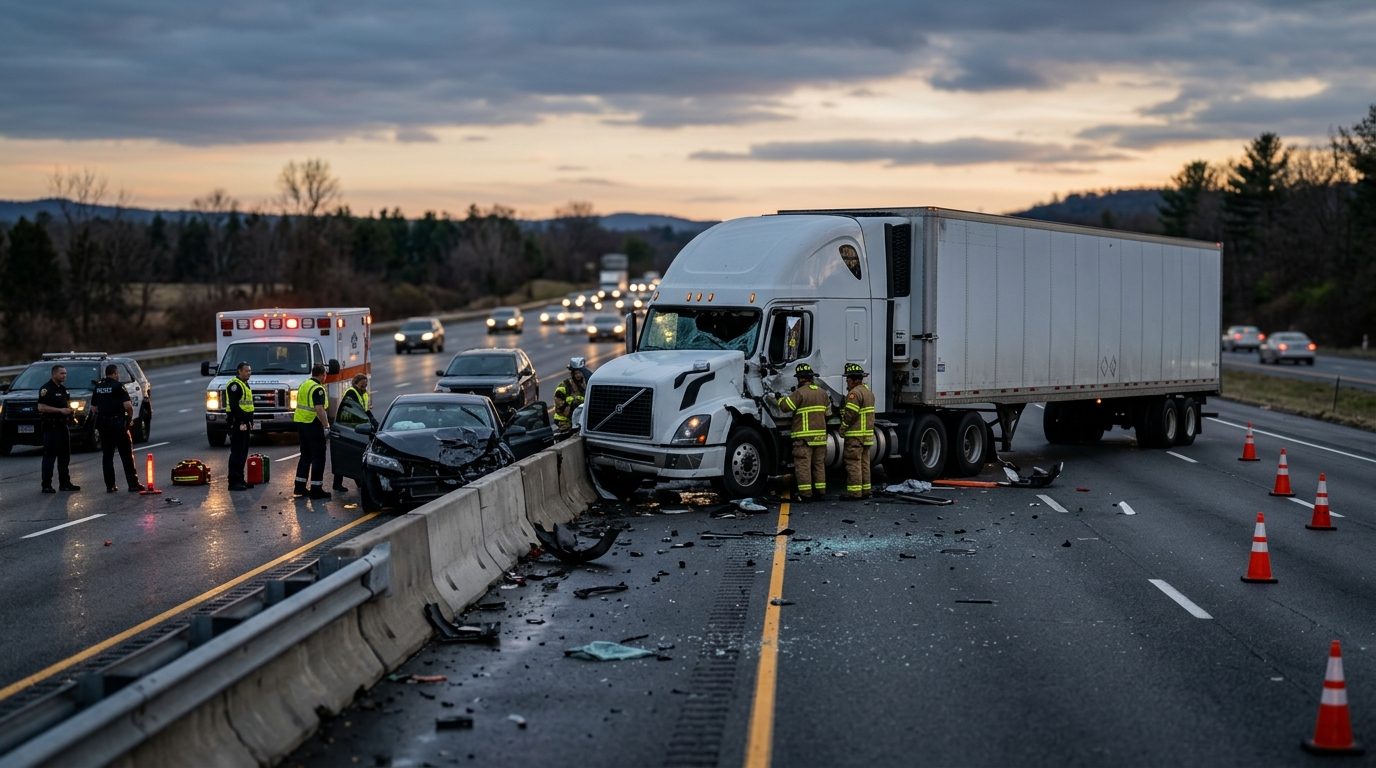
Commercial truck accident insurance is required by federal law. It works very differently from personal auto insurance—with higher limits and broader coverage. When a catastrophic truck accident occurs—causing spinal cord injury, paralysis, traumatic brain injury, amputation, or severe burns—understanding this insurance is essential to your recovery.
Not sure what your next step is?
Talk it through with our team — the first consultation is free, confidential, and carries no obligation.
Why Commercial Truck Insurance Differs from Personal Auto Insurance
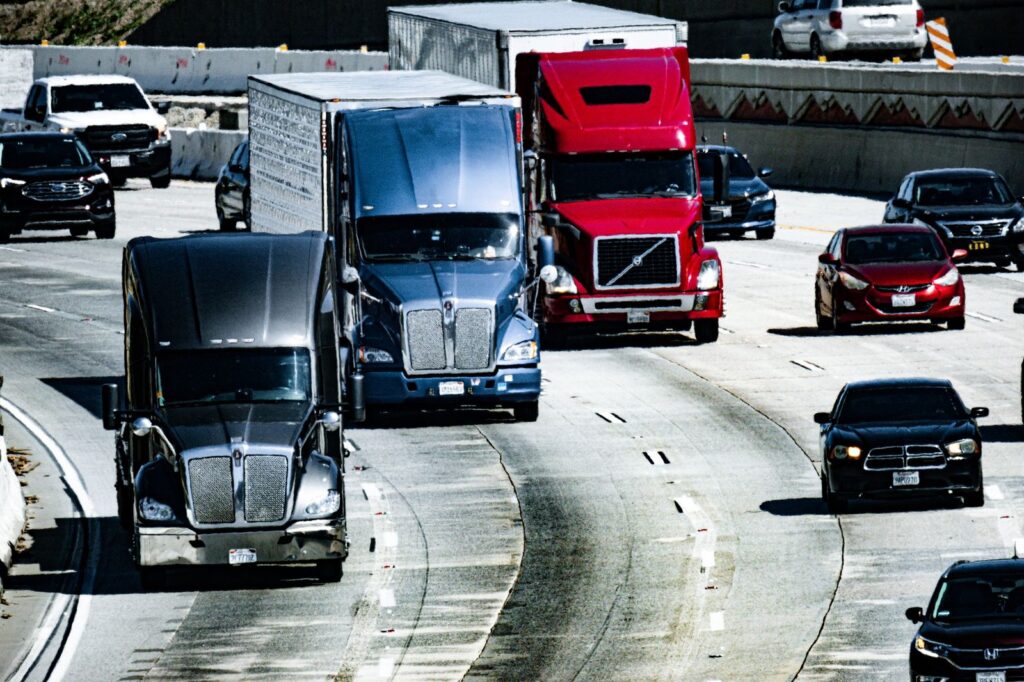
Personal auto insurance covers occasional, non-commercial driving. Commercial truck insurance is built for vehicles used in business. It reflects the much greater risk trucks pose.
A personal auto policy typically carries $100,000 to $300,000 in liability coverage. Commercial truck policies often require $750,000 to $1 million or more.
Federal and state regulations mandate minimum liability insurance for commercial trucking. The Federal Motor Carrier Safety Administration (FMCSA), under 49 CFR § 387, sets these minimums based on the truck’s weight and cargo type. Trucks carrying general freight must carry at least $750,000 in liability coverage. Hazardous materials carriers must carry higher limits—up to $5 million for certain shipments—because the risk of catastrophic harm is greater.
Commercial policies cover risks that personal policies do not:
- Cargo liability — protection for transported goods
- Non-trucking liability — coverage when a truck is used outside primary business operations
- Focused equipment coverage — protection for refrigerated units, flatbeds, or other focused gear
These differences exist because commercial trucking faces more complex and severe risks than personal driving.
What Commercial Truck Insurance Must Cover
Commercial truck insurance includes several coverage types:
Liability coverage is the main protection. It pays for bodily injury and property damage caused by the truck. This covers your medical bills, lost wages, rehabilitation, assistive devices, home modifications, and other damages if the truck driver is found liable.
Physical damage coverage protects the truck itself through collision and comprehensive protection. It covers accident, theft, or weather damage—but not injuries to other people.
Cargo insurance protects transported goods. Shippers and freight brokers often require this as a condition of doing business.
Uninsured and underinsured motorist coverage protects the truck driver and company if hit by an uninsured or underinsured vehicle.
Medical payments coverage covers immediate medical expenses for the truck operator and passengers, regardless of who caused the accident.
Together, these coverages create a more comprehensive safety net than personal auto insurance—necessary given the potential for severe injury.
Critical Evidence: Regulatory Documentation in Proving Negligence
Proving liability in a commercial truck accident often depends on regulatory documentation that trucking companies and drivers must maintain:
Driver logbooks and hours-of-service records (required by 49 CFR § 395) show whether the driver violated federal hours-of-service limits. Fatigue is a leading cause of catastrophic truck accidents. Electronic logging devices (ELDs) now provide digital records that are hard to falsify.
Vehicle maintenance records (required under 49 CFR § 396) document inspections, repairs, and maintenance. Brake failure, tire blowouts, and steering defects are common causes of catastrophic crashes. If maintenance records show neglect or delayed repairs, they prove negligence.
Driver qualification files (required by 49 CFR § 391) contain hiring records, driving history, medical certification, and training documentation. If a driver with a history of violations or accidents was hired despite red flags, this proves negligent hiring.
Accident reports and police reports provide independent documentation of crash circumstances.
Black box data (event data recorders) capture vehicle speed, braking, acceleration, and steering in the seconds before and after a crash.
These documents are not optional—they are legal requirements. When they are missing, falsified, or show violations, they become powerful evidence of negligence by the driver, the trucking company, or both.
Multiple Defendants, Multiple Insurance Policies
After a catastrophic truck accident, liability may extend beyond the driver to the trucking company and third parties—each with separate insurance:
The truck driver carries liability under the commercial truck policy. If the driver was negligent (speeding, distracted driving, fatigue, following too closely, improper lane changes), their negligence is the foundation of your claim.
The trucking company may be liable under vicarious liability for the driver’s negligence. Additionally, the company may be directly negligent for: – Hiring or retaining an unqualified or unsafe driver – Failing to maintain the vehicle – Pressuring drivers to violate hours-of-service rules – Inadequate training or safety protocols
The trucking company’s commercial liability policy typically covers both the driver’s negligence and the company’s own negligence.
Third-party contractors may also bear liability: – Maintenance contractors who service brakes, tires, or steering – Cargo loaders who improperly load or secure freight – Truck manufacturers if a vehicle defect contributed to the crash – Parts suppliers if a defective component (brake pads, tires, coupling) failed
Each third party may carry separate liability insurance. A maintenance contractor’s negligence in servicing brakes, for example, may be covered by that contractor’s general liability or professional liability policy—separate from the trucking company’s policy.
Identifying all liable parties and their insurance coverage is critical. A catastrophic injury claim may involve multiple insurance policies with different limits, exclusions, and coverage terms.
Why Commercial Truck Liability Limits Are Higher
Commercial truck liability limits are substantially higher than personal auto limits because trucks cause more severe damage and injury. A fully loaded commercial truck weighs 80,000 pounds or more. When such a vehicle strikes a car, motorcycle, or pedestrian, results are often catastrophic.
Spinal cord injuries from truck accidents can result in paraplegia (paralysis of the lower body) or quadriplegia (paralysis of all four limbs). Traumatic brain injury can cause permanent cognitive, physical, and behavioral changes. Severe burns, amputations, and other life-altering injuries are common in catastrophic truck crashes.
The lifetime cost of catastrophic injury is substantial. Emergency surgery, hospitalization, rehabilitation, ongoing medical care, assistive devices, home modifications, lost earning capacity, and pain and suffering can total $2 million, $5 million, or more. Higher policy limits exist because potential harm is proportionally greater.
Have questions about what happened?
Ask our team directly. The first conversation is free, confidential, and there is no obligation to continue.
How Commercial Truck Insurance Responds After a Serious Accident
After a catastrophic truck accident, the at-fault truck driver’s commercial insurance becomes the first source of recovery for medical bills, lost wages, and other damages.
The insurance carrier investigates the accident and determines liability based on policy terms and crash facts. They request medical records, accident reports, witness statements, regulatory documentation (logbooks, maintenance records, driver files), and other evidence. An adjuster is assigned to your case.
If the truck driver or company is found liable under policy terms, the insurance pays your damages—up to the policy limit. If your damages are $1.5 million but the policy limit is $1 million, the policy pays $1 million. You may then pursue additional recovery through other means, such as a claim against the trucking company’s personal assets or a lawsuit seeking damages beyond the insurance limit.
Commercial policies often include specific exclusions or conditions. Coverage may not apply if the driver operated outside employment scope, was under the influence of drugs or alcohol, or violated safety regulations. Understanding these exclusions is critical—they affect whether the insurance company must pay your claim.
Owner-Operator and Non-Trucking Liability Coverage
Owner-operators are independent truck drivers who must carry their own commercial insurance. This coverage is often more expensive and has different requirements than coverage for employed drivers.
Non-trucking liability coverage protects an owner-operator when the truck is used for personal purposes or outside a freight contract. Personal auto insurance typically does not cover commercial use. If an owner-operator causes a catastrophic accident while operating outside a freight contract, their non-trucking liability policy may be the source of recovery.
This distinction matters. If you are injured by an owner-operator, you need to know whether they operated under a freight contract (covered by primary commercial policy) or used the truck personally (covered by non-trucking liability). The coverage source affects the claims process and available limits.
Why Insurance Limits Matter When You Are Seriously Injured
A catastrophic truck accident injury—paraplegia, quadriplegia, severe traumatic brain injury, severe burns, or amputation—can cost millions of dollars over a lifetime. Immediate emergency care, surgery, and hospitalization are just the beginning. Ongoing medical treatment, rehabilitation, home care, assistive technology, and lost earning capacity continue for decades.
If the at-fault truck driver’s policy limit is $1 million but your damages total $3 million, the policy pays $1 million. You must then pursue other recovery options—a claim against the trucking company’s assets, a lawsuit, or both.
Understanding the commercial truck insurance landscape is essential. You need to know what coverage exists, what policy limits are, what exclusions may apply, and which parties may bear liability. This knowledge is the foundation for protecting your rights and maximizing your recovery.
How Much Does Commercial Truck Insurance Cost?
Commercial truck insurance premiums vary widely. The truck’s size and weight, driver experience and safety record, cargo type, distance traveled, and insurance company underwriting criteria all affect cost.
A typical commercial truck liability policy costs $1,200 to $2,500 per year for a small operation. Larger fleets or hazardous cargo operations pay significantly more. These costs are business expenses for trucking companies and owner-operators. They do not directly affect your claim, but they influence whether a trucking company maintains adequate coverage.
Want to know where you stand?
Tell us what happened and our team will walk you through the options available to you, at no cost.
Frequently Asked Questions
What is the minimum liability insurance required for commercial trucks?
The Federal Motor Carrier Safety Administration requires commercial trucks carrying general freight to carry at least $750,000 in liability coverage under 49 CFR § 387. Hazardous materials carriers must carry higher limits.
What does commercial truck insurance cover that personal auto insurance does not?
Commercial truck insurance covers cargo liability, non-trucking liability for owner-operators, and higher bodily injury and property damage limits. Personal auto policies do not address these commercial risks.
What happens if damages from a truck accident exceed the insurance policy limit?
You may pursue additional recovery through a claim against the trucking company’s assets or a lawsuit seeking damages beyond the insurance limit.
How long do I have to file a claim after a commercial truck accident?
Under Florida Statutes § 95.11, you generally have two years to file a personal injury lawsuit in Florida. Report your claim to the insurance company as soon as possible.
Can I recover damages if I was partially at fault for the truck accident?
Under Florida’s comparative fault law (Fla. Stat. § 768.81), you may recover damages even if partially responsible—as long as you were not more than 50% at fault.
Key Takeaways
Commercial truck insurance is required by federal law and covers the severe damage and injury that commercial trucks cause. Policy limits are substantially higher than personal auto insurance because the potential for catastrophic harm is greater. Regulatory documentation—logbooks, maintenance records, and driver files—becomes critical evidence in proving negligence. Liability may extend to the driver, the trucking company, and third-party contractors, each with separate insurance. After a serious truck accident, identifying all liable parties and their coverage is essential to maximizing your recovery.
If you or a family member has suffered a catastrophic injury in a truck accident, understanding the insurance coverage available and your rights is the first step toward recovery. The landscape is complex—federal regulations, state law, insurance policy terms, multiple defendants, and the true cost of catastrophic injury all intersect.
Contact CHG Personal Injury Lawyers for a free case evaluation.
Insurance Limits Are Often Insufficient
Federal minimum liability coverage ($750,000 for general freight) frequently falls short of the actual damages caused by catastrophic truck crashes. Injured victims and families may have additional recovery options beyond the truck's insurance policy.
Key Coverage Types in Commercial Truck Insurance
Liability Coverage
Covers bodily injury and property damage the truck causes to others. Federal law sets minimum limits based on cargo type; actual policies often carry higher limits.
Cargo Coverage
Protects the freight being transported. Does not cover injuries to third parties or damage to other vehicles—that falls under liability.
Physical Damage Coverage
Covers damage to the truck itself from collision, theft, or weather. Separate from liability and does not compensate injured parties.
Uninsured/Underinsured Motorist Coverage
Protects the truck operator and passengers if hit by an uninsured or underinsured vehicle. Not applicable when the truck is the at-fault party.
Why Truck Insurance Claims Are Complex
Multiple Parties and Policies
Truck accidents often involve the driver's employer, the truck owner, the cargo owner, and multiple insurance policies. Determining who is liable and which policy applies requires careful investigation.
Federal Regulations Govern Coverage
The Federal Motor Carrier Safety Administration (FMCSA) sets minimum insurance requirements under 49 CFR § 387. Hazardous materials carriers, passenger carriers, and general freight haulers have different mandates.
Insurance May Deny or Delay Claims
Insurers often dispute liability, challenge injury severity, or invoke policy exclusions. An injured person or grieving family may need legal help to recover fair compensation.
Damages Often Exceed Policy Limits
Catastrophic injuries—spinal cord damage, traumatic brain injury, amputation, severe burns—generate medical costs, lost wages, and lifelong care expenses that surpass standard insurance limits.
Federal Minimum Insurance Requirements
General Freight Carriers
$750,000 in liability coverage per 49 CFR § 387.9. Covers bodily injury and property damage caused by the truck.
Hazardous Materials Carriers
$5,000,000 in liability coverage. Higher limits reflect the increased risk of catastrophic harm from hazmat spills or explosions.
Passenger Carriers
$5,000,000 in liability coverage. Reflects the number of people at risk and the severity of potential injuries.
For-Hire Carriers (All Types)
Must maintain active, continuous coverage. Lapses in insurance can result in federal penalties and loss of operating authority.