


Jet Ski & Watercraft Accidents
Jet Ski Accident Caused a Traumatic Brain Injury? We Can Help.
A TBI from a jet ski crash can change your life in an instant. CHG Personal Injury Lawyers focuses exclusively on catastrophic brain injuries and helps victims and families across Florida and nationwide pursue the compensation they deserve.
By CHG Lawyers · Published September 27, 2026
Jet Ski Accident Traumatic Brain Injury Lawyer: Compensation for Catastrophic Brain Injuries
A traumatic brain injury (TBI) from a jet ski accident is catastrophic and life-altering. It happens when sudden impact, violent acceleration, or penetrating trauma damages the head. Unlike a minor concussion that heals in weeks, a catastrophic TBI causes permanent neurological damage. This includes cognitive impairment, physical disability, behavioral changes, and lifelong medical needs.
If you or a family member suffered a severe TBI in a jet ski collision, you may have a legal claim. You can pursue compensation against the operator, property owner, or rental company whose negligence caused the accident.
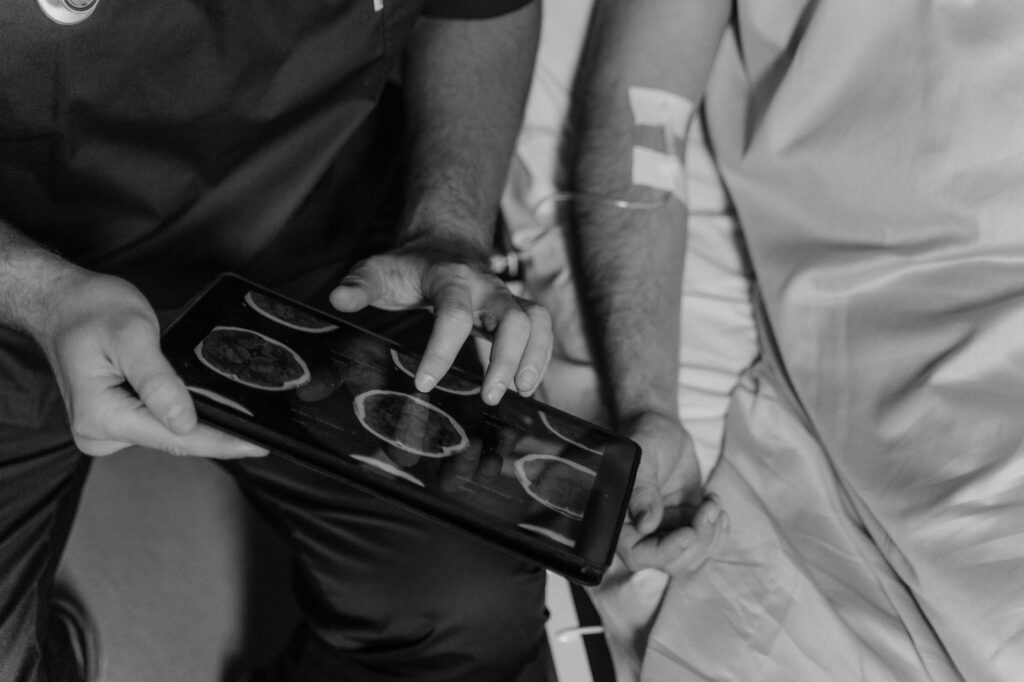
If you or a family member suffered a severe TBI in a jet ski collision, you may have a legal claim. Talk it through with our team — the first consultation is free, confidential, and carries no obligation.
What Is a Jet Ski Accident Traumatic Brain Injury?
A jet ski accident TBI occurs when impact or sudden motion damages brain tissue. This disrupts normal neurological function.
Jet ski accidents carry exceptionally high TBI risk. Operators travel at speeds exceeding 60 mph with no protective barriers. Collisions with water, other vessels, docks, or debris generate enormous impact force. When a rider is ejected at high velocity, the head may strike the water surface, objects, or another vessel. Any of these can cause severe brain trauma.
The difference between a minor head bump and a catastrophic TBI is critical.
A concussion may cause temporary symptoms—headache, dizziness, confusion—that resolve within days or weeks. A catastrophic TBI causes permanent changes:
- Memory loss
- Difficulty concentrating
- Impaired judgment
- Emotional dysregulation
- Physical weakness
- Loss of coordination
- Loss of consciousness
These injuries require ongoing medical care, rehabilitation, adaptive equipment, and often full-time caregiver support. This page addresses only catastrophic TBI requiring long-term medical management—not minor head injuries.
Who This Service Is For
You or a family member suffered a jet ski accident TBI. Now you face permanent cognitive, physical, or behavioral impairment. The injury has disrupted your ability to work, care for yourself, or enjoy daily life.
You believe another party’s negligence caused the accident. This could include reckless operation, failure to maintain equipment, unsafe water conditions, or inadequate warning of hazards.
You need experienced legal representation to pursue compensation for medical care, lost income, and the profound changes to your life. You are located in Florida or anywhere in the United States. You want an attorney who focuses exclusively on catastrophic injuries and understands watercraft accident lawsuits.
What Jet Ski Accident TBI Claims Cover
A comprehensive jet ski accident TBI claim covers all damages caused by the injury:
- Past and ongoing medical expenses: Emergency care, hospitalization, neurosurgery, imaging (CT, MRI), neurological assessment, rehabilitation, physical therapy, occupational therapy, speech therapy, and specialist consultations.
- Future medical care and adaptive equipment: Long-term nursing care, medications, neuropsychological treatment, home modifications (wheelchair ramps, accessible bathrooms), specialized beds, communication devices, and monitoring equipment.
- Lost wages and lost earning capacity: Income lost during recovery and rehabilitation. Also, reduced ability to earn in the future if impairment prevents return to prior work.
- Pain, suffering, and loss of enjoyment of life: Compensation for permanent changes to your quality of life, independence, relationships, and ability to pursue activities you enjoyed.
- Caregiver costs: Expenses for professional caregivers who provide assistance with daily activities, transportation, and medical management.
- Wrongful death damages: If the TBI resulted in death, compensation for the family’s loss, funeral expenses, and the loss of the deceased’s income and companionship.
Common Causes of Jet Ski Accidents That Result in TBI
Jet ski accident TBIs typically stem from one or more of these factors:
- Operator error and excessive speed: Reckless maneuvers, failure to maintain control, or operating beyond the rider’s skill level.
- Collision with another vessel: Head-on or side-impact crashes at high speed with another jet ski, boat, or watercraft.
- Collision with fixed objects: Impact with docks, piers, rocks, submerged debris, or shoreline structures.
- Ejection from the jet ski: The rider is thrown from the craft and strikes the water surface, objects, or another vessel at high velocity.
- Equipment defects: Steering failure, throttle malfunction, structural defects, or engine failure that causes loss of control.
- Operator intoxication or inadequate training: Alcohol or drug use impairing judgment and reaction time, or operation by an untrained or underage rider.
- Unsafe water conditions: Unmarked hazards, congestion, shallow water, or failure of property owners or rental companies to warn of known dangers.
Can Jet Ski Accidents Cause CTE?
Chronic traumatic encephalopathy (CTE) is a progressive brain condition caused by repeated head trauma. A single severe TBI from a jet ski accident can cause acute brain injury and permanent neurological damage.
However, the risk of developing CTE increases significantly with repeated impacts. This is particularly true if you have suffered multiple head injuries over time or continue water sports participation after a prior head injury.
CTE cannot be diagnosed while you are alive. Diagnosis is currently only possible through autopsy after death. However, symptoms during life may include:
- Progressive memory loss
- Confusion
- Difficulty concentrating
- Aggression
- Depression
- Cognitive decline
If you have suffered a severe TBI in a jet ski accident, medical evaluation and ongoing neurological monitoring are critical. They assess your current condition and future risk.
In a legal claim, damages for future risk of degenerative brain disease can be included. Board-certified neurologists and neuropsychologists evaluate your injury severity, age, and medical history to support this.
If you or a family member has suffered a traumatic brain injury in a jet ski accident, you have legal options and you do not have to navigate this alone. Talk it through with our team — the first consultation is free, confidential, and carries no obligation.
Why TBI from Jet Ski Accidents Is Hard to Prove—and How We Overcome It
Brain injuries are uniquely difficult to prove in a legal claim because the injury is invisible. There is no external wound or broken bone. Symptoms may develop over days or weeks after the accident, not immediately.
Some effects are subtle—difficulty concentrating, mood changes, or fatigue—and can be mistaken for stress or depression rather than brain injury.
Insurance companies exploit this invisibility. They argue that symptoms are temporary, pre-existing, or unrelated to the collision. They may claim that because you walked away from the scene or did not lose consciousness, you could not have suffered a serious brain injury. This is medically false. Many catastrophic TBIs occur without immediate loss of consciousness. But it is a common defense tactic.
How we prove jet ski accident TBI causation:
We retain board-certified neurologists and neuropsychologists who conduct independent medical evaluation. They order imaging studies (CT, MRI) to document structural brain injury. They perform standardized neuropsychological testing to document cognitive changes before and after the accident. They review your complete medical records and establish the causal link between the accident and your injury.
Their testimony carries significant weight with insurance adjusters and juries because it is grounded in objective medical science, not subjective complaint.
We also gather accident evidence:
- Police reports
- Witness statements
- Jet ski maintenance and inspection records
- Operator background and training history
- Water conditions at the time
- Expert accident reconstruction
This evidence demonstrates that the accident was severe enough to cause the documented brain injury.
How the Jet Ski Accident TBI Claims Process Works
Step 1 – Free Case Evaluation
You contact us and describe the accident, your injuries, and medical treatment to date. We ask detailed questions about the circumstances, the other parties involved, and your current medical status.
We assess liability (whether another party was negligent), the strength of your claim, and a preliminary estimate of claim value. This consultation is confidential and free, with no obligation.
Step 2 – Investigation
We obtain the police accident report, medical records from all providers, imaging studies, and hospital discharge summaries. We request jet ski maintenance records, inspection logs, and any prior accident history. We identify and interview witnesses. We obtain the operator’s background, training history, and insurance information. We research water conditions and any prior incidents at the location.
Step 3 – Medical Evaluation
We retain independent neurological and neuropsychological experts who evaluate you, order testing, and document the TBI, its severity, and its cause. They project your long-term medical needs and lifetime care costs. This medical evidence becomes the foundation of your claim.
Step 4 – Demand and Negotiation
We prepare a detailed demand letter that includes the accident facts, medical evidence, expert opinions, and a calculation of damages (past medical costs, future care, lost wages, pain and suffering). We send this to the at-fault party’s insurance company and begin negotiation. Most cases settle at this stage.
Step 5 – Litigation (if necessary)
If the insurance company refuses a fair settlement, we file a lawsuit in the appropriate court. We conduct discovery (exchange of documents and witness testimony), retain expert witnesses to testify at trial, and prepare your case for court. We represent you through all phases of litigation.
Step 6 – Resolution
The case resolves through settlement or judgment. Funds are distributed to pay medical liens (amounts owed to healthcare providers), attorney fees, case costs, and your net recovery.
Timeline: Most jet ski accident TBI cases resolve within 1 to 2 years. Complex cases involving ongoing medical needs, multiple defendants, or disputed liability may take longer.
Why Choose CHG Personal Injury Lawyers for Your Jet Ski Accident TBI Case
Exclusive focus on catastrophic injuries
We focus exclusively on serious, life-altering cases: spinal cord injuries and paralysis, traumatic brain injury, amputation, severe burns, and wrongful death. We do not handle minor injuries, soft-tissue claims, or routine accident cases. This focus means we understand the unique medical, financial, and emotional demands of catastrophic injury claims.
Licensed Florida attorneys with national reach
We are admitted to the Florida Bar and take cases nationwide. We bring local knowledge of Florida law and insurance practices combined with resources and experience across the United States.
Deep experience in jet ski and watercraft accidents
Relationships with top medical experts
We work with board-certified neurologists, neuropsychologists, life-care planners, and accident reconstructionists who provide credible, persuasive testimony. These relationships allow us to move quickly and secure the best available experience for your case.
Bilingual resources
We serve English and Spanish-speaking clients with full legal support in both languages.
No upfront costs; contingency fee model
We work on contingency. You pay no attorney fees unless we recover compensation for you. We advance case costs (expert fees, filing fees, deposition costs) and recover them from your settlement or judgment. This removes the financial barrier to pursuing your claim and aligns our interests with yours: we succeed only when you do.
Is It Worth Suing for a Jet Ski Accident TBI?
Yes, if the accident was caused by another party’s negligence or recklessness and you have suffered a permanent brain injury.
Catastrophic TBI cases often justify litigation because lifetime medical care, lost earning capacity, pain and suffering, and caregiver costs can total hundreds of thousands or millions of dollars. A jet ski operator, rental company, or property owner typically carries liability insurance. These policies fund settlements and judgments, so you are pursuing recovery from an insurance company, not from an individual’s personal assets.
Under Fla. Stat. §95.11, you generally have 2 years from the date of injury to file a lawsuit. Do not delay; evidence can be lost and witnesses’ memories fade.
Under Fla. Stat. §768.81, Florida follows comparative negligence (shared fault). You may still recover compensation even if you were partially at fault, provided you were not more than 50% responsible for the accident.
We assess the strength of your case, the defendant’s insurance coverage, and the likely value of your claim before recommending litigation. Settlement is often faster and less stressful than trial, but we are prepared to go to court if necessary to secure fair compensation.
What to Expect: The Medical and Legal Journey After a Jet Ski Accident TBI
Immediate aftermath
You receive emergency care, hospitalization, imaging (CT or MRI), and initial neurological assessment. These establish the injury severity and begin the medical record that will support your legal claim.
Early recovery phase (weeks to months)
You undergo rehabilitation, therapy, and ongoing medical monitoring. Symptoms may improve, stabilize, or worsen. You begin to understand the scope of permanent changes to cognition, mobility, or behavior.
Long-term management
You receive ongoing specialist care, medications, cognitive or physical therapy, and adaptive equipment. You and your family adjust to permanent changes in your independence, work capacity, and quality of life.
Legal action runs parallel
While you focus on recovery, our investigation and evidence gathering proceed. We obtain medical records, retain experts, and build your case. You are kept informed of progress but do not need to manage the legal process yourself.
Compensation covers all phases
Your claim includes past medical expenses, current care costs, and projected lifetime medical and care expenses. This comprehensive approach ensures you are compensated for the full scope of your injury’s impact. Learn more about catastrophic injury compensation.
Your role
Attend medical appointments, follow treatment recommendations, and maintain communication with your legal team. We handle all legal and insurance negotiations on your behalf.
Not sure what your next step is?
Talk it through with our team — the first consultation is free, confidential, and carries no obligation.
Frequently Asked Questions
Q: How long do I have to file a lawsuit after a jet ski accident TBI in Florida?
Under Fla. Stat. §95.11, the statute of limitations is generally 2 years from the date of injury. Do not wait; evidence can be lost and witnesses’ memories fade.
Q: What if I was partially at fault for the jet ski accident?
Under Fla. Stat. §768.81, Florida follows comparative negligence. You may still recover compensation if you were less than 50% at fault, though your award is reduced by your percentage of fault.
Q: How much is my jet ski accident TBI case worth?
Value depends on injury severity, your age and occupation, lifetime medical and care needs, and the strength of liability. We provide a realistic estimate after investigation and medical evaluation.
Q: Do I have to go to trial?
Most cases settle before trial. We negotiate aggressively but are prepared to litigate if the insurance company refuses a fair offer.
Q: What if the jet ski operator has no insurance?
We investigate all potential defendants, including property owners, rental companies, and equipment manufacturers. We also explore your own uninsured motorist coverage and other available sources of recovery.
Q: How much does it cost to hire you?
We work on contingency. You pay no attorney fees unless we recover compensation. You are responsible only for case costs (expert fees, filing fees, etc.), which we advance and recover from the settlement or judgment.
Q: What medical evidence is needed to prove TBI from a jet ski accident?
Imaging (CT, MRI), neuropsychological testing, medical records, and expert neurological testimony establish the injury and its causal link to the accident. We work with specialists to gather and present this evidence persuasively.

Contact CHG Personal Injury Lawyers for a Free Jet Ski Accident TBI Evaluation
If you or a family member has suffered a traumatic brain injury in a jet ski accident, you have legal options and you do not have to navigate this alone. We offer a free, confidential case evaluation to discuss what happened, your injuries, your medical treatment, and your path to compensation.
We respond quickly and are available to serve you in Florida and nationwide. Bilingual support is available.
Contact us today for your free case evaluation.
Time Matters
Under Florida law (Fla. Stat. §95.11), you generally have 2 years from the date of your injury to file a lawsuit. Evidence can be lost and witnesses' memories fade. The sooner you act, the stronger your case.
What Happens After a Jet Ski TBI
Immediate Medical Care
Traumatic brain injuries require urgent evaluation and ongoing treatment. Symptoms may not appear immediately, and damage can worsen over time. Document all medical care and treatment.
Preserve Evidence
Secure the jet ski, photographs of the accident scene, weather conditions, and witness contact information. Report the incident to authorities and obtain a copy of the police report.
Identify Liability
Determine who was responsible: operator negligence, defective equipment, unsafe water conditions, or failure to warn. Liability may rest with another operator, a rental company, a manufacturer, or a property owner.
Build Your Claim
Medical records, expert witness testimony, and accident reconstruction help establish the cause and extent of your injury. We handle the investigation and negotiation so you can focus on recovery.
Why CHG Personal Injury Lawyers
Focused on Catastrophic Injury
We focus exclusively on serious and life-altering injuries, including traumatic brain injuries. We understand the long-term medical, financial, and personal impact of a TBI.
Thorough Investigation
We investigate every angle—operator conduct, equipment defects, maintenance records, rental agreements, and water safety compliance—to build a strong case.
Experienced Team
Our attorneys have years of experience handling catastrophic injury claims and work with medical professionals, accident reconstructionists, and other witnesses to support your case.
Compassionate Representation
A TBI changes everything. We listen, answer your questions, and fight for fair compensation so you can access the care and support you need.
Florida and Beyond
Based in Florida, we represent clients nationwide. Wherever your accident occurred, we have the resources and reach to help.
No Attorney’s Fees Unless There Is a Recovery
We work on contingency. You pay no attorney fees unless we recover compensation for you, so you can pursue justice without financial risk.
Common Questions About Jet Ski TBI Claims
What if I was partially at fault?
Florida follows comparative negligence (Fla (Fla. Stat. § 768.81(6)). Stat. §768.81). You may still recover compensation even if you were partly responsible, though your award may be reduced by your percentage of fault. We evaluate all the facts.
Who can be held liable?
Liability may fall on another operator, a rental company, a jet ski manufacturer, a resort or marina, or a property owner. We investigate to identify all responsible parties and pursue every available claim.
What damages can I recover?
Compensation may include medical expenses, rehabilitation costs, lost wages, loss of earning capacity, pain and suffering, and other losses. In catastrophic cases, damages can be substantial and long-term.
How long does a case take?
Every case is different. Some settle quickly; others require litigation. We keep you informed at every step and work toward the best outcome for your situation.