

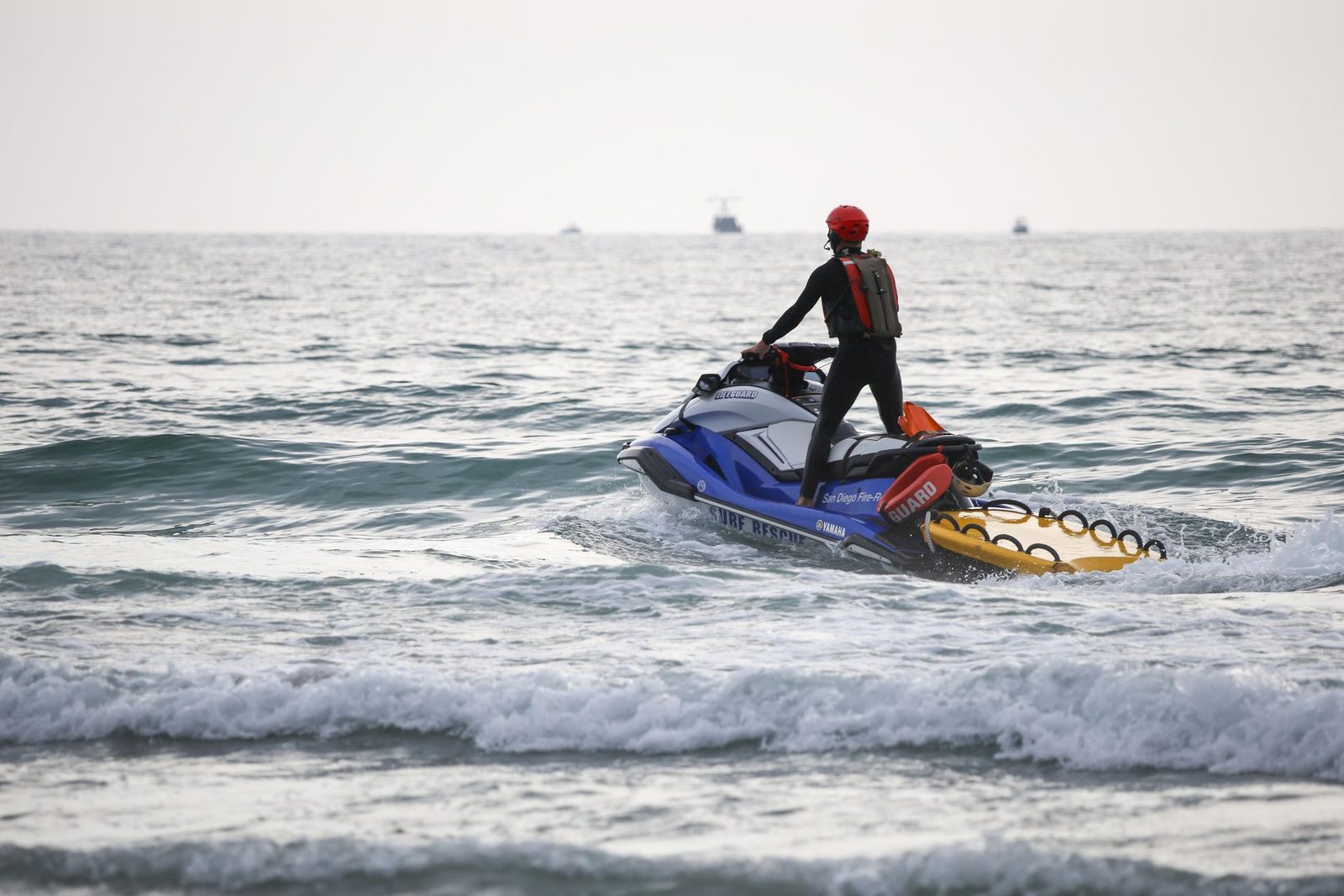
Catastrophic Jet Ski & Water Injuries
Jet Ski Drowning & Brain Injury: What Families Need to Know
When oxygen deprivation causes permanent brain damage, your family has legal options. Learn what happened, why it matters, and how to move forward.
By CHG Lawyers · Published August 27, 2026
Jet Ski Drowning and Near-Drowning Brain Injuries: Oxygen Deprivation, Permanent Damage, and Your Legal Rights
A jet ski drowning or near-drowning can cause catastrophic brain injury in minutes. When the brain is starved of oxygen—from water submersion, impact trauma, or both—brain cells start to die. According to the National Institutes of Health, permanent, life-altering damage can happen in as little as 4 to 6 minutes without oxygen. If you or someone you love has survived this kind of accident, or if your family has lost someone to a jet ski drowning, understanding what happened to the brain is the first step toward protecting your rights.
Not sure what your next step is?
Talk it through with our team — the first consultation is free, confidential, and carries no obligation.
How Oxygen Deprivation Damages the Brain: The Medical Timeline
When a person is underwater during a jet ski accident, oxygen cannot reach the brain. Brain cells need constant oxygen to work. Without it, they begin to fail within minutes.
The first 30 seconds to 1 minute: The person holds their breath. Oxygen in the lungs gets used up. Carbon dioxide builds up, triggering the urge to breathe.
1 to 3 minutes: If rescue has not happened, water enters the lungs. Oxygen transfer stops. The brain begins to suffer. Blood oxygen levels drop sharply.
4 to 6 minutes: Permanent brain damage becomes likely. Neurons (brain cells) are dying from lack of oxygen. Even if the person is rescued and revived, the damage may be permanent.
Beyond 10 minutes: Severe, catastrophic brain damage is almost certain. The person may survive but often with profound disability.
This timeline is not absolute. Water temperature, age, overall health, and how quickly CPR starts can affect outcomes. But the basic truth is clear: every minute matters.
Drowning vs. Near-Drowning: Understanding the Difference
Drowning is fatal submersion. The person does not survive. According to the Centers for Disease Control and Prevention, drowning is the leading unintentional injury death for children ages 1–4 and for adolescents and young adults ages 15–24. Jet ski drowning deaths are often sudden and preventable.
Near-drowning (also called non-fatal submersion) is when a person survives water entry but has been deprived of oxygen. The person is rescued and revived, but brain damage has already occurred. Near-drowning survivors often face lifelong cognitive, physical, and behavioral disability.
In both cases, the brain suffers from lack of oxygen. The difference is survival—but survival does not mean recovery. A near-drowning survivor may face severe brain damage that prevents independent living, communication, or recognition of loved ones.
The law recognizes that death is the most catastrophic outcome.
Hypoxic vs. Anoxic Brain Injury: What’s the Difference?
Two distinct types of oxygen-deprivation brain injury occur in drowning and near-drowning:
Hypoxic brain injury occurs when the brain receives some oxygen but not enough. The oxygen level is dangerously low but not zero. Brain cells are starved but not completely shut off. Hypoxic injury can still cause permanent damage, especially if it lasts more than a few minutes.
Anoxic brain injury occurs when the brain receives no oxygen at all—a complete cutoff. This is the most severe form of oxygen deprivation. According to the National Institutes of Health, anoxic brain injury causes rapid, widespread cell death. Neurons cannot survive without oxygen for more than a few minutes.
Both types can result from jet ski drowning and near-drowning. Anoxic injury is typically more severe because the deprivation is total. However, even hypoxic injury—partial oxygen deprivation lasting several minutes—can cause permanent, catastrophic damage.
The longer the deprivation lasts, the greater the risk of irreversible harm to brain tissue and the worse the long-term disability.
How Jet Ski Accidents Cause Brain Injury: Multiple Injury Mechanisms
Jet ski accidents cause brain injury through several overlapping mechanisms:
Direct impact trauma: The jet ski may collide with the rider at high speed. Or the rider may be thrown against the water surface, nearby objects, or the jet ski itself. The head strikes something hard with force, causing traumatic brain injury (TBI). Skull fractures, bleeding inside the brain, and bruising of brain tissue can result.
Submersion and oxygen deprivation: Ejection from the jet ski throws the rider into the water. If the rider is unconscious from impact trauma, they cannot swim or call for help. Water enters the lungs. Oxygen cannot reach the brain. Drowning or near-drowning occurs.
Entrapment: The rider may become trapped under the jet ski. The weight or force of the machine holds them underwater. Rescue is delayed. Oxygen deprivation worsens.
Head banging from rough water: Even without collision, a rider can strike their head repeatedly on the water surface or be struck by waves. This causes concussion and cumulative brain damage.
Many jet ski accidents involve both impact trauma and water submersion at the same time. A rider may hit their head on the jet ski, lose consciousness, then be thrown into the water. The combination is especially dangerous because the brain is already injured before oxygen deprivation begins.
Have questions about what happened?
Ask our team directly. The first conversation is free, confidential, and there is no obligation to continue.
Symptoms and Signs of Brain Injury After a Jet Ski Accident
Brain injury symptoms can appear immediately or emerge hours, days, weeks, or even months after the accident. Do not assume someone is uninjured just because they seem alert at the scene.
Immediate signs (at the scene or within minutes): – Loss of consciousness or unresponsiveness – Difficulty breathing or gasping – Confusion or disorientation – Vomiting – Seizures
Short-term symptoms (hours to days after the accident): – Severe headache – Dizziness or balance problems – Nausea – Memory loss (not remembering the accident or events before it) – Difficulty concentrating or thinking clearly – Mood changes—irritability, anxiety, or emotional outbursts – Sensitivity to light or noise – Fatigue or difficulty sleeping
Long-term symptoms (weeks, months, or years after the accident): – Cognitive impairment—memory loss, difficulty learning, reduced attention span, trouble with reasoning and problem-solving – Physical disability—paralysis, loss of motor control, difficulty walking or using arms and hands – Speech and language problems—slurred speech, difficulty finding words, or inability to communicate – Swallowing difficulties that raise choking risk – Behavioral and personality changes—aggression, emotional instability, depression, or withdrawal – Seizure disorders that require lifelong medication and monitoring – Chronic pain—persistent headaches, muscle pain, or nerve pain
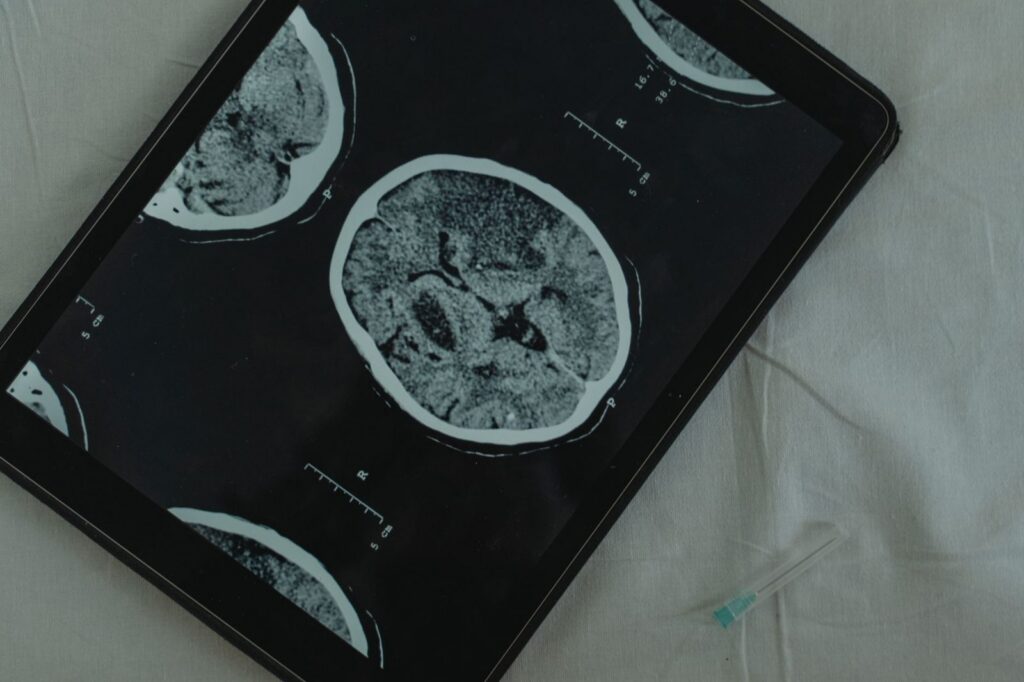
Not all symptoms are obvious at first. Someone may appear to recover at the scene but develop serious problems hours or days later. This is why medical evaluation is critical even if the person seems okay initially. A CT scan or MRI can reveal bleeding, swelling, or bruising inside the brain that is not visible from the outside.
Is Brain Damage from Drowning Reversible?
Recovery depends on how long the brain was without oxygen and how severe the damage is.
Brief, mild oxygen deprivation with prompt rescue and medical care may result in full or near-full recovery. The brain has some capacity to repair itself if the injury is not too severe. However, even “mild” near-drowning can leave lasting cognitive or physical effects.
Prolonged oxygen deprivation (especially anoxia) typically causes permanent, irreversible brain damage. Dead brain tissue cannot be restored. Brain cells that die do not regenerate. Even survivors of near-drowning often face lifelong cognitive, physical, and behavioral changes that do not improve.
Rehabilitation and therapy—physical therapy, occupational therapy, speech therapy, and cognitive rehabilitation—can help maximize remaining function and quality of life. These therapies may improve abilities and independence. But they cannot restore dead brain tissue or reverse the underlying injury.
Medical specialists—neurologists, neurosurgeons, and rehabilitation medicine doctors—can assess imaging, clinical findings, and recovery trajectory to discuss prognosis. But no one can guarantee full recovery from severe anoxic brain injury. The honest answer is often: “Your loved one will live, but their life will be very different.”
Long-Term Outcomes and Disability: The Reality for Survivors and Families
Survivors of jet ski near-drowning brain injury often face profound, lifelong changes:
- Cognitive impairment: memory loss, difficulty learning, reduced attention span, trouble with reasoning and problem-solving, inability to manage finances or make decisions.
- Physical disability: paralysis, loss of motor control, difficulty walking, moving, or using arms and hands. Some survivors are confined to wheelchairs or beds.
- Speech and swallowing problems: difficulty communicating, slurred speech, or unsafe swallowing that raises choking risk and requires feeding tubes.
- Behavioral and emotional changes: personality shifts, depression, anxiety, aggression, emotional outbursts, or complete emotional flatness.
- Seizure disorders: unpredictable seizures that require medication and monitoring and may prevent driving or independent activity.
- Chronic pain: persistent headaches, muscle pain, or nerve pain that does not respond to standard treatment.
- Loss of independence: inability to work, drive, live alone, or care for oneself.
Many survivors require lifelong care—medical appointments, medications, therapy, assistive devices, home modifications, and personal attendant care. The financial and emotional burden on the injured person and their family is profound. Medical bills mount quickly. Lost income from the injured person’s inability to work compounds the strain. Families often must restructure their lives around ongoing care needs, with one member becoming a full-time caregiver.
The cost of lifetime care for a catastrophically brain-injured survivor can reach millions of dollars. Compensation from a legal claim can help pay for this care. But it requires identifying who is responsible for the accident and holding them accountable.
Legal Responsibility for Jet Ski Drowning Injuries
Jet ski operators have a legal duty to operate safely and follow boating laws. Rental companies must maintain equipment in safe condition and warn renters of known risks. Property owners and operators may be liable if negligence—failure to act safely, maintain equipment, or warn of known hazards—contributed to the accident.
Common causes of jet ski accidents that lead to drowning or near-drowning include:
- Operator inexperience or recklessness: speeding, performing dangerous maneuvers, or operating under the influence of alcohol or drugs.
- Equipment failure: defective engines, steering systems, or safety equipment that was not maintained or repaired.
- Inadequate warnings or training: rental companies failing to warn renters of risks or provide basic safety instruction.
- Unsafe conditions: operating in areas with hazards—shallow water, rocks, debris, or congested waterways—without warning or supervision.
- Failure to provide life jackets or safety equipment: renters not given proper life jackets or helmets.
If someone died in a jet ski drowning, their family may pursue a wrongful-death claim for the loss of life, funeral and burial costs, lost income and benefits, loss of companionship and support, and the pain and suffering the family has endured. Under Florida law, the family of the deceased can seek compensation from anyone whose negligence or wrongful conduct caused the death.
Survivors of near-drowning brain injury may seek compensation for medical care and rehabilitation, lost wages and earning capacity, pain and suffering, loss of enjoyment of life, and the cost of lifetime care and support.
Insurance coverage—homeowner’s insurance, commercial liability insurance, watercraft insurance, or rental company liability insurance—may apply depending on where the accident occurred and who operated the jet ski. An attorney can investigate the accident, identify liable parties, review insurance policies, and pursue a claim to recover compensation for your damages.
Want to know where you stand?
Tell us what happened and our team will walk you through the options available to you, at no cost.
What to Do If You or a Loved One Has a Jet Ski Drowning or Near-Drowning Brain Injury
If you or someone you know has experienced a jet ski drowning or near-drowning:
-
Seek immediate emergency medical care. Call 911 if the person is unresponsive, not breathing, in distress, or has been underwater. Do not wait. CPR and professional rescue can make the difference between life and death, or between severe disability and partial recovery.
-
Get a full medical evaluation even if the person appears to recover. Brain injury symptoms can be delayed. A doctor must assess the person and order imaging (CT scan, MRI) to check for injury. Document all medical findings.
-
Document the accident. Write down what happened. Take photos of the scene and the jet ski. Collect names and contact information from witnesses. Preserve any video footage.
-
Preserve evidence. Keep the jet ski, life jackets, helmets, and any other equipment involved. Do not clean or repair anything. Equipment may reveal defects or maintenance failures that caused the accident.
-
Report the accident. File a report with local authorities. Notify the property owner or rental company if the jet ski was rented.
-
Consult with medical specialists. A neurologist or neurosurgeon can assess the extent of brain injury. They can order appropriate imaging and testing and discuss prognosis and treatment options.
-
Reach out for legal guidance. You may have a legal claim for compensation. An attorney who focuses exclusively on catastrophic injury can investigate the accident, identify who is responsible, and pursue a claim on your behalf. They can recover compensation for medical care, lost income, pain and suffering, and lifetime care costs.

Next Steps: Getting Help and Answers
If you or a loved one has survived a jet ski drowning or near-drowning and now faces brain injury, or if your family has lost someone to a jet ski drowning, you are in an overwhelming situation. You have medical questions, financial worries, and uncertainty about the future. You may be facing months or years of medical care, rehabilitation, and adaptation to a new life. You may be grieving the loss of someone you love.
Many families in your position reach out with questions about liability, insurance coverage, and how to pay for ongoing medical care and rehabilitation—or how to honor the memory of someone who died and hold responsible those whose negligence caused the death.
You don’t have to figure this out alone. Reach out to discuss what happened, the injuries involved, and what your options may be. There is no cost to talk, and no obligation to pursue a claim. But understanding what happened and what comes next is the first step toward protecting your family’s future and securing the resources you need.
Time Matters
Permanent brain damage from oxygen deprivation can occur in as little as 4 to 6 minutes without oxygen, according to the National Institutes of Health. If you or a loved one survived a jet ski drowning or near-drowning, immediate medical evaluation and legal consultation are critical.
How Jet Ski Drowning Causes Catastrophic Brain Injury
Submersion & Oxygen Starvation
When a person is submerged in water, the brain is deprived of oxygen. Brain cells begin to die within minutes. Even if rescue and resuscitation happen quickly, the damage may be permanent and life-altering.
Impact Trauma & Hypoxia
Jet ski collisions often involve both blunt-force head trauma and water submersion. The combination can cause traumatic brain injury (TBI) alongside oxygen deprivation, compounding the injury.
Secondary Complications
Survivors of near-drowning may face seizures, loss of consciousness, cognitive decline, paralysis, or persistent vegetative states. Some injuries worsen over days or weeks after the accident.
Wrongful Death
When a jet ski drowning is fatal, the family is left to grieve and face unexpected costs. Your family may have a claim against negligent operators, property owners, or rental companies.
Why You Need Legal Help Now
Protect Your Family's Future
Catastrophic brain injuries require lifelong care, medical equipment, therapy, and support. A legal claim can help secure the resources your family needs.
Navigate Complex Claims
Jet ski accidents involve multiple parties—operators, rental companies, property owners, and insurers. We focus exclusively on catastrophic injury cases and understand who is responsible.
Compassionate Guidance
We work with families through the hardest moments. Our approach is straightforward, empathetic, and centered on what you need to move forward.
No Attorney’s Fees Unless There Is a Recovery
We handle catastrophic injury cases on a contingent-fee basis, so you pay nothing upfront. You only pay if there is a recovery.
What to Do If a Jet Ski Drowning Has Changed Your Life
Seek Immediate Medical Care
If you or a loved one has survived a near-drowning, hospital evaluation is essential—even if the person seems to recover quickly. Brain damage can develop or worsen over time.
Document Everything
Preserve photos, video, witness statements, medical records, and any communications with the operator, rental company, or property owner. This evidence is crucial to your claim.
Report the Incident
File a report with local law enforcement or the Coast Guard if the accident occurred on navigable water. This creates an official record.
Contact CHG Personal Injury Lawyers
Call us for a free, confidential case evaluation. We'll review what happened, explain your legal options, and answer your questions—no obligation.