


Spinal Cord Injuries · Florida
When a Broken Vertebra Becomes a Life-Altering Spinal Cord Injury
Not every fractured vertebra harms the spinal cord — but when it does, the consequences can be permanent. Understand the difference, and learn what your family can do next.
Why Families Turn to CHG
Nationwide
Catastrophic injury cases accepted
Florida Bar
Licensed, admitted attorneys
EN / ES
Bilingual client resources
$0
Free, no-obligation case review
By CHG Lawyers · Published August 05, 2026
Vertebral Fractures and Spinal Instability: When a Broken Back Becomes Life-Altering
A vertebral fracture spinal cord injury happens when a broken bone in your spine damages the spinal cord. That damage is often permanent. Not every broken vertebra is catastrophic. But an unstable fracture can harm the cord. When it does, it can cause paralysis, loss of feeling, and lifelong impairment.
Maybe you or someone you love has a fractured spine after a crash, fall, or attack. You are probably scared and confused. This page explains the difference between a fracture that heals and one that changes your life. We use plain language, and we focus only on serious, life-altering injuries.

Not sure what your next step is?
Talk it through with our team — the first consultation is free, confidential, and carries no obligation.
When a broken back is more than a broken bone
The spine and the spinal cord are two different things. The spine is the stack of bones. The spinal cord is the bundle of nerves those bones protect.
A stable fracture usually heals on its own or with a brace. An unstable fracture can shift. It can press on, bruise, or tear the spinal cord. That is when a broken bone becomes a permanent, life-altering injury. This page focuses on those serious cases. It does not cover minor compression fractures that heal without problems.
What is a vertebral fracture?
A vertebral fracture is a break in one of the bones (vertebrae) that stack to form your spine. Your spine has three main regions: the neck (cervical), the mid-back (thoracic), and the lower back (lumbar).
The spinal cord runs inside those bones. It carries signals between your brain and the rest of your body. When a vertebra breaks, fragments can push into the spinal canal. They can pinch, squeeze, or cut the cord or nearby nerve roots.
Where the fracture happens matters a lot. Nerves exit the cord in order, from the neck down. So a neck (cervical) injury affects everything below it — arms, trunk, legs, and breathing. A lower-back (lumbar) injury spares the arms and upper body. To learn how location changes the outcome, see our guide on cervical vs. lumbar spine injury.
Types of spinal fractures (and which ones become life-altering)
Compression fractures
The vertebra collapses in the front and forms a wedge shape. Many compression fractures are stable and heal with time. They become life-altering when the collapse is severe or a fragment pushes into the cord.
Burst fractures
The vertebra shatters. Bone fragments can scatter into the spinal canal. A burst fracture carries a high risk of spinal cord damage. It usually comes from high-energy trauma, like a hard fall or a crash.
Flexion-distraction (Chance) fractures
The spine is violently bent forward. This often happens in a high-speed crash when a seat belt loads the body. These fractures can involve both the bone and the ligaments that hold the spine together. That is why they are often unstable.
Fracture-dislocations
This is the most unstable type. The vertebrae move out of position. Fracture-dislocations are often tied to serious spinal cord injury.
Here is one key point. Fractures from high-energy trauma — truck crashes, big falls, violent attacks — are far more likely to be catastrophic. They are more dangerous than the fragility fractures common in older adults. The Mayo Clinic lists motor vehicle crashes, falls, and acts of violence among the top causes of spinal cord injury.
What does spinal instability mean?
Spinal instability means the spine can no longer hold weight and protect the cord without shifting. A stable spine stays in place. An unstable one can move and cause new nerve damage.
Doctors check stability in a few ways. They use imaging (X-rays, CT, MRI). They review the spine’s structural “columns.” And they do a neurological exam. This is a general description, not medical advice. Only your treating doctors can judge your case.
An unstable fracture is a true emergency. Even small movements can cause new or worse cord injury. That is why paramedics keep the neck and back still after a serious accident.
To protect the cord, doctors may use a brace, surgery, or full immobilization. Surgery can include two steps. Decompression removes pressure on the cord. Spinal fusion joins vertebrae, often with rods and screws, so they cannot shift. The goal is simple: protect the cord and stop further harm.
When a vertebral fracture becomes a spinal cord injury — and how doctors measure it
A vertebral fracture becomes a spinal cord injury when broken bone squeezes, bruises, or tears the cord. Once that happens, the effects are often permanent.
Doctors do not just say “complete” or “incomplete” loosely. They grade the injury with a formal tool. The American Spinal Injury Association’s ASIA Impairment Scale (AIS) is applied through the ISNCSCI exam. It sorts injuries into five grades:
- AIS A (complete): no movement or feeling below the injury level, including the lowest sacral segments.
- AIS B, C, D (incomplete): more feeling and/or muscle function are kept below the injury, step by step.
- AIS E (normal): function has returned to normal.
Why does this matter to you? The AIS grade is one of the strongest tools doctors use to predict recovery. It also becomes key evidence in a catastrophic-injury claim. A “complete” versus “incomplete” label can change a lifetime-care projection a lot.
The possible outcomes depend on the level and severity of the injury. They can include:
- Paraplegia — paralysis affecting the legs and lower body (thoracic or lumbar injuries).
- Quadriplegia (tetraplegia) — paralysis affecting all four limbs, from a cervical (high neck) injury.
- Loss of feeling below the injury.
- Problems with bladder, bowel, and breathing, as the Mayo Clinic explains.
Permanent impairment is what makes these injuries catastrophic. To understand daily life after one, read life after a catastrophic neck injury.
Have questions about what happened?
Ask our team directly. The first conversation is free, confidential, and there is no obligation to continue.
What are the symptoms of a serious spinal fracture?
The most serious warning signs point to nerve or cord involvement. After any crash, fall, or attack, treat these as a medical emergency:
- Numbness, tingling, or weakness in the arms or legs.
- Paralysis or the inability to move a limb.
- Loss of bladder or bowel control.
- Severe, constant back or neck pain.
If you see any of these signs, call 911. Do not move the person. Moving someone with an unstable fracture can cause new cord damage.
In the catastrophic cases our attorneys handle, we have seen serious fractures missed on a first exam. Adrenaline and other injuries can hide the pain. A distracting injury can also pull an emergency team’s attention elsewhere. If symptoms continue, ask for follow-up imaging or a second opinion. Early, correct diagnosis protects the cord. Later, it protects your legal claim by documenting the injury clearly.
How long does it take a spinal fracture to heal?
Many stable fractures heal in about 6 to 12 weeks with a brace. But timelines vary from person to person. Unstable and surgical cases take longer. They also require far more rehabilitation.
Here is a point that competitor pages often bury. Bone healing is not the same as nerve recovery. A vertebra can heal fully while the spinal cord damage stays permanent. The bone knits back together, but the nerves may never carry signals the way they once did.
That gap is why a spinal fracture can look “better” on an X-ray yet still leave someone with lifelong paralysis.
Prognosis and long-term effects
The outlook for a fractured vertebra depends on a few things. These are the fracture’s stability, whether the cord is involved, the injury level, and treatment. When the cord is not damaged, many people recover well. When it is, the outlook is far more serious. We cannot promise any specific result, and no honest source can.
For scale, look at the National Spinal Cord Injury Statistical Center (NSCISC). It is the U.S. data authority housed at the University of Alabama at Birmingham. It reports that vehicle crashes and falls are leading causes of traumatic spinal cord injury. It also reports that most survivors are left with an incomplete or complete injury, not full recovery. NSCISC also publishes estimated lifetime costs of care. These run into the millions of dollars for the most severe (high cervical) injuries. The Christopher & Dana Reeve Foundation reports on the causes and prevalence of paralysis nationwide.
We also address the hardest outcomes with honesty and care. A high neck fracture can affect breathing. In the most severe cases, it can be fatal. When a family loses a loved one this way, they may have a wrongful-death claim. Those families deserve dignity and support, not statistics. If this is your situation, you do not have to face it alone.
Daily life after a vertebral fracture
The most important step is simple: follow your surgeon’s activity limits exactly. That usually means wearing any prescribed brace. It also means avoiding twisting and heavy lifting, and finishing physical therapy.
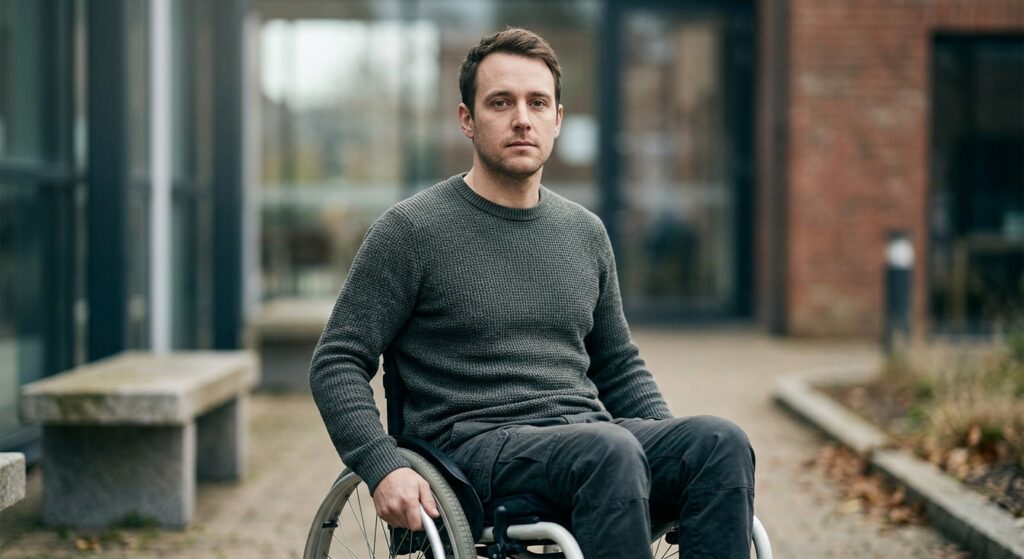
When a cord injury limits movement, many families plan for home changes. These can include ramps, grab bars, a first-floor bedroom, and an accessible bathroom. Many also plan for long-term attendant care. This is educational information. It is not a substitute for advice from your treating doctor. Every fracture is different, and only your medical team can guide your recovery.
How these injuries happen — and when someone else is responsible
Many catastrophic spine fractures come from someone else’s carelessness. Common causes are truck and highway crashes, dangerous falls, and violent attacks on unsafe property.
Consider this scenario. You were assaulted, shot, robbed, or attacked. It happened in an apartment complex, a parking garage, a hotel, a gas station, or a store. The property had broken locks or gates. Or it had no working cameras, poor lighting, or no security guards. Because of that failure, a criminal was able to hurt you.
When a property owner fails to provide reasonable security and someone gets seriously hurt, the owner may be legally responsible. The legal term for this is negligent security. You do not need to know that term to have a case. You just need to tell us what happened.
A fractured spine that causes permanent impairment can support a claim. So can the loss of a loved one. This may be a catastrophic-injury or wrongful-death claim. Whatever the cause, Florida law sets deadlines. As of the 2023 tort reform, most negligence claims must be filed within two years under Fla. Stat. §95.11. This is shorter than the prior four-year window. Florida also uses a modified comparative-fault rule under Fla. Stat. §768.81. It bars recovery if you are found more than 50% at fault. Deadlines differ by state. Because we take cases nationwide, ask us about the rule where your injury happened.
The lifetime cost of a catastrophic spine injury
A catastrophic spine injury carries a huge, lifelong financial burden. It is not just the first surgery. It also includes rehabilitation, wheelchairs and equipment, home care, lost income, and future medical needs. These needs can stretch for decades. NSCISC’s lifetime-cost estimates show why documenting future needs, not just today’s bills, is central to a fair claim.
A settlement that only covers current expenses can leave a family short for the years ahead. To understand these costs in detail, see our guide on the lifetime cost of a catastrophic back and neck injury.
Want to know where you stand?
Tell us what happened and our team will walk you through the options available to you, at no cost.
How CHG Personal Injury Lawyers can help
Our attorneys are licensed and admitted to the Florida Bar. We handle catastrophic injury cases in Florida and nationwide. We focus on serious, life-altering harm. This includes spinal cord injuries and paralysis from vertebral fractures.
A free case evaluation is a simple conversation. You tell us what happened. We listen and explain your options in plain language. There is no pressure and no promise of any specific result.
We serve families in Miami, Orlando, Tampa, Jacksonville, and beyond. We offer resources in English and Spanish, so language is never a barrier to getting answers.
Ready to talk? Contact us for a free case evaluation. To learn more about these injuries, visit our pillar guide on catastrophic back and neck injuries.
Frequently asked questions
What is the difference between a stable and unstable spinal fracture?
A stable fracture holds the spine in place and often heals with a brace. An unstable fracture can shift and damage the spinal cord. Unstable fractures are medical emergencies.
When does a broken vertebra cause a spinal cord injury?
It happens when bone fragments squeeze, bruise, or tear the cord. This is most common with burst fractures and fracture-dislocations.
What is the ASIA Impairment Scale?
It is the international standard doctors use to grade spinal cord injuries. The scale runs from A (complete — no function below the injury) to E (normal). The grade helps predict recovery. It is often key evidence in a catastrophic-injury claim.
How long does it take for a spinal fracture to heal?
Many stable fractures heal in about 6 to 12 weeks with bracing, though timelines vary. Unstable or surgical cases take longer. Remember: a healed bone does not mean a healed spinal cord.
Can the spinal cord heal after a fracture damages it?
The bone can fully heal. But cord damage is often permanent. That is why a fracture that injures the cord can leave lasting paralysis even after the vertebra mends.
Who can be held responsible if a spinal fracture was caused by someone else?
A negligent driver, a trucking company, or a property owner who failed to provide reasonable security may be responsible. A free case evaluation can help you understand your options.
An Unstable Fracture Is a Medical Emergency
If a broken vertebra shifts, it can bruise or tear the spinal cord and cause permanent paralysis. If you or a loved one has neck or back trauma with numbness, weakness, or loss of movement, seek emergency care immediately — do not move the person unless trained to do so.
Stable vs. Unstable: Why the Difference Matters
Stable Fracture
The break holds the spine in alignment and often heals with a brace and time. Serious, but the spinal cord itself may be spared.
Unstable Fracture
The break can shift under normal movement, threatening the spinal cord. These are emergencies that can lead to paralysis if not stabilized fast.
When the Cord Is Injured
Bone fragments can squeeze, bruise, or tear the spinal cord, causing paraplegia, quadriplegia, or other permanent impairment.
What Comes Next
Catastrophic spinal cord injuries mean surgery, rehabilitation, and lifelong care. Documenting the cause early protects your legal options.
How CHG Personal Injury Lawyers Can Help
We Investigate the Cause
Truck crashes, falls, and unsafe premises can all cause catastrophic spinal injuries. We work to identify who was responsible.
We Speak for the Family
When an injury is permanent — or fatal — we help families pursue accountability and the resources recovery demands.
We Understand What's at Stake
A spinal cord injury changes everything. We handle your claim with clarity and care so you can focus on healing.
Licensed Florida Attorneys
Our team is admitted to the Florida Bar and accepts catastrophic injury cases nationwide.
Concerned a Spinal Injury May Be Serious? Let's Review Your Case.
Related practice areas
- Tetraplegia
- Paralysis From Assault on Property Lawyer | CHG
- Spinal Cord Injury Claims: Your Rights After a Life-Altering Accident