


Catastrophic Spine Injuries
Vertebral Fractures: When a Broken Spine Changes Everything
A fractured vertebra can mean permanent paralysis, chronic pain, and life-altering disability. If negligence caused your injury, you have options.
By CHG Lawyers · Published September 01, 2026
Catastrophic Vertebral Fracture & Spine Injury: Permanent Paralysis, Lifetime Care, and Legal Accountability
A catastrophic vertebral fracture damages the spinal cord or nerve roots, causing permanent loss of function, sensation, or mobility. Not all broken vertebrae cause lasting harm. The difference between a routine fracture and a catastrophic vertebral fracture comes down to whether the spinal cord itself was injured—and whether that injury is permanent.
Understanding which fractures cross that line is critical for your health, your long-term care plan, and your legal rights.

If your vertebral fracture resulted from someone else's negligence, recklessness, or failure to provide reasonable safety, you may have a legal claim. Talk it through with our team — the first consultation is free, confidential, and carries no obligation.
What Is a Catastrophic Vertebral Fracture, and When Does It Become Life-Altering?
A vertebral fracture is a break in one or more of the 33 bones (vertebrae) that make up your spine. Here’s the key: not all vertebral fractures are equal.
Some heal with conservative treatment and leave no lasting damage. Others damage the spinal cord or nerve roots, resulting in permanent paralysis, chronic pain, or loss of bodily function.
A catastrophic vertebral fracture injures the spinal cord or nerve tissue inside the spinal canal. When that happens, the damage is permanent. The broken bone may heal and fuse, but the nerve damage does not reverse. This is the critical difference between a fracture alone and a fracture with spinal cord injury (SCI).
Complete recovery of spinal cord function is not currently possible. This is the reality that changes everything. Once the spinal cord is damaged, the focus shifts from “healing” to adaptation, lifelong medical care, assistive devices, home modifications, and holding the responsible party accountable for the permanent consequences.
Spine vs. Spinal Cord: A Quick, Plain-Language Anatomy Guide
Many people use “spine” and “spinal cord” interchangeably, but they are not the same—and the distinction matters for your prognosis.
The spine is the bony column running down your back. It’s made of 33 vertebrae stacked on top of each other. The spine protects and supports your body.
The spinal cord is a bundle of nerves inside the spine. It carries signals between your brain and the rest of your body. Those signals control movement, sensation, and bodily functions like breathing and bowel control.
You can have a fractured vertebra without spinal cord injury and recover fully. You can also have a fractured vertebra with spinal cord injury and face permanent paralysis. The fracture is a bone injury; the spinal cord injury is a nerve injury. They are not the same.
Types of Vertebral Fractures—and Which Ones Turn Catastrophic
Not all fracture types carry the same risk of permanent damage.
Compression fractures occur when a vertebra collapses inward, usually from a fall or heavy impact. The bone is crushed but remains stable. Most compression fractures are not catastrophic. They heal in 8–12 weeks with bracing, rest, and physical therapy. The spinal cord often remains intact.
Burst fractures happen when a vertebra shatters in multiple directions due to extreme force. Bone fragments can penetrate the spinal canal and damage the spinal cord. Burst fractures carry a much higher risk of permanent neurological injury. They often require surgery and can result in paraplegia or quadriplegia.
Flexion-distraction fractures occur when the spine is bent and twisted violently. These fractures are often unstable, meaning vertebrae can shift and compress the cord. They frequently cause permanent spinal cord damage.
Fracture-dislocations happen when vertebrae not only break but also shift out of alignment. The misalignment compresses or tears the spinal cord. Fracture-dislocations almost always involve spinal cord damage and permanent neurological loss.
The ASIA Impairment Scale: Understanding Your Spinal Cord Injury Classification
If you’ve been diagnosed with a spinal cord injury, your medical team will likely use the ASIA Impairment Scale (American Spinal Injury Association) to classify the severity of your injury. This is the clinical standard used worldwide, and understanding your classification helps you grasp what the injury means for your long-term function and recovery potential.
The ASIA Scale ranges from A to E:
- ASIA A (Complete): No motor or sensory function below the injury level. This is the most severe classification. Permanent paralysis is expected.
- ASIA B (Incomplete): Sensory function preserved below the injury level, but no motor function. Some sensation remains; movement does not.
- ASIA C (Incomplete): Motor function preserved below the injury level, but most muscles are not strong enough to move against gravity. Limited voluntary movement.
- ASIA D (Incomplete): Motor function preserved, and most muscles below the injury level can move against gravity. Functional movement is possible, though weakness remains.
- ASIA E (Normal): Motor and sensory function are normal.
Your classification determines your rehabilitation potential, the type of assistive devices you’ll need, and the scope of lifetime care required. An ASIA A injury (complete) requires more extensive medical support, home modification, and ongoing care than an ASIA D injury. This classification also informs the legal value of your claim, because it directly reflects the permanence and scope of your disability.
Signs That a Vertebral Fracture Has Caused Permanent Damage
If you or a loved one has suffered a vertebral fracture, watch for these warning signs of spinal cord injury:
- Immediate paralysis or loss of sensation below the injury level
- Loss of bowel or bladder control
- Inability to move your legs or arms
- Persistent numbness, tingling, or “pins and needles” that does not improve over weeks
- Chronic pain that does not respond to standard treatment
- Loss of temperature sensation
- Difficulty breathing (if the fracture is in the neck)
Early imaging—CT scans and MRI—is critical to determine whether the spinal cord has been injured. If you experience any of these symptoms after a vertebral fracture, seek immediate medical evaluation.
How Serious Is a Fractured Vertebra? Location Matters
The location of your fracture determines how extensive the damage can be.
Cervical spine (neck) fractures carry the highest risk of catastrophic outcome. A cervical fracture can affect all four limbs and may interfere with breathing. Quadriplegia commonly results from severe cervical fractures with spinal cord injury. A cervical fracture can also be fatal if it damages the nerve centers that control breathing.
Thoracic spine (mid-back) fractures can cause paralysis of the legs and loss of trunk control. You may lose the ability to sit upright or maintain balance.
Lumbar spine (lower back) fractures can cause leg paralysis and loss of bowel and bladder function. Paraplegia commonly results from lumbar fractures with spinal cord damage.
Sacral spine fractures can affect lower-body function, sexual function, and bowel and bladder control.
The higher the fracture on the spine, the more extensive the potential damage. A cervical fracture affects more of your body than a lumbar fracture because the spinal cord carries signals to everything below the injury level.
Lifetime Costs of Catastrophic Spinal Cord Injury: Why Legal Accountability Matters
A catastrophic vertebral fracture with spinal cord injury creates permanent, life-altering consequences—and staggering financial ones. Understanding the scale of lifetime care costs underscores why holding negligent parties accountable is essential.
According to the National Spinal Cord Injury Statistical Center, the average lifetime cost of care for a person with spinal cord injury ranges from approximately $1.3 million to $4.7 million, depending on age at injury and severity (ASIA classification). These costs include:
- Initial acute medical care and hospitalization: emergency surgery, intensive care, imaging, and stabilization
- Ongoing medical care: physician visits, specialists, rehabilitation, medications, and monitoring for secondary complications
- Assistive devices and equipment: wheelchairs (manual and powered), standing frames, transfer equipment, pressure-relief mattresses, and adaptive technology
- Home modifications: wheelchair ramps, accessible bathrooms, widened doorways, accessible kitchens, and specialized flooring
- Personal care attendants: 24/7 or part-time assistance with activities of daily living, depending on injury severity
- Lost income and reduced earning capacity: permanent inability to work or return to prior employment
- Vocational rehabilitation and retraining: if any work capacity remains
- Transportation modifications: accessible vehicles and adaptive driving equipment
- Psychological and mental health services: counseling, therapy, and psychiatric care
These are not one-time costs. They accumulate over a lifetime—often 40, 50, or more years after the injury. A person injured at age 25 faces decades of care, equipment replacement, home maintenance, and medical management.
When someone else’s negligence caused your spinal cord injury, they should be held responsible for these costs. A legal claim can recover damages for past and future medical care, assistive devices, home modifications, lost wages, pain and suffering, and loss of quality of life.
Not sure what your next step is?
Talk it through with our team — the first consultation is free, confidential, and carries no obligation.
Long-Term Effects of a Catastrophic Vertebral Fracture With Spinal Cord Damage
Catastrophic vertebral fractures with spinal cord injury result in permanent, life-altering consequences:
- Paraplegia or quadriplegia: permanent paralysis of the legs or all four limbs
- Chronic pain and neuropathic pain: ongoing nerve pain that is difficult to manage
- Loss of sexual function and fertility complications: permanent changes to sexual ability and reproductive health
- Bowel and bladder dysfunction: lifelong need for catheterization, medications, or surgical management
- Respiratory complications: if the cervical cord is damaged, you may require ventilator support
- Increased risk of pressure ulcers, infections, and secondary complications: immobility and loss of sensation create ongoing medical risks
- Psychological impact: depression, anxiety, and adjustment challenges as you adapt to permanent disability
- Reduced life expectancy: depending on injury severity and complications
These effects are not temporary. They shape every aspect of your daily life—work, relationships, independence, and long-term medical care.
When a Catastrophic Vertebral Fracture Is Fatal
A catastrophic vertebral fracture can be fatal. Severe cervical fractures can damage the nerve centers that control breathing, resulting in immediate respiratory failure. High-impact trauma can cause massive internal bleeding or organ damage alongside the spinal injury. Some people survive the initial injury but die from secondary complications—infection, respiratory failure, or blood clots—in the days or weeks after the accident.
If your loved one died from a catastrophic vertebral fracture or the complications that followed, you have legal rights. Surviving family members can bring a wrongful-death claim against the negligent party responsible for the accident. A wrongful-death claim can recover damages for funeral and burial costs, lost financial support, loss of companionship, and the pain and suffering experienced by the family.
Under Fla. Stat. §768.19, surviving spouses, children, and parents can bring a wrongful-death action. The statute of limitations for a wrongful-death claim is generally two years from the date of death.
How Long Does It Take for a Vertebral Fracture to Heal?
Healing timelines vary widely depending on fracture type and severity.
Uncomplicated compression fractures typically heal in 8–12 weeks with conservative care (bracing, rest, physical therapy).
Burst fractures or fracture-dislocations often require surgery. Healing can take 3–6 months or longer.
Spinal cord injury recovery is different. The spinal cord does not “heal” like bone does. Most neurological recovery occurs in the first 6–12 months after injury. Some improvement is possible over years through intensive rehabilitation, but permanent neurological loss is common. Complete recovery is not currently possible.
This is why “healing” means different things: your broken bone may fuse and become stable, but nerve damage is often permanent.
What Causes Catastrophic Vertebral Fractures?
Catastrophic vertebral fractures result from high-impact trauma or violent force:
- Motor vehicle crashes: cars, trucks, motorcycles—high-speed collisions create extreme force on the spine
- Falls from height: falls from ladders, roofs, balconies, or construction sites
- Violent impact: assaults, gunshot wounds, or stabbings
- Diving accidents: diving into shallow water can cause severe cervical fractures
- Construction or workplace accidents: heavy machinery, falling objects, or falls on job sites
- Negligent security situations: assaults on poorly secured property (apartments, parking lots, hotels) where the property owner failed to provide reasonable safety
The mechanism of injury—how fast, how much force, and what direction—determines fracture severity. A high-speed truck crash creates more force than a low-speed fender-bender. That force is what separates a routine fracture from a catastrophic one.
When Should You Seek Legal Evaluation for a Catastrophic Vertebral Fracture?
If your vertebral fracture resulted from someone else’s negligence, recklessness, or failure to provide reasonable safety, you may have a legal claim. Consider legal evaluation if:
- Your fracture resulted from a motor vehicle crash caused by another driver’s negligence or recklessness
- You were injured on someone else’s property due to inadequate security, poor maintenance, or failure to warn of hazards
- Your injury occurred in a workplace or construction zone where safety standards were not met
- You were assaulted or attacked on property where the owner failed to provide reasonable security
- Your spinal injury has resulted in permanent loss of function, paralysis, chronic pain, or other catastrophic, life-altering consequences
- Your loved one died from a catastrophic vertebral fracture or related complications
Under Fla. Stat. §95.11, you generally have two years from the date of injury to file a negligence claim in Florida. If your injury occurred in another state, different time limits may apply.
Florida follows a modified comparative-negligence rule under Fla. Stat. §768.81. If you are 50% or less at fault for your own injury, you can recover damages reduced by your percentage of fault. If you are more than 50% at fault, you recover nothing.
Catastrophic spinal injuries often qualify for significant compensation claims because they result in permanent disability, ongoing medical care, lost wages, and diminished quality of life.
Frequently Asked Questions
Can you have a fractured vertebra without spinal cord injury?
Yes. You can break a vertebra and leave the spinal cord fully intact. Many compression fractures heal without any nerve damage.
What is the difference between paraplegia and quadriplegia?
Paraplegia is permanent paralysis of the legs, usually from thoracic or lumbar spinal cord injury. Quadriplegia is permanent paralysis of all four limbs, usually from cervical spinal cord injury.
Is a burst fracture more serious than a compression fracture?
Generally, yes. Burst fractures involve bone fragments that can penetrate the spinal canal and damage the cord. Compression fractures are usually more stable and less likely to injure the cord.
Can the spinal cord heal after a fracture?
The spinal cord does not regenerate or heal like bone does. Most neurological recovery occurs in the first 6–12 months. Permanent neurological loss is common, though rehabilitation can help maximize remaining function. Complete recovery is not currently possible.
What should I do if I think I have a spinal cord injury?
Seek immediate emergency medical care. Do not move your neck or back. Imaging (CT or MRI) will determine the extent of injury.
What is the ASIA Impairment Scale?
The ASIA Scale is the clinical standard for classifying spinal cord injury severity, ranging from A (complete) to E (normal). Your ASIA classification determines your rehabilitation potential, the assistive devices and care you’ll need, and the long-term impact on your function and independence.
Have questions about what happened?
Ask our team directly. The first conversation is free, confidential, and there is no obligation to continue.
Next Steps: Understanding Your Rights and Your Future
If you or a loved one has suffered a catastrophic vertebral fracture from an accident, the road ahead is complex. You’re facing permanent physical changes, ongoing medical care, lost income, and emotional challenges. Many people in that situation wonder whether they have a legal claim—and whether someone else should be held responsible.
That’s where a legal evaluation can help. Our practice focuses exclusively on catastrophic injuries, including spinal cord injuries and vertebral fractures that have caused permanent paralysis or loss of function. We can review what happened, determine whether negligence played a role, and explain your options.
If your fracture resulted from a truck crash, a fall on unsafe property, an assault on inadequately secured premises, a workplace accident, or another accident caused by someone else’s negligence, reach out for a free case evaluation. There’s no obligation, and many people find it helpful simply to understand what their claim might be worth and what the legal process looks like.
Contact us today to discuss your case.
Key Facts About Vertebral Fractures
Not All Vertebral Fractures Cause Paralysis
You can break a vertebra and leave the spinal cord fully intact. Many compression fractures heal without nerve damage. However, severe fractures—especially those involving multiple vertebrae or displacement—can sever or crush the spinal cord, causing permanent paralysis.
Paraplegia vs. Quadriplegia
Paraplegia is permanent paralysis of the legs, usually from thoracic or lumbar spinal cord injury. Quadriplegia (tetraplegia) is paralysis of all four limbs, typically from cervical spine fractures. Both are catastrophic, life-altering outcomes.
Immediate Medical Care Is Critical
Spinal cord damage can worsen within hours if the spine is not stabilized. Emergency immobilization, imaging, and specialist care can mean the difference between partial recovery and total paralysis. Delays in treatment compound the injury.
Long-Term Impact Goes Far Beyond Pain
Vertebral fractures with spinal cord injury mean loss of sensation, muscle control, bowel and bladder function, sexual function, and independence. Lifetime medical care, adaptive equipment, home modification, and attendant care costs can reach millions of dollars.
How Vertebral Fractures Happen—And Who Is Responsible
Truck and Motor Vehicle Crashes
High-impact collisions—especially rear-end crashes, rollovers, and multi-vehicle pileups—can fracture vertebrae with tremendous force. Negligent drivers, defective vehicles, and unsafe road conditions all play a role.
Falls from Height
Construction site accidents, falls from ladders or scaffolding, and falls at properties with inadequate maintenance or warnings can cause severe vertebral fractures. Property owners and contractors have a duty to prevent foreseeable falls.
Workplace and Machinery Accidents
Heavy equipment, unguarded machinery, and unsafe working conditions cause crushing injuries to the spine. Employers and equipment manufacturers can be held accountable for failing to provide safe conditions or proper warnings.
Violent Assault or Attack
Assaults at apartment complexes, parking garages, hotels, bars, and other properties can cause vertebral fractures. If the property owner failed to provide reasonable security—working locks, lighting, cameras, or guards—they may be liable for negligent security.
Time Matters
Claims for catastrophic spine injuries are subject to strict legal deadlines. The sooner you contact an attorney, the sooner evidence can be preserved, witnesses interviewed, and your claim protected.
What Happens After a Vertebral Fracture Injury
Immediate Stabilization and Diagnosis
Emergency care focuses on immobilizing the spine and imaging to determine the extent of fracture and spinal cord damage. CT scans, MRI, and neurological exams reveal whether nerve injury has occurred and how severe it is.
Surgery and Acute Treatment
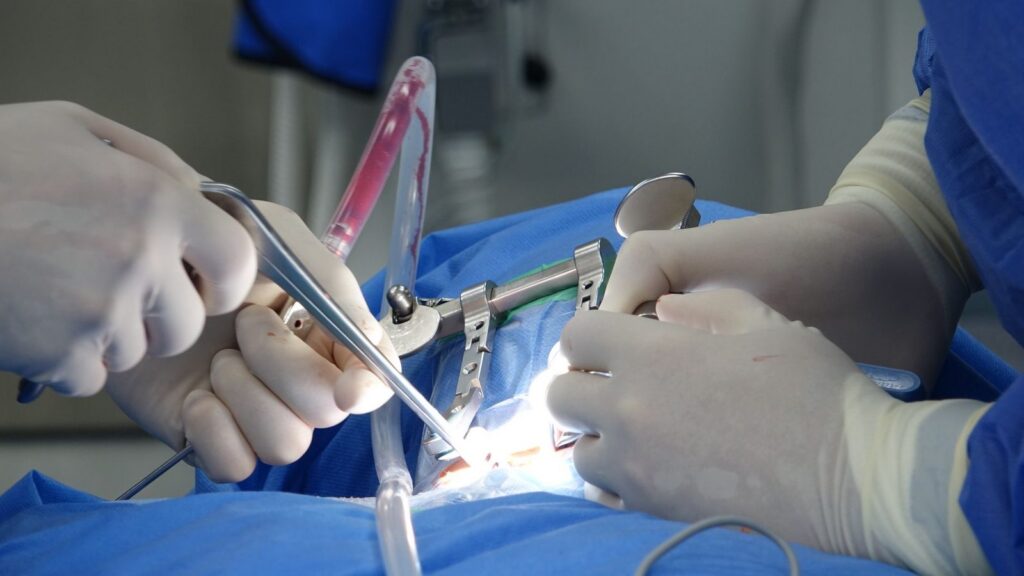
Many severe vertebral fractures require surgery to realign the spine, remove bone fragments, or fuse vertebrae. Recovery in the acute phase can take weeks to months, but spinal cord damage is often permanent.
Rehabilitation and Adaptation
Spinal cord injury rehabilitation teaches patients how to live with paralysis or reduced mobility. Physical therapy, occupational therapy, and psychological support are ongoing. Many patients require lifelong attendant care.
Lifetime Medical and Support Costs
Catastrophic vertebral fractures mean decades of medical appointments, medications, equipment, home modifications, and personal care. A comprehensive damages claim must account for all future needs and lost earning capacity.
Why You Need an Attorney for a Vertebral Fracture Claim
Calculating True Lifetime Costs
Insurance companies underestimate the cost of lifelong care. An attorney works with medical and economic experts to quantify future medical expenses, lost wages, home modification, equipment, and personal care over your lifetime.
Holding Negligent Parties Accountable
Whether a truck driver, property owner, employer, or manufacturer was negligent, we focus exclusively on catastrophic injury cases and know how to build a strong case against those responsible.
Protecting Your Rights Against Delay Tactics
Insurance companies and defendants often delay, deny, or lowball catastrophic injury claims. An attorney ensures your claim moves forward and your family's needs are met while litigation proceeds.
Navigating Complex Legal and Medical Issues
Vertebral fracture cases involve intricate medical causation, liability standards, and damages calculations. We handle the legal complexity so you can focus on recovery and family.
A Vertebral Fracture Changes Your Life. Let Us Help You Pursue Justice.
Related practice areas
- Catastrophic Back and Neck Injuries: Your Rights After a Life-Altering Spinal Injury
- Life After a Spinal Fusion: Long-Term Impairment and What It Costs
- Chronic Nerve Damage and Failed Back Surgery Syndrome After a Serious Accident
- How Much Is a Catastrophic Back or Neck Injury Claim Worth?
- Spinal Cord Injuries: A Guide for Victims and Families Facing Paralysis