

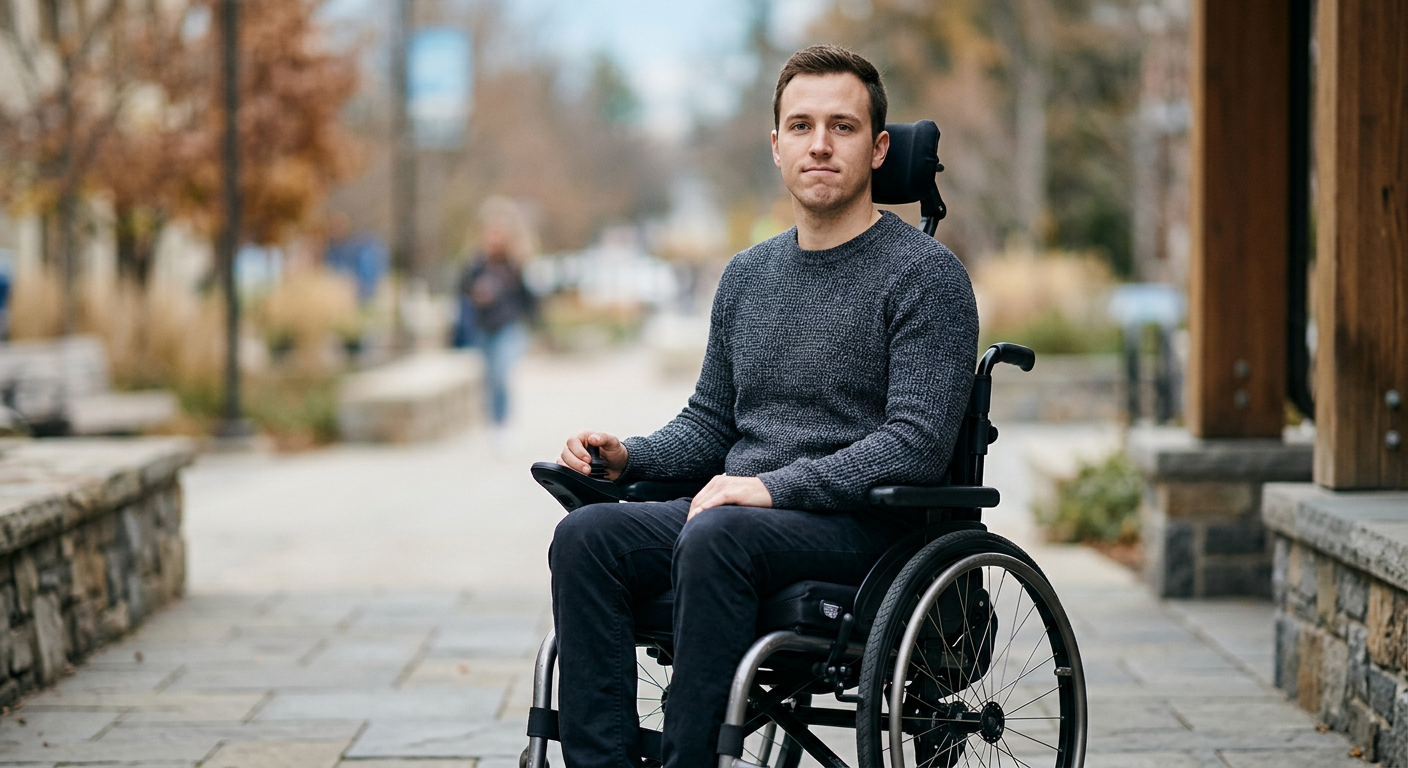
Catastrophic Injury · Florida & Nationwide
When a Neck Injury Takes Away Movement: Understanding Tetraplegia
A serious spinal cord injury in the neck can cause paralysis of the arms, legs, and trunk. Learn what tetraplegia (quadriplegia) means, what causes it, and the options available to you and your family.
Why Families Turn to CHG
Licensed
Florida Bar–admitted attorneys
Nationwide
Cases handled across the U.S.
Catastrophic
Focused on life-altering injuries
Bilingual
English & Spanish resources
By CHG Lawyers · Published July 30, 2026
Paralysis From a Neck Injury: Understanding Tetraplegia and Incomplete Cervical Damage

Not sure what your next step is?
Talk it through with our team — the first consultation is free, confidential, and carries no obligation.
Can a Neck Injury Paralyze You?
Yes. A serious injury to the neck part of the spinal cord can cause paralysis. The neck is also called the cervical spine. This is one of the most life-altering injuries a person can survive.
Your spinal cord is the main link between your brain and the rest of your body. It carries the signals that let you move and feel. An injury high up in your neck can cut off those signals. This affects your arms, legs, and trunk. That is why a neck injury affects so much of the body at once.
Maybe you or someone you love just heard this diagnosis. You are likely being handed words you have never used before. “Level of injury.” “ASIA grade.” “Complete versus incomplete.” This page explains them in plain language.
It also does something most medical pages do not. It connects what the doctors tell you to the real choices your family now faces. These include practical and money decisions.
This is educational information. It is not medical or legal advice for your case. Always follow your treating team’s guidance.
How the Cervical Spine and Spinal Cord Work
The cervical spine is your neck. It has seven small bones called vertebrae, labeled C1 through C7. These bones surround and protect the spinal cord that runs through them.
Nerves branch out at each level. They control certain muscles and feeling. The higher up the injury, the more of the body it can affect. Damage at the C1–C4 levels can hurt the muscles you use to breathe. This is why some people with very high injuries need a ventilator (a machine that helps you breathe). This comes from the National Institute of Neurological Disorders and Stroke. An injury lower in the neck often spares more function.
There is a big difference between two kinds of harm. One is injuring the bones and discs of your neck. The other is injuring the spinal cord itself. You can break a neck bone without harming the cord. But when the cord is bruised, torn, or squeezed, paralysis can follow.
This page is about catastrophic, permanent injuries. A sore neck or whiplash usually heals. A cervical spinal cord injury changes life for good. Those are very different things. This page is about the serious kind.
What Is Tetraplegia (Quadriplegia)?
Tetraplegia is paralysis of both arms, both legs, and the trunk. It comes from damage to the spinal cord in the neck, according to the Mayo Clinic.
Tetraplegia and quadriplegia mean the same thing. “Tetra” is Greek and “quadri” is Latin. Both describe paralysis of all four limbs. Doctors use them to mean the same thing. You will hear both.
The level of injury shapes what a person can and cannot do. A higher neck injury may affect breathing. It may require breathing support. A lower neck injury may leave some arm or hand movement. Two people with neck injuries can have very different abilities. The level and completeness of the injury drive that difference.
Tetraplegia is different from paraplegia. Paraplegia comes from an injury lower down the spine. It affects the legs and lower body but usually spares the arms. The neck sits at the top of the cord. So neck injuries affect the most of the body. You can read more on our paralysis, paraplegia, and quadriplegia page.
Complete vs. Incomplete Cervical Spinal Cord Injuries
Care teams sort spinal cord injuries into two groups. These are complete and incomplete. The difference shapes everything that follows.
A complete injury means no feeling or movement remains below the level of injury. The Mayo Clinic describes this as a loss of all feeling and control of movement below the injury site.
An incomplete injury means some signals still cross the damaged area. Some movement or feeling remains. Incomplete injuries vary a lot. One person may keep a trace of feeling. Another may keep real strength.
Families are rarely told one thing plainly. Doctors often cannot give a final answer in the early days. Swelling can hide the true damage. So can a short-term state called spinal shock. As the swelling goes down over days and weeks, a clearer picture appears. If you feel you are not getting a straight answer in week one, that is often because there is no clear answer yet. It does not mean information is being hidden.
To classify injuries, care teams use the ASIA Impairment Scale. It is published by the American Spinal Injury Association. It grades the injury from A (complete) to E (normal function). When a doctor says “ASIA A” or “ASIA C,” this scale is what they mean. Ask your team which grade applies. It is one of the most useful questions you can ask.
Some incomplete injuries follow known patterns. For example, central cord syndrome often affects the hands and arms more than the legs. You do not need to memorize these names. The main point is simple. “Incomplete” leaves more room for possible recovery than “complete.”
Symptoms of C6 and C7 Nerve Damage
C6 and C7 are among the lower levels in the neck. They affect movement in the wrist, arm, and hand.
When these levels are injured, families often notice:
- Weakness or loss of movement in the arms or hands
- Trouble gripping or straightening the wrist
- Numbness or tingling in the arms and fingers
- Loss of fine hand skills, like buttoning a shirt or holding a fork
Symptoms vary a lot. Two people with C7 injuries will not look the same. The biggest factor is whether the injury is complete or incomplete.
Only a spinal specialist can give an accurate assessment. Are you seeing these signs after an accident? Get checked by a doctor who treats spinal cord injuries. Early, expert care matters. It helps outcomes. It also creates the medical record that later shows what happened.
Have questions about what happened?
Ask our team directly. The first conversation is free, confidential, and there is no obligation to continue.
How to Tell if a Neck Injury Is Serious
A neck injury is serious when it comes with loss of movement, loss of feeling, or trouble breathing. These are medical emergencies. Call 911 right away.
Watch for these signs after any hard hit to the head or neck:
- Loss of movement in the arms or legs
- Numbness, tingling, or loss of feeling in the limbs
- Trouble breathing
- Loss of bladder or bowel control
- Severe neck pain after a crash, fall, or blow
One rule can prevent a lifetime of disability. Do not move someone with a suspected neck injury unless they are in immediate danger. Moving the neck can turn a survivable injury into a permanent one. Keep the person still and wait for paramedics.
Some serious spinal injuries show no clear symptoms right away. Adrenaline and swelling can hide the damage for hours. When in doubt, get checked out. The emergency room can rule out the worst with imaging.
Again, this is about catastrophic injuries. It is not about a stiff neck that fades in a day or two.
Can You Walk Again After Being Paralyzed From the Neck Down?
The honest answer: it depends. Recovery turns on whether the injury is complete or incomplete. It also turns on personal factors your doctors track over time.
Incomplete injuries carry more chance of regaining some function. Some people recover real movement with time and therapy. Complete injuries offer more limited recovery. Even so, rehabilitation still improves quality of life, independence, and health.
Rehabilitation is central. Physical therapy, occupational therapy, and adaptive technology help people build strength. They also help people relearn daily tasks. Assistive devices expand what is possible. These range from power wheelchairs to voice-controlled home systems.
We will not promise you a specific result. No honest source can. But we will not paint a picture of no hope either. Your medical team is the right source for your prognosis. They see your scans, your progress, and your ASIA grade over time. Lean on them for answers about your own recovery.
Common Causes of Catastrophic Neck Injuries
Catastrophic neck injuries usually come from high-force events. The spinal cord is well protected. So it takes serious force to damage it.
Common causes include:
- Traffic crashes, especially truck accidents. Under federal law (23 CFR §658.17), a loaded tractor-trailer’s maximum gross vehicle weight is 80,000 pounds, unless the bridge formula dictates a lower limit. That mass means extreme force on the neck and spine.
- Falls from height, such as from a ladder, roof, or scaffold
- Diving and sports incidents, where the head hits bottom or the ground
- Acts of violence, including assaults and shootings. These sometimes happen on property that failed to provide reasonable security.
In many cases, someone else’s carelessness set the event in motion. It could be a distracted trucker. It could be a company that skipped safety rules. It could be a property owner who ignored known dangers.
Sometimes a neck injury is fatal. That is the most catastrophic outcome of all. Traffic crashes in the United States claim thousands of lives every year, a number that is hard to picture. Behind each number is a family. Did your family lose someone to a neck or spinal injury after an accident? You have questions and options too. Florida law lets certain family members bring a wrongful-death claim. We handle those matters with the same care and dignity as any other case.
Living With and Treating a Cervical Spinal Cord Injury
Treatment usually starts in the emergency room. Doctors stabilize the spine to prevent more damage. Surgery may be needed to relieve pressure on the cord or fuse the bones. Every case is different.
Then comes the long road of rehabilitation. It can include:
- Physical and occupational therapy to build strength and skills
- Breathing support for higher injuries that affect breathing
- Assistive devices and home changes
- Ongoing care to prevent problems like pressure sores and infections
The costs are large and lifelong. Care for high tetraplegia is expensive, starting in the first year and continuing in the years that follow. And that is before lost income. Many people can no longer work in their old jobs. That adds lost wages on top of medical bills. The Christopher & Dana Reeve Foundation tracks how many Americans live with paralysis and the daily challenges they face.
There is an emotional side, too. A neck injury reshapes routines, roles, and relationships for the whole family. Families often need considerable support as they adjust to these changes. That support is both practical and personal. This reality deserves respect, not sensationalism.
When Someone Else May Be Responsible
Did another party’s carelessness cause the accident? Then the injured person or their family may have a legal claim. That is true whether the cause was a careless driver, a trucking company that cut corners, or an unsafe property.
A few examples of possible fault:
- A truck driver who was tired, speeding, or distracted
- A trucking company that ignored maintenance or federal hours-of-service rules
- A property owner who failed to fix a known danger, or who ignored a pattern of past crime on the property
That last point matters more than many families realize. Maybe you or a loved one was attacked, shot, or assaulted on someone else’s property. This could be an apartment complex, a parking garage, a hotel, a bar, or a store. Maybe the owner had no working locks, gates, lighting, cameras, or security when there was reason to expect danger. Then the property owner may share the blame. In Florida this type of claim is known as negligent security. It is a form of premises liability. You do not need to know the legal term to have a case. You only need to reach out and ask.
The true cost of a catastrophic neck injury is often far higher than families first realize. Lifetime care, lost wages, and equipment can reach into the millions. A claim can help cover those costs. Then a family is not left carrying them alone.
Timing matters in Florida. Take most negligence claims that arose on or after March 24, 2023. The deadline to file is generally two years, under Fla. Stat. §95.11. Florida also follows a modified comparative-negligence rule under Fla. Stat. §768.81. This means someone found more than 50% at fault for their own harm generally cannot recover damages.
We cannot promise any specific outcome. No law firm honestly can. What we can offer is a free, no-obligation review by a licensed attorney.
Want to know where you stand?
Tell us what happened and our team will walk you through the options available to you, at no cost.
Learn More and Get Help
You do not have to sort through this alone. Start with our main guide on catastrophic back and neck injuries. It links to related topics. These include spinal cord injuries and catastrophic injury claims.
CHG Personal Injury Lawyers offers information and consultations in English and Spanish. A diagnosis this serious is hard enough without a language barrier. We are a Florida-based firm serving Miami, Orlando, Tampa, and Jacksonville. We take catastrophic-injury cases nationwide. Our attorneys are licensed and admitted to the Florida Bar.
Has a neck injury causing paralysis changed your family’s life? Reach out. A free case evaluation carries no obligation and no fee to talk. Contact us today to learn about your options.

Frequently Asked Questions
Can a neck injury paralyze you?
Yes. A serious injury to the spinal cord in the neck can cause paralysis of the arms, legs, and trunk. This is known as tetraplegia.
What is the difference between tetraplegia and quadriplegia?
There is no difference. Both words describe paralysis of all four limbs from a neck spinal cord injury. Doctors use them to mean the same thing.
Can you walk again after being paralyzed from the neck down?
It depends on whether the injury is complete or incomplete. It also depends on many personal factors. Incomplete injuries carry more chance of recovery. Your medical team can explain your prognosis.
What are the symptoms of C6 and C7 nerve damage?
Common symptoms include weakness in the arms or hands, trouble gripping, and numbness or tingling in the arms and fingers. Symptoms vary by person.
How long do I have to file an injury claim in Florida?
For most negligence claims arising on or after March 24, 2023, the deadline is generally two years under Fla. Stat. §95.11. Speak with a lawyer promptly to protect your rights.
Who can file a claim if a neck injury is fatal?
Florida law lets certain family members bring a wrongful-death claim. A licensed attorney can explain who qualifies and what steps to take.
Get a Medical and Legal Picture Early
A cervical (neck) spinal cord injury can change over the first hours and days. Preserving medical records, accident evidence, and witness details early can matter later. If someone else's negligence contributed to the injury, speaking with an attorney does not slow your medical care — it protects your family's options.
What You Should Know About Tetraplegia
Can a neck injury paralyze you?
Yes. A serious injury to the spinal cord in the neck can cause paralysis of the arms, legs, and trunk. This is known as tetraplegia.
Tetraplegia vs. quadriplegia
There is no medical difference. Both words describe paralysis of all four limbs from a neck spinal cord injury. Doctors use them to mean the same thing.
How the injury level matters
Where the spinal cord is damaged in the neck affects which functions are impaired. Higher cervical injuries generally affect more of the body, including breathing.
Common causes
Neck spinal cord injuries often result from truck and other serious crashes, falls, and violent attacks — including assaults on unsafe properties that failed to provide reasonable security.
How CHG Personal Injury Lawyers Can Help
We Focus on Catastrophic Injuries
Our practice centers on permanent, life-altering harm — spinal cord injuries and paralysis, traumatic brain injuries, amputations, and severe burns.
We Investigate What Caused It
Whether a truck crash or a property owner's failure to provide safe conditions, we work to identify who may be responsible.
We Center the Family
Tetraplegia affects an entire household. We listen first and explain your options in plain language, at your pace.
Bilingual Support
We publish and communicate in English and Spanish so families can understand their situation clearly.