


Catastrophic Injury · Florida & Nationwide
When a Back or Neck Injury Steals the Ability to Move
Paralysis after a spinal cord injury changes everything for the person hurt and the people who love them. We help families understand what happened, what comes next, and how to hold the responsible party accountable.
Focused Help for Life-Altering Injuries
Catastrophic
Injuries are all we focus on
Nationwide
Cases accepted across the U.S.
Bilingual
English & Spanish resources
Licensed
Florida Bar–admitted attorneys
By CHG Lawyers · Published July 28, 2026
Paralysis From a Back or Neck Injury: What Families Need to Know
Yes, a serious back or neck injury can cause paralysis. It happens when trauma damages the spinal cord. The spinal cord carries signals between the brain and the body. When it is hurt, those signals can’t get through. Below the point of damage, the body may lose movement, feeling, or both.
If you’re reading this from a hospital waiting room, we’re sorry you’re here. This page explains, in plain words, what paralysis from a back or neck injury means. It also covers what doctors can and can’t tell you in the early days. And it explains what families can do next.
One note first. This is educational information, not medical advice. Your loved one’s doctors know their case. They are the true source of answers about what comes next.
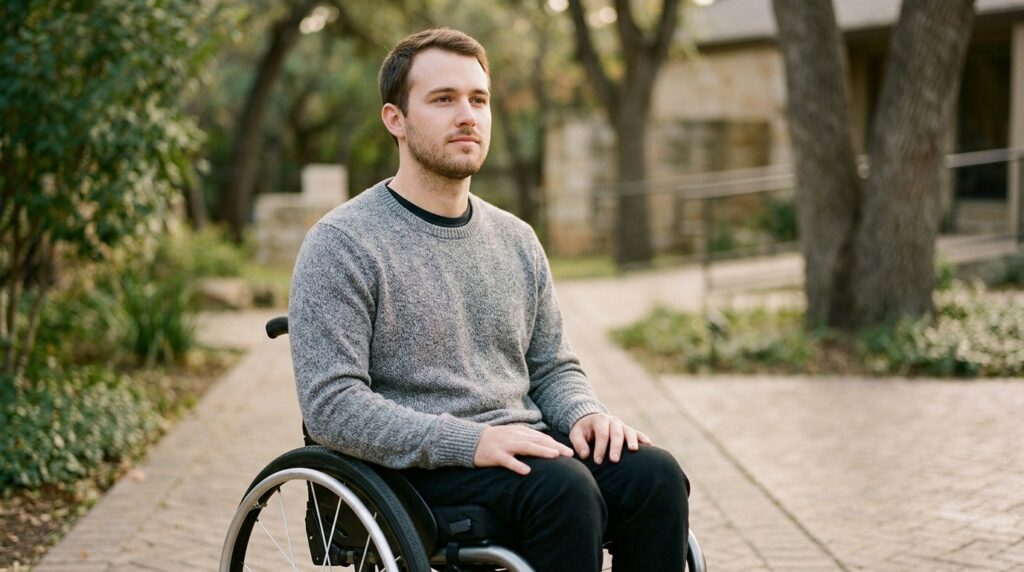
If you're reading this from a hospital waiting room, we're sorry you're here. Talk it through with our team — the first consultation is free, confidential, and carries no obligation.
If a doctor just told you your loved one is paralyzed
The first hours after this news are a blur for most families. You may not remember half of what the doctors said. That’s normal.
Our attorneys handle catastrophic-injury cases. We’ve sat with many families in this exact moment. Right now, the medical team is focused on one thing: stopping further harm. Everything else can wait.
You don’t need to understand everything today. Take it one conversation at a time. Ask the care team to repeat things. Write down the words they use—”level,” “complete,” “ASIA A”—so you can look them up later.
How a back or neck injury leads to paralysis
The spinal cord is a bundle of nerves. It runs down your back inside the bones of the spine. It acts like a cable between the brain and the body. When that cable is damaged, signals can’t get past the injured point.
Can a neck injury paralyze you? Yes. A neck injury can damage the upper spinal cord and affect much of the body. Can you be paralyzed from a back injury? Yes. A lower-back injury can affect the legs and lower body.
One key difference helps families read the imaging reports. The vertebrae (the bones of the spine) protect the cord. Sometimes a bone breaks but the cord stays whole. Other times the cord itself is bruised, torn, or crushed. Paralysis comes from damage to the cord, not the bones alone.
The Mayo Clinic lists car crashes, falls, and acts of violence as leading causes. In our practice, that often means a truck crash at highway speed. It can also mean a violent attack on a property that failed to keep people safe.
Why the level of the injury matters
The higher the injury sits on the spine, the more of the body it usually affects. Doctors describe an injury by its “level.” For example, a “C5” injury is in the neck. An “L1” injury is in the lower back.
The Mayo Clinic explains that damage near the neck can affect the arms, trunk, and legs. Damage lower down may affect only the legs and lower body. The level tells the team which functions may be involved. But no two people are the same. Two injuries at the same level can lead to different outcomes.
Paraplegia vs. quadriplegia: what the terms mean
These two words describe how much of the body is affected. You’ll hear both from the care team.
Paraplegia means paralysis of the lower half of the body, including the legs. Quadriplegia, also called tetraplegia, means paralysis of both arms and both legs, per the Mayo Clinic.
Quadriplegia comes from injuries higher up, in the neck. In severe cases, it can affect breathing. Paraplegia comes from injuries lower down the spine. You can learn more on our page about paralysis, paraplegia, and quadriplegia.
Complete vs. incomplete injury—and why doctors often can’t give a firm prognosis yet
Most other pages skip this part. But families most need to hear it.
Doctors also call the injury “complete” or “incomplete.” A complete injury means there is no movement or feeling below the injured point. An incomplete injury means some movement or feeling remains below that point, per the Mayo Clinic. Incomplete injuries generally leave more room for possible recovery.
Here’s what surprises many families. Doctors often cannot tell you which type it is in the first days. After a serious injury, the cord can go into a temporary state. This is sometimes called spinal shock. Swelling around the cord can also hide how much function is truly lost. An injury that looks “complete” in the emergency room can change as the swelling goes down.
To classify the injury clearly, spinal specialists use a standard exam. It is based on the International Standards for Neurological Classification of Spinal Cord Injury (ISNCSCI), developed by the American Spinal Injury Association (ASIA). The exam gives an “ASIA Impairment Scale” grade from A (complete) through E. The team usually repeats it over days and weeks. The honest answer takes time to emerge.
So if the doctors seem slow to predict the future, they aren’t hiding something. They’re being careful. Rushing to guess before the picture is clear would not help your family.
Not sure what your next step is?
Talk it through with our team — the first consultation is free, confidential, and carries no obligation.
How paralysis is diagnosed and treated in the early days
At first, the goal is simple. See the injury clearly and prevent more damage.
The care team usually orders imaging, such as a CT scan and MRI. They also do neurological exams. They check movement and feeling across the body. These show where the cord is damaged and how badly.
Next, they stabilize the spine so it can’t shift and cause more harm. This may mean surgery, a brace, or both. Doctors also manage problems the public rarely hears about. These include dangerous blood-pressure swings and the need for breathing support with high neck injuries.
Rehabilitation often begins soon after the patient is stable. Early rehab works to prevent problems and build strength wherever possible. Special spinal-injury rehab programs exist across the country to guide this long process.
Is paralysis from a spinal cord injury permanent?
Sometimes yes. Sometimes function returns. It depends on the injury. Many spinal cord injuries cause permanent impairment, but not all do.
Incomplete injuries offer more chance of regaining some function. Complete injuries are less likely to reverse. That’s the honest picture. It’s why the care team waits before offering a long-term outlook. This waiting is hard. But leaning on the specialists who examine your loved one is the right move. You can also read more on our spinal cord injuries resource.
Will my loved one walk again?
There is no single “cure.” The honest answer depends on how complete the injury is. Some people regain meaningful function. Others do not. Neither outcome can be promised in advance.
Recovery depends mostly on two things. The first is the level of the injury. The second is whether it’s complete or incomplete. People with incomplete injuries who keep some feeling generally have a better chance of regaining muscle function over time.
We want to be clear and gentle. Walking again is possible for some people and not for others. Progress usually comes through rehab, therapy, and adaptive tools. It rarely comes in one dramatic moment. Hope is real, but false promises only hurt families. Trust the specialists who examine your loved one.
What living with paralysis can involve
Life after paralysis usually means ongoing care and some changes at home. Knowing this early helps families plan instead of scramble later.
Long-term needs can include medical care, physical and occupational therapy, and adaptive equipment such as a wheelchair. Many families change their homes with ramps, wider doorways, or a first-floor bedroom. Some need paid personal support for daily tasks.
The Christopher & Dana Reeve Foundation tracks how many Americans live with some form of paralysis. The number reaches into the millions. You are not alone in this. The emotional and money strain is heavy, and that’s worth saying honestly. We share this to help you prepare, not to frighten you.
Have questions about what happened?
Ask our team directly. The first conversation is free, confidential, and there is no obligation to continue.
When the injury was caused by someone else
If another person’s carelessness caused this injury, your family may have legal options. For example, the cause could be a reckless truck driver or a medical provider whose negligence caused harm.
It can also involve property owners. Maybe your loved one was attacked—assaulted, shot, or robbed—at an apartment complex, parking garage, hotel, or store. Owners are supposed to provide reasonable security. That means things like working locks and gates, lighting, cameras, or guards. If the owner failed to do this, they may share the blame for what happened. The law calls this negligent security. But you don’t need to know the term to have a case. Our negligent security page explains it in plain language.
The lifelong costs of care can be part of a claim. That includes medical bills, equipment, home changes, and lost income. We can’t promise any result, and no honest lawyer can. But you deserve to understand your options.
Deadlines apply. In Florida, most injury claims must generally be filed within two years, under Fla. Stat. §95.11. Florida also follows a shared-fault (comparative negligence) rule under Fla. Stat. §768.81. This rule can affect what a claim is worth. A free case evaluation is a no-pressure way to learn where you stand.
Related resources and next steps
Start with the resources below when you’re ready:
- Catastrophic back and neck injuries — our full overview
- Spinal cord injuries
- Paralysis, paraplegia, and quadriplegia
- Truck accidents
- Negligent security
When you’re ready to talk, we’re here for a free case evaluation.

Frequently asked questions
Can a neck injury paralyze you?
Yes. A neck injury can damage the upper spinal cord and affect the arms, trunk, and legs. It can sometimes affect breathing too.
Can you be paralyzed from a back injury?
Yes. A serious lower-back injury can damage the spinal cord. This can cause paralysis of the legs and lower body.
Why can’t the doctors tell us if it’s permanent yet?
In the early days, spinal shock and swelling can hide how much function is truly lost. Specialists use the ASIA/ISNCSCI exam again and again over time. This helps them reach a clearer, more honest answer.
What’s the difference between paraplegia and quadriplegia?
Paraplegia affects the lower body and legs. Quadriplegia, or tetraplegia, affects both arms and both legs.
Will my loved one walk again?
Some people regain the ability to walk, and others do not. It depends on the level and completeness of the injury. No result can be promised.
How long do we have to file a claim in Florida?
Florida generally allows two years to file most injury claims under Fla. Stat. §95.11. Talk to a lawyer early so you don’t lose your rights.
How a Back or Neck Injury Leads to Paralysis
Neck (Cervical) Injuries
Damage to the upper spinal cord can affect the arms, trunk, and legs — a condition often called quadriplegia. In some cases it can also affect breathing, requiring long-term medical support.
Back (Thoracic/Lumbar) Injuries
A serious lower-back injury can damage the spinal cord and cause paralysis of the legs and lower body, known as paraplegia. Bladder, bowel, and sexual function may also be affected.
Complete vs. Incomplete
A 'complete' injury means no movement or feeling below the injury level. An 'incomplete' injury may leave some function. Doctors often need time before the full picture is clear.
Why It Is Permanent
Unlike many tissues, the spinal cord does not heal on its own. That is why these injuries are considered catastrophic and why the costs of care often last a lifetime.
Don't Sign Anything From an Insurer Yet
After a spinal cord injury, insurance companies may reach out quickly with paperwork or an early settlement. The true cost of paralysis — future surgeries, home modifications, equipment, and lost income — is rarely known this soon. Speak with a lawyer before you agree to anything.
What Families Should Know
The Family Is Part of the Case
Paralysis affects the whole household. Caregiving, lost wages, and the cost of adapting a home can all matter to a claim.
Evidence Matters Early
Medical records, crash reports, property conditions, and witness accounts can fade. Preserving them early helps protect your right to seek accountability.
Many Accidents Cause These Injuries
Truck crashes, falls, and violence on unsafe properties can all lead to spinal cord damage. If a fatal outcome occurred, a family may pursue a wrongful-death claim.
You Deserve Plain Answers
We explain your options in clear language — no jargon, no pressure — so you can make decisions that are right for your family.