


Spinal Cord Injury & Paralysis
Life After a Permanent Spine Injury: Building Your New Normal
Practical guidance on adapting to life with paralysis or catastrophic spine damage—and understanding your legal rights if negligence caused your injury.
By CHG Lawyers · Published August 30, 2026
Living With Permanent Spine Injury: Medical Care, Adaptation & Support
A permanent spine injury changes everything. That change is real, lasting, and worth acknowledging honestly. This guide walks you through what living with a permanent spine injury actually looks like: the medical care you’ll need, practical adaptations that work, support systems that matter, and how people rebuild meaningful lives after catastrophic injury.
If your injury resulted from an accident, negligence, or wrongdoing, a legal claim may be one way to seek compensation for some of these costs. Talk it through with our team — the first consultation is free, confidential, and carries no obligation.
Understanding Your New Reality After Permanent Spine Injury
A permanent spine injury means lasting changes in strength, sensation, and body function below the injury site. The first weeks and months are often a blur of medical appointments, shock, and uncertainty.
Grief, anger, and fear are normal. So is resilience and adaptation. Whether you’re newly injured, supporting someone who is, or trying to understand what comes next, this page offers practical information grounded in what people in this situation actually face.
Medical Care and Ongoing Management
Permanent spine injuries require ongoing medical attention. The goal is not to cure the injury—it’s to manage pain, prevent complications, and maintain the best possible function and health.
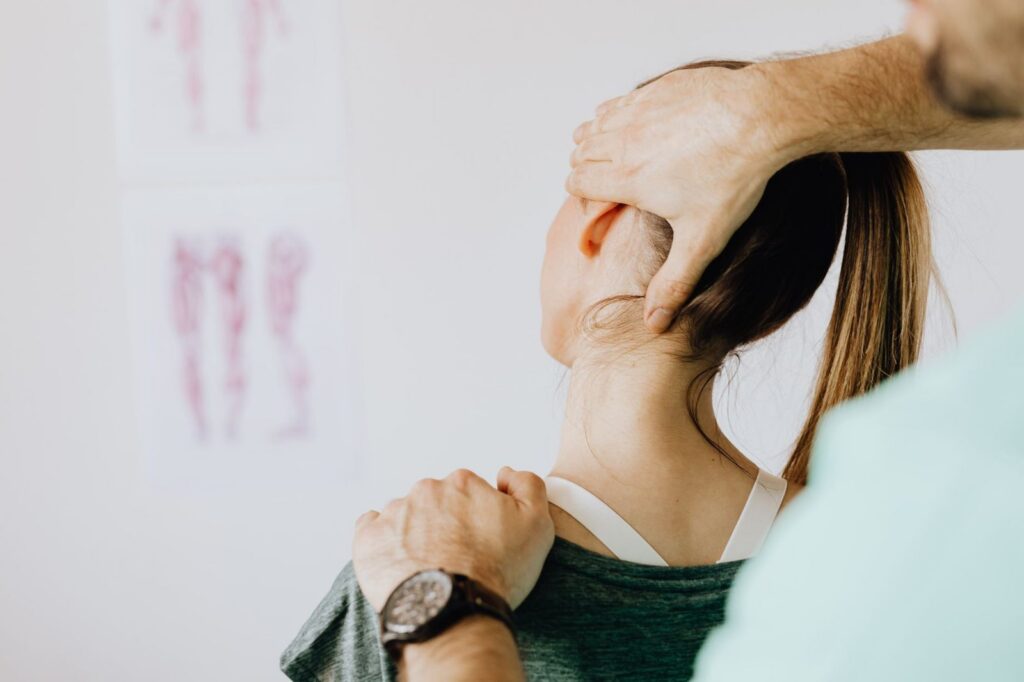
Your care team. Physiatrists (rehabilitation physicians), neurologists, orthopedic spine surgeons, and pain management specialists coordinate your care. Regular imaging (MRI, CT scans) monitors your injury and catches complications early. Many people see their physiatrist annually or semi-annually for long-term management.
Pain management. Chronic pain is common after spinal cord injury and can be one of the most disruptive aspects of daily life. Your doctor will help you find an approach that works: medications (neuropathic pain agents, muscle relaxants), epidural injections, nerve blocks, and other interventions. The goal is sustainable pain control that lets you participate in daily life and rehabilitation—not complete numbness, which is often unrealistic.
Bowel and bladder management. This becomes a critical part of daily routine for many people with spinal cord injuries. Your medical team will help you develop a plan tailored to your body and your life. Intermittent catheterization, bowel regimens, and other strategies allow you to manage these functions safely and with dignity. Many people establish routines that become automatic over time.
Skin care and pressure-wound prevention. Pressure ulcers (bedsores) are a serious complication that can develop quickly if skin is not protected and can lead to infection, hospitalization, and further complications. Regular skin checks, repositioning as your care team recommends, pressure-relief cushions, and specialized support surfaces may help protect your skin and health.
Mental health support. Counseling, therapy, or psychiatric care may be an important part of your recovery. Depression and anxiety are common after catastrophic injury and are treatable. Many people find that therapy helps them process loss, rebuild identity, and develop coping strategies that work. A therapist experienced with catastrophic injury understands the specific challenges you face.
Adaptive Equipment and Home Modifications
Adaptive equipment transforms what’s possible in daily life. Wheelchairs (manual or powered), standing frames, transfer equipment, specialized beds, and bathroom aids restore independence and dignity.
Home modifications allow you to move through your own space safely and independently: – Ramps and threshold modifications for entryway access – Widened doorways and hallways for wheelchair clearance – Accessible bathrooms (roll-in showers, grab bars, accessible toilets) – Kitchen adjustments (lowered counters, accessible appliances) – Accessible bedrooms with appropriate flooring and space for equipment
An occupational therapist can assess your home and recommend modifications tailored to your specific injury and goals. Many people find that even modest modifications—a ramp, grab bars, or a roll-in shower—restore independence in ways that matter deeply.
Vehicle modifications (hand controls, lifts, accessible vans) make driving and transportation possible for many people. Technology—voice-controlled devices, specialized computer interfaces, and smart-home systems—reduces barriers to work, communication, and daily tasks.
These adaptations are often expensive. Insurance, workers’ compensation, disability benefits, and vocational rehabilitation programs may help cover costs. Understanding what’s available to you is essential to planning your long-term setup.
Daily Life and Routine
Life after a permanent spine injury requires new routines—and those routines become normal.
Personal care. Bathing, dressing, and toileting may require assistance or adaptive equipment. Many people work with caregivers to develop routines that preserve both independence and dignity. Some people hire personal care attendants; others rely on family or a combination of both.
Work and employment. Many people with permanent spine injuries continue to work or return to work. Vocational rehabilitation, workplace accommodations (modified schedules, accessible workstations, remote work options), and job retraining open doors. The Florida Division of Vocational Rehabilitation may offer job training and employment support at no cost to you.
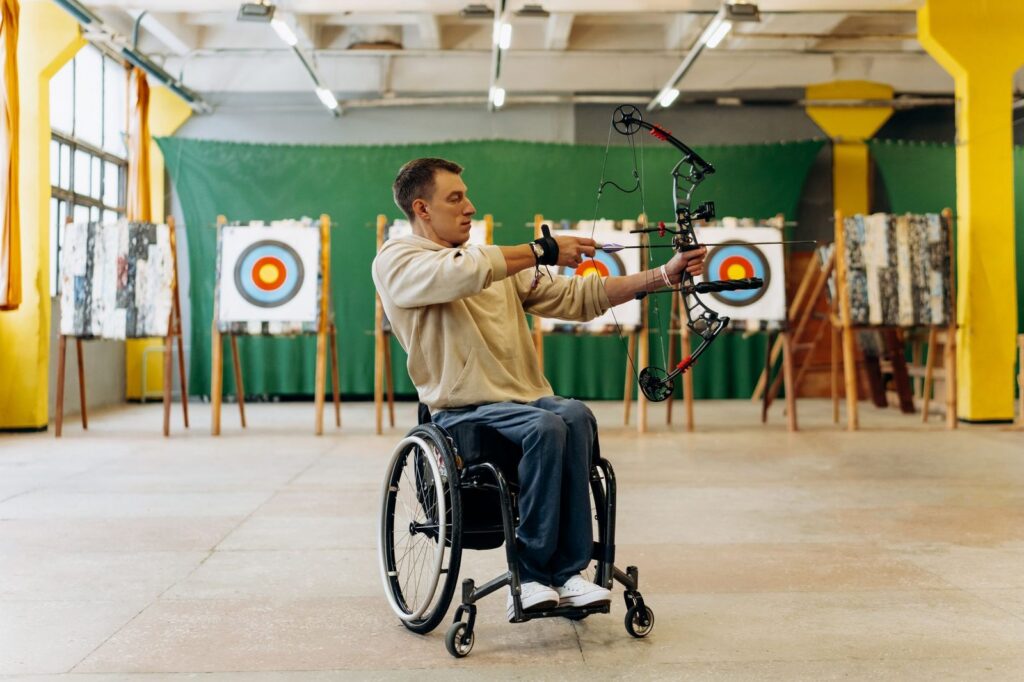
Physical activity and exercise. Adapted to your ability, physical activity improves strength, cardiovascular health, mental health, and quality of life. Physical therapists and adaptive sports programs (wheelchair basketball, adaptive yoga, swimming, hand cycling) can guide you. Many communities have accessible fitness facilities and adaptive recreation programs.
Social life and relationships. Community involvement, relationships, and meaningful activity continue—though they may look different than before. Travel is possible with planning. Accessible transportation, hotels, and attractions exist. Disability travel specialists and organizations can help you plan trips.
Fatigue management. Fatigue is real and often underestimated after spinal cord injury. Managing energy and building rest into your routine is essential to sustainable daily life. Many people find that pacing activities and planning rest periods prevents crashes and improves overall function.
Emotional, Psychological, and Social Support
Grief, anger, depression, and anxiety after a catastrophic injury are normal—not weakness or failure.
Therapy and counseling help many people process loss and rebuild identity. A therapist experienced with catastrophic injury can help you navigate this transition and develop practical coping strategies.
Peer support reduces isolation and offers practical wisdom from people who truly understand. Support groups (in-person and online) exist for spinal cord injuries, paralysis, chronic pain, and catastrophic injury. Many are free or low-cost. The Christopher & Dana Reeve Foundation and United Spinal Association offer peer connections and resources.
Family and caregiver support is critical too. Relationships change after injury, and counseling can help families navigate that transition together. Many people find that including family members in therapy sessions helps everyone adjust.
Spirituality and meaning-making. Faith practices, spirituality, or other meaning-making practices help many people find purpose and resilience after trauma.
Sexual health and intimacy. These remain part of life after spine injury. Specialists in sexual medicine and rehabilitation can address concerns openly and practically.
Not sure what your next step is?
Talk it through with our team — the first consultation is free, confidential, and carries no obligation.
Financial Planning and Long-Term Costs
Permanent spine injuries carry significant lifetime costs. Lost income is reported separately from these figures.
Understanding your financial picture is essential to long-term stability: – Insurance coverage (health, disability, homeowners) – Disability benefits (Social Security Disability Insurance, Supplemental Security Income) – Workers’ compensation (if injury occurred at work) – Medicare and Medicaid eligibility – Veterans benefits (if applicable)
Life care planning is a detailed projection of your lifetime needs and costs. A life care planner works with medical professionals to estimate realistic costs over your lifetime. This helps you and your loved ones understand what to expect and plan accordingly. A life care plan can also be used in legal claims to document the true cost of your injury.
Vocational rehabilitation and job retraining may be available through state disability agencies or workers’ compensation. Trusts and special needs planning may help protect your benefits and security if you receive a legal settlement or inheritance. Review your own situation with a qualified advisor.
If your injury resulted from an accident, negligence, or wrongdoing, a legal claim may be one way to seek compensation for some of these costs. Results depend on the facts of each case, and no result is guaranteed.
Will Spinal Cord Injuries Ever Be Cured?
Current medical science cannot reverse a complete spinal cord injury. No cure exists today. Research into spinal cord regeneration, stem cell therapy, and neurorehabilitation is ongoing and shows promise in animal models and early human trials—but these are not yet standard treatments available to patients.
Advances in rehabilitation, adaptive technology, and pain management continue to improve quality of life and function for people living with spinal cord injuries. Hope for future breakthroughs is reasonable. Betting your present life on a cure that may never arrive is not.
Recovery and Adaptation: What’s Possible
Complete recovery from a severe spinal cord injury is not the realistic goal. Adaptation and rebuilding are.
Many people experience some neurological recovery in the first weeks and months after injury—but this typically plateaus. Long-term gains come from adaptation, rehabilitation, and learning to live differently. Quality of life after a permanent spine injury is possible and real for many people: meaningful work, relationships, community, purpose, and joy are within reach.
Adaptation is not giving up. It’s the practical, powerful work of rebuilding a life that matters to you. People living with paralysis, chronic pain, and severe functional loss report satisfaction, resilience, and purpose—not because the injury is good, but because humans are resilient and adaptable.
If Your Injury Resulted From an Accident or Negligence
If your permanent spine injury resulted from a truck crash, a fall caused by unsafe conditions, an assault on a property that failed to provide reasonable security, medical negligence, or another accident caused by someone else’s wrongdoing, you may have a legal claim.
Depending on the facts of your case, a legal claim may seek compensation for losses such as medical care, adaptive equipment, home modifications, and lost income. In Florida motor-vehicle claims, pain and suffering generally requires meeting the permanency threshold in Fla. Stat. § 627.737(2), and comparative fault may limit recovery. No result is guaranteed.
Under Florida’s statute of limitations for personal injury claims (Fla. Stat. § 95.11), negligence claims that accrued after March 24, 2023 generally must be filed within two years, though exceptions and other deadlines may apply depending on the facts of your case. That time is limited, and evidence can fade. If you’re in this situation—injured because of someone else’s negligence or failure to act—understanding what you may be entitled to recover is the first step.
Frequently Asked Questions
What does daily life look like after a permanent spine injury?
Daily life requires new routines and often involves adaptive equipment, personal care assistance, ongoing medical appointments, and modified work or activities. Many people work, maintain relationships, travel, and find purpose and satisfaction. Routines become normal over time.
How much does it cost to live with a permanent spine injury?
Lifetime costs vary widely. Costs depend on each person’s medical needs, adaptive equipment, and living situation. Life care planning helps project these costs realistically and plan financial stability.
Can you work after a permanent spine injury?
Yes. Many people with permanent spine injuries work with vocational rehabilitation, workplace accommodations, and remote work options. Florida’s Division of Vocational Rehabilitation may offer job retraining and employment support, and eligibility depends on individual circumstances.
What mental health support is available?
Counseling, therapy, peer support groups, and psychiatric care are all available. Many support groups are free or low-cost. Many people find that connecting with others living with similar injuries reduces isolation and builds resilience.
What if my injury resulted from an accident or negligence?
If your permanent spine injury was caused by someone else’s wrongdoing—a truck crash, unsafe property conditions, medical negligence, or failure to provide reasonable security—you may have a legal claim for compensation to fund your care and adaptation.
Have questions about what happened?
Ask our team directly. The first conversation is free, confidential, and there is no obligation to continue.
Get Help Today
If you or someone you care for is living with a permanent spine injury caused by an accident, negligence, or someone else’s failure to act, you don’t have to navigate the financial and legal questions alone. Contact us for a free case evaluation to discuss what happened, understand your options, and learn what you may be entitled to recover. People in your situation can reach out to us—and we’re here to help.
Key Areas of Life That Change After Spine Injury
Daily Routines & Independence
Many people adapt routines to work with mobility aids, adaptive equipment, or personal care assistance. Over time, new patterns become normal. Work, hobbies, relationships, and travel remain possible for many—the path looks different, but purpose and satisfaction are achievable.
Medical Care & Rehabilitation
Ongoing appointments with specialists—physiatrists, neurologists, occupational and physical therapists—become part of regular life. Rehabilitation helps maximize function and prevent complications. Many people benefit from specialized equipment and home modifications.
Financial & Practical Planning
Costs include adaptive housing, accessible vehicles, medical equipment, personal care, and ongoing treatment. Insurance, government benefits, and family support often play a role. Long-term planning helps ensure resources are available when needed.
Emotional & Social Adjustment
Grief, frustration, and identity shifts are normal. Counseling, peer support groups, and community connections help many people rebuild confidence and find meaning. Relationships evolve, and new social circles often form around shared experience.
How We Help You Move Forward
Focused Representation
We represent people injured in accidents in Florida, including catastrophic injuries such as spinal cord damage and paralysis. Igor Hernandez is the lawyer responsible for your case.
Investigating Your Claim
We investigate the circumstances of your injury, gathering evidence, medical records, and expert testimony, whether your injury arose from a truck crash, an assault on a property that lacked adequate security such as locks, lighting, cameras, or guards (often called negligent security), or another accident.
Plain-Language Guidance
We explain your legal options and the claims process in straightforward terms.
Empathetic Advocacy
We recognize that your injury has transformed your life. We advocate for fair compensation that reflects your medical needs, lost income, pain, and the permanent changes you face.
If Your Injury Was Caused by Someone Else's Negligence
Accidents—truck crashes, assaults on unsecured property, rideshare collisions, construction zone incidents, and many others—can leave you with permanent spine damage. If negligence, recklessness, or failure to provide reasonable care caused your injury, you may have a legal claim. The sooner you reach out, the sooner we can evaluate your situation and discuss your options.
Common Questions About Living With Spine Injury
Will I be able to work?
Many people continue working after a spine injury—some in their previous role with accommodations, others in different positions. Your ability depends on the severity of your injury, your job demands, and available support. Vocational rehabilitation can help identify realistic options.
What adaptive equipment might I need?
Depending on your injury level and mobility, equipment may include wheelchairs, standing frames, specialized beds, bathroom aids, vehicle lifts, or home modifications. A physical or occupational therapist can assess your specific needs and recommend solutions.
How do I access financial support?
Resources may include health insurance, workers' compensation (if work-related), Social Security Disability Insurance (SSDI), Medicaid, Veterans benefits (if applicable), and legal claims against negligent parties. A financial advisor or social worker can help you navigate available programs.
What if my injury was someone else's fault?
If negligence caused your injury—a truck driver's recklessness, a property owner's failure to provide security, a defective product, or medical malpractice—you may recover compensation for medical costs, lost wages, and the permanent impact on your life. We can evaluate your claim.