


Catastrophic Spinal Cord Injury
Lumbar Spine Injury: Long-Term Impact & Lifetime Costs
A severe lower-back spinal cord injury can mean permanent paralysis, chronic pain, and medical expenses that last a lifetime. Understand what you're facing and what legal options may be available.
By CHG Lawyers · Published August 25, 2026
Catastrophic Lumbar and Thoracic Spine Injuries: Permanent Disability and Lifetime Recovery
A catastrophic lumbar or thoracic spine injury changes your entire life permanently. Unlike a herniated disc or fractured vertebra that heals, a catastrophic spine injury causes permanent paralysis, loss of sensation, and loss of bodily control below the injury level. If negligence caused your injury, the responsible party owes you damages for lifetime medical care, lost earning capacity, and permanent life changes.

If your lumbar or thoracic spine injury was caused by someone else's negligence, you may have a legal claim for damages. Talk it through with our team — the first consultation is free, confidential, and carries no obligation.
Anatomy: Why These Injuries Are Catastrophic
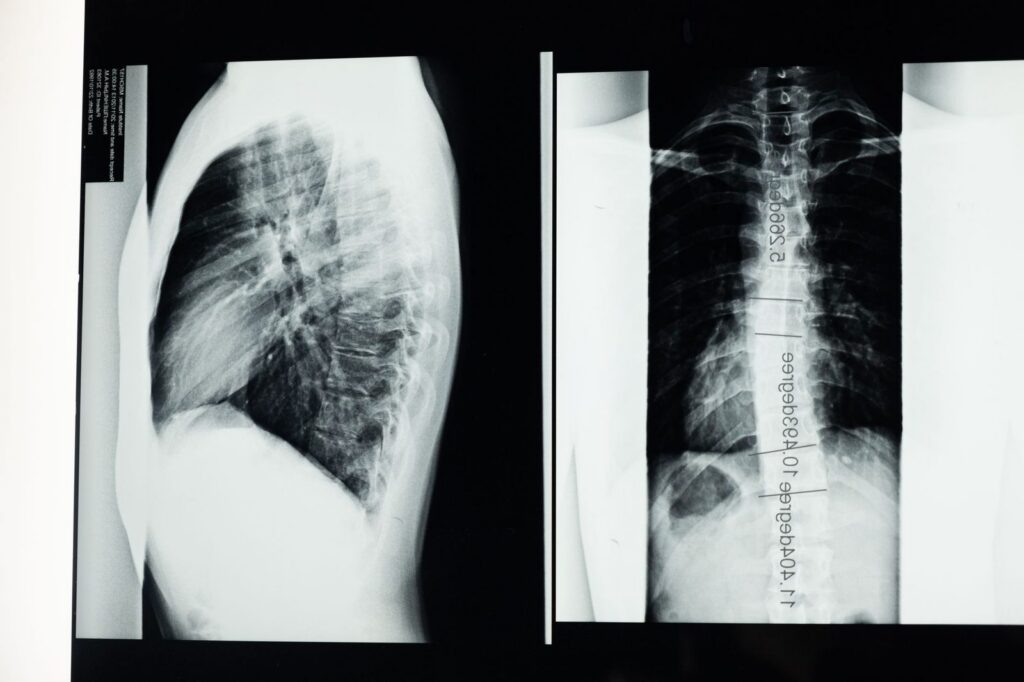
The lumbar spine (lower back) has five vertebrae labeled L1–L5. These bones support most of your body’s weight and let you bend, twist, and move. The thoracic spine (mid-back) has 12 vertebrae labeled T1–T12. It protects your heart and lungs while stabilizing your upper body and rib cage.
Your spinal cord runs inside these vertebrae. It is a bundle of nerve fibers that carries signals between your brain and your entire body. When traumatic injury fractures vertebrae, dislocates bones, or tears the spinal cord, those signals stop. The result is permanent neurological loss below the injury level.
Catastrophic spine injuries are fundamentally different from minor back injuries. A lumbar strain, minor fracture, or herniated disc may heal with rest and therapy. A catastrophic spine injury does not. According to Mayo Clinic, spinal cord injury typically causes permanent changes in strength, sensation, and body functions below the injury level. The spinal cord cannot repair itself. No surgery or medication currently restores severed nerve fibers.
Complete vs. Incomplete Injuries
Complete spinal cord injury means the spinal cord is fully severed or severely damaged. No nerve signals cross the injury site. You lose all motor control, sensation, and bodily function below that level. Paralysis is permanent and total.
Incomplete spinal cord injury means some nerve fibers remain intact. You may retain partial sensation, some motor control, or both. Recovery varies widely. Some people regain limited function over months or years, but permanent functional loss almost always remains. Incomplete injuries are not a path back to normal. They represent a spectrum of permanent disability.
Paraplegia typically results from lumbar spine injuries. Your legs and lower body are paralyzed. You lose voluntary movement, sensation, and control of bladder, bowel, and sexual function. Over weeks and months, neuropathic pain (chronic nerve pain from damaged nerves) often develops. This becomes one of the most difficult long-term complications to manage.
Medical Reality: Acute and Long-Term Complications
The first hours and days after a catastrophic spine injury are critical. Swelling around the spinal cord worsens damage. Acute care focuses on stabilizing the spine, preventing further injury, and managing breathing and circulation.
But the long-term medical reality extends far beyond those first weeks. Research from the National Institutes of Health documents chronic complications that persist for decades: cardiovascular disease, blood clots, respiratory failure, autonomic dysfunction, chronic pain, and secondary infections.
Chronic Pain and Neuropathic Complications
Chronic pain affects most people with spinal cord injuries. Neuropathic pain (burning, stabbing sensations from damaged nerves), referred pain from muscle tension, and musculoskeletal pain from immobility create a cycle. This disrupts sleep, mood, and quality of life. Pain management often requires multiple medications, and tolerance builds over time.
Pressure Ulcers (Bedsores)
Paralyzed skin cannot feel pressure. Without sensation, you cannot shift your weight to relieve pressure on bony areas. Pressure ulcers develop on the tailbone, hips, heels, and other contact points. They progress from redness to open wounds. They can become life-threatening if infected. Prevention requires constant vigilance: specialized pressure-relief mattresses, frequent repositioning (every 2 hours), and skilled nursing care.
Muscle Atrophy, Contractures, and Bone Loss
Paralyzed muscles lose mass and strength rapidly. Contractures—permanent tightening of muscles and tendons—develop over months and years. They limit your range of motion and increase pain. Bone density loss (osteoporosis) accelerates in paralyzed limbs, making fractures likely from minor trauma.
Respiratory and Cardiovascular Complications
Thoracic injuries damage nerves that control breathing. Lung capacity decreases, increasing your risk of pneumonia and sleep apnea. Respiratory complications are a leading cause of death after spinal cord injury.
Cardiovascular changes include blood clots in paralyzed legs, dangerous drops in blood pressure, and autonomic dysreflexia—a life-threatening blood pressure spike triggered by bladder or bowel distension. These emergencies require immediate medical attention.
Secondary Infections
Urinary tract infections, pneumonia, and skin infections are common. They can become serious or fatal without prompt treatment. Chronic catheterization increases infection risk.
Functional Loss and the Cost of Independence
A catastrophic lumbar spine injury strips away independence in concrete ways:
- Mobility: You cannot walk or stand. A wheelchair becomes your primary means of movement, but not all spaces are accessible.
- Activities of daily living: Bathing, dressing, toileting, grooming, and eating may require caregiver assistance. Your home must be modified with ramps, accessible bathrooms, roll-in showers, and grab bars.
- Transportation: Driving is often impossible. You need adapted vehicles with hand controls or lifts, or you depend on specialized medical transportation.
- Employment: Physical limitations, chronic pain, fatigue, and frequent medical appointments make returning to previous work unrealistic. Many people become unemployable.
- Social and recreational life: Reduced access to community spaces, relationships, and activities leads to social isolation. The psychological toll—depression, anxiety, grief—is profound and requires ongoing mental health support.
Not sure what your next step is?
Talk it through with our team — the first consultation is free, confidential, and carries no obligation.
Life Expectancy After Catastrophic Spine Injury
Life expectancy after spinal cord injury has improved with modern medical care but remains shorter than the general population. It depends on the level and completeness of your injury, your age at injury, your overall health, and your access to specialized care.
Higher-level injuries (cervical and thoracic) carry greater mortality risk because they affect breathing and heart function. Respiratory complications, infections, and cardiovascular disease are leading causes of death. With proper medical management and preventive care, many people with spinal cord injuries live into older age. But the need for ongoing, specialized medical attention remains constant.
Lifetime Medical and Care Costs
The financial burden of a catastrophic lumbar spine injury extends across a lifetime.
First-year costs include acute hospitalization (often $100,000–$300,000), emergency surgery, intensive rehabilitation (typically 3–6 months at specialized centers), specialized equipment (wheelchair, mattress, adaptive devices), and home modifications.
Ongoing annual costs cover medications, physical and occupational therapy, equipment maintenance and replacement, home care attendants or nursing, medical supplies (catheters, wound care), and routine medical appointments.
Lifetime costs for catastrophic spinal cord injury often range from $1 million to $5 million or more. This depends on the level of injury, your age at injury, and your life expectancy. These are not theoretical figures. They are documented in life-care planning reports used in legal claims. They reflect the actual cost of survival and basic function.
Insurance often does not cover all these needs. Medicare and Medicaid have limits. Private insurance may deny coverage for certain treatments or equipment. Gaps accumulate over decades. This leaves you or your family to cover costs out of pocket. This is why damages in a catastrophic injury claim must account for the full lifetime cost of care.
How Catastrophic Spine Injuries Occur
Catastrophic lumbar and thoracic spine injuries result from high-impact trauma:
- Truck accidents: High-speed collisions, underride crashes, rollovers, and crushing forces
- Motor vehicle crashes: High-speed impacts, ejection, and rollover
- Falls from height: Construction sites, unsafe premises, inadequate fall protection, or negligent maintenance
- Assaults or shootings on unsafe property: Attacks at apartment complexes, parking lots, hotels, businesses, or other premises where the owner failed to provide reasonable security (working locks, lighting, cameras, or guards)
- Workplace accidents: Machinery, falls, or heavy object impacts
- Surgical or medical errors: Improper handling, positioning, or negligent care during medical procedures
If someone else’s negligence, recklessness, or intentional wrongdoing caused your injury, the responsible party may owe you damages.
Your Legal Claim: Statute of Limitations and Damages
If your lumbar or thoracic spine injury was caused by someone else’s negligence, you may have a legal claim for damages.
Statute of Limitations: Under Florida Statute §95.11, you have two years from the date of injury to file a negligence or personal-injury claim. Do not delay. The deadline is firm.
Recoverable Damages: – Medical expenses (past and future, including lifetime care) – Lifetime care costs and attendant care – Lost wages and lost earning capacity – Pain and suffering – Loss of enjoyment of life – In cases of wrongful death, damages available to surviving family members
Comparative Fault: Under Florida’s comparative fault law (Fla. Stat. §768.81), you can recover damages even if you were partially at fault. You must not be more than 50% responsible for the accident.
Contingency Fee: Most catastrophic injury attorneys work on contingency. You pay no upfront cost. The firm is paid only if you recover. This removes the financial barrier to pursuing your claim while you focus on recovery and medical care.
These claims are complex and involve substantial damages. They require expert testimony about your medical condition, lifetime care needs, lost income, and vocational capacity. An experienced attorney is essential. Learn more about spinal cord injury compensation and permanent disability benefits.
Have questions about what happened?
Ask our team directly. The first conversation is free, confidential, and there is no obligation to continue.
FAQ
Can a lumbar spine injury cause permanent paralysis?
Yes. If the spinal cord is severely damaged or severed, paralysis is permanent. No current medical treatment restores spinal cord function.
What is the most common complication after spinal cord injury?
Chronic pain, pressure ulcers, urinary tract infections, and respiratory complications are among the most common secondary complications.
How long do I have to file a personal-injury claim in Florida?
You have two years from the date of injury to file a negligence or personal-injury claim under Florida law (Fla. Stat. § 95.11(5)(a)).
Do I need an attorney for a catastrophic spine injury claim?
Yes. These claims involve complex medical evidence, expert testimony, lifetime cost projections, and substantial damages. An experienced attorney is essential to protect your rights and maximize your recovery.
What if I was partially at fault for the accident?
Florida’s comparative fault law allows you to recover damages even if you were partially responsible (Fla. Stat. § 768.81(6)). You must not be more than 50% at fault.
If you or a family member suffered a catastrophic lumbar or thoracic spine injury in a truck crash, a fall, an assault on unsafe property, or any accident caused by someone else’s negligence, you don’t have to navigate the legal and medical complexities alone. The road ahead is long, and the costs are real. Contact us for a free case evaluation to discuss your situation, your medical needs, and what damages you may be entitled to recover for lifetime care, lost income, and the permanent changes to your life.
Common Long-Term Complications After Lumbar Spinal Cord Injury
Paralysis & Loss of Function
Damage to the lumbar spinal cord often causes partial or complete paralysis of the legs and lower body. If the spinal cord is severely damaged or severed, that paralysis is permanent—current medical treatment cannot restore spinal cord function.
Chronic Pain & Neuropathic Symptoms
Many people experience ongoing nerve pain, burning sensations, or loss of sensation below the injury site. This pain can be severe and difficult to manage, affecting quality of life and requiring long-term medication or pain management.
Loss of Bladder & Bowel Control
Lumbar injuries frequently disrupt the nerves that control these functions. Managing incontinence requires ongoing medical care, specialized equipment, and daily assistance—adding significant cost and emotional burden.
Pressure Ulcers & Skin Breakdown
People with paralysis are at high risk for pressure sores (bedsores) if they cannot move or reposition themselves. These wounds can become life-threatening infections and require intensive medical treatment and wound care.
Lifetime Financial & Medical Burden
Ongoing Medical Care
Spinal cord injuries require lifelong treatment: specialist visits, imaging, medications, therapy, and emergency care for complications. These costs accumulate rapidly and often exceed hundreds of thousands of dollars over a lifetime.
Mobility & Home Modifications
Wheelchairs, accessible vehicles, ramps, bathroom modifications, and other adaptive equipment are essential but expensive. Many require replacement or upgrading as your condition changes or equipment wears out.
Personal Care & Assistance
Paralysis often means needing full-time or part-time attendant care for daily activities—bathing, dressing, toileting, and transfers. Professional caregiving or family members providing unpaid care represents a massive lifetime cost.
Lost Earning Capacity
A catastrophic lumbar injury often ends your ability to work. The income you lose over your remaining working years—plus reduced career prospects—compounds the financial devastation of the injury itself.
Why This Matters for Your Claim
If your lumbar spine injury was caused by someone else's negligence—a truck crash, a fall due to unsafe conditions, an assault on an inadequately secured property, or another accident—the person or business responsible may be liable for all of these lifetime costs. Calculating the true value of your claim requires accounting for decades of medical care, lost income, and reduced quality of life.
How We Can Help
Comprehensive Damage Assessment
We work with medical professionals and financial experts to calculate the full lifetime cost of your injury—not just immediate medical bills, but future care, lost wages, and quality-of-life impacts.
Investigation & Liability
We investigate how your injury occurred and identify all parties who may be responsible. Whether it's a truck driver, a property owner, a rideshare company, or another defendant, we pursue accountability.
Negotiation & Litigation
We handle settlement discussions and, if necessary, take your case to trial. Our focus is securing fair compensation that reflects the severity and permanence of your injury.
No Attorney’s Fees Unless There Is a Recovery
We take cases on a contingency basis, meaning you pay no attorney fees upfront. We only recover fees if we recover compensation for you.