
Spinal Injuries | Serving Florida
An L1 Burst Fracture Changes Everything. You Don't Have to Face the Next Steps Alone.
Here is what this injury means, what your medical team will likely focus on, and how a Florida personal injury firm can help you protect your family's future.
By CHG Lawyers · Published November 28, 2026
If a crash or fall left you or someone you love with an L1 burst fracture, you may have many questions. Here is the short answer.
An L1 burst fracture is a break in the first lumbar vertebra. This is a bone in the lower back. A strong impact crushes the front of the bone. Bone fragments can move toward the spinal canal.
When someone else’s carelessness caused the accident, Florida law may allow the injured person to seek compensation.
This page explains the injury in plain language. It covers common causes, what a claim can cover, and the Florida deadlines that apply.
What an L1 Burst Fracture Is
An L1 burst fracture is a serious break. The front of the first lumbar vertebra is crushed. Bone fragments can be pushed into the spinal canal.
The L1 vertebra is the first bone of the lower back. The spine carries large loads here. A burst fracture involves more force and more bone fragments than a compression fracture. A compression fracture is a break where the bone is squeezed.
The spinal canal is the tunnel that holds the spinal cord and nerve roots. When fragments enter that space, they can affect the nerves that control movement and feeling.
Imaging and neurological exams show whether the spinal cord, nerve roots, or both are involved. Imaging means scans such as CT and MRI. Neurological exams check how well the nerves are working. Not every burst fracture involves the spinal cord.
Your treating physicians decide between surgery and non-surgical care. Please follow their care closely.
If a crash or fall left you or a family member with an L1 burst fracture, we can talk through whether a claim may apply. Talk it through with our team — the first consultation is free, confidential, and carries no obligation.
Common Causes and How the Injury Connects to a Claim
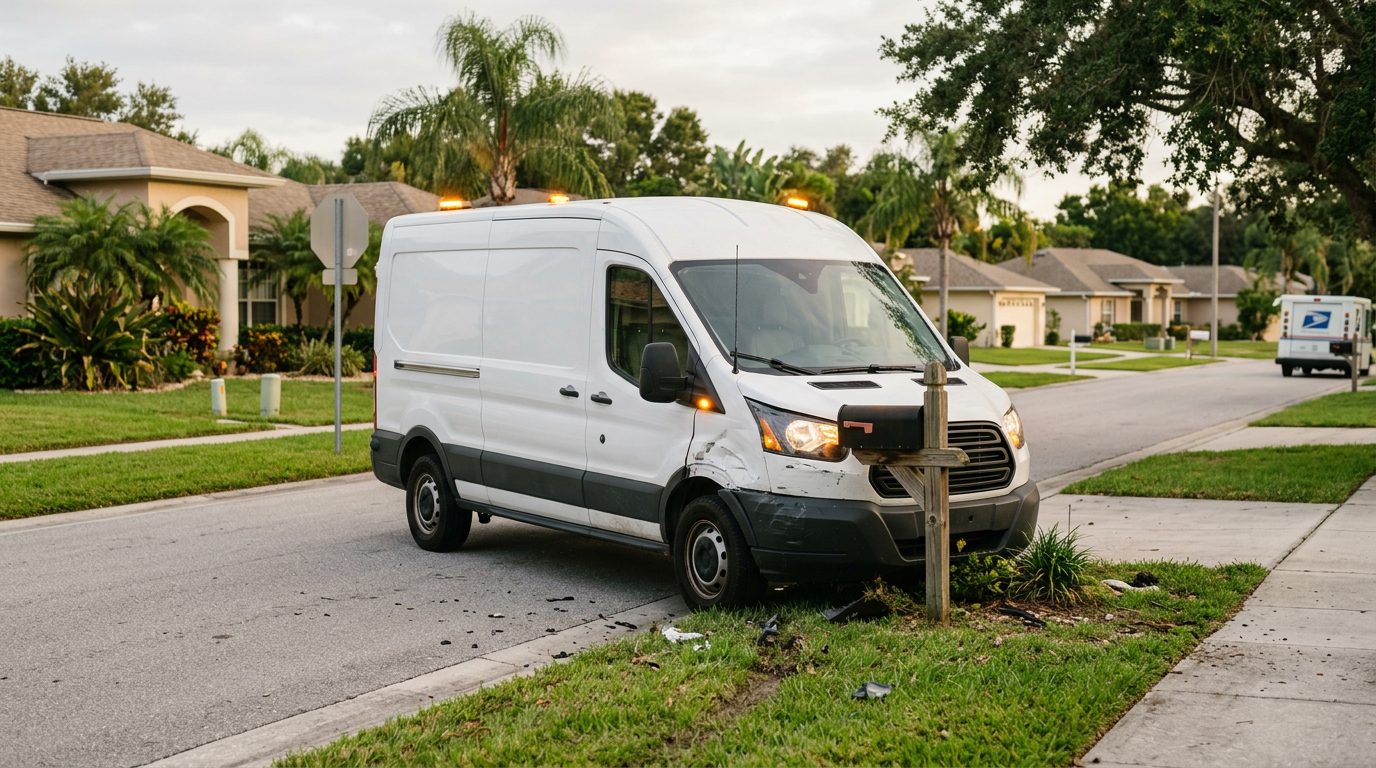
A high-impact event usually causes this injury. A claim often asks whether someone else’s negligence caused that event. Negligence means failing to use reasonable care.
These events can produce a burst fracture:
- Car and truck crashes, including Amazon and FedEx truck accidents
- Motorcycle and ATV crashes
- Falls from height
- Construction zone accidents
- Rideshare collisions
Under Florida’s comparative fault law, a party found greater than 50 percent at fault for his or her own harm may not recover any damages. In a negligence action to which this section applies, any party found more than 50 percent at fault for his or her own harm may not recover any damages; this does not apply to an action for personal injury or wrongful death arising out of medical negligence under chapter 766.
Some injuries happen on someone else’s property. Picture a person who falls in a poorly lit parking garage. Or picture someone attacked in an apartment complex where a broken gate lock was never repaired.
If a fall or attack caused an L1 fracture, the property’s condition may matter. Lawyers call this type of claim negligent security. Under Florida’s premises liability law, in an action against the owner, lessor, operator, or manager of commercial or real property brought by a person lawfully on the property who was injured by the criminal act of a third party, the fault of all persons who contributed to the injury must be considered.
What a Catastrophic Back Injury Claim Can Cover
A claim can seek compensation for medical bills and lost income. It can also seek compensation for how the injury affects daily life. This covers harm now and harm later.
Economic damages are money losses you can count:
- Emergency care, hospital stays, and surgery
- Imaging, rehabilitation, and prescriptions
- Wheelchairs, braces, and other assistive equipment
Future care is often estimated in a life-care plan. A life-care plan is a written estimate of future medical and daily-living needs. Outside physicians and life-care planners help prepare that plan.
Non-economic damages cover pain and suffering. They also cover loss of enjoyment of life and effects on family relationships.
Medicare changes who pays first. Medicare’s secondary payer rules explain how this works. When no-fault or liability insurance is involved, that insurance pays first for accident-related care. Medicare pays second.
If insurers do not pay promptly, Medicare may make a conditional payment. A conditional payment is an advance Medicare makes for your care. That payment must be repaid from a settlement or judgment.
When a fatal crash or fall takes a life, the family may bring a wrongful death claim. Florida’s wrongful death right of action allows this kind of claim. It applies when the person who caused the death would have been liable had the death not occurred.
The wrongful death damages statute lists what survivors may recover. This includes a surviving spouse’s loss of companionship and mental pain and suffering.
In Ripple v. CBS Corp. (2024), the Florida Supreme Court held that a surviving spouse’s damages are recovered within the wrongful death action. They are not a separate claim.
The amount of any recovery depends on the evidence, insurance coverage, and the facts of the case.
How a Case Typically Moves Forward
A case usually moves through five stages. It can move from a first conversation to negotiation or a lawsuit.
- Free consultation. You describe the accident, your injuries, and your treatment. This helps us identify possible claims.
- Evidence gathering. We collect police and crash reports, medical records, imaging such as CT and MRI scans, and income records.
- Medical and liability review. Outside spine physicians and accident reconstruction consultants may review the records and the scene.
- Insurance claim and demand. The claim goes to the insurers with supporting documents.
- Negotiation or lawsuit. If insurers do not offer fair compensation, the case may move to a lawsuit. Timelines vary with the facts, the insurers, and court schedules.
Evidence can be lost over time. Keep every bill, pay stub, appointment note, and photo of the scene. Write down what happened while your memory is fresh.
Florida Deadlines and Why Timing Matters
Florida generally allows two years to file a negligence claim. This rule comes from Florida’s limitations statute.
Deadlines apply to most civil actions, other than actions for recovery of real property, and a missed deadline can end a claim. A missed deadline can end a claim.
Florida’s limitations statute sets filing deadlines for actions other than for recovery of real property.
Wrongful death claims have deadlines too. Families should raise them early. Acting early also helps preserve evidence while the facts are fresh.
Why Injured Floridians Work With CHG Personal Injury Lawyers
CHG Personal Injury Lawyers is a Florida-based personal injury firm. Igor Hernandez is the responsible lawyer for this page.
Our lawyers are licensed attorneys admitted to The Florida Bar. The firm focuses on catastrophic injury claims. These include spinal cord injuries, paralysis, catastrophic back and neck injuries, traumatic brain injuries, and wrongful death. The firm also handles everyday matters, such as car accidents and slip and fall claims.
Working with us looks like this:
- We listen first, then review the accident and medical records together.
- Our team gathers reports, records, and imaging, and tracks deadlines.
- We explain your options in plain language. You decide the next step.
- We represent clients throughout Florida.
Every case is different. No result can be promised.
Not sure what your next step is?
Talk it through with our team — the first consultation is free, confidential, and carries no obligation.
Frequently Asked Questions About L1 Burst Fractures
Here are short answers to common questions about L1 burst fractures and Florida claims.
Is an L1 burst fracture always paralysis?
No. Not every burst fracture involves the spinal cord or nerve roots. Your doctors determine this through imaging and neurological exams.
Do I need a lawsuit to make a claim?
No. Some claims are resolved through negotiation with insurers. A lawsuit is one option if negotiation does not reach a fair result.
Can I still make a claim if I was partly at fault?
Often, yes. Your recovery is reduced by your share of fault. It may be barred if you are more than 50 percent at fault.
What if the fracture came from an attack on someone else’s property?
A claim against the property owner may be possible. For an injury from an attack on someone else’s property, Florida’s rule on dividing fault among the persons involved is found in Fla. Stat. § 768.0701.
Is the first consultation free?
Yes. The initial consultation is free, confidential, and carries no obligation to continue.
Talk With CHG About Your L1 Burst Fracture
If a crash or fall left you or a family member with an L1 burst fracture, you may be deciding whether to act now or wait. You do not have to sort out the medical, legal, and insurance questions alone.
In a consultation, we review the accident and medical records. Then we explain possible claims and Florida deadlines in plain language.
CHG charges no attorney’s fees and no case costs unless there is a recovery. Contact CHG Personal Injury Lawyers to share what happened and ask what comes next.
Why Families Contact CHG Personal Injury Lawyers
Focused on Serious Injuries
Our practice handles spinal cord injuries, catastrophic back and neck injuries, and other life-altering harm caused by accidents and wrongdoing.
Licensed Florida Attorneys
Our attorneys are licensed and admitted to practice in Florida, and we represent clients throughout the state.
Plain-Language Guidance
We explain your options clearly, in English or Spanish, so you can make decisions with confidence.
No Fees Unless There Is a Recovery
We charge no attorney's fees and no case costs unless there is a recovery.
Follow Your Doctors' Care
Your medical team sets your treatment plan. Keep every appointment, follow your doctors' instructions, and keep copies of your records, imaging, and bills. Do not delay care to pursue a claim.
Practical Steps for Florida Families
Prioritize Medical Care
Your health comes first. Follow the treatment and rehabilitation plan your doctors recommend.
Document the Accident
Write down what happened, where, and when, and save photos, police or incident reports, and witness names if you have them.
Organize Your Records
Keep medical records, receipts, pay stubs, and correspondence with insurers in one place so they are easy to share.
Speak With a Florida Attorney
A free, confidential consultation can help you understand the possible claims in your situation and the steps that come next.