


Catastrophic Injury · Florida & Nationwide
Cervical Spine Injury: The Long-Term Effects Nobody Prepared You For
A neck injury to the cervical spinal cord can change movement, breathing, and independence for life. We explain what these injuries mean over time, in plain language, and how a claim can help secure the care that comes next.
Serious Injuries. Serious Representation.
Nationwide
Catastrophic injury cases accepted
Florida Bar
Licensed, admitted attorneys
EN/ES
Bilingual case support
$0
Upfront cost to speak with us
By CHG Lawyers · Published August 03, 2026
Cervical Spine Injuries: How Neck Damage Can Affect the Whole Body
A cervical (neck) spine injury can affect almost your whole body below the neck. The top of the spinal cord carries nerve signals. These signals control breathing, arms, legs, bladder, bowel, and blood pressure. When the cord is hurt high up, those signals can’t get through. The higher the damage, the more of the body it reaches.
This page explains the long-term effects of a cervical spine injury in plain language. We go level by level. We use trusted clinical sources. These include the Mayo Clinic, the American Spinal Injury Association (ASIA), the National Spinal Cord Injury Statistical Center (NSCISC), and the Christopher & Dana Reeve Foundation. Then we explain what families can do when someone else’s carelessness caused the harm. This is educational information. It is not medical or legal advice for your case.

Not sure what your next step is?
Talk it through with our team — the first consultation is free, confidential, and carries no obligation.
Why the cervical spine controls so much of the body
The neck holds seven bones (C1 through C7). It also includes a nerve level called C8. And it holds the very top of the spinal cord. Think of the cord as a main cable. Every signal to the body below an injury must pass through the neck first. So the higher the injury sits, the more it can affect.
The Mayo Clinic explains that a spinal cord injury often causes permanent changes. These changes affect strength, feeling, and body functions below the injury site.
One point matters more than families expect. A “broken neck” means the bones are broken. A spinal cord injury means the cord itself is hurt. You can break a neck bone without hurting the cord. In rare cases, you can hurt the cord with little visible bone damage. When the cord is damaged, the effects are often permanent and life-altering.
For more, see our overview of spinal cord injuries and catastrophic back and neck injuries.
Complete vs. incomplete injuries and levels (C1–C8)
Whether an injury is “complete” or “incomplete” strongly shapes long-term outcomes. The Mayo Clinic describes a complete injury as a loss of all feeling and movement below the injury. An incomplete injury means some movement or feeling remains.
Doctors classify these injuries with an exam. It is called the International Standards for Neurological Classification of Spinal Cord Injury (ISNCSCI). This exam is published by the American Spinal Injury Association. Doctors test key muscles and skin sensation points. Then they assign an ASIA Impairment Scale grade. The grades run from A (complete) through E (normal). That single letter often shapes what rehab aims for and what the future may hold. So it’s worth asking your care team which grade was recorded and why.
Here’s a rough map of what cervical levels tend to affect. Every person is different.
Higher injuries (C1–C4)
These are the most severe. People may need help breathing. Some need a ventilator (a breathing machine). The Mayo Clinic notes that high cervical injuries carry a higher risk of breathing problems, such as pneumonia. These injuries usually cause tetraplegia (also called quadriplegia).
Mid-cervical injuries (C5–C6)
People often keep some shoulder and biceps movement. A C6 injury usually keeps the ability to extend the wrist. Some people use this for a “tenodesis” grip. Hand function is usually limited. Many people need help with daily tasks.
Lower cervical injuries (C7–C8)
What does a C7 spinal cord injury affect? A C7 injury usually affects hand strength and fine finger control. But it still allows more arm use. This includes the elbow movement needed to push a manual wheelchair and to move on your own. With the right equipment, many people at this level manage more self-care.
Can you walk after a C6–C7 spinal cord injury? Outcomes vary widely, and no one can promise a result. Walking is uncommon after a complete cervical injury. Incomplete injuries, combined with rehab, can change what’s possible. Honest care avoids false promises here.
Tetraplegia vs. paraplegia: The Mayo Clinic explains the difference. Tetraplegia affects the arms, hands, trunk, legs, and pelvic organs. Paraplegia affects the trunk, legs, and pelvic organs, but not the arms. Cervical injuries usually cause tetraplegia because they sit so high on the cord. See our paralysis, paraplegia and quadriplegia page.
Long-term effects on the whole body
A cervical injury can affect many things at once. These include breathing, movement, blood pressure, bladder, bowel, temperature, and pain. That’s why doctors call these injuries catastrophic.
Breathing. The highest injuries can weaken or stop the muscles that drive breathing. Some people rely on a ventilator. The Mayo Clinic reports a higher risk of pneumonia and trouble coughing.
Movement and feeling. Loss of movement and feeling in the arms, hands, trunk, and legs follows the injury level.
Blood pressure and circulation. The nerves that control blood pressure can be disrupted. A dangerous condition called autonomic dysreflexia can happen. This is a sudden, severe spike in blood pressure. Something as small as a full bladder can trigger it. It happens in injuries at roughly T6 and above, which includes all cervical levels. It is a medical emergency. Blood clots are also a risk.
Bladder, bowel, and sexual function. Many people face changes in bladder and bowel control. Changes in sexual function and fertility are also common.
Temperature and skin. The body may struggle to control its temperature. Less movement raises the risk of pressure sores (skin breakdown). These need constant attention.
Pain and spasticity. Chronic (long-lasting) pain is common. So is spasticity (tight, stiff, or spasming muscles). Both can last for years and need ongoing treatment.
Have questions about what happened?
Ask our team directly. The first conversation is free, confidential, and there is no obligation to continue.
Can a neck injury affect you years later?
Yes. A cervical injury can cause new problems years after the first harm. The injury is not always “done” once the first recovery ends.
One example is syringomyelia. This is a fluid-filled cyst that can form inside the cord over time. It can cause new weakness, pain, or loss of feeling. Spasticity can get worse. Shoulders and wrists can wear down from years of overuse. This is a real concern for anyone who relies on their arms to push a wheelchair and to move.
This is why lifelong medical monitoring matters. Doctors track these injuries to catch new problems early. See our guide on how serious spine injuries are diagnosed.
The emotional and daily-life toll
The hardest parts of living with a spinal cord injury often reach beyond the physical. They touch independence, relationships, work, and mental health. Many purely clinical pages skip this.
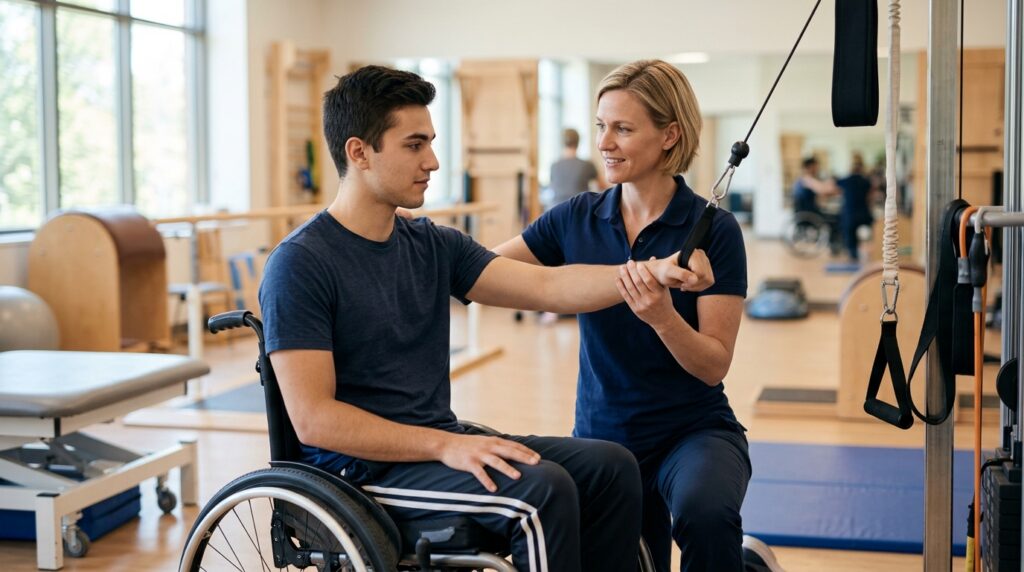
Everyday tasks may now need help or special equipment. Homes and vehicles often need changes. These include ramps, ceiling lifts, roll-in showers, hand controls, and wider doorways. Career plans may shift. Depression and anxiety are common after a serious injury. The adjustment is genuinely hard. But support and treatment exist. Many people build full, meaningful lives after injury.
Families feel the toll too. A spouse, parent, or child may become a caregiver. Household roles change. Recognizing this shared burden matters. It helps with healing. It also helps show the true cost of the injury.
The lifetime cost of a cervical spine injury
Costs stack up over years and can reach the millions. That’s why these injuries are treated as financially catastrophic. Common costs include:
- Emergency care and surgery
- Long-term rehab and therapy
- Assistive equipment—wheelchairs, ventilators, breathing support
- Home and vehicle changes
- Personal care and nursing help
- Lost income and lost earning ability
The National Spinal Cord Injury Statistical Center tracks U.S. data on these injuries. It publishes estimated lifetime costs. These vary sharply by injury level and age at injury. High tetraplegia carries the highest projected lifetime cost of any level. The Christopher & Dana Reeve Foundation publishes national paralysis figures. In the catastrophic cases our attorneys handle, a life-care plan is often central to the claim. It projects these decades of needs. For more, see our pages on the lifetime costs of spine injury and spinal fusion recovery cost.
When someone else’s negligence caused the injury
Sometimes a cervical spine injury results from someone else’s carelessness. If so, the injured person or their family may be able to seek compensation. These injuries often come from serious events. Examples include large truck accidents, high-speed crashes, and bad falls. Learn more on our truck accidents page.
Sometimes the injury happens during an attack on someone else’s property. Picture someone assaulted, shot, or robbed in an apartment complex, a parking garage, a hotel, a gas station, or a store. The property owner may share the blame if they failed to provide reasonable security. That means working locks and gates, good lighting, cameras, or guards. In legal terms, this is a negligent security claim against the property owner. You don’t need to know that term to get help. Just start with what happened to you. A lawyer can tell you whether a claim exists. See our negligent security page.
Florida law shapes these claims. Under Fla. Stat. §95.11, most negligence claims that arose on or after March 24, 2023 must be filed within two years. Florida also has a modified comparative negligence rule in Fla. Stat. §768.81. Under this rule, a person found more than 50% at fault generally recovers nothing. These rules make timing and evidence critical.
We can’t promise any specific result. What we can offer is clear answers and honest guidance. CHG Personal Injury Lawyers is Florida-based and handles catastrophic cases nationwide. Help is available in English and Spanish, so language is never a barrier to understanding your options. To learn more, request a free case evaluation.
Want to know where you stand?
Tell us what happened and our team will walk you through the options available to you, at no cost.
Frequently asked questions
What does a C7 spinal cord injury affect?
A C7 injury usually affects hand strength and fine finger control. It still allows enough arm and elbow movement for many people to move and to push a manual wheelchair.
Can a neck injury affect you years later?
Yes. Cervical injuries can cause new problems years later. Examples include syringomyelia, worsening spasticity, and shoulder or wrist overuse problems.
Can you walk after a C6–C7 spinal cord injury?
Outcomes vary widely, and no one can promise a result. Walking is uncommon after a complete cervical injury. But incomplete injuries and rehab can change what’s possible.
What is the difference between tetraplegia and paraplegia?
Tetraplegia affects the arms, hands, trunk, legs, and pelvic organs. Paraplegia affects the trunk, legs, and pelvic organs, but not the arms.
Are the long-term effects always permanent?
Many are. But the extent depends on a few things. These include the injury level, whether it’s complete or incomplete (the ASIA grade), and each person’s recovery and rehab.
Should I talk to a lawyer if negligence caused the injury?
If a crash, fall, or unsafe property led to the injury, a free case evaluation can help. It can help you understand your legal options and deadlines.
To learn how these claims work, visit our catastrophic injury claims page or contact us for a free case evaluation.
How Injury Level Shapes Long-Term Function
Higher Cervical Levels (C1–C4)
Injuries near the top of the neck can affect the muscles used to breathe and may require ventilator support, along with limited movement below the injury.
Mid Cervical (C5–C6)
Many people retain shoulder and some arm movement but have limited hand and finger control, affecting daily tasks and independence.
Lower Cervical (C7–C8)
A C7 injury often affects hand strength and fine finger control while allowing enough arm and elbow movement to push a manual wheelchair for many people.
Effects That Emerge Later
Cervical injuries can cause new problems years after the accident, such as syringomyelia or worsening spasticity, requiring ongoing medical monitoring.
Why Future Costs Matter to Your Claim
Cervical spinal cord injuries can generate needs that appear years down the road. Settling too early, before the full lifetime picture is understood, can leave a family without funds for later care. Talk to an attorney before you accept any offer.
Common Long-Term Effects Families Should Understand
Loss of Movement & Sensation
Depending on the injury level, people may experience paralysis of the arms, hands, torso, or legs (tetraplegia/quadriplegia), often permanent.
Breathing & Autonomic Changes
Higher cervical injuries can affect breathing and blood pressure regulation, sometimes requiring long-term equipment and specialized care.
Secondary Conditions
Spasticity, chronic pain, pressure injuries, and syringomyelia may develop over time and require continued medical treatment.
Lifelong Care & Adaptation
Many people need mobility equipment, home modifications, therapy, and personal care support to live as independently as possible.