

Negligent Security · Florida & Nationwide
Hurt in an Attack on Someone Else's Property? You May Have a Claim.
If you were assaulted, shot, robbed, or attacked at an apartment complex, parking garage, hotel, or business — and the property owner failed to provide reasonable security — you may be able to hold them accountable. Talk with our attorneys in a free, confidential case evaluation.
Why Injured Victims Turn to CHG
Licensed
Florida Bar–admitted attorneys
Nationwide
We take catastrophic cases across the U.S.
Bilingual
English & Spanish support
$0
Free, no-obligation case evaluation
By CHG Lawyers · Published August 07, 2026
Injured in an Assault on Unsafe Property: Serious Back and Neck Injuries and Holding Owners Accountable
You parked in the garage, walked to your apartment door, or stopped for gas — and someone attacked you. Now you’re in a hospital bed with a spinal injury you may live with for the rest of your life. Or you’re the family member sitting in the waiting room, trying to understand how this happened and what you’re supposed to do next.
Here is something most people don’t know in that moment: the person who attacked you is responsible for the crime, but the owner of that property may also be responsible — if they ignored obvious safety problems that made the attack possible.
This page is written for people left with a serious, permanent back or neck injury after an assault, robbery, beating, or shooting on someone else’s property — and for the families who love them. We’ll explain, in plain language, when an owner can be held accountable and exactly what to do next.
Not sure what your next step is?
Talk it through with our team — the first consultation is free, confidential, and carries no obligation.
Start with what happened to you — not the legal terms
You don’t need to know any legal vocabulary to understand this. Picture where it happened:
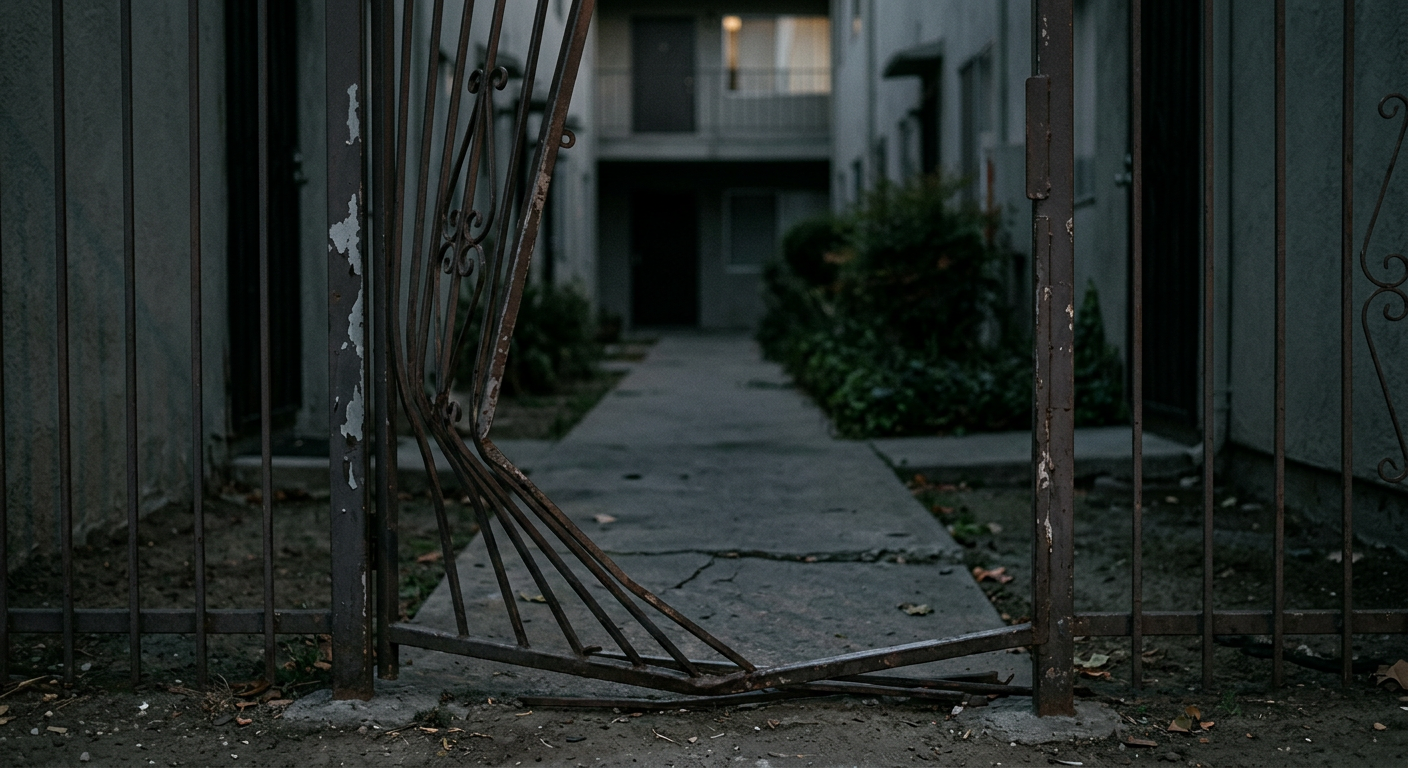
- An apartment complex where the entry gate had been broken for months and management knew it
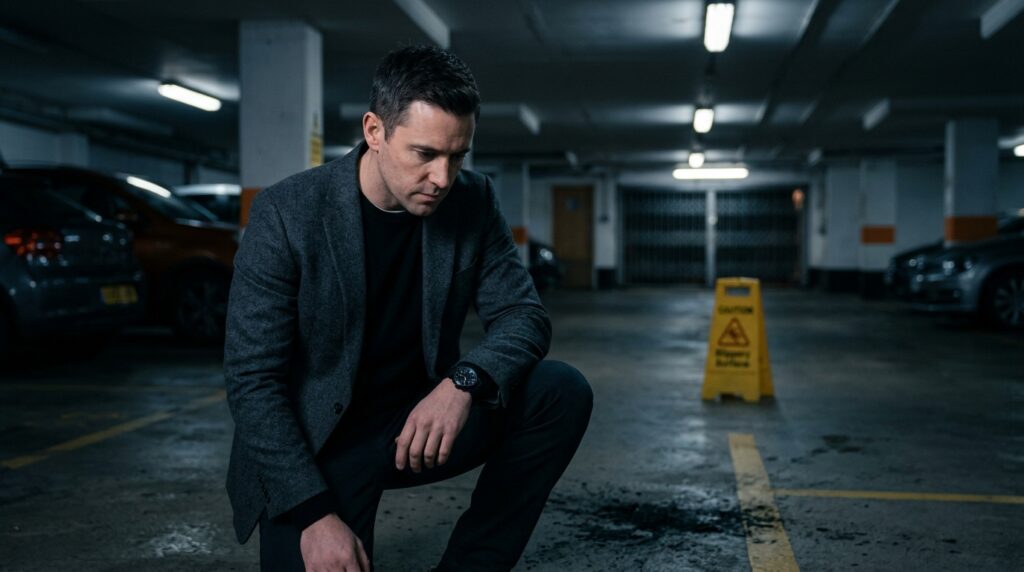
- A parking garage or lot with dead lights and no working cameras
- A hotel or motel where anyone could walk straight into the hallways
- A bar, nightclub, or restaurant with no security despite fights every weekend
- A gas station, convenience store, or ATM in an area with a known history of violent crime
If a property owner or manager knew — or should have known — that people were getting hurt there, and did nothing reasonable to stop it (working locks and gates, lighting, cameras, guards), the law may hold them accountable for what happened to you.
Lawyers call this a negligent security claim. It’s a form of premises liability — the owner’s legal duty to keep people reasonably safe on their property. You don’t need to know that term to get help. You just need to tell us what happened.
Contact CHG Personal Injury Lawyers for a free, confidential case evaluation.
Who this is for: serious, life-altering back and neck injuries
This page focuses on catastrophic, permanent spine injuries — not bruises or soreness. Examples in scope include:
- Spinal cord injury causing paralysis — paraplegia (lower body) or quadriplegia/tetraplegia (arms, trunk, and legs)
- Fractured or crushed vertebrae
- Disc injuries with nerve or spinal cord damage
- Injuries requiring surgery, spinal fusion, or lifelong care
Why these injuries are so serious is not a matter of opinion. A spinal cord injury can cause permanent loss of movement and sensation and can affect bladder, bowel, breathing, and blood-pressure control, according to Mayo Clinic. Clinicians measure severity using the ASIA Impairment Scale (ISNCSCI), published by the American Spinal Injury Association, which grades an injury from A (complete) to E (normal) based on preserved motor and sensory function below the level of injury. That single letter can shape a person’s entire future — and, as you’ll see below, the value of a claim.
The lifelong cost is documented, not guessed. The National Spinal Cord Injury Statistical Center (NSCISC) reports that first-year expenses for high tetraplegia can exceed $1.3 million, with substantial costs every year afterward, and that these injuries typically require decades of care, adaptive equipment, and repeated hospitalization. When we say “life-altering,” this is what we mean.
If a loved one died from an attack, families can bring a wrongful-death claim. We handle those cases with the dignity they deserve. Learn more about what makes a back or neck injury catastrophic.
When is a property owner responsible for an attack?
An owner is responsible when they failed to take reasonable steps to keep people safe and that failure helped cause the attack. The warning signs are usually obvious in hindsight:
- Broken or missing gates and locks
- Dark, broken, or missing lighting
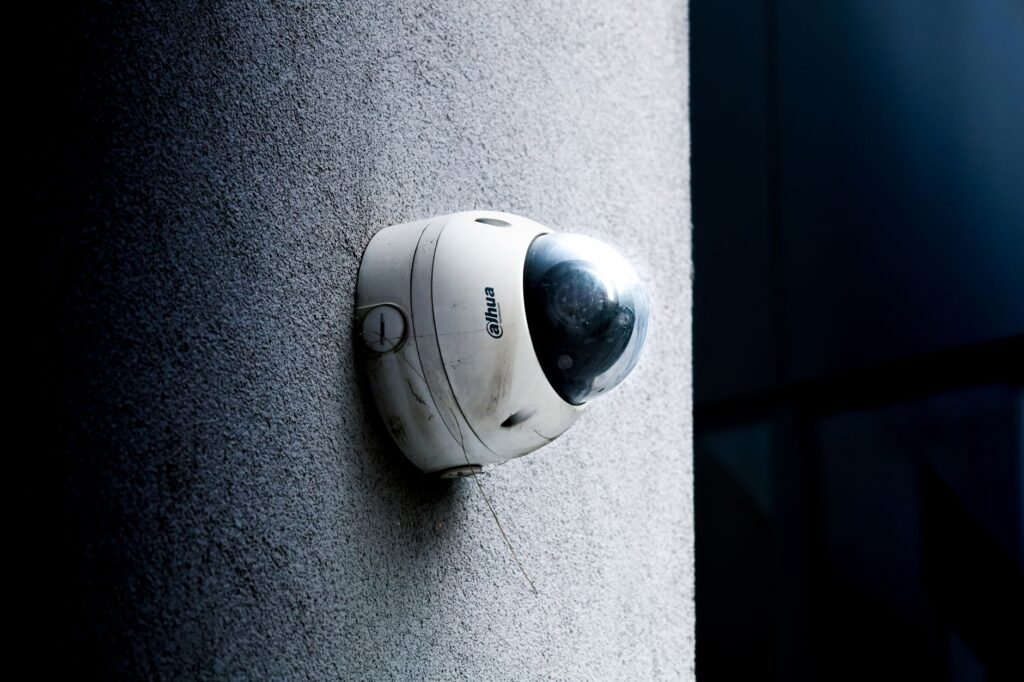
- No working security cameras
- No guards despite a known danger
- Propped-open or unsecured doors
- A documented history of crime at that location
The legal idea that ties this together is foreseeability — whether the attack was predictable. If prior crimes, tenant complaints, police call logs, or the surrounding area made an attack likely, then reasonable security was expected. The question we investigate is direct: could reasonable security have prevented or reduced the harm?
Every case turns on its own facts. We can’t promise an outcome — no honest lawyer can — but we can review yours for free.
What we do as your negligent security lawyer
We handle your claim from the first phone call through settlement or trial, so you can focus on healing:
- A free case evaluation and a plain-language explanation of your options
- A full investigation — police and incident reports, security footage before it’s overwritten, the property’s prior-crime history, police call-for-service logs, and lighting and access-control records
- Identifying every responsible party — the owner, the property-management company, and any security contractor
- Working with medical experts to document the permanent nature of your spine injury (often using the ASIA/ISNCSCI classification) and your future care needs
- Building the damages picture — medical bills, future care and rehab, lost income and reduced earning power, home and vehicle modifications, and pain and suffering
- Handling negotiations and, if needed, filing and litigating the lawsuit
- Bilingual (English/Spanish) support, with cases handled nationwide from our Florida base
Learn more about our work on spinal cord injuries.
How the case works: step by step
- Free consultation. You tell us what happened. We listen and explain whether a claim may exist.
- Investigation and evidence preservation. We move fast to secure footage and records that can disappear within days.
- Medical documentation. We work to prove the full, long-term extent of your back or neck injury.
- Establishing liability. We show the security failures and any prior notice of danger the owner had.
- Demand and negotiation. We present the claim to insurers and defendants.
- Litigation if needed. If no fair offer comes, we file suit and prepare for trial.
These cases can take months to years, depending on complexity. Act early — evidence and deadlines don’t wait.
Have questions about what happened?
Ask our team directly. The first conversation is free, confidential, and there is no obligation to continue.
Florida deadlines: don’t wait to act
Florida sets a strict deadline to file. Missing it can permanently end your right to recover. This deadline is called the statute of limitations.
In March 2023, Florida shortened the deadline for most negligence claims from four years to two years. For negligence claims that accrued on or after March 24, 2023, the two-year window is set by Fla. Stat. §95.11. Your exact deadline depends on your specific facts — including when the injury occurred and who the defendants are — so confirm it with an attorney right away rather than relying on a general rule.
There’s also a practical reason to move quickly. Security footage from many businesses is on a loop that overwrites within days or weeks. Witnesses move and memories fade. Contact us now so key evidence can be preserved before it’s gone.
What is a back or neck injury claim worth?
There is no fixed number — value depends on the specific facts. Anyone who promises a set figure isn’t being honest with you.
Factors that drive value include:
- The severity and permanence of the spine injury (an ASIA “complete” injury differs greatly from an incomplete one)
- Surgeries and future medical and rehabilitation needs
- Lost income and reduced earning capacity
- Lifelong attendant care and equipment needs
- The strength of the liability evidence
One thing that directly affects recovery in Florida is shared fault. Under Fla. Stat. §768.81, Florida follows a modified comparative negligence rule: a person found more than 50% at fault for their own harm generally recovers nothing. A defense lawyer may try to shift blame onto the victim — arguing you shouldn’t have been there, or that you provoked the attack — which is one more reason careful investigation matters.
We handle these cases on a contingency fee basis. You typically pay no attorney fee unless we recover for you — the exact terms are set out in your written agreement. We cannot and do not promise any specific result.
Are these injuries hard to prove?
Catastrophic spine injuries are usually well documented — imaging, surgical records, and specialist evaluations create objective proof, and the ASIA/ISNCSCI classification gives a clear medical measure of severity. That part is often clear.
The harder part is usually liability — proving the owner’s security failures and prior notice of danger. That’s why fast evidence preservation matters so much.
We’re ready for the common defenses. Owners often argue the attacker alone is to blame, the crime was “unforeseeable,” or the injury pre-existed the attack. We counter with the property’s crime history, police call-for-service logs, security records, and medical evidence.
Why choose CHG Personal Injury Lawyers
We focus on catastrophic, life-altering injuries — spinal cord injury, paralysis, traumatic brain injury, amputation, severe burns, and serious back and neck injuries.
- Licensed attorneys admitted to The Florida Bar, handling cases nationwide
- Empathetic, plain-language guidance for people and families who never expected to be here
- Bilingual English/Spanish service
- A practical, evidence-first approach to negligent security cases
Want to know where you stand?
Tell us what happened and our team will walk you through the options available to you, at no cost.
Frequently asked questions
Can I sue the property owner if my attacker was arrested?
Yes. The criminal case against the attacker and your civil claim against the property owner are separate matters.
What if my attacker was never caught?
You may still have a claim against the property owner if their security failures helped cause the attack.
How much does it cost to hire you?
The case evaluation is free, and we work on a contingency fee — no fee unless we recover, subject to your written agreement.
How long do I have to file in Florida?
For most negligence claims accruing on or after March 24, 2023, the deadline is generally two years under §95.11 — but it depends on your facts. Contact us right away to confirm yours.
What if my family member died from the attack?
Families may bring a wrongful-death claim. We can explain your options with compassion.
Do you take cases outside Florida?
Yes. We handle cases nationwide from our Florida base.
Talk to us today — free, confidential case evaluation
You didn’t choose this, and you shouldn’t face it alone. If an attack on unsafe property left you or a loved one with a serious back or neck injury, we’re here to listen and explain your options in plain language.
The call is free, confidential, and carries no obligation. Bilingual help is available, and acting early protects the evidence your case may depend on.
Contact CHG Personal Injury Lawyers now for your free case evaluation.
Important: The Criminal Case Is Not Your Whole Case
Even if your attacker was arrested — or was never caught at all — you may still have a separate civil claim against the property owner whose security failures helped make the attack possible. These are two different matters. Don't assume the police case is the end of the story.
When a Property Owner May Be Responsible
Broken Locks, Gates & Fences
When entry points meant to keep intruders out are left broken, propped open, or missing, dangerous people can get in.
Poor or No Lighting
Dark stairwells, parking lots, and garages give attackers cover. Reasonable lighting is a basic safety measure owners are expected to maintain.
No Cameras or Security Guards
Where crime is foreseeable, missing cameras or the absence of guards can leave visitors and residents exposed to serious harm.
Ignored Warning Signs
If prior crimes, complaints, or known dangers were ignored, an owner may have failed the duty they owed to the people on their property.
Common Questions After an Attack
Can I sue if my attacker was arrested?
Yes. The criminal case against the attacker and your civil claim against the property owner are separate matters. One does not replace the other.
What if my attacker was never caught?
You may still have a claim against the property owner if their security failures helped cause the attack. Your case focuses on the property, not on identifying the criminal.
Where do these attacks happen?
Apartment complexes, parking lots and garages, hotels and motels, bars and nightclubs, gas stations, stores, and ATMs — anywhere an owner failed to provide reasonable security.
What is 'negligent security'?
It's the legal term for a property owner's failure to take reasonable steps to protect people from foreseeable violent crime. It's a type of premises liability claim.
You Focus on Healing. Let Us Look Into What Happened.
Related practice areas
- Catastrophic Back and Neck Injuries: A Guide for Victims and Families
- What Makes a Back or Neck Injury ‘Catastrophic’? Signs of Permanent Spinal Damage
- Vertebral Fractures and Spinal Instability: When a Broken Back Becomes Life-Altering
- Cervical vs. Lumbar Spine Injuries: How Injury Location Affects Your Future
- Orlando Catastrophic Back and Neck Injury Attorneys
- Tampa Catastrophic Back and Neck Injury Attorneys