

Catastrophic Injury Guide · Florida
The First Days After a Catastrophic Injury Shape Everything That Follows
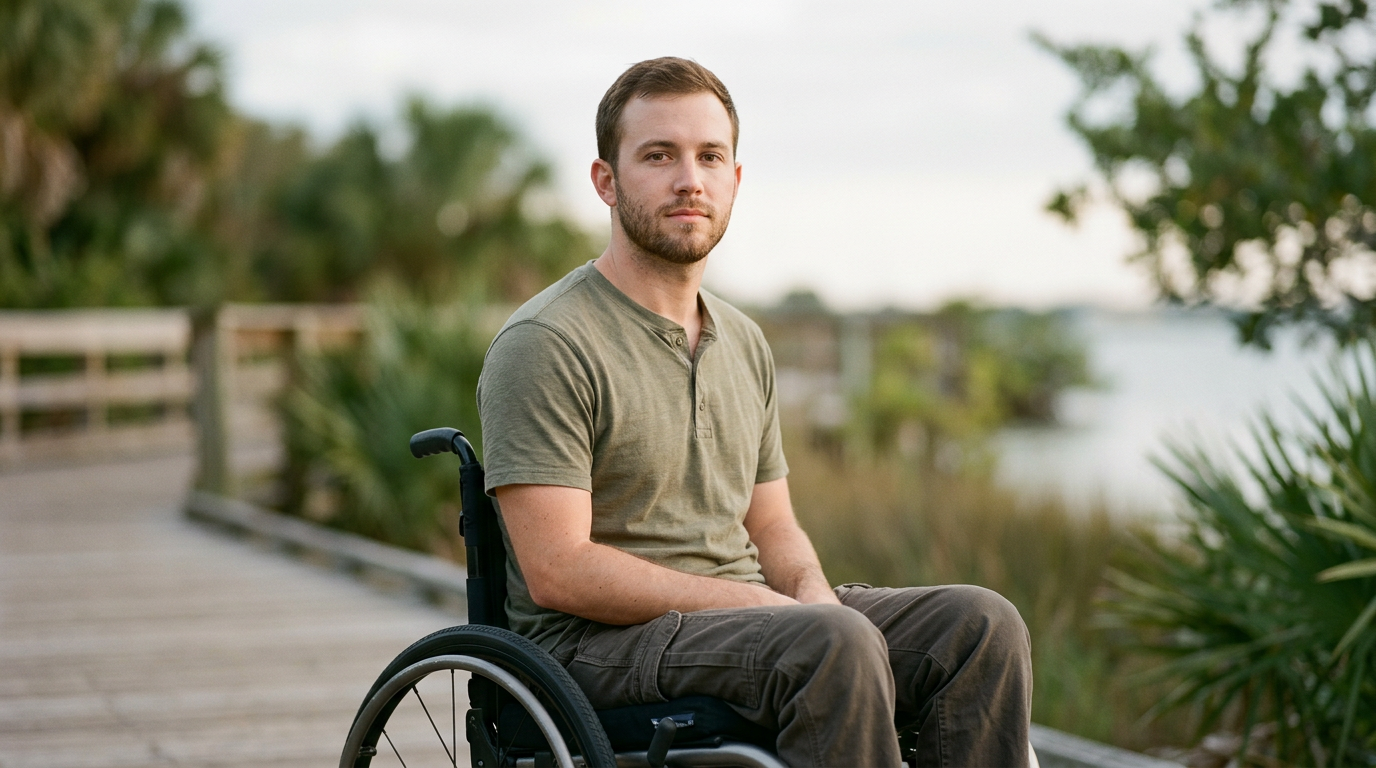
A spinal cord injury, brain injury, amputation, severe burn, or a violent attack on someone else's property changes a family's life in an instant. Here is a clear, step-by-step guide to protecting your loved one's health, evidence, and legal rights.
Who Is Guiding You
Licensed
Florida Bar–admitted attorneys
Nationwide
Serious-injury cases across the U.S.
Bilingual
English & Spanish resources
Catastrophic
Focused on life-altering injuries
By CHG Lawyers · Published August 09, 2026
First 72 Hours After a Catastrophic Injury in Florida: An Hour-by-Hour Checklist
If you’re reading this in a hospital waiting room, you are likely making decisions on behalf of someone who can’t make them right now. This guide is built for that moment. It breaks the first three days into three windows — 0–24 hours, 24–48 hours, and 48–72 hours — so you can do the next right thing without trying to hold the whole picture in your head at once.
This is for serious, permanent, life-altering injuries: a spinal cord injury, paralysis (paraplegia or quadriplegia), a traumatic brain injury (TBI), an amputation, severe burns, or a catastrophic back or neck injury — including when a loved one has died. It is not for minor injuries or ordinary fender-benders. Those follow a different path.
Not sure what your next step is?
Talk it through with our team — the first consultation is free, confidential, and carries no obligation.
The one-minute overview
The first day is about medicine: getting to the right hospital and keeping your loved one alive and stable. The second and third days are about memory — the accident’s, not yours. Physical evidence and electronic records that prove what happened and why start disappearing almost immediately: repaired locks, overwritten security video, and a truck’s electronic logs can all be gone within days. Nothing you do medically will bring them back later.
You do not have to do all of this yourself. Ask one steady family member or friend to take the evidence tasks while you stay with your loved one.
Hours 0–24: Stabilize and get to the right hospital
Call 911 and ask for a trauma center. For spinal, brain, burn, and amputation injuries, where the patient is treated in the first hours matters. Florida runs a statewide trauma system of state-designated trauma centers (Levels I, II, and pediatric) regulated by the Florida Department of Health. Ask responders to transport to the nearest appropriate trauma center if one is reachable.
Do not move someone with a possible spinal, neck, or back injury unless they face immediate danger like fire. Moving the body can turn a partial spinal cord injury into a permanent, complete one. Keep the person still and talk to them calmly until trained responders arrive.
Watch for red-flag symptoms — they can appear or worsen hours after the accident:
- Brain injury: confusion, trouble staying awake, one pupil larger than the other, repeated vomiting, a headache that keeps worsening, seizures, slurred speech, loss of consciousness (even brief).
- Spinal cord / catastrophic back or neck injury: numbness, tingling, weakness, loss of bladder or bowel control, inability to move the arms or legs, trouble breathing.
The Mayo Clinic’s spinal cord injury guide explains these warning signs in plain terms. Heavy bleeding, severe burns, or limb loss are emergencies on their own. When in doubt, treat it as one.
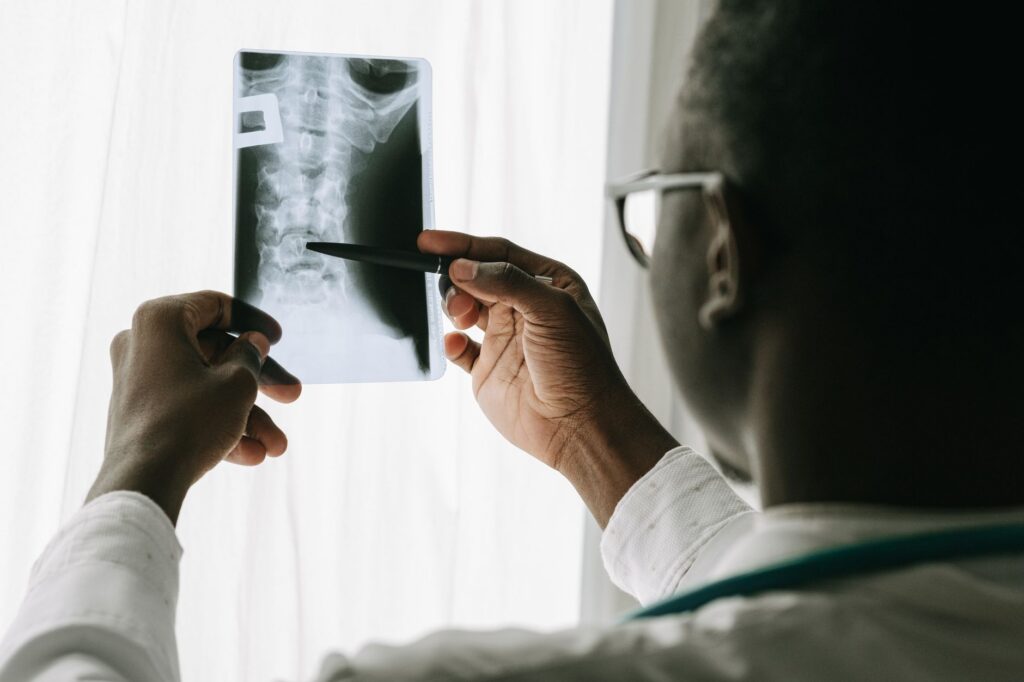
Ask the trauma team two questions and write down the answers. For a suspected spinal cord injury, ask whether they’ve completed an ASIA exam — the standardized neurological assessment from the American Spinal Injury Association that assigns an AIS grade (A through E) describing how complete the injury is. For a brain injury, ask for the Glasgow Coma Scale score. These aren’t just clinical shorthand. They are the earliest objective record of how severe the injury was on day one, and they anchor everything that comes after — medically and, later, legally.
If your loved one died at the scene or in the ER, the hospital and law enforcement will guide you through the immediate steps. You are not expected to manage anything else in these hours. Skip ahead to For families facing a loss below when you’re ready — there is no rush.
Hours 24–48: Lock down the evidence before it’s gone
This is the window most families never hear about, and it’s the one that matters most for holding the right party accountable. Send a trusted person to do these things while you stay at the hospital.
Get the official report. For a crash, request the Florida Traffic Crash Report; Florida law requires most crashes to be reported and a report to be created, and crash records are handled through the state’s system administered by the Florida DHSMV. For an attack or injury on someone else’s property, get the police incident report number.
Photograph everything, from wide to close. Vehicles, the resting positions, skid marks, the roadway, debris, and the injuries themselves. Photograph date-stamped so the timeline is clear. Get names and phone numbers of every witness before they scatter — witnesses are far harder to find a week later.
Truck crashes — the clock is already running. A commercial truck carries data that can be overwritten in days: the engine control module (“black box”), the electronic logging device (ELD) recording the driver’s hours, dispatch and telematics records, and the driver’s qualification file. Federal rules under the FMCSA require carriers to keep certain records only for limited periods — some for as little as six months, and drivers’ daily logs (records of duty status) generally for six months. A lawyer can send a spoliation / evidence-preservation letter immediately, putting the company on formal legal notice not to destroy this data. See our truck accidents page.
Injury on someone else’s property — evidence vanishes fastest here. If your loved one was assaulted, shot, robbed, or attacked at an apartment complex, parking garage, hotel, bar, gas station, or store, the proof that the property was unsafe is physical and temporary:
- Security video is routinely overwritten on a loop — often within 30 to 72 hours for many systems, sometimes sooner.
- A broken gate or lock gets repaired within days of an incident.
- A dark parking lot gets new lighting installed the following week.
- Missing cameras or guards — the absence itself — is only documented if someone records it now.
Photograph the lighting after dark, the broken locks or gates, the absence of cameras, and any hazard, before the owner “fixes” it. Every repair after the fact quietly erases evidence that the property was dangerous when your loved one was hurt. The single most useful thing a lawyer can do in these hours is demand — in writing — that the owner preserve the footage before it loops over.
Hours 48–72: Protect the record and protect your family
Follow every discharge and treatment instruction exactly, and keep a log. Steady, gap-free care does two things: it protects your loved one’s recovery, and it creates an unbroken record tying the injury to the accident. Gaps let an insurer argue the injury “wasn’t that serious” or “wasn’t caused by the crash.” Note symptoms, pain levels, medications, and how the injury affects daily life — dressing, eating, moving, sleeping, working. Keep every hospital, doctor, and rehab name in one notebook or phone note.
Why the early clinical record decides high-value cases. In catastrophic claims, the money isn’t for the ER visit — it’s for a lifetime: future surgeries, rehabilitation, assistive equipment, home modifications, attendant care, and lost earning capacity that can stretch decades. Proving those numbers starts with day-one documentation. The AIS grade, CT and MRI imaging, and operative notes are what let treating physicians and, later, life-care planners project what your loved one will actually need. Clinical steps and legal steps are the same steps done early.
Be careful with insurance companies. Report the accident as required, but keep statements short and factual. Do not give the other side’s insurer a recorded statement, do not admit fault, and do not make the injury sound smaller than it is. Adjusters sometimes call within days with an offer that sounds like relief. Here is the plain truth: an early offer almost never reflects a lifetime of catastrophic costs, and once you sign a release, you generally cannot reopen the claim — even if new complications appear later.
Have questions about what happened?
Ask our team directly. The first conversation is free, confidential, and there is no obligation to continue.
How fault works in Florida (plain language)
Florida follows modified comparative negligence, sometimes called the “51% rule,” set out in Fla. Stat. §768.81. You can still recover if you were partly at fault, but not if you were found more than 50% at fault. Your share reduces your recovery — 20% at fault means a 20% reduction. That’s one more reason not to guess or admit blame early: fault is often disputed, and the full picture takes time to develop. This is general information, not legal advice about your specific situation.
If a loved one was hurt on someone else’s property
If your loved one was assaulted, shot, robbed, sexually assaulted, or otherwise attacked while on someone else’s property — an apartment complex, parking lot or garage, hotel or motel, bar, gas station, store, or ATM — the property owner may share responsibility. That can be true when the owner failed to provide reasonable security and a foreseeable crime followed.
Reasonable security can mean working locks and gates, adequate lighting, functioning cameras, or guards. When an owner ignores known dangers and someone is hurt as a result, the law calls this negligent security, a type of premises liability claim. You don’t need to know the term to have a claim — you only need to have been hurt on a property that should have been made safer. Because the evidence here disappears fastest, the sooner someone demands the footage be preserved, the better.
For families facing a loss
A death is the most catastrophic outcome of all, and in these first days, deadlines are not your job — being with your family is.
When you are ready, know this: Florida’s Wrongful Death Act, Fla. Stat. §768.16–§768.26, lets a personal representative bring a claim on behalf of certain surviving family members after a death caused by negligence. A lawyer can explain who may file, by when, and handle the insurance companies and paperwork so your family doesn’t have to carry that too. There is no pressure to decide anything before you’re ready. See our catastrophic injury claims page.
Why talking to a lawyer early helps
Two concrete reasons: it preserves time-sensitive evidence that is otherwise gone in days — security footage, truck logs, a broken gate — and it takes the insurance pressure off your family while you focus on recovery.
CHG Personal Injury Lawyers is a firm of licensed attorneys admitted to The Florida Bar, handling catastrophic-injury and wrongful-death cases nationwide. A free case evaluation carries no obligation. We cannot and do not promise any particular result — but we can explain your options in plain language and send the preservation letters that need to go out today.
Want to know where you stand?
Tell us what happened and our team will walk you through the options available to you, at no cost.
Your first 72 hours, at a glance
- Hours 0–24 — Stabilize. Call 911. Ask for a trauma center. Don’t move a suspected spine injury. Note the AIS grade and Glasgow Coma Scale score.
- Hours 24–48 — Preserve. Get the report. Photograph the scene, injuries, and property before repairs. Gather witness numbers. Act now on truck logs and security video.
- Hours 48–72 — Protect. Follow every medical instruction and keep a log. Give no recorded statement to the other side. Don’t admit fault or settle early.
- Any time — Contact a lawyer to preserve evidence and get answers, at no cost.
Learn more about specific injuries: spinal cord injuries, paralysis (paraplegia and quadriplegia), traumatic brain injuries, amputation injuries, severe burn injuries, and catastrophic back and neck injuries.
Frequently Asked Questions
What is the first thing to do immediately after a catastrophic accident?
Call 911 and ask for transport to a trauma center. Don’t move anyone with a possible spinal, neck, or back injury unless they’re in immediate danger, and note the AIS grade or Glasgow Coma Scale score the trauma team assigns.
How fast does security video disappear after an attack on a property?
Many commercial systems overwrite footage on a loop, often within 30 to 72 hours. That’s why a written demand to preserve it should go out immediately — once it loops over, it’s usually gone for good.
What is the 51% rule in Florida?
Under Fla. Stat. §768.81, you can still recover if you were partly at fault, but not if you were more than 50% at fault. Your share reduces your recovery.
How long do I have to take legal action in Florida?
For most negligence claims arising on or after March 24, 2023, Florida allows two years to file, under Fla. Stat. §95.11. Wrongful-death and other situations can have different deadlines, so ask a lawyer early.
What does it cost to talk to a catastrophic injury lawyer?
A case evaluation with CHG Personal Injury Lawyers is free with no obligation. These cases are usually handled on a contingency basis; ask the firm to explain the fee arrangement before you decide.
Your First Steps, In Order
1. Get to a Trauma Center
Call 911 and ask specifically for transport to a trauma center. With a possible spinal, neck, or back injury, do not move the person unless they are in immediate danger. Ask the medical team what Glasgow Coma Scale score or injury grade they assign — those early records matter later.
2. Follow Every Medical Instruction
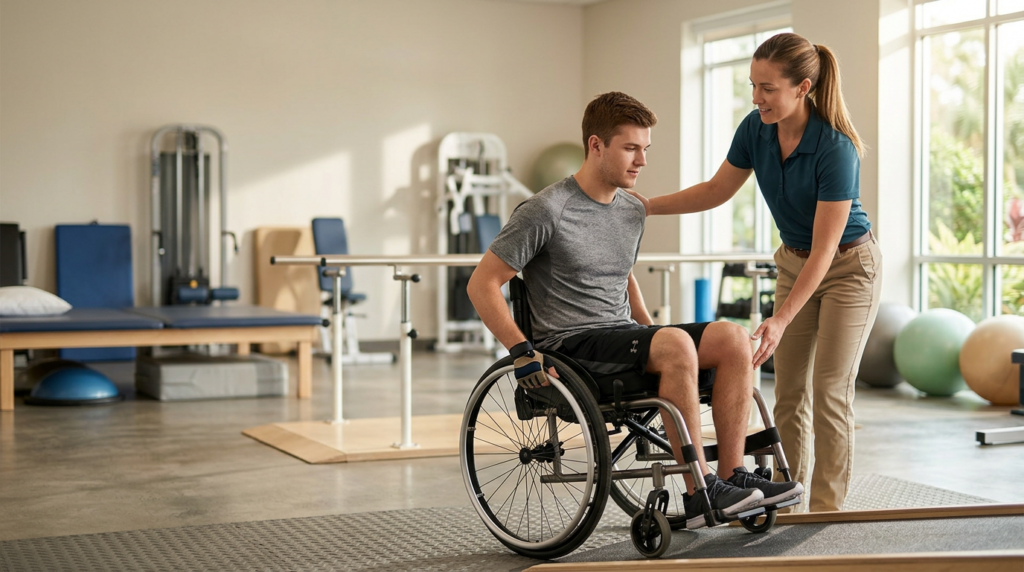
Catastrophic injuries often need surgery, rehabilitation, and long-term care. Keep every appointment, follow discharge and therapy plans, and hold on to all records, imaging, and bills. Consistent treatment protects both recovery and the record of what happened.
3. Preserve the Evidence Fast
Security footage can be overwritten in days. A truck's electronic data can be lost when the vehicle is repaired. Save photos, names of witnesses, incident reports, and the location, and act quickly to formally request that video and vehicle data be preserved.
4. Talk to an Attorney Before Anyone Else
Before giving statements to insurers or signing anything, speak with a lawyer who handles catastrophic cases. Early legal action can secure evidence and start the process of documenting the full, lifelong cost of the injury.
Warning: Do Not Sign or Settle Early
In the days after a serious injury, an insurance company may offer a quick settlement or ask for a recorded statement. Early offers rarely account for a lifetime of medical care, lost income, and the toll on your family. Do not accept an offer or sign a release until you understand the full value of your claim.
Special Situations That Change What You Should Do
You Were Hurt in a Truck Crash
Commercial trucks carry data recorders, logbooks, and maintenance records that can disappear once the truck is back on the road. Fatal crashes are also documented in public datasets such as the NHTSA FARS system. Moving quickly helps preserve what happened before it is lost.
You Were Attacked on Someone Else's Property
If you or a loved one was assaulted, shot, robbed, or otherwise attacked at an apartment complex, parking garage, hotel, bar, gas station, or store, and the owner failed to provide reasonable security — working locks and gates, lighting, cameras, or guards — you may have a claim against that property owner. This is called negligent security.
A Loved One Did Not Survive
A death is the most catastrophic outcome of all. Families can bring a wrongful-death claim to seek accountability and support for what comes next. You do not have to sort through this alone, and there is no pressure — only guidance.
Time Limits Apply
Florida law sets deadlines for filing injury and wrongful-death claims. Evidence also fades quickly. The sooner you reach out, the more can be done to protect your rights.
You Focus on Healing. Let Us Handle What Comes Next.
Related practice areas
- Traumatic Brain Injury (TBI) After a Serious Accident: A Guide for Injured Victims and Their Families
- Tetraplegia