

Negligent Security & Premises Liability
Attacked on Someone Else's Property: Who Is Responsible?
If you were assaulted, shot, robbed, or attacked on a property where the owner failed to provide reasonable security, you may have a legal claim. Learn what you need to know.
By CHG Lawyers · Published August 19, 2026
Negligent Security Claims: When a Property Owner May Be Responsible for an Attack
Were you attacked on someone else’s property? First, understand this: the crime was not your fault. The attacker committed a crime. That’s on them.
This page addresses a separate question. Did the property owner do their part to keep you reasonably safe? Sometimes owners ignore basic security. Then a preventable attack happens. When that occurs, the owner may share responsibility for your injuries—separate from the attacker’s criminal liability. Both can be true at once.
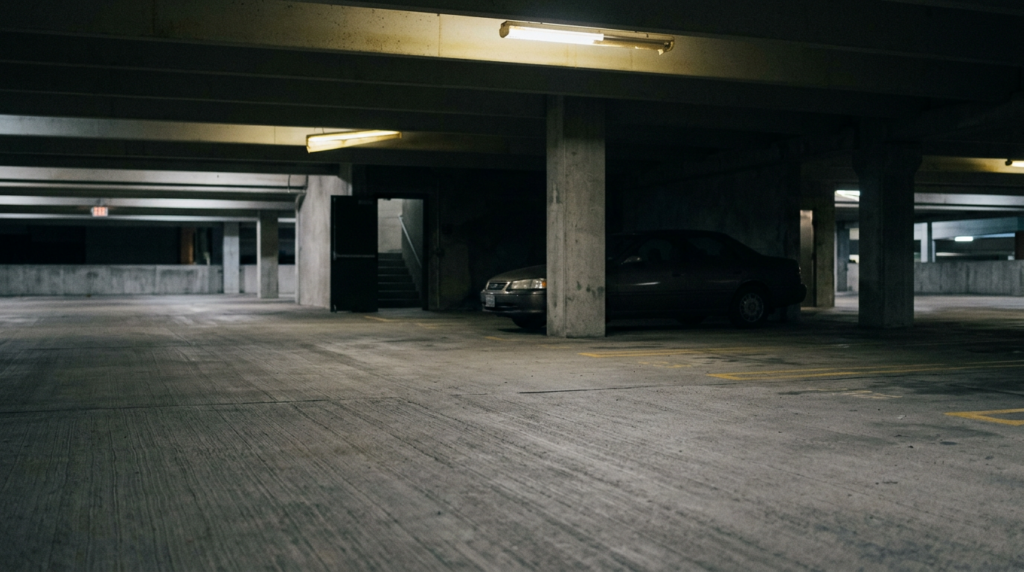
Maybe you were attacked at an apartment complex with a broken gate. Maybe you were shot in a dark parking garage with no cameras. Maybe a family member was assaulted at a hotel that ignored earlier violence. These attacks cause permanent, life-changing harm: paralysis, brain damage, lost limbs, or severe burns.
You don’t need legal terms to understand this page. We’ll explain in plain words who may be responsible and what you can do next.

If you were assaulted, shot, robbed, or attacked on a property where the owner failed to provide reasonable security, you may have a legal claim. Talk it through with our team — the first consultation is free, confidential, and carries no obligation.
Two Kinds of Responsibility in Negligent Security Cases
When you’re attacked on someone else’s property, two separate legal paths exist:
The attacker’s criminal responsibility. Police and prosecutors handle this. It’s about punishing a crime.
The property owner’s civil responsibility. This is about money to help you recover. It covers medical bills, lost income, and lifelong care. It’s a separate case with different rules.
Many families assume the story ends when the attacker is charged—or never caught. Often it doesn’t. Suing only the attacker has a practical problem: the attacker may never be found. Even when caught, they often have no insurance or money to pay for your care.
That’s why the property owner matters. Owners must take reasonable steps to protect people on their property. When they don’t, and an attack could have been expected, they may be held responsible for part of your harm.
Lawyers call this a negligent security claim. It’s a type of premises liability—the legal duty owners have to keep their property reasonably safe. But you lived it more simply: you were hurt somewhere that should have protected you.
What Property Owners Must Do to Keep People Safe
The right security steps depend on the place and its history. What’s “reasonable” for a quiet office differs from a nightclub with a record of violence. Common steps include:
- Working locks, gates, and controlled entry points
- Bright, working lighting in lots, garages, and walkways
- Working security cameras
- Security guards or patrols where risk warrants it
One key idea is foreseeability. This means whether the owner should have seen the danger coming. If similar crimes happened at or near the property before, the owner should have known. Ignoring that pattern is often what makes an owner responsible.
Here’s how negligent security failures look by property type:
- Apartment complexes: broken gates, busted locks, or unrepaired lighting
- Parking lots and garages: no lighting, no cameras, no patrols in known-dangerous areas
- Hotels and motels: unsecured doors and no staff response to repeated trouble
- Bars, stores, and gas stations: no security despite past robberies or assaults
How Fault Is Decided in Negligent Security Claims
To hold a property owner responsible, four things generally must be shown. Here’s what each means in a real security failure—picture an attack at an apartment complex where the front gate was broken and management knew:
1. Duty — Did the owner owe you safety? If you were a tenant or welcome visitor, the owner had a duty to take reasonable security steps for people lawfully on the property.
2. Breach — Did they fail to meet that duty? The gate had been broken for weeks. No one fixed it despite complaints. That’s a breach.
3. Causation — Did that failure help make the attack possible? A working, locked gate would likely have kept the attacker out or made the attack harder. The broken gate enabled it.
4. Damages — Were you seriously harmed? You suffered a catastrophic, life-changing injury with real, lasting costs.
Foreseeability runs through all four. Past crime reports, 911 call logs, prior incident reports, and neighborhood conditions show what the owner should have expected—and whether they ignored it.
Catastrophic Injuries in Negligent Security Cases
These claims involve violent crimes: assaults, shootings, stabbings, robberies, and sexual assaults. These crimes leave victims with permanent, catastrophic injuries. We focus on the most serious, life-altering outcomes:
- Spinal cord injuries and paralysis. A gunshot or stabbing can cause permanent loss of function. According to the Mayo Clinic, the spinal cord doesn’t have to be cut for paralysis to occur. Paralysis may affect the legs (paraplegia) or all four limbs (quadriplegia). The American Spinal Injury Association (ASIA) publishes the standard scale doctors use to grade severity. The National Spinal Cord Injury Statistical Center (NSCISC) tracks U.S. data.
- Traumatic brain injury (TBI)—brain damage from a beating, fall, or blow during an attack.
- Catastrophic back and neck injuries causing permanent impairment.
- Amputation and limb loss from gunshots or severe wounds.
- Severe burns in attacks involving fire or chemicals.
The Christopher & Dana Reeve Foundation reports that millions of Americans live with paralysis. When an attack causes this permanent harm, families face lifelong care needs and enormous costs.
Learn more about catastrophic back and neck injuries and how they affect your claim.
Not sure what your next step is?
Talk it through with our team — the first consultation is free, confidential, and carries no obligation.
Understanding Shared Fault in Negligent Security Cases
Property owners and their insurers often try to shift blame to the victim. They may say you were somewhere you “shouldn’t have been” or “should have seen it coming.” That’s a defense tactic, not the final word. It doesn’t erase the owner’s own failure.
Florida uses a modified comparative negligence system under Fla. Stat. §768.81. A person found more than 50% at fault generally can’t recover damages. If you’re found partly at fault but not more than half, your recovery may be reduced by your share.
Being at the property that night doesn’t automatically end your claim. Neither does making an ordinary choice anyone might make. Questions about your own actions deserve careful, individual review. Every case turns on its own facts. We can’t promise any outcome, but we can help you understand where you actually stand.
Protecting Your Right to Hold a Property Owner Responsible
Evidence in these cases can disappear fast. Acting quickly helps:
- Get medical care and report the crime. Your health comes first. A police report creates an official record.
- Save evidence. Photograph the scene—broken locks, dark corners, missing cameras. Write down what you remember.
- Get witness names. People who saw what happened can support your account later.
- Act on camera footage. Security video is often erased within days or weeks. Moving fast preserves it.
Time also matters legally. Under Fla. Stat. §95.11, the general deadline is two years for negligence claims arising on or after March 24, 2023. Deadlines vary by situation. Confirm yours with an attorney right away.
An attorney can dig into the property’s history. They can pull past crime reports, police call records, prior incident reports, and the owner’s security decisions. That evidence shows what the owner should have known.
How an Attorney Can Help With Your Negligent Security Claim
An attorney investigates why the attack happened and who should answer for it. A lawyer can:
- Investigate the property’s security failures and history of prior crime
- Identify every party who may share responsibility
- Handle the legal process while you focus on recovery
- Document your injuries and long-term needs
Catastrophic-injury cases carry lifelong stakes. They involve surgeries, rehabilitation, home changes, adaptive equipment, and lost income. Understanding those long-term needs is central to building a claim that reflects the full harm.
CHG Personal Injury Lawyers is a Florida-based firm. Our attorneys are admitted to the Florida Bar. We handle serious, life-changing injury cases nationwide. We offer bilingual (English/Spanish) support for clients and families living through the hardest days of their lives.
Free Case Evaluation for Negligent Security Claims
Were you or someone you love attacked on someone else’s property? We’re ready to listen—in English or Spanish. We can help you understand your options without pressure or obligation.
We can’t guarantee any result. But a free case evaluation can help clarify whether a property owner may share responsibility for your injury. Contact us for a free case evaluation.
Have questions about what happened?
Ask our team directly. The first conversation is free, confidential, and there is no obligation to continue.
Frequently Asked Questions About Negligent Security
If I was attacked on someone else’s property, who is responsible besides the attacker?
The attacker is responsible for the crime. Separately, the property owner may share civil responsibility if they failed to provide reasonable security and an attack that could have been expected occurred. Both can be true at once.
Can a property owner be held responsible for a crime committed by someone else?
Yes. If the owner ignored a known danger and failed to take reasonable security steps, they may share responsibility for the harm that resulted. This is a civil claim, separate from the criminal case against the attacker.
What are the four things needed to prove negligent security?
Generally: duty (the owner owed you reasonable safety), breach (they failed to provide it), causation (that failure helped make the attack possible), and damages (you were seriously hurt).
What does “foreseeable” mean in a negligent security claim?
It means the owner knew or should have known an attack was likely. Often that’s because similar crimes happened at or near the property before.
How long do I have to file a negligent security claim in Florida?
Under Fla. Stat. §95.11, the general deadline is two years for negligence claims arising on or after March 24, 2023. Confirm your exact deadline with an attorney.
What if the person who attacked me was never caught?
You may still have a negligent security claim against the property owner. This claim focuses on the owner’s failure to keep the property reasonably safe. It doesn’t depend on catching the attacker.
Can I still recover if I was partly involved in what happened?
Possibly. Under Fla. Stat. §768.81, you can generally recover if you’re not more than 50% at fault. Your share may reduce the amount.
BreadcrumbList Schema (JSON-LD):
The Two Sides of Responsibility
Criminal Responsibility
The person who attacked you is criminally responsible for the crime. They may face criminal charges and prosecution.
Civil Responsibility of the Property Owner
Separately, the property owner may be civilly liable if they failed to provide reasonable security and an attack was foreseeable. Both the attacker and the property owner can be held responsible at the same time.
When Can a Property Owner Be Held Liable?
Failure to Provide Reasonable Security
The owner knew or should have known that inadequate security created a risk—such as broken locks, missing lighting, no cameras, or no security personnel—and did nothing to fix it.
Foreseeable Risk
The type of crime that occurred was reasonably foreseeable given the property's location, history, or condition. For example, a parking garage with a history of assaults and no working cameras.
Direct Link Between Negligence and Your Injury
The lack of security directly enabled the attack. Reasonable security measures could have prevented or deterred the crime.
Important: Criminal and Civil Claims Are Separate
Even if the attacker is not caught, prosecuted, or convicted, you may still have a civil claim against the property owner. The civil case focuses on whether the owner was negligent in providing security—not on whether a criminal conviction occurred.
Common Locations Where Negligent Security Claims Arise
Apartment Complexes & Residential Buildings
Broken entry gates, non-functioning locks, poor lighting in hallways and parking areas, or lack of security cameras.
Parking Lots & Garages
Inadequate lighting, no security cameras, broken gates or barriers, or absence of security patrols in areas with known crime.
Hotels & Motels
Weak door locks, lack of front-desk security, poor lighting outside rooms, or failure to respond to prior incidents.
Retail Stores, Gas Stations & Businesses
Insufficient lighting, no security personnel, broken surveillance systems, or failure to secure the premises after hours.
Bars, Nightclubs & Entertainment Venues
Inadequate security staff, poor crowd control, failure to remove aggressive patrons, or lack of emergency protocols.
ATMs & Financial Locations
Poor lighting, no security cameras, isolated placement, or lack of security measures in high-crime areas.
What You Should Do If You Were Attacked on Someone Else's Property
Report the Crime
File a police report and obtain a copy. This creates an official record and may help establish that the property owner knew or should have known about the risk.
Seek Medical Care
Get immediate medical attention for your injuries. Keep all medical records, bills, and documentation of your treatment and recovery.
Document the Scene
If safely possible, take photos or video of the property's condition—broken locks, poor lighting, missing cameras, or other security failures. Note the date and time.
Gather Witness Information
Collect names and contact information from anyone who witnessed the attack or can testify about the property's security conditions.
Preserve Evidence
Keep all communications with the property owner, security company, or management. Do not discard clothing or other physical evidence.
Contact a Lawyer
Speak with an attorney who focuses exclusively on catastrophic injury and premises liability claims. Time limits apply to filing civil lawsuits.
Act Quickly: Statutes of Limitations Apply
Civil claims against property owners must be filed within a specific time frame. Waiting too long can result in losing your right to pursue compensation. Contact a lawyer as soon as possible after an attack.