
Nerve Injury Claims | Serving Florida
Nerve Damage After an Accident? Get Clear Answers About Your Claim
CHG Personal Injury Lawyers helps Floridians hurt in accidents of every kind, from everyday crashes to life-changing injuries, understand their options.
By CHG Lawyers · Published November 14, 2026
If you have numbness, tingling, or weakness after a crash, you may want to know what your claim could be worth. No fair number can be named from symptoms alone.
Several factors can affect the value of a nerve injury claim. These include how serious the nerve injury is and whether it is permanent. They also include the treatment it needs and how it affects your work and daily life. Florida law also sets rules that decide which losses can be recovered.
This page explains both in plain language. It is written for injured Floridians and the family members who help them.
What Nerve Damage Looks Like After a Car Accident
Nerve damage after a car accident usually shows up as a change in feeling or strength in one part of the body. Nerves carry signals between your brain, your spinal cord, and the rest of your body.
When a nerve is stretched, pinched, bruised, or cut, it can cause pain, tingling, or numbness. It can also weaken the muscles that nerve controls.
People hurt in crashes often describe:
- Pins-and-needles feelings
- A hand that keeps dropping things
- A leg that feels heavy or gives out
- Burning pain that lingers after the cuts and bruises have healed
Symptoms can take hours or even days to appear. Do not wait to get checked. Follow your doctors’ advice on testing and treatment.
Doctors may order nerve conduction studies, electromyography (a test of the electrical activity in nerves and muscles), and imaging. These tests record how your nerves are working. The results become part of the medical record your claim depends on.
If you have numbness, tingling, or weakness after a crash, you may want to know what your claim could be worth. Talk it through with our team — the first consultation is free, confidential, and carries no obligation.
How Nerve Injuries Happen in Car, Truck, and Motorcycle Crashes
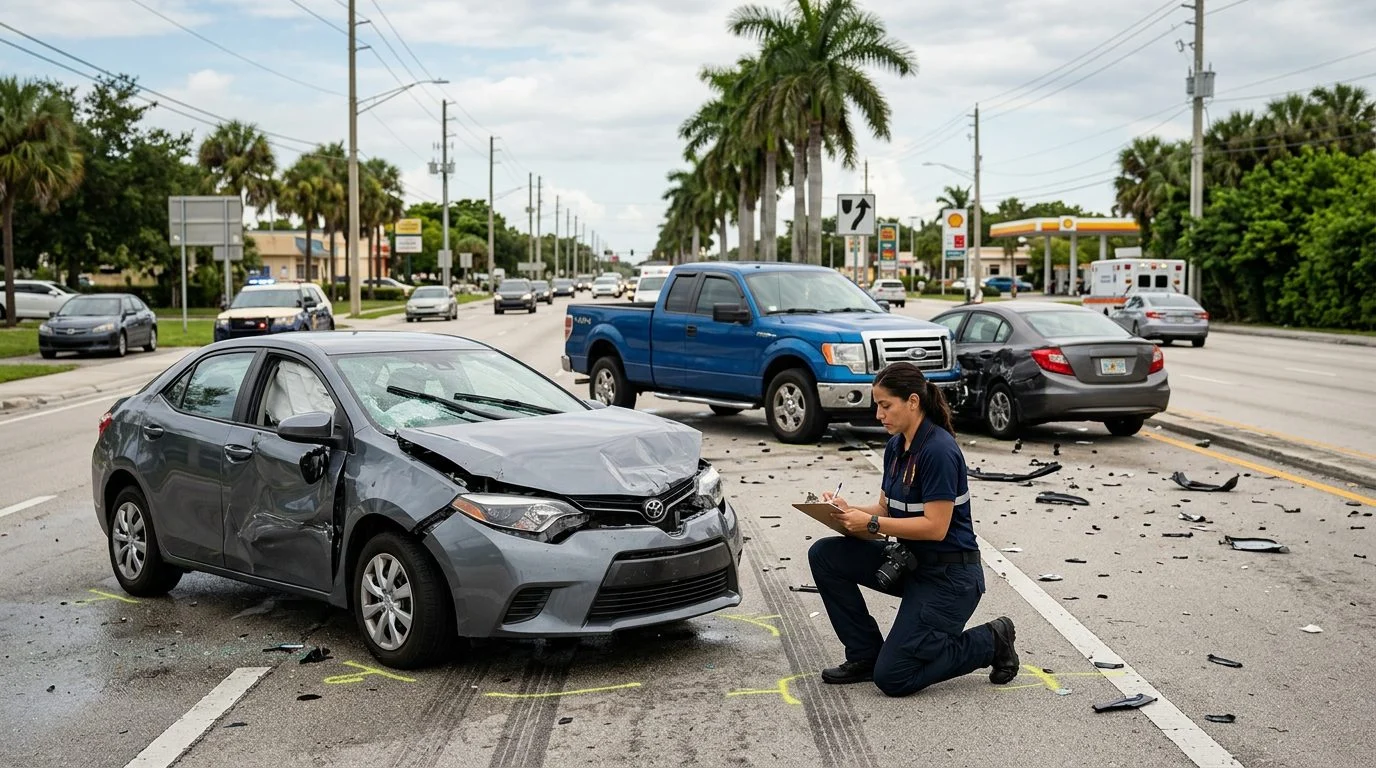
Nerve injuries happen when crash forces reach the nerves. These forces can travel through the neck, back, limbs, or skin. Neck and back injuries are a common route.
Whiplash-type forces can stretch or squeeze nerve roots in the spine. This can send pain or numbness down an arm or leg.
Blunt impacts can bruise or tear nerves. These impacts may come from a steering wheel, dashboard, door panel, or pavement. Severe cuts and traction injuries can damage nerves too.
One example is the brachial plexus. This is the network of nerves that controls the arm and hand. Injury there can leave lasting weakness.
Truck and motorcycle crashes can involve high-impact forces. A body can be thrown from a vehicle or crushed inside one. These forces can cause the same kinds of injuries.
The type of crash shapes the medical picture. The medical picture shapes the claim.
How Much Compensation Can I Expect for Nerve Damage? What Affects a Claim’s Value
The value of a nerve damage claim depends on the facts. No fair number can be given without reviewing your records.
Several factors drive the outcome:
- How severe the nerve injury is
- Whether it is temporary or permanent
- The treatment it requires
- How long recovery takes
- How it affects your work and home life
Fault matters too. Under Florida law, the court enters judgment against each liable party based on that party’s percentage of fault. In other words, in negligence actions Florida courts enter judgment against each liable party based on that party’s percentage of fault, not on joint and several liability, subject to the statute’s listed exceptions (§ 768.81).
Would the harm have happened without the negligence? Under the Florida jury instruction on legal cause, negligence is a legal cause of injury if, “but for the negligence, the loss, injury, or damage would not have occurred.”
Clear, consistent records help show that link. Steady treatment, complete files, and clear medical findings all support the connection between the crash and the nerve injury.
Economic Damages: The Measurable Losses
Economic damages are losses you can prove with bills, receipts, and pay records. They include emergency care, surgery, physical therapy, medications, and medical equipment.
Lost wages count too. This includes time you miss from work now. It also includes any reduced ability to earn later, if the injury lasts.
Future medical care can be part of a claim. This applies when your doctors say it is reasonably needed. Costs such as rides to appointments and home help may count. Your records need to support them.
Florida’s rules on medical bills matter here. Under Florida law, evidence of past treatment that has already been satisfied is limited to the amount actually paid. This is true no matter who paid (§ 768.0427).
When health coverage is involved, the rules also look at what that coverage would pay. They also look at your share of the expense.
Bring every billing statement and explanation of benefits to your first conversation.
Non-Economic Damages: Pain, Limits, and Daily Life
Non-economic damages cover pain, emotional distress, and everyday activities you can no longer enjoy. These losses have no receipt, but they are real.
They are shown through your own account. Family members can describe what they see. Your medical findings also show them.
Numbness or weakness can make it hard to:
- Type or hold a cup
- Lift a child
- Drive or sleep
- Care for yourself
Keep notes on how the injury affects your daily activities. A simple journal can show how the injury changes your day over time.
Florida Rules That Shape Compensation for Nerve Damage
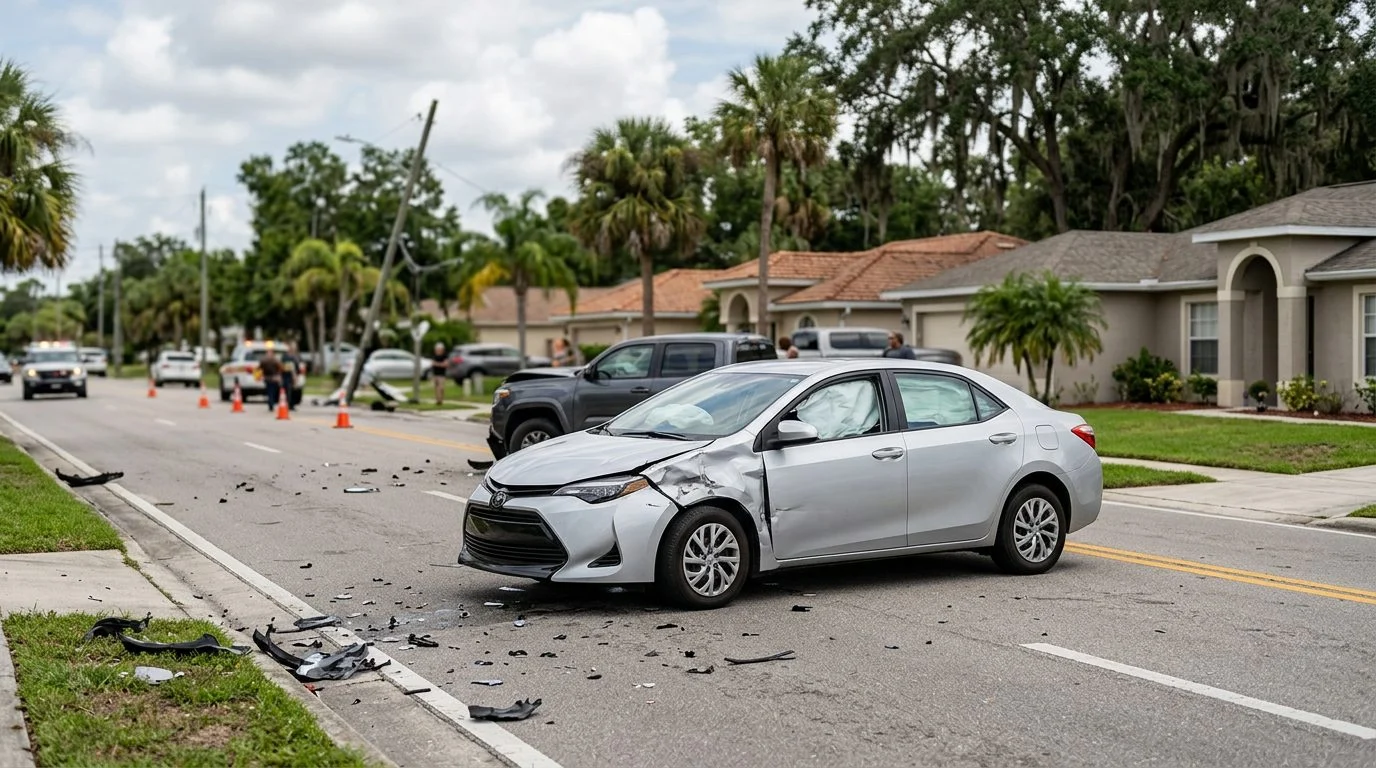
Florida’s no-fault insurance rules and its tort rules (the rules for suing someone who harmed you) work together.
Start with personal injury protection, or PIP. PIP is insurance that can pay some medical and disability costs after a car accident.
Your medical records and bills help show what each one covers.
Fault is the next rule.
Deadlines are the last rule. Under Florida law, an action founded on negligence generally falls under a two-year time limit (§ 95.11), though other periods and conditions can apply in some cases. Contact our firm promptly.
Not sure what your next step is?
Talk it through with our team — the first consultation is free, confidential, and carries no obligation.
Building the Record: Medical Care and Documentation
Following your treatment plan protects both your health and your claim. Keep every appointment, referral, and prescription.
Gaps in treatment can give an insurer a reason to question your injury. Note the reason for any missed visit.
Keep these records:
- Copies of bills
- Explanation-of-benefits forms
- Pay stubs
- Letters from your employer about missed work
- A simple journal of symptoms and daily limits
Imaging and nerve studies become part of the medical record. They can support your claim.
For that reason, collect all billing statements before your first consultation. Include even the ones that seem small.
Related Questions: Spinal Cord and Brain Injuries
When nerve damage is part of a spinal cord injury or traumatic brain injury, the claim usually involves more severe, long-term losses. Spinal cord injuries, including paralysis (paraplegia and quadriplegia), can require years of rehabilitation, equipment, and home changes.
Planning for those needs is complex. Future care costs take time to understand. They often need careful review with medical records. The same is true for traumatic brain injuries and catastrophic back and neck injuries.
Our firm handles catastrophic injury claims, including spinal cord injuries and paralysis. We can review those matters with you. A nerve injury from a crash can be one piece of a larger picture. The full medical history matters.
Next Steps After a Nerve Injury in a Florida Crash
Documentation matters, and Florida deadlines apply.
Start building your record now. Bring your questions to a consultation early.
Can I get compensation for nerve damage from a car accident in Florida?
Possibly. You need proof that another party’s negligence caused the crash and the nerve injury. Compensation is tied to the specific medical and crash facts.
How long do I have to file a nerve injury claim in Florida?
Fla. Stat. § 95.11 sets time limits by type of action. Under Florida law, an action founded on negligence falls under a two-year time limit, subject to the section’s exceptions and conditions (§ 95.11). Deadlines apply. Contact our firm promptly.
Does PIP pay for nerve injury treatment?
Personal injury protection (PIP) is insurance that can pay some medical and disability costs after a car accident.
What if I was partly at fault for the crash?
Under Florida law, in a crash-related negligence claim like the one described here, your share of fault reduces the amount awarded for an injury attributable to your fault, but it does not bar recovery unless you are found to be greater than 50 percent at fault for your own harm, in which case you may not recover any damages (§ 768.81).
Talk With Igor Hernandez About Your Nerve Injury
If tingling, numbness, or weakness still affects your work, sleep, or appointments, you are carrying a lot. Deciding whether to talk with a lawyer can feel like one more task.
Igor Hernandez, a lawyer admitted to The Florida Bar, can review the crash and the medical picture with you.
CHG Personal Injury Lawyers offers a free initial consultation. It is confidential and carries no obligation to continue. CHG charges no attorney’s fees and no case costs unless there is a recovery.
To talk through your situation, contact our firm.
Free, confidential initial consultation, with no obligation.
Contact CHG Personal Injury Lawyers
Florida-Based Representation
We represent people across Florida who have been hurt in accidents, and we take the time to explain their situation in plain language.
Careful Review of Your Records
Medical records, accident reports, and treatment history help us understand how an injury happened and what it has meant for your life.
Licensed Attorneys You Can Reach
Igor Hernandez, a licensed Florida attorney, is responsible for this page. Our lawyers and staff are here to answer your questions.
Free, Confidential First Consultation
Your first consultation is free, confidential, and comes with no obligation to continue. We charge no attorney's fees and no case costs unless there is a recovery.
Before You Talk About Your Claim
Nerve injuries can change over time. Follow your doctors' care plan, attend your follow-up appointments, and keep copies of every record you receive. Do not give recorded statements to insurance companies before speaking with an attorney.
How We Can Help
Tell Us What Happened
Share the date, the place, and how the accident occurred. Even partial details help us begin.
Gather Your Records
Bring medical bills, test results, photos, and any paperwork from the accident. We will tell you which records matter most.
Understand Your Options
We explain your situation in plain language, including what the law may allow in your case and what questions remain open.
Talk With Us Early
Deadlines apply to injury claims in Florida. Contacting our team promptly gives your case the best opportunity for careful review.