

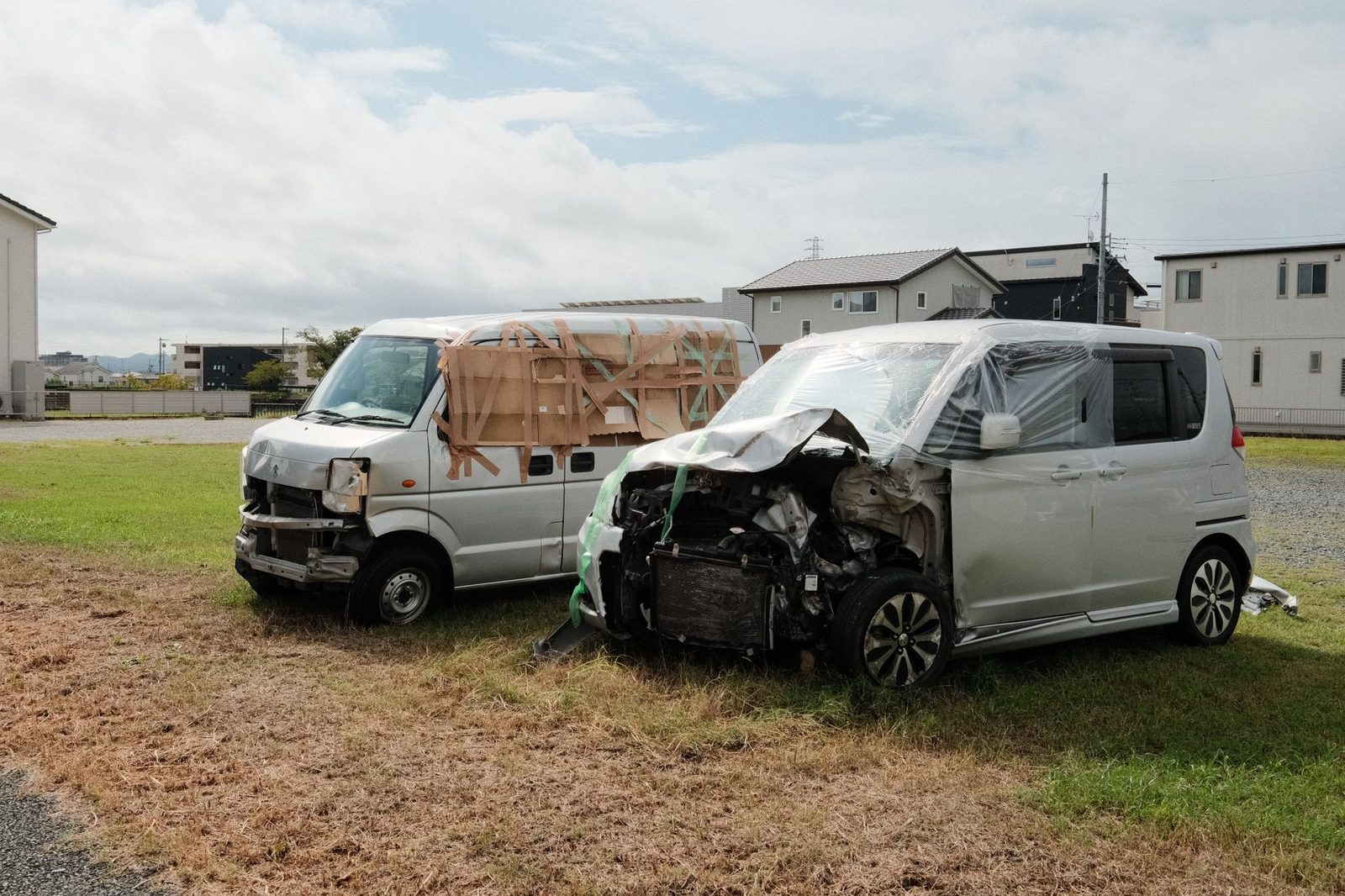
Car Accident Claims
Car Crash Compensation: What You May Recover
After a serious car accident, you may be entitled to recover damages for your injuries, lost wages, and other losses. Learn what compensation options exist and how to move forward.
By CHG Lawyers · Published September 28, 2026
How Much Compensation Do You Get From a Car Crash?
There’s no single answer—car crash compensation depends on how severely you were injured, who was at fault, and how much insurance coverage is available. Economic damages (medical bills, lost wages, property damage) are straightforward to calculate. Non-economic damages (pain and suffering, loss of enjoyment of life) are harder to pin down but often make up a larger share of a settlement. The real amount you recover can range from a few thousand dollars for a minor injury to millions for a catastrophic, life-altering injury.

Not sure what your next step is?
Talk it through with our team — the first consultation is free, confidential, and carries no obligation.
What Types of Damages Can You Recover?
Compensation in a Florida car crash claim falls into two main categories: economic and non-economic damages.
Economic damages are the measurable costs directly caused by the crash. They include:
- Medical bills (emergency care, surgery, hospitalization, rehabilitation, therapy)
- Lost wages (income you missed while recovering)
- Future medical care (ongoing treatment, medications, equipment, home care)
- Lost earning capacity (if your injury prevents you from working at your previous level)
- Property damage (repair or replacement of your vehicle)
- Transportation costs (rental car, rideshare, or adaptive vehicle modifications)
Non-economic damages are harder to quantify but equally real. They include:
- Pain and suffering (physical pain and emotional distress from the injury)
- Loss of enjoyment of life (inability to do activities you did before)
- Loss of consortium (harm to your relationship with a spouse or family member)
- Emotional distress and anxiety about the future
In catastrophic injury cases—spinal cord injuries, traumatic brain injuries, amputations, and severe burns—non-economic damages often exceed economic damages because the injury is permanent and life-altering.
How Does Injury Severity Affect Compensation?
A minor fender-bender with soft-tissue injuries typically settles for a few thousand to tens of thousands of dollars. A serious injury that requires surgery and months of rehabilitation may settle for hundreds of thousands. A catastrophic injury that causes permanent paralysis, brain damage, or amputation can result in settlements or verdicts in the millions.
The difference comes down to lifetime impact. A person who recovers fully from a broken arm may return to work within weeks. A person with a spinal cord injury faces a lifetime of medical care, adaptive equipment, home modifications, and lost earning potential. The Christopher & Dana Reeve Foundation reports that the average lifetime cost of care for a person with paraplegia (paralysis of the lower body) is approximately $1.3 million, and for quadriplegia (paralysis of all four limbs) it exceeds $4.7 million. Courts and insurance companies account for these real, documented costs when calculating compensation.
What Role Does Fault Play?
Florida follows a “modified comparative fault” rule. Under Fla. Stat. §768.81(6), if you’re found more than 50% responsible for the crash, you recover nothing. If you’re 50% or less at fault, your damages are reduced by your percentage of fault.
Here’s a concrete example: if you’re awarded $100,000 but found 25% at fault, you receive $75,000 (the award reduced by your 25% share of fault). If you’re found 51% at fault, you recover nothing, even if the other driver was reckless.
This rule is why determining fault matters so much. Evidence like police reports, witness statements, traffic-camera footage, and accident reconstruction can shift the outcome significantly.
Have questions about what happened?
Ask our team directly. The first conversation is free, confidential, and there is no obligation to continue.
How Do Insurance Policy Limits Affect What You Recover?
Florida requires drivers to carry $10,000 in personal injury protection (PIP) and $10,000 in property damage liability; bodily injury liability coverage is not generally required (Fla. Stat. §§ 324.022, 627.736). Many drivers carry $25,000, $50,000, $100,000, or higher limits.
If your damages exceed the policy limit, you can pursue the at-fault driver’s personal assets (a process called a “judgment”), but collecting from an individual is often difficult. If the at-fault driver has no insurance or insufficient coverage, your own uninsured or underinsured motorist (UM/UIM) coverage may help—if you have it.
Commercial vehicles (trucks, delivery vans, rideshare cars) often carry much higher liability limits, sometimes $1 million or more. This is why a crash involving a commercial vehicle can result in significantly higher compensation.
What About Catastrophic Injuries?
Catastrophic injuries from car crashes—spinal cord injuries, traumatic brain injuries, amputations, severe burns, and other permanent impairments—are treated differently because they cause lifelong disability and medical need.
In the catastrophic-injury cases our attorneys handle, compensation often includes:
- Lifetime medical care and rehabilitation
- Adaptive equipment (wheelchairs, mobility aids, home modifications)
- Home and vehicle modifications to accommodate disability
- Ongoing therapy and mental-health treatment
- Loss of earning capacity over a lifetime
- Non-economic damages reflecting permanent loss of function and quality of life
A spinal cord injury that results in paraplegia or quadriplegia, for example, often results in settlements or verdicts well into the millions because the injury is permanent and the lifetime costs are substantial and well-documented.
How Long Do You Have to File a Claim?
Time is critical. Under Fla. Stat. §95.11(5)(a), you have two years from the date of the crash to file a lawsuit in Florida. If you miss this deadline, you lose the right to recover—no matter how strong your case.
Many people delay because they’re focused on recovery, dealing with insurance, or hoping the other side will settle. But delay can hurt your claim. Witnesses move away, memories fade, and evidence can be lost. Filing within the two-year window protects your rights and gives you leverage in settlement negotiations.

Want to know where you stand?
Tell us what happened and our team will walk you through the options available to you, at no cost.
Frequently Asked Questions
What’s the difference between a settlement and a verdict?
A settlement is an agreement between you and the at-fault driver’s insurance company to end the claim for a fixed amount. A verdict is a judge or jury’s decision after a trial. Settlements are faster and more predictable; verdicts can be higher but are riskier and take longer.
Can I recover if I was partially at fault?
Yes, as long as you’re 50% or less at fault under Florida’s comparative-fault rule. Your recovery is reduced by your percentage of fault.
Do I need to hire an attorney to recover compensation?
You can negotiate with an insurance company on your own, but insurers often offer less to unrepresented claimants. An attorney can handle negotiations, gather evidence, and file a lawsuit if needed—and typically works on a contingency fee (you pay nothing unless you recover).
How long does a car crash claim take?
Minor claims may settle in weeks or months. Serious or catastrophic injuries often take months to years, especially if a lawsuit is filed. The more severe the injury, the longer it typically takes to fully understand the lifetime costs and damages.
What if the other driver’s insurance denies my claim?
You can dispute the denial, file a complaint with the Florida Department of Financial Services, or pursue a lawsuit. An attorney can help you challenge an unfair denial.
If you or a family member suffered a serious or catastrophic injury in a car crash and you’re trying to understand what comes next—what you might recover, how long the process takes, or whether you have a claim—our team can walk you through it. People in your situation reach out to discuss what happened and explore their options.
Types of Damages You May Recover
Medical Expenses
Emergency care, hospital stays, surgery, rehabilitation, ongoing treatment, and future medical needs related to your crash injuries.
Lost Wages & Income
Compensation for time missed from work during recovery, and lost earning capacity if your injuries prevent you from working as before.
Pain and Suffering
Damages for physical pain, emotional distress, loss of enjoyment of life, and the lasting impact of your injuries.
Property Damage
Repair or replacement of your vehicle and any personal property damaged in the crash.
How CHG Personal Injury Lawyers Can Help
We Handle the Legal Work
Our team focuses exclusively on personal injury claims. We manage communications with insurance companies, gather evidence, and build your case so you can focus on recovery.
No Attorney’s Fees Unless There Is a Recovery
We work on contingency—you pay nothing upfront, and we only collect a fee if your case results in a settlement or verdict in your favor.
Clear, Plain-Language Guidance
We explain your options, answer your questions, and keep you informed every step of the way—no legal jargon, just straightforward advice.
Nationwide Reach, Florida-Based
Based in Florida and taking cases across the country, we have the resources and experience to handle car crashes wherever they occur.
Settlement vs. Verdict: What's the Difference?
Settlement
An agreement with the at-fault driver's insurance company to resolve your claim for a fixed amount. Settlements are typically faster, more predictable, and involve less risk than going to trial.
Verdict
A judge or jury's decision after trial. A verdict can result in a higher award, but the process takes longer and the outcome is less certain than a negotiated settlement.
Act Quickly
The sooner you report your crash and document your injuries, the stronger your claim. Evidence degrades over time, and memories fade. If you've been injured in a car accident, contact us as soon as possible.
Common Questions About Car Crash Compensation
Can I recover if I was partially at fault?
Fault is determined by the facts of your case, including police reports, witness statements, and evidence from the scene. Your ability to recover may depend on the laws of the state where the crash occurred. We can review your situation and explain your options.
What if the other driver doesn't have insurance?
You may be able to recover through your own uninsured motorist coverage or other available sources. We investigate all avenues to help you get the compensation you deserve.
How long does a car accident claim take?
Timeline varies. Simple claims with clear liability may settle in weeks or months. More complex cases or those that go to trial can take longer. We keep you updated throughout the process.
What evidence do I need?
Police reports, medical records, photos of the scene and vehicle damage, witness statements, and documentation of your injuries and expenses all strengthen your claim. We help gather and organize this evidence.