
Car Accidents | Serving Florida
No Visible Injuries? Your Florida Car Accident Claim Still Deserves a Careful Look
Many people feel fine at the scene and only notice pain, stiffness, or stress days later. Igor Hernandez and the team at CHG Personal Injury Lawyers can review what happened and explain your options in plain language.
About CHG Personal Injury Lawyers
Florida
Based in and serving Florida
Licensed
Attorneys admitted to The Florida Bar
Free
Confidential first consultation
By CHG Lawyers · Published October 23, 2026
Car Accident Settlement No Injuries in Florida: What to Know
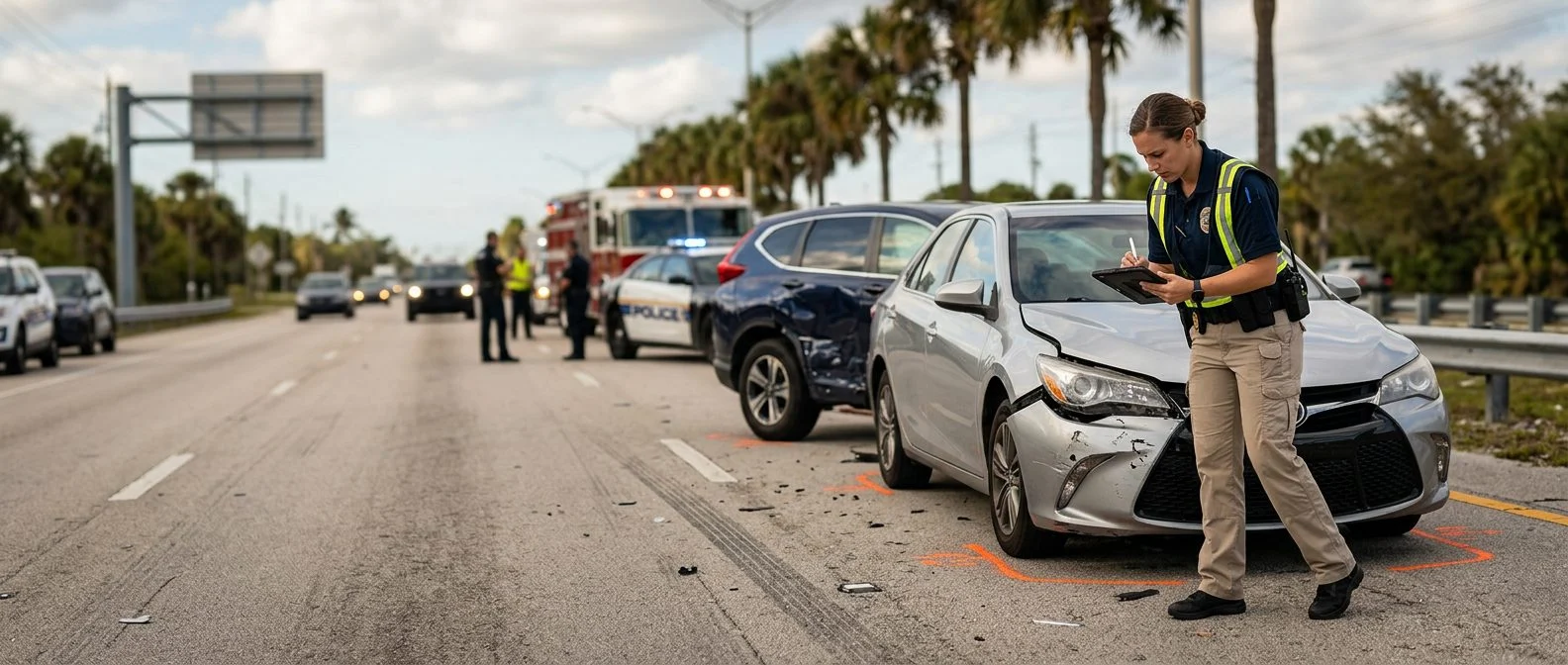
A car accident settlement is still possible in Florida even if you have no injuries you can see. Looking fine at the scene does not decide whether you have a claim. Many crash injuries show up days or weeks later.
This page explains how Florida’s rules work. It is written for the person who was hurt. It is also written for a family member who is helping them decide what to do next.
If you or a loved one was hurt, reaching out promptly lets our team review what happened while records and evidence are still fresh. Talk it through with our team — the first consultation is free, confidential, and carries no obligation.
Why No Visible Injury Does Not Mean No Claim
No. A lack of visible injury does not end a Florida car accident claim.
You may feel shaken. Your neck or back may ache. You may wonder whether “I look fine” means you have nothing to pursue. Many injuries do not show on the day of a crash.
Soft tissue injuries, like whiplash and sprains, can hurt for days or weeks. Nerve problems and brain injuries can take time to appear. An injury you cannot see is not the same as being unhurt.
This page is written for the person who was hurt. It is also written for the family member helping a loved one who keeps saying they’re fine. It explains Florida law in plain words.
It does not replace medical care. Follow your doctor’s advice, even if you feel mostly fine.
Florida PIP: What It Pays and the 14-Day Rule
Florida’s Personal Injury Protection (PIP) pays certain medical bills and disability benefits after a crash. Florida auto policies that meet the security requirements must include PIP coverage. This is set out in § 627.736(1).
The 14-day rule matters most. Florida law governs PIP coverage, including § 627.736. See a doctor promptly, even if you feel mostly fine.
PIP comes from the insurance policy on the vehicle, which must cover the named insured, relatives living in the household (unless excluded), a person operating the insured vehicle, passengers in it, and other people struck by it while not riding in a self-propelled vehicle. It is not the same as a claim against the at-fault driver. Under § 627.736(3), an injured party who is entitled to bring suit under the statute “shall have no right to recover any damages for which personal injury protection benefits are paid or payable.”
Injuries That Often Do Not Show Up Right Away
Some of the most common crash injuries start small. Others build over time.
- Soft tissue injuries: Whiplash, sprains, and strains can cause pain and stiffness. The pain may grow over days or weeks.
- Back and neck injuries: Pain may develop or get worse after the first day.
- Nerve symptoms: Tingling, numbness, or weakness may begin later.
- Concussion and brain injury: Headaches, memory problems, dizziness, or mood changes may appear hours or days after impact.
A missing bruise or bleeding does not rule out these injuries.
Tell your doctor about each new symptom as it appears. Keep a simple daily diary. Write down what hurts, how much it hurts, and what you could not do. That record helps your doctor and anyone reviewing your claim later.
How Florida Law Treats Pain and Suffering
In Florida, pain and suffering damages are limited to injuries that meet a legal threshold. A threshold is a minimum standard the injury must meet.
Under § 627.737(2), you may seek pain and suffering damages only if your injury consists, in whole or in part, of:
- a significant and permanent loss of an important bodily function;
- a permanent injury within a reasonable degree of medical probability, other than scarring or disfigurement;
- significant and permanent scarring or disfigurement;
- death.
Under § 627.737(3), a defendant may file a motion questioning whether the plaintiff meets these requirements. The court then checks one time only. It checks 30 days before the trial or pretrial hearing, whichever comes first. The court asks whether the plaintiff can submit some evidence of meeting them. If not, the court dismisses the claim without prejudice, meaning the dismissal does not decide the claim on its merits.
Because of this threshold, medical records over time matter. A real injury can still fall short of the threshold. A lawyer can review your medical records to see how your facts fit.
Car Accident Settlement No Injuries: What Drives the Value
A car accident settlement with no visible injuries has no standard amount. Value depends on the details of each claim.
The factors that usually matter most include:
- the treatment you received and how soon you started it;
- how long your symptoms last and how they change;
- whether a doctor documents a permanent injury;
- lost income and the cost of future care;
- how fault is divided between the drivers.
Florida uses a “modified comparative negligence” rule. In plain terms, each person’s share of fault matters. Under § 768.81(6), a party found more than 50 percent at fault for their own harm may not recover any damages.
Insurers and courts look at bills, records, and doctors’ notes.
Not sure what your next step is?
Talk it through with our team — the first consultation is free, confidential, and carries no obligation.
Early Settlement Offers, Releases, and When Not to Accept
An early offer can close your claim before you know the full extent of your injuries. Pause before you sign anything.
An adjuster may call within days with a quick payment. A release is a signed document that gives up your right to sue. Before signing any release or settlement paperwork, it is wise to have a lawyer review exactly what the document says. Under § 768.041(1), a release with one party does not release other people who may be liable for the same harm.
Think twice before accepting if:
- your treatment is still going on;
- your symptoms are changing;
- your doctor has not said whether the injury is lasting;
- the offer does not cover your medical bills or lost work.
Before you give a recorded statement or sign medical forms, ask what they are for. Keep copies of every letter, email, and call note. Your words to the insurer can shape how the claim is read.
You can ask the at-fault driver’s insurer in writing for its policy limits. Policy limits are the most the policy will pay. Under § 627.4137(1), the insurer must respond within 30 days of your written request. It must provide a sworn statement. A sworn statement is a written statement signed under oath. It comes from a corporate officer, or its claims manager or superintendent. For each known policy, including excess or umbrella insurance, it lists:
- each insurer;
- each insured;
- the coverage limits;
- any policy defense.
The insurer must also provide a copy of the policy.
What to Expect: Steps and Timeline for a Florida Claim
A Florida car accident claim usually moves in stages. It goes from medical care to documentation, then insurance review, then a settlement or a lawsuit.
- Get medical care promptly. Follow your doctor’s plan. Keep the 14-day PIP window in mind.
- Document the crash. Keep the police report, photos, witness names, repair estimates, and your symptom diary.
- Notify your own insurer. Track every PIP claim, bill, and payment.
- Review the medical picture. Check whether your records may support the permanent injury threshold before you decide on any offer.
- Pursue the bodily injury claim if it may qualify. If the insurer will not resolve it fairly, a lawsuit may be needed.
Deadlines apply to Florida injury claims. They can be shorter than many people expect. Contact us promptly so our team can review the timing that fits your facts.
If you or a loved one was hurt, reaching out promptly lets our team review what happened while records and evidence are still fresh. Results differ from case to case, and no particular outcome is promised.
Frequently Asked Questions
Can I file a claim if I never went to the ER?
Yes. A claim can still exist without an ER visit. Under Fla. Stat. § 627.736, personal injury protection (PIP) medical benefits cover eighty percent of all reasonable expenses for medically necessary medical, surgical, X-ray, dental, and rehabilitative services if the injured person receives initial services and care within 14 days after the motor vehicle accident. The limit is $10,000 in medical and disability benefits, but reimbursement for services and care is limited to $2,500 if a provider determines that the injured person did not have an emergency medical condition.
This applies if the injured person receives initial services and care within 14 days after the motor vehicle accident. That initial care must be lawfully provided, supervised, ordered, or prescribed by a licensed physician, dentist, chiropractic physician, or advanced practice registered nurse. It can also be provided in a hospital or a hospital-owned facility, or by a licensed emergency transportation and treatment provider. That is why getting medical care promptly matters.
Do I need visible injuries to have a claim?
No. Proof comes from medical records, diagnosis, and treatment history over time. It does not come from appearance alone.
Does PIP cover pain and suffering?
No. Pain and suffering is pursued through the bodily injury claim.
What if the other driver denies fault?
Disputed fault is handled through investigation, the police report, and careful documentation. Under Florida’s comparative fault law, a person found more than 50 percent at fault for their own harm generally may not recover damages in a negligence action. This rule does not apply to medical negligence claims under chapter 766 (Fla. Stat. § 768.81(6)).
What if I already signed a release?
Contact us promptly. We can review the signed document and the deadlines that apply to you.
How does the firm charge?
CHG charges no attorney’s fees and no case costs unless there is a recovery. The first consultation is free, confidential, and without obligation.

Talk With CHG Personal Injury Lawyers About Your Crash
If a crash left you sore or unsettled, you may be facing an insurance call and a deadline at the same time. CHG Personal Injury Lawyers is a Florida-based firm that handles car accident and other personal injury claims. Igor Hernandez is the responsible lawyer for this page. Our attorneys are licensed and admitted to The Florida Bar, and our team serves clients throughout Florida.
Contact us for a free first consultation. It is confidential and comes with no obligation. We will review your medical records, PIP status, and deadlines with you.
Attorney advertising. This page is general information, not medical advice. Results differ from case to case, and no particular outcome is promised.
Have questions about what happened?
Ask our team directly. The first conversation is free, confidential, and there is no obligation to continue.
Why Talk With Us Before You Settle
Insurers move quickly
Adjusters may contact you soon after a crash. Speaking with a lawyer first helps you understand a proposed offer before you respond.
Your records matter
Photos, the police report, repair estimates, and medical notes can all shape how a claim is reviewed. We help you organize them.
Attention to your whole recovery
Symptoms can appear days or weeks after a collision. Our team considers your health and daily life, not only the car.
Clear terms
CHG charges no attorney's fees and no case costs unless there is a recovery. We explain every step in plain language.
Before You Sign Anything
Insurance companies may ask you to sign a release or accept a quick payment. Once signed, that choice can be hard to reverse. Talk with a lawyer before you sign or accept any offer.
Common Questions About Car Accident Claims With No Injuries
I felt fine at the scene. Is that a problem?
Pain from a crash often appears later. Tell your doctor about every symptom, even small ones, and keep notes on when they started.
What if I did not go to the ER?
A claim may still be possible. Florida's personal injury protection rules and the timing of care can matter, so bring the details to a consultation.
What about my car damage and rental costs?
Property damage, towing, and loss of use are often handled separately from injury claims. Keep repair bills, photos, and rental receipts.
Should I give a recorded statement?
Be careful. Statements to an insurer can be used later. Speak with a lawyer before giving any recorded statement.