

Car Accident Guide
When to Hire a Car Accident Attorney After a Crash
Not every fender-bender needs a lawyer—but serious injuries, disputed fault, and insurance disputes do. Learn when to call.
By CHG Lawyers · Published September 30, 2026
When to Hire a Car Accident Attorney in Florida
You’ve just been in a car accident. Your body hurts. The other driver’s insurance company is calling. You’re wondering: do I really need a lawyer?
The answer depends on your situation. But waiting too long can cost you a lot of money. This guide explains when you need legal help and why the first hours and days after an accident matter.

Not sure what your next step is?
Talk it through with our team — the first consultation is free, confidential, and carries no obligation.
The Real Risk: Deciding Too Late
Here’s what usually happens: you handle the claim alone, accept an early settlement offer from insurance, and later realize what you gave up. Once you sign a settlement agreement, you cannot ask for more—no matter what happens next.
Insurance companies know this. They count on it. They call injured people quickly, often within days, and offer fast money. That offer almost always undervalues your claim. You may not yet have a full medical diagnosis or understand the long-term cost of your injuries.
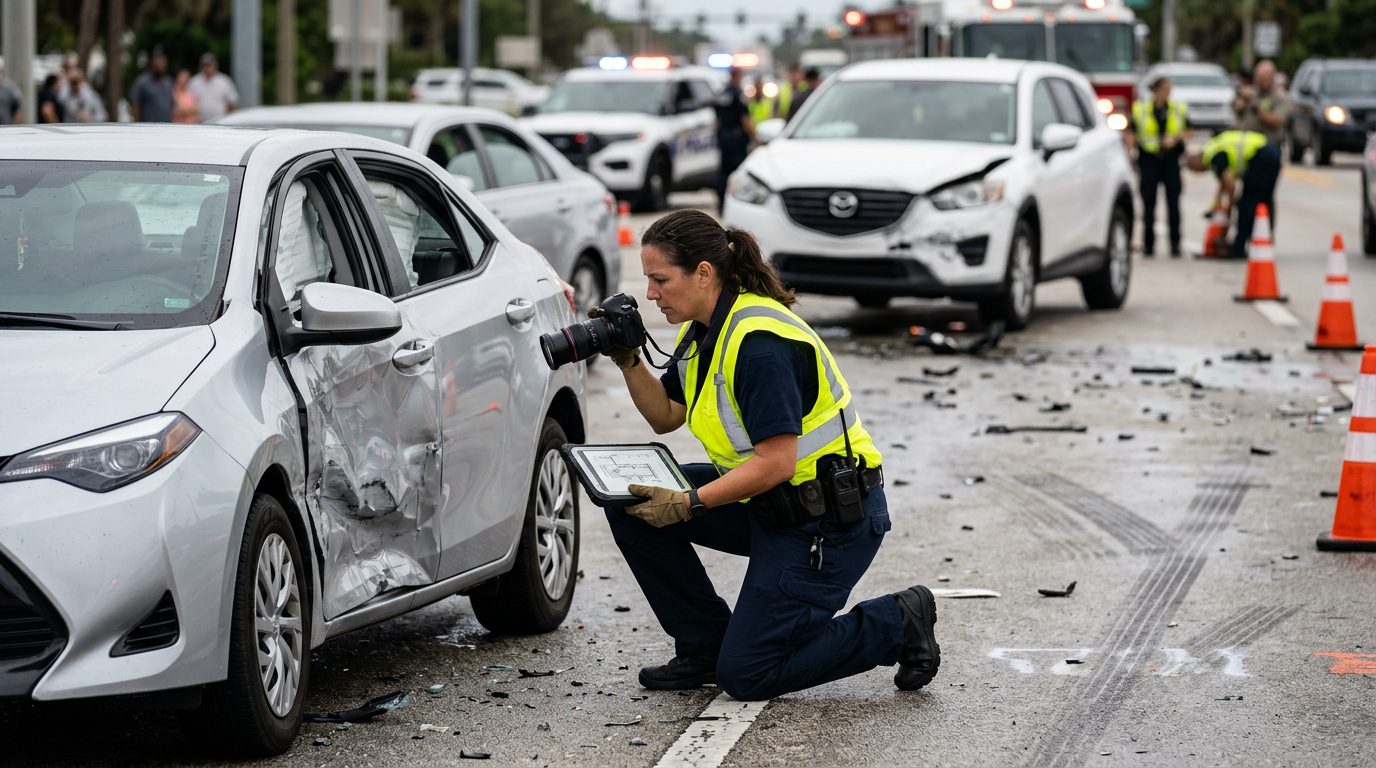
The window to preserve evidence and document your claim is narrow. Police reports are filed. Witness memories fade. Traffic cameras record over their footage. Medical records pile up. The sooner you hire an attorney, the sooner these critical details are secured and your case is properly built.
You Have a Serious or Catastrophic Injury
If you or a passenger needed hospitalization, surgery, emergency care, or ongoing medical treatment, hire an attorney now.
Catastrophic injuries demand legal representation:
- Spinal cord injury or paralysis (paraplegia or quadriplegia): These injuries require lifelong medical care, adaptive equipment, home modifications, and lost earning capacity. Insurance companies will fight hard to minimize payout.
- Traumatic brain injury (TBI): Symptoms may not appear for days or weeks. Cognitive changes, memory loss, mood disorders, and physical coordination problems often emerge gradually. A TBI can end a career and require decades of specialized care.
- Amputation or limb loss: Prosthetics, ongoing medical care, vocational retraining, and psychological support are lifelong needs.
- Severe burns: Reconstructive surgery, pain management, scarring, and psychological trauma require long-term treatment and support.
- Permanent nerve damage: Chronic pain, loss of sensation, or motor function can develop slowly and worsen over time.
Even injuries that seem manageable at first can become permanent. Nerve damage in the leg after a car accident may not fully appear for weeks. Traumatic brain injury symptoms can emerge gradually, affecting memory, concentration, mood, or coordination long after the crash.
An attorney ensures your claim accounts for lifetime medical care, lost wages, loss of earning capacity, and pain and suffering—not just the immediate bills. In catastrophic-injury cases, the gap between what you initially settle for and what you’re actually owed can exceed hundreds of thousands of dollars.
The Accident Involved a Motorcycle or High-Impact Collision
Motorcycle accidents carry dramatically higher risk of catastrophic injury. Riders have no protective shell and face greater vulnerability to spinal cord injury, head trauma, and limb loss.
High-impact collisions cause injuries that aren’t immediately obvious. These include head-on crashes, T-bone intersections at speed, rear-end collisions at highway speed, and multi-vehicle pileups. Truck accidents are especially dangerous because of the massive weight and size difference. A fully loaded commercial truck can weigh 80,000 pounds; a passenger car weighs roughly 4,000 pounds. That collision almost always produces serious injury.
If you were on a motorcycle or involved in a high-speed collision, consult an attorney even if you feel okay now. Serious injuries can develop over hours or days. Early legal involvement protects your claim and ensures evidence is preserved.
Liability Is Unclear or Disputed
If the other driver claims you were at fault, or if both parties share some responsibility, the insurance company may deny or reduce your claim. Early attorney involvement makes a real difference here.
An attorney investigates the accident scene, gathers police reports, witness statements, and traffic camera footage. Many modern vehicles contain event data recorders (sometimes called “black boxes”) that record collision data. These details establish who was at fault and protect your recovery.
Florida’s comparative negligence statute (Fla. Stat. § 768.81) allows you to recover damages even if you were partially at fault, unless you are found greater than 50% at fault for your own harm. If you’re found more than 50% at fault, you recover nothing. An attorney can help build the case on liability and work toward protecting your recovery.
The Insurance Company Is Denying Your Claim or Offering Too Little
Insurance companies routinely undervalue claims or deny them outright, especially when serious injuries are involved. Common denial tactics include:
- Claiming the accident didn’t cause your injuries
- Disputing the medical necessity of your treatment
- Offering a settlement that covers only immediate medical bills, ignoring future care
- Delaying investigation or requesting endless documentation
If the insurer refuses to pay, offers a settlement far below your medical bills and lost wages, or disputes that the accident caused your injuries, you need legal representation.
An attorney can challenge a denial, demand a full investigation, and file a lawsuit if necessary. Many people accept low settlement offers because they’re desperate for money or don’t realize what their claim is worth. Once you sign, you cannot ask for more.
You Have Long-Term or Permanent Impairment
Injuries that result in permanent disability—inability to work, chronic pain, loss of mobility, cognitive changes after a brain injury—require damages calculations far beyond immediate medical costs.
Insurance companies often drastically underestimate lifetime care needs. An attorney works with medical and vocational experts to calculate what your life will actually cost. If you cannot return to your previous job or career, an attorney helps recover lost earning capacity over your lifetime. A 35-year-old who can no longer work has decades of lost income ahead. That calculation requires expert analysis.
Symptoms Developed After the Accident or Are Getting Worse
Some injuries don’t show up immediately. Nerve damage in the leg after a car accident may develop days or weeks later. Headaches, dizziness, or cognitive fog after a head impact can emerge gradually and worsen over time.
If you initially felt fine but later developed serious symptoms, an attorney helps connect those symptoms to the accident. Your claim will reflect the full scope of injury. Documentation and medical records are critical. The sooner you consult an attorney, the sooner your case is properly documented and evidence is preserved.
Have questions about what happened?
Ask our team directly. The first conversation is free, confidential, and there is no obligation to continue.
Multiple Parties or Vehicles Are Involved
Multi-vehicle accidents complicate liability and insurance coverage. Determining who is responsible and which insurance policy applies requires legal knowledge. If a third party—such as a rideshare driver, delivery driver, or commercial vehicle operator—was involved, additional liability and insurance issues arise.
An attorney identifies all responsible parties and pursues claims against each one. You may have claims against multiple insurance policies. Missing one could cost you significant compensation.
A Government Vehicle or Entity Is Involved
If you were hit by a city bus, county vehicle, or other government-owned vehicle, special rules apply to your claim. Under Florida’s Notice of Claim statute (Fla. Stat. § 768.28), you may need to file a notice of claim within 3 years of the accident. Failure to file within the proper timeframe can bar your entire claim. An attorney can help you understand these rules and work to meet the requirements.
The Accident Resulted in Death
If a family member was killed in a car accident, the surviving family members may have a wrongful-death claim. These cases are complex and require an attorney to pursue damages on behalf of the estate and surviving dependents.
Wrongful-death cases involve economic losses (lost income, medical bills the deceased would have incurred, funeral expenses) and non-economic damages (loss of companionship and emotional suffering). The family deserves representation from someone who understands both the law and the weight of what they’ve lost.
You Received a Settlement Offer Early
Insurance companies often contact injured people quickly after an accident and offer a fast settlement. These early offers are almost always far below what your claim is actually worth, especially if you haven’t yet received all medical treatment or a full diagnosis.
Before accepting any settlement, consult an attorney. A quick payout feels good in the moment, but it often leaves you short when medical bills mount, your condition worsens, or you later discover the true cost of your injuries.
You’re Unsure About Your Rights or Next Steps
If you’re not sure whether you have a valid claim, whether you should file a lawsuit, or what your case is worth, an attorney can answer those questions. Many people delay seeking legal help because they think their injury “isn’t serious enough” or they’re uncertain they have a case. An initial consultation can clarify that quickly.
The sooner you speak with an attorney, the sooner evidence can be preserved and your claim properly documented. Florida’s statute of limitations gives you two years to file a lawsuit for most personal-injury claims. But waiting until the last moment leaves no room for error, and critical evidence may be lost.
What Happens When You Hire an Attorney
An attorney investigates the accident, gathers evidence, and builds your case. Your lawyer communicates with the insurance company on your behalf, so you don’t have to. If a fair settlement cannot be reached, your attorney can file a lawsuit and represent you in court.
Most car accident attorneys work on a contingency fee basis. You pay nothing upfront and only pay a percentage of your recovery if you win. This arrangement removes the financial barrier to getting legal help and aligns your attorney’s interests with yours: they only get paid if you recover money.
Want to know where you stand?
Tell us what happened and our team will walk you through the options available to you, at no cost.
The Bottom Line: When to Reach Out
If you have any doubt about whether you need an attorney, the safest choice is to consult one. A free case evaluation costs you nothing and can clarify your options. Waiting too long can hurt your case. Evidence disappears, memories fade, and deadlines pass.
Whether your accident was minor or catastrophic, whether liability is clear or disputed, whether you’ve already settled or are still negotiating—legal guidance can make the difference between a fair recovery and a shortfall you’ll regret for years.
Frequently Asked Questions
Do I need an attorney for a minor car accident with no injuries?
Probably not, if liability is clear and the damage is minor. But if anyone was injured or liability is disputed, consult an attorney before settling.
What if I was partially at fault for the accident?
In Florida, you can still recover damages even if you were partially at fault, as long as you were not more than 50% responsible (Fla. Stat. § 768.81(6)). An attorney can help prove your share of fault is lower than the other party claims.
How much does it cost to hire a car accident attorney?
Most car accident attorneys work on contingency. You pay nothing upfront and only pay a percentage (typically 25–40%) of your recovery if you win.
How long do I have to file a car accident lawsuit in Florida?
For most claims, you have two years from the date of the accident. Don’t wait—consult an attorney early to preserve evidence.
Should I accept an early settlement offer from the insurance company?
Not without consulting an attorney first. Early offers are typically far below what your claim is worth, especially if your injuries are serious or long-term.
What if the insurance company denies my claim?
An attorney can challenge the denial, demand a full investigation, and file a lawsuit if the insurer refuses to pay. You have legal options.
Can I recover damages for pain and suffering, or just medical bills?
Your claim may involve economic damages (medical bills, lost wages) and non-economic damages (pain and suffering, loss of enjoyment of life). In a Florida motor vehicle case, pain, suffering, and mental anguish are recoverable only if the injury meets the threshold requirements in Florida Statute 627.737. An attorney can review your claim to determine which of these types of damages may apply.

Contact CHG Personal Injury Lawyers for a Free Case Evaluation
If you’ve been in a car accident and aren’t sure whether you need legal help, or if you’re facing a serious injury, insurance denial, or unclear liability, contact us for a free case evaluation.
The sooner you reach out, the sooner we can help preserve evidence and protect your rights.
When You Should Contact an Attorney
Someone Was Injured
If you, a passenger, or anyone else suffered injuries—even ones that seem minor at first—an attorney can help you understand your claim and protect your rights before you settle.
Liability Is Disputed
When the other driver, their insurance company, or witnesses disagree about who caused the crash, you need someone to investigate and build your case.
Insurance Offers Seem Too Low
Insurance adjusters often undervalue claims. An attorney can negotiate on your behalf and ensure you're not settling for less than your claim is worth.
The Other Driver Was Uninsured or Underinsured
If the at-fault driver has no insurance or insufficient coverage, your options are limited but not gone. An attorney can explore recovery through your own policy or other avenues.
When You Probably Don't Need an Attorney
Minor Damage, No Injuries, Clear Liability
If the crash caused only minor property damage, no one was hurt, and both parties agree on fault, you may handle the claim directly with insurance.
You're Fully Covered and Settled Quickly
If your insurance company accepts full liability and offers a fair settlement that covers all your costs, you may not need legal help.
Why Early Legal Guidance Matters
Time Limits Apply
Evidence disappears, memories fade, and witnesses become harder to reach. Acting quickly preserves your claim and strengthens your position.
Protect Your Statement
Anything you say to an insurance adjuster can be used against you. An attorney handles communication so you don't accidentally harm your case.
Understand Your Rights
You may be entitled to recover more than just medical bills—including lost wages, pain and suffering, and future care costs. An attorney explains what applies to your situation.
Navigate Insurance Tactics
Insurance companies use standard strategies to minimize payouts. An experienced attorney recognizes these tactics and counters them on your behalf.
Don't Settle Without Legal Review
Once you sign a settlement agreement, you typically cannot pursue additional compensation—even if your injuries worsen or new costs arise. If you've been injured, have an attorney review any settlement offer before you accept it.