

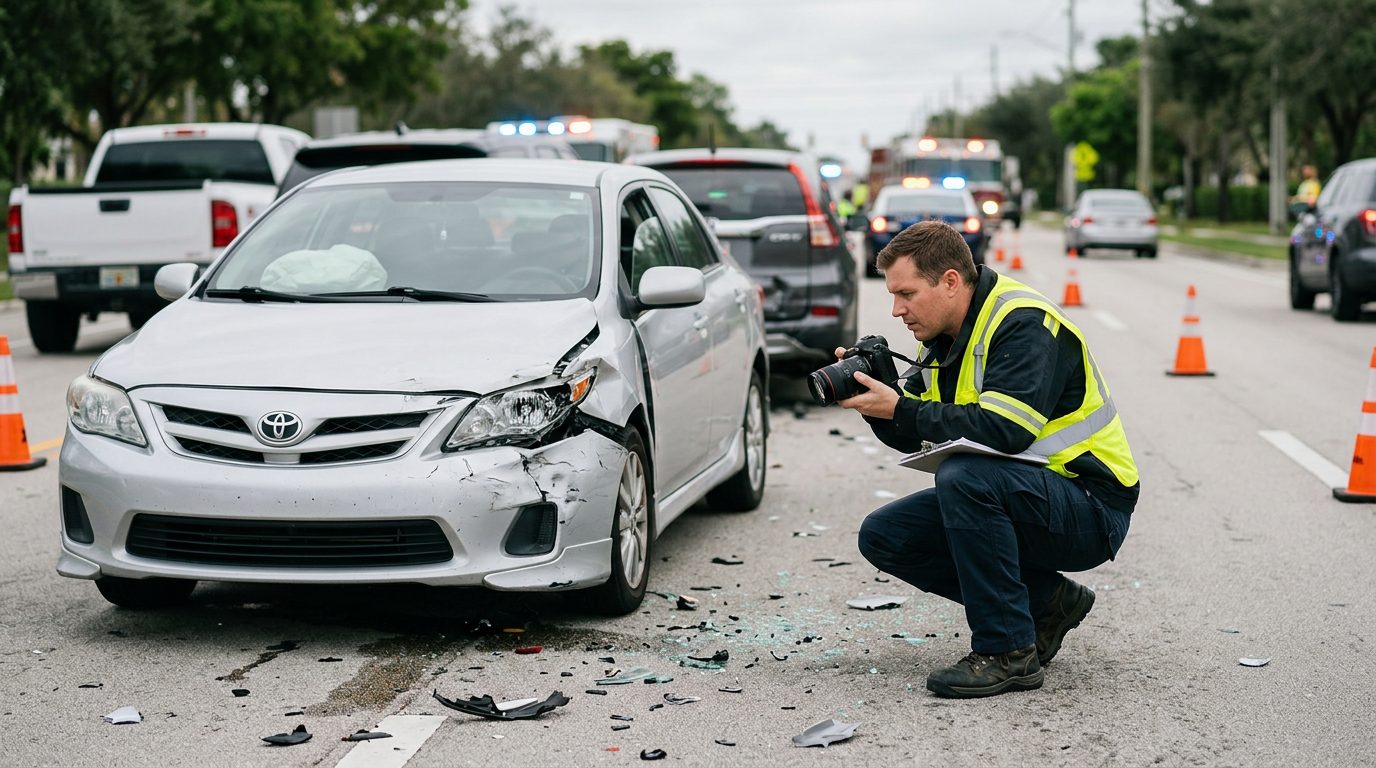
Car Accidents in Homestead
Car Accident Injured in Homestead? Know Your Rights and What You're Owed
From minor collisions to life-altering crashes, you may have a claim for medical bills, lost wages, pain, and more. Get a free case evaluation from CHG Personal Injury Lawyers.
By CHG Lawyers · Published September 24, 2026
Car Accidents in Homestead: Know Your Rights and Preserve Evidence
If you were injured in a car accident in Homestead, Florida law lets you pursue damages from the at-fault driver. But you must act fast. Evidence disappears, memories fade, and Florida gives you only two years to file a lawsuit (Fla. Stat. § 95.11(5)(a)).
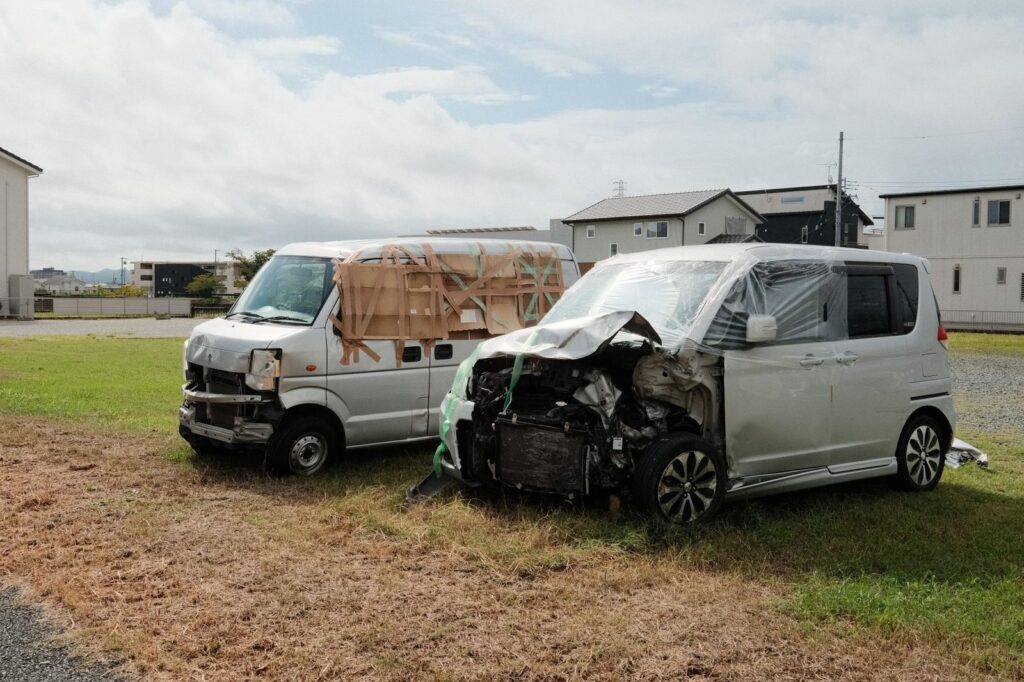
If you were hurt in a car accident in Homestead—whether a minor collision or a serious crash—you may have a claim against the at-fault driver. Talk it through with our team — the first consultation is free, confidential, and carries no obligation.
Homestead Roads and Real Accident Risk
Homestead sits at a transportation crossroads. US-1 runs north-south through the community. Florida’s Turnpike cuts through the area. Local roads like Krome Avenue and Campbell Drive carry steady traffic daily.
Motor-vehicle crashes are a regular concern on busy Homestead roads. These range from minor fender-benders to catastrophic collisions causing spinal cord injuries, traumatic brain injuries, amputations, or fatal outcomes.
If you were hurt in a Homestead car accident, understanding your rights is the first step. Time works against you: Florida law gives you only two years to file a lawsuit before your claim expires forever.
What to Do Immediately After a Car Accident in Homestead
Call 911 immediately if anyone is injured. Homestead Police will respond, document the scene, and file an official crash report. Do not leave the scene.
After police arrive:
- Get medical attention right away, even if you feel fine. Concussions, internal bleeding, and spinal cord damage often don’t show symptoms for hours or days. A medical record on the day of the accident is powerful evidence.
- Exchange information with the other driver: name, phone number, address, insurance company, policy number, vehicle details, license plate, and driver’s license number. Write it down.
- Take photos and video of vehicle damage, road conditions, traffic signs, skid marks, and debris. Use your phone’s timestamp feature.
- Get contact information from witnesses. Ask for names, phone numbers, and email addresses. Witness statements are crucial.
- Do not admit fault or apologize. Let the police report and evidence determine liability.
- Report the accident to your own insurance company promptly. Delays can complicate your claim.
Understanding Florida’s No-Fault System and Your Real Rights
Florida is a “no-fault” state—but that doesn’t mean you can’t sue.
How No-Fault Insurance Works
Every Florida driver must carry Personal Injury Protection (PIP) coverage. PIP pays your medical bills and lost wages (up to 60% of average income) regardless of fault, up to your policy limit.
But no-fault insurance has a critical limit: it covers only economic losses, not pain and suffering or permanent injury.
When You Can Sue
You can pursue a claim against the at-fault driver if your injuries meet Florida’s legal threshold for “serious injury.” Under Florida Statute §627.737, a serious injury includes a significant and permanent loss of an important bodily function, a permanent injury within a reasonable degree of medical probability (other than scarring or disfigurement), significant and permanent scarring or disfigurement, or death.
If your injuries qualify, you may be able to seek compensation for medical bills and lost wages, as well as pain and suffering, emotional distress, permanent disability, and, in fatal crashes, wrongful-death damages.
How Liability Is Determined
Fault is established through evidence:
- Police report: Officer observations, citations, and fault determination
- Witness statements: Accounts from people who saw the crash
- Traffic camera footage: Video from nearby intersections or businesses
- Vehicle damage patterns: Where and how vehicles struck each other
- Accident reconstruction: Specialists analyze damage, skid marks, and road conditions
- Cell phone records: Evidence of distracted driving at the time of the crash
Common Homestead car accident causes include speeding, distracted driving, failure to yield, running red lights, unsafe lane changes, and impaired driving.
Hit-and-Run Crashes
If the other driver fled, report it to Homestead Police immediately. Your own insurance policy may have uninsured motorist (UM) coverage, which can cover your injuries even if the fleeing driver is never identified.
What Damages Can You Recover
Recoverable damages include medical expenses, lost wages, property damage, and—in serious or fatal crashes—permanent disability or wrongful-death damages. Under Florida Statutes § 627.737(2), pain and suffering from bodily injury is recoverable only where the injury meets a statutory threshold, such as a significant and permanent loss of an important bodily function.
Economic Damages
- Medical expenses: emergency care, hospitalization, surgery, physical therapy, rehabilitation, and future medical needs
- Lost wages: income missed during recovery or medical appointments, plus reduced earning capacity
- Property damage: repair or replacement of your vehicle
Non-Economic Damages
- Pain and suffering: compensation for physical pain, emotional distress, anxiety, and reduced quality of life
- Permanent injury or disability: if the accident caused lasting harm (spinal cord injury, traumatic brain injury, amputation, or severe burns), you may recover substantial additional damages
Wrongful-Death Damages
In fatal car crashes, surviving family members can bring a wrongful-death claim under Florida Statute §768.19. Recoverable damages include:
- Loss of companionship and emotional support
- Funeral and burial expenses
- Loss of financial support the deceased would have provided
- Loss of parental guidance (if the deceased was a parent)
Critical Mistakes That Cost You Thousands
The decisions you make in the days and weeks after a crash can cost you thousands in damages.
Don’t Post on Social Media
Insurance companies monitor social media constantly. A restaurant photo, a comment about feeling “better,” or a yard-work video—even weeks later—can be used against you. Do not post anything about the accident, your injuries, or your recovery on Facebook, Instagram, TikTok, or any platform. Delete old posts if necessary.
Don’t Accept a Quick Settlement Offer
Insurance adjusters often contact injured people within days and offer a settlement. These early offers are almost always far below what your claim is worth. Do not accept any settlement or sign any document without legal review. Once you sign, you waive your right to pursue additional damages.
Preserve Evidence Before It Disappears
Evidence disappears quickly. Learn how to preserve accident evidence properly:
- Keep the police report number and request a copy from Homestead Police Department
- Preserve all medical records, bills, and receipts related to your injuries
- Document your injuries with photos taken in good lighting. Keep a journal of your recovery, pain levels, medications, and how the injury affects your daily life.
- Save all communications with insurance companies (emails, letters, notes of phone calls with dates and times)
- Request surveillance footage from nearby businesses, traffic cameras, or ATMs before it is automatically deleted (most footage is retained for only 30 days)
- Photograph road conditions, traffic signs, and the accident scene if you return to the location
Don’t Discuss the Accident with Insurance Adjusters Without Legal Review
You must report the accident to your own insurance company. But do not give a recorded statement or sign anything without legal review. Insurance adjusters are trained to minimize payouts. They may ask leading questions designed to undermine your claim.
Not sure what your next step is?
Talk it through with our team — the first consultation is free, confidential, and carries no obligation.
Why Serious Car Accidents in Homestead Require Legal Help
Insurance companies are skilled at minimizing payouts. An attorney protects your rights, investigates thoroughly, and negotiates on your behalf.
Insurance Companies Work Against You
After a crash, the at-fault driver’s insurance company will contact you. Their job is to pay you as little as possible. They may:
- Pressure you to settle quickly before you know the full extent of your injuries
- Minimize your pain and suffering or argue that your injuries are pre-existing
- Challenge medical bills or claim treatments were unnecessary
- Use your own words or social media posts against you
- Delay the process to frustrate you into accepting a lower offer
What an Attorney Does
An experienced attorney:
- Investigates thoroughly: obtains the police report, secures witness statements, retrieves traffic camera footage, and hires accident reconstruction experts if needed
- Builds a strong case: documents your injuries, medical treatment, lost wages, and long-term impact on your life
- Handles all communication: deals with insurance adjusters so you can focus on recovery
- Negotiates aggressively: knows what similar claims are worth in Homestead and Miami-Dade County
- Protects your rights: ensures you don’t sign away claims or accept inadequate settlements
- Pursues all avenues: if the at-fault driver is uninsured or underinsured, your attorney can pursue uninsured motorist coverage
Homestead Car Accidents: Special Situations
Truck Accidents
Truck accidents often result in catastrophic injuries because of the size and weight differential.
Rideshare Accidents
If you were injured in an Uber or Lyft, the rideshare company’s insurance may be involved. Multiple insurance policies may apply depending on whether the driver was logged into the app or had a passenger.
Fatal Crashes
If a loved one was killed in a car accident, your family has the right to pursue a wrongful-death claim. The sooner you contact an attorney, the sooner your family’s rights can be protected and evidence can be preserved.
The Settlement and Claim Process
Most car accident claims settle without going to trial. The process typically takes weeks to months, depending on the complexity of your injuries and the insurance company’s willingness to negotiate.
Here’s what happens:
- Investigation: Your attorney gathers evidence and obtains medical records
- Demand letter: Your attorney sends a detailed letter to the insurance company. It outlines your injuries, damages, and the amount you are seeking.
- Insurance response: The company responds with an offer (usually lower than your demand)
- Negotiation: Your attorney and the insurance company exchange counteroffers
- Settlement or lawsuit: If you reach agreement, the claim settles. If not, your attorney can file a lawsuit in Miami-Dade County Circuit Court.
- Updates: You receive regular updates throughout the process
The Statute of Limitations: Act Now
Under Florida Statute §95.11, you have two years from the date of the accident to file a negligence lawsuit. After that deadline passes, your claim is barred forever.
Don’t wait. The sooner you contact an attorney, the sooner evidence can be preserved and your claim can be built.
Have questions about what happened?
Ask our team directly. The first conversation is free, confidential, and there is no obligation to continue.
Frequently Asked Questions
How long does a car accident claim take to settle?
Most claims settle within weeks to months. Complex cases involving serious injuries, multiple parties, or catastrophic outcomes may take longer. Your attorney will give you a realistic timeline based on your specific case.
What if I was partially at fault for the accident?
Under Florida Statute §768.81, you can recover damages even if you were partially at fault—as long as you were 50% or less at fault. Your recovery is reduced by your percentage of fault. For example, if you are 20% at fault and your damages are $100,000, you recover $80,000.
Can I recover damages for pain and suffering in Florida?
Yes, but only if your injuries meet the “serious injury” threshold under Florida Statute §627.737. If they do, you can recover pain and suffering, emotional distress, and other non-economic damages in addition to medical bills and lost wages.
What if the other driver was uninsured?
Your own uninsured motorist coverage can cover your injuries. Your attorney can pursue this claim on your behalf against your own insurance company.
Should I talk to an insurance adjuster before hiring a lawyer?
You must report the accident to your own insurance company. But do not give a recorded statement or sign anything without legal review. Insurance adjusters are trained to minimize payouts.
If you were hurt in a car accident in Homestead—whether a minor collision or a serious crash—you may have a claim against the at-fault driver. The decisions you make in the next few days will affect what your case is worth.
Contact us today for a free case evaluation to discuss your accident, learn what your claim may be worth, and protect your rights before evidence disappears or deadlines pass.
What Happens After a Car Accident in Homestead
Seek Medical Care First
Even if you feel fine, see a doctor right away. Some injuries appear hours or days later. A medical record also documents your injuries for your claim.
Report the Accident
Call the Homestead Police Department or Florida Highway Patrol to file a report. Get the report number and the other driver's insurance information.
Document Everything
Take photos of vehicle damage, the accident scene, road conditions, and any visible injuries. Write down what happened while it's fresh, and get contact information from witnesses.
Contact an Attorney
Before accepting any settlement offer or speaking with the other driver's insurance company, talk to a lawyer. A lawyer can review the facts of your crash and explain what your claim may involve.
Why Choose CHG Personal Injury Lawyers for Your Homestead Car Accident Claim
We Focus Exclusively on Personal Injury
Our practice focuses on personal injury claims, including car accidents, truck crashes, and catastrophic injuries. We know Florida law and how insurance companies work.
No Attorney’s Fees Unless There Is a Recovery
We work on contingency. You pay nothing upfront, and we only collect a fee if your case settles or wins.
We Handle Cases Throughout Florida
We represent injured people throughout Florida. Your location within the state doesn't limit your access to our help.
We Treat You With Respect
We listen to your story, answer your questions in plain language, and fight for fair compensation on your behalf.
Don't Rush Into a Settlement
Insurance adjusters often call quickly after an accident with a low offer. Accepting without legal advice can cost you thousands. Let us review any offer before you agree to anything.
Common Questions About Car Accident Claims in Florida
What if I was partly at fault?
Florida law allows you to recover even if you share some blame—as long as you are not more than 50% at fault (Fla. Stat. § 768.81(6)). Your recovery is reduced by your percentage of fault.
What damages can I claim?
Medical bills, lost wages, pain and suffering, property damage, and ongoing care costs. In serious cases involving permanent injury or death, damages may be much larger.
How long do I have to file a claim?
Time limits apply. Contact an attorney as soon as possible to protect your rights and ensure deadlines are met.
Do I need a lawyer for a minor accident?
Even small accidents can have hidden injuries and insurance complications. A free consultation helps you understand what your claim is worth.