


Negligent Security | Apartment Complex Injuries
Attacked at Your Apartment Complex? You May Have a Claim Against the Property Owner
If you were assaulted, shot, robbed, or injured due to inadequate security at an apartment complex, the owner may be liable. We help victims pursue compensation.
By CHG Lawyers · Published September 21, 2026
Apartment Complex Assault Injury Lawyer: Negligent Security Claims
You were attacked in a parking lot, hallway, stairwell, or common area of an apartment complex. The attacker was a stranger—or someone you knew. What matters now: the property owner knew crime was a real risk. They did nothing to prevent it.
No working locks. No lights. No cameras. No security.
Now you live with the consequences. Physical injuries. Trauma. Medical bills. Lost work time. The owner’s failure to act is not poor maintenance. It is a breach of legal duty. They can be held accountable.
This is called negligent security. It is a legal claim that lets you recover compensation from the property owner for injuries caused by violent crime they enabled through negligence.
You are not suing the attacker—that is criminal law. You are suing the owner for failing to provide reasonable protection to residents and guests from foreseeable harm.
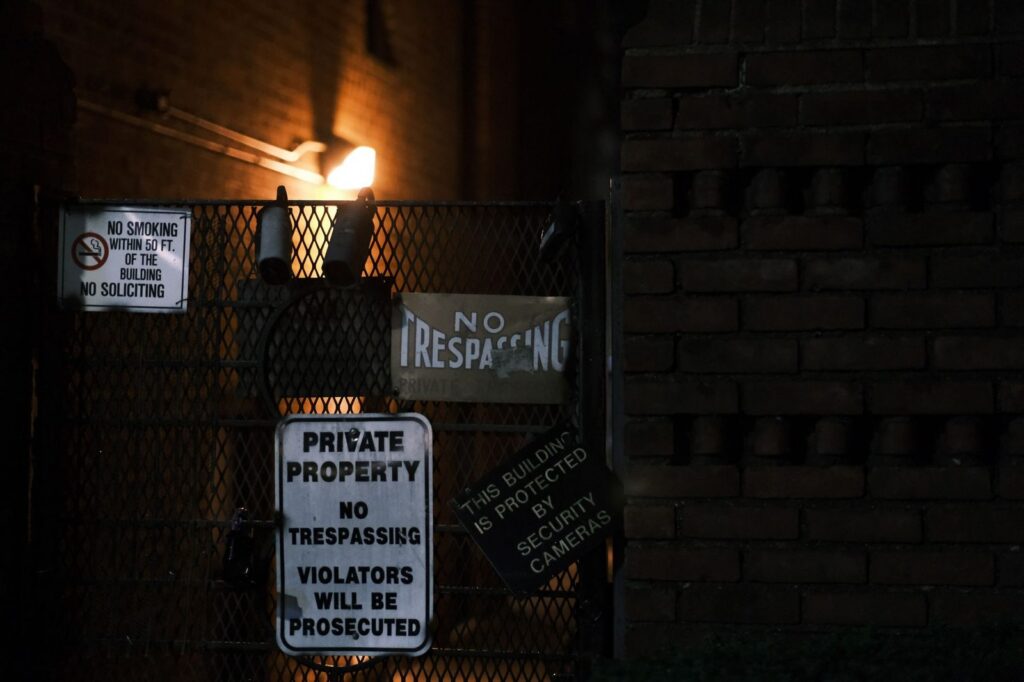
If you were assaulted, shot, robbed, or injured due to inadequate security at an apartment complex, the owner may be liable. Talk it through with our team — the first consultation is free, confidential, and carries no obligation.
Your Situation: Attacked Because Security Failed
If you were assaulted, robbed, shot, or sexually attacked at an apartment complex, and the owner failed to provide reasonable security, you are not alone.
According to the U.S. Bureau of Justice Statistics, approximately 1.2 million violent crimes occur on residential property annually. Many happen where security failures enabled the crime.
Negligent security happens when a landlord or property manager ignores obvious security gaps or fails to respond to prior crime:
- Broken or missing locks on entry doors, gates, mailbox areas, or stairwell doors
- Burned-out or inadequate lighting in parking lots, stairwells, hallways, and common areas
- No security cameras or cameras that don’t record or deter
- No security guards or inadequate patrol presence
- Failure to respond to prior complaints about crime or safety
- No visitor screening or access control
- Overgrown landscaping that blocks sightlines and provides cover for attackers
- Documented history of crime at the complex that the owner ignored or hid
When these failures exist and violent crime results, the property owner becomes legally and financially responsible for your injuries and damages.
What Negligent Security Means in Law
Negligent security is a property owner’s failure to protect residents and guests from foreseeable harm by not providing reasonable security measures.
Property owners do not have a duty to prevent every crime. They do have a duty to take reasonable steps to protect people from foreseeable crime.
Foreseeability is the key. If prior crime occurred at the complex, or if the neighborhood is known for high crime, the owner cannot claim they could not have predicted an attack.
Courts recognize that when a property owner ignores obvious security gaps in a high-risk area, they are inviting harm.
If police records show prior assaults, robberies, or break-ins at the complex, or if the neighborhood has documented patterns of violent crime, the owner’s failure to upgrade security becomes negligence—not just poor judgment.
Where Negligent Security Claims Arise
This firm pursues negligent security claims at these property types:
- Apartment complexes and residential buildings: parking lots, hallways, stairwells, common areas, laundry rooms, mailbox areas, and entry gates
- Parking lots and parking garages: multi-level structures, surface lots, and underground facilities where lighting and surveillance are critical
- Hotels and motels: hallways, elevators, lobbies, parking areas, and outdoor grounds
- Bars and nightclubs: parking areas, restrooms, and outdoor spaces
- Gas stations and convenience stores: parking areas, pump islands, and interior spaces
- Retail stores and shopping centers: parking lots, loading areas, and building perimeters
- ATM locations: indoor and outdoor machines in isolated or poorly lit areas
In each setting, the owner’s failure to provide working locks, adequate lighting, functional cameras, or security personnel can enable violent crime.
What Counts as Negligent Security
Courts and juries evaluate whether the property owner took reasonable steps to prevent foreseeable crime. Evidence of negligent security includes:
- Broken or missing locks on entry doors, gates, mailbox areas, or stairwell doors
- Inadequate or burned-out lighting in parking lots, stairwells, hallways, and common areas
- Non-functioning security cameras or no cameras at all
- Lack of security guards or inadequate patrol
- Failure to respond to prior complaints about crime or safety
- No visitor screening or access control
- Failure to maintain landscaping that blocks sightlines
- Known history of crime that the owner ignored
If the property owner knew about these gaps and did nothing, and violent crime resulted in your injury, you have a strong foundation for a negligent security claim.
The Two-Year Deadline: Act Now
This is urgent. Under Florida law (Fla. Stat. § 95.11), you have two years from the date of the attack to file a negligent security lawsuit. After that deadline, your claim is barred forever—no exceptions.
Two years sounds like a long time. It is not. Evidence fades. Witnesses move or forget details. Security footage is deleted. Police records are archived. The sooner you contact an attorney, the sooner investigation can begin.
If you were attacked more than two years ago, contact the firm immediately—there may be limited exceptions, but waiting makes recovery impossible.
If you were assaulted, robbed, shot, or sexually attacked at an apartment complex, and the owner failed to provide reasonable security, you are not alone. Talk it through with our team — the first consultation is free, confidential, and carries no obligation.
Who Can File a Negligent Security Claim
This firm pursues negligent security claims for:
- Residents or guests injured in assault, robbery, shooting, sexual assault, or other violent attack at an apartment complex, parking lot, hotel, bar, gas station, store, or ATM
- People who suffered serious, permanent injuries—broken bones, head trauma, internal injuries, psychological trauma requiring ongoing treatment
- Families of someone killed in a violent crime at a property with negligent security (wrongful death claims)
- Anyone who believes the property owner’s failure to provide reasonable security enabled the crime
- People nationwide—this firm handles negligent security cases across the country
Proving Negligent Security: What the Evidence Must Show
To win a negligent security claim, the firm must prove four elements:
1. The property owner owed you a duty of care.
Property owners have a legal duty to protect residents and guests from foreseeable harm.
2. The owner breached that duty.
The owner failed to provide reasonable security measures (locks, lighting, cameras, guards, or other protections).
3. The crime was foreseeable.
Prior crime at the property, or high crime in the neighborhood, made violent crime a predictable risk.
4. The owner’s negligence caused your injury.
The security failure directly enabled the crime and your harm.
Property owners and their insurers will often deny liability or argue the crime was unforeseeable. This is where experienced legal representation matters.
The firm will investigate:
- Police reports documenting prior crimes at the property (assaults, robberies, break-ins, shots fired)
- Crime data for the surrounding neighborhood
- Maintenance records showing when locks were broken, lights burned out, or cameras failed
- Resident complaints about security concerns or prior incidents
- Industry-standard security practices for properties in similar neighborhoods
- The owner’s knowledge of the crime risk and their response (or lack thereof)
If prior crime occurred at the property, or if the location is in a documented high-crime area, it becomes much harder for the owner to claim they could not have predicted the attack.
What Damages Can You Recover
Damages in a negligent security case can include:
- Medical expenses: emergency care, surgery, hospitalization, ongoing treatment, rehabilitation, mental health counseling, and medication
- Lost wages and lost earning capacity if the injury prevents you from working or reduces your ability to earn
- Pain and suffering: compensation for physical pain, emotional trauma, anxiety, post-traumatic stress disorder (PTSD), and reduced quality of life
- Permanent disability or disfigurement and the ongoing costs of living with that disability
- In wrongful death cases: funeral and burial expenses, loss of financial support to the family, loss of companionship and guidance
The amount depends on the severity of your injury, the strength of the negligence evidence, and the property owner’s insurance coverage. A catastrophic injury—one that causes permanent impairment or requires lifelong care—will support higher damages than a minor injury.
The firm will evaluate your specific situation and explain what damages may be available.
How the Negligent Security Claim Process Works
Step 1: Free case evaluation.
You contact the firm, describe what happened, and an attorney reviews whether you have a viable claim. There is no cost for this conversation.
Step 2: Investigation.
The firm gathers police reports, security footage (if available), maintenance records, prior crime reports at the property, complaints from other residents, and opinions on industry-standard security practices.
Step 3: Demand and negotiation.
The firm sends a detailed demand letter to the property owner’s insurance company. It explains the negligence, the foreseeability of the crime, and your damages.
Step 4: Settlement or litigation.
Many cases settle during negotiation. If not, the firm files a lawsuit and prepares for trial.
Step 5: Discovery and testimony.
Both sides exchange evidence. Witnesses may testify about foreseeability and the extent of your injury.
Step 6: Resolution.
Cases may settle at any stage or proceed to trial, where a jury decides liability and damages.
Timeline: Most cases take 1–3 years from filing to resolution, depending on complexity and whether the property owner contests liability. This firm works on contingency—you pay nothing unless the firm recovers money for you.
Why This Firm for Your Negligent Security Claim
- Nationwide practice: this firm handles negligent security cases across the country
- Focused exclusively on catastrophic injury claims—assault injuries, violent crime, and the resulting permanent harm
- Thorough investigation capability: the firm knows how to obtain security footage, police records, prior crime data, and witness testimony that prove foreseeability and negligence
- No upfront cost: this firm works on contingency—you pay nothing unless the firm recovers money for you
- Bilingual resources: English and Spanish-language support for clients and families
- Compassionate approach: the firm understands the trauma of violent crime and treats clients with dignity
Common Questions About Negligent Security Claims
Q: Will the criminal case affect my civil lawsuit?
No. The criminal case and your civil claim are separate legal proceedings. You can pursue both. The criminal case does not prevent you from suing the property owner for negligence.
Q: What if I was partially at fault for being in the wrong place at the wrong time?
Under Florida’s modified comparative-negligence rule (Fla. Stat. § 768.81), a claimant who is 50% or less at fault may still recover damages. The award is reduced by your percentage of fault. The property owner’s negligence in failing to provide security is still actionable.
Q: How long do I have to file a claim?
Florida’s statute of limitations for negligence actions is two years (Fla. Stat. § 95.11). Do not wait. Contact the firm now to preserve evidence and meet the deadline.
Q: Will I have to go to trial?
Many cases settle before trial. You should be prepared for the possibility. The firm will advise you on the strength of your case and likely outcomes.
Q: What if the property owner claims they did not know crime was a risk?
The firm will use prior crime data, police reports, and witness testimony to prove foreseeability. Property owners cannot ignore obvious security gaps and then claim ignorance.
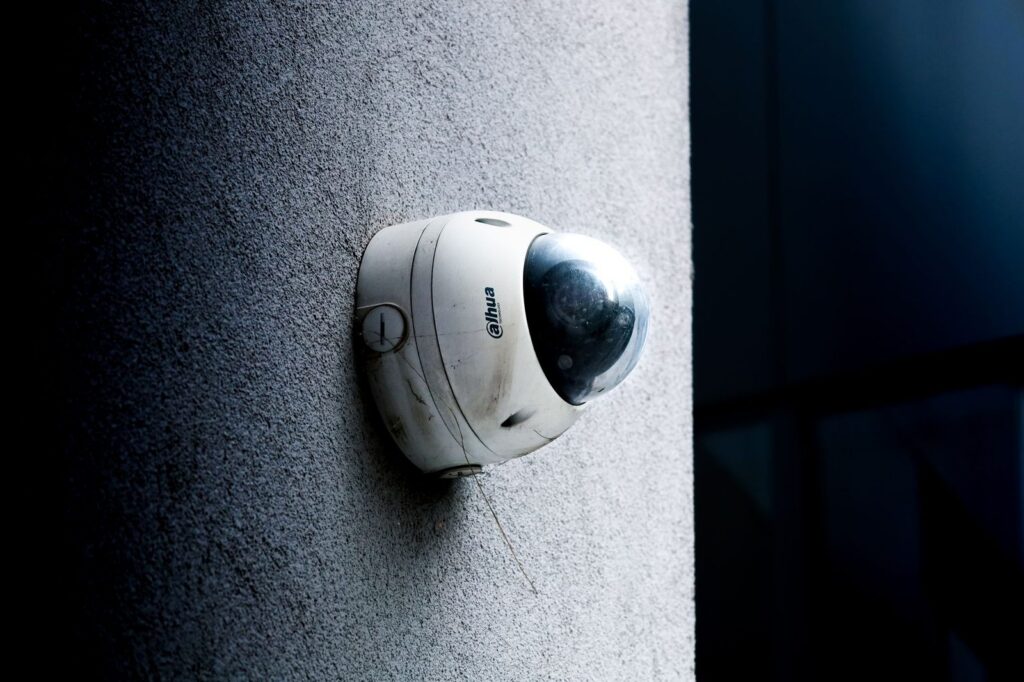
Not sure what your next step is?
Talk it through with our team — the first consultation is free, confidential, and carries no obligation.
What Happens Next
You have been through a traumatic event. The property owner’s failure to provide reasonable security made you vulnerable to serious harm. You deserve accountability and compensation for your injuries, your medical care, your lost time, and your pain.
The first step is a free, confidential conversation with an attorney who understands negligent security claims and has the experience to pursue them. During that call, you can describe what happened, ask questions, and learn what legal options are available.
If you were attacked on property where the owner failed to provide reasonable security, contact the firm today for a free case evaluation. People in your situation reach out regularly—and the firm is ready to listen and help you understand what accountability and compensation may be available.
Why Property Owners Can Be Held Responsible
Duty to Provide Reasonable Security
Apartment complex owners have a legal obligation to maintain basic security measures—working locks, gates, lighting, cameras, and security personnel—to protect residents and guests from foreseeable criminal acts.
Negligent Security Is a Legal Claim
When a property owner fails to provide reasonable security and someone is injured as a result, that failure may constitute negligence. This is separate from any criminal case against the attacker.
Your Injury Claim Is Independent
Whether or not the person who attacked you is caught or prosecuted, you can still pursue a civil claim against the property owner for their negligence in failing to prevent the attack.
We Understand What You're Going Through
Being attacked or injured on someone else's property is traumatic. Our focus is on holding negligent property owners accountable and helping you recover the compensation you deserve.
Common Negligent Security Scenarios
Broken Locks or Gates
Entrances that don't lock properly allow unauthorized people into the building or grounds, increasing the risk of assault or robbery.
Poor Lighting
Dark parking lots, stairwells, and common areas create opportunities for criminals. Adequate lighting is a basic security measure.
No Security Cameras or Guards
The absence of cameras or security personnel in high-risk areas like parking garages and entry points can enable criminal activity.
Known Prior Incidents Ignored
If the property owner knew about previous assaults, robberies, or attacks and failed to improve security, that negligence may be even clearer.
Important: Act Quickly
Time limits apply to filing a claim. Evidence—security footage, witness statements, incident reports, and police records—can disappear or become harder to obtain as time passes. Contact us as soon as possible to protect your rights.
Frequently Asked Questions
Will the criminal case affect my civil lawsuit?
No. The criminal case and your civil claim are separate legal proceedings. You can pursue both. The criminal case does not prevent you from suing the property owner for negligence.
What if I was partially at fault for being in the wrong place at the wrong time?
Under Florida's comparative-negligence rules, you may still recover even if you bear some responsibility. Your recovery may be reduced by your percentage of fault, but you are not automatically barred from a claim.
Do I need to report the incident to police first?
A police report strengthens your claim and creates an official record, but you can pursue a civil claim regardless. We can help you gather the evidence you need.
How much can I recover?
Compensation depends on the severity of your injuries, medical costs, lost income, pain and suffering, and other factors. We evaluate your case individually and pursue fair recovery on your behalf.
What We Do for Apartment Complex Assault Victims
Investigate the Property's Security History
We obtain security records, incident reports, prior complaints, and maintenance logs to show whether the property owner knew of risks and failed to act.
Gather Evidence and Witness Statements
We collect police reports, medical records, surveillance footage, and testimony from witnesses and expert witnesses to build a strong case.
Negotiate with Property Owner Insurance
We handle all communication with the property owner's insurance company to pursue a fair settlement on your behalf.
Handle Your Case from Start to Finish
If settlement negotiations don't resolve your claim, we are prepared to take your case to trial and advocate for you in court.