


Amputation & Limb Loss
Life After Amputation: Legal Help for Catastrophic Limb Loss
If you've lost a limb in a truck crash, negligent security incident, or other serious accident, you have rights. CHG Personal Injury Lawyers focuses exclusively on catastrophic amputation cases and fights to help you move forward.
By CHG Lawyers · Published August 21, 2026
Amputation and Limb Loss Injury Lawyer
Losing a limb is one of the most catastrophic injuries a person can survive. It changes everything—your mobility, independence, work, and identity. It happens in an instant.
If someone else’s negligence caused your amputation, you may have a legal claim. You can recover compensation for medical care, lost income, prosthetics, and the lasting impact on your life.
CHG Personal Injury Lawyers focuses exclusively on catastrophic injuries like amputation and limb loss. We handle these cases nationwide and work to recover the full damages you deserve.
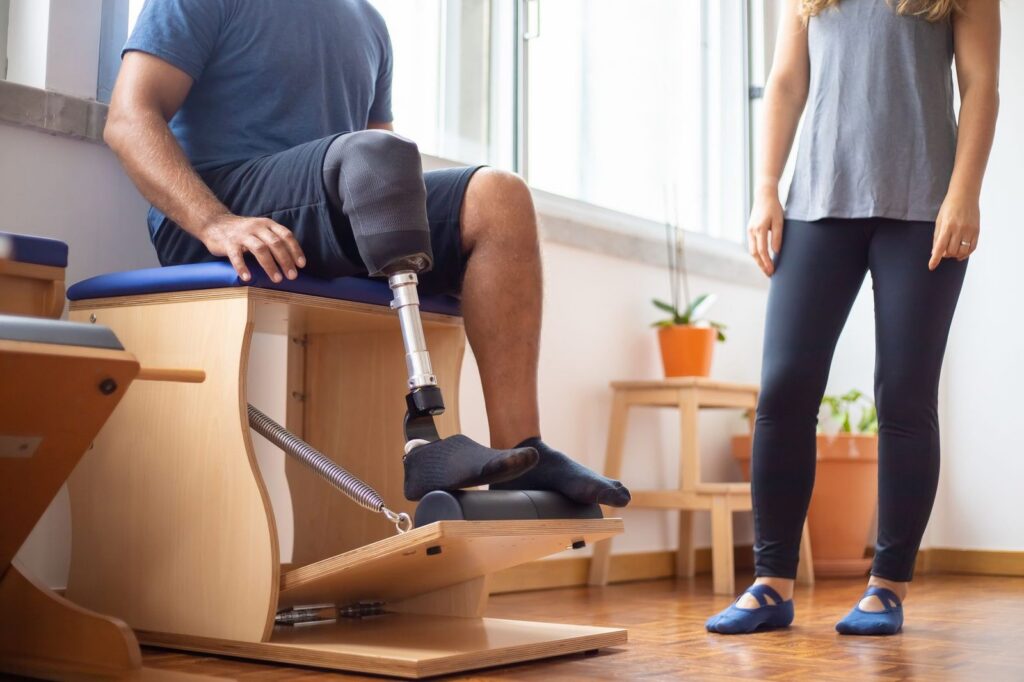
If you've lost a limb due to someone else's negligence, you may have a claim. Talk it through with our team — the first consultation is free, confidential, and carries no obligation.
What Is an Amputation or Limb Loss Injury Claim?
An amputation and limb loss claim is a lawsuit against the person or entity responsible for the accident or negligence that caused you to lose a limb.
Amputation falls into two categories:
Traumatic amputation is the sudden loss of a limb, finger, toe, or extremity due to an accident. Truck crashes, machinery entanglement, and violent assaults cause traumatic amputation.
Surgical amputation is the removal of a limb by a surgeon. Medical errors, infection, or preventable complications often lead to surgical amputation.
Either way, amputation and limb loss is permanent and life-altering. It affects your ability to work, care for yourself, move, and participate in activities you once enjoyed. The legal claim seeks compensation from the person or organization whose negligence caused it.
Common Causes of Amputation Injuries
Amputation and limb loss injuries arise from many types of accidents:
- Truck accidents: High-impact collisions and underride crashes cause severe limb trauma.
- Workplace accidents: Machinery and unsafe conditions cause crushing or severing injuries. Workers’ compensation may apply, but third-party claims may also exist.
- Negligent security: Assault or violent attack on an unsafe property where the owner failed to provide reasonable security—working locks, lighting, cameras, or guards.
- Medical errors: Surgical mistakes, failure to diagnose infection or compartment syndrome, or improper wound care leading to necessary amputation.
- Motor vehicle accidents: Motorcycle crashes, car collisions, and rideshare accidents cause limb-threatening injuries.
- Severe burns: Extensive thermal injuries that require amputation.
- Crush injuries: From falling objects, machinery, or structural collapse.
What Does an Amputation Injury Claim Cover?
Amputation and limb loss claims are comprehensive because the injury is catastrophic and lifelong. Your claim can recover:
Medical expenses: Emergency surgery, hospitalization, prosthetic fitting, ongoing prosthetic replacement (typically every 3–5 years), physical therapy, occupational therapy, and mental health counseling.
Lost income: Wages lost during recovery and ongoing lost earning capacity if you cannot return to your previous job.
Pain and suffering: Compensation for physical pain, emotional trauma, loss of enjoyment of life, and permanent disability.
Assistive devices and home modifications: Wheelchairs, mobility aids, home accessibility renovations, and vehicle modifications.
Future care costs: Lifetime medical and rehabilitation needs, prosthetic updates, and ongoing therapy.
Wrongful death damages: If the amputation injury was fatal, your family may recover funeral costs, lost financial support, and loss of companionship.
How Much Compensation Do You Get for Losing a Limb?
There is no fixed formula because every case is unique. Compensation depends on:
- Which limb: Loss of a leg affects mobility more severely than loss of a finger. Loss of your dominant hand is valued higher than loss of the non-dominant hand.
- Your age and work history: A 35-year-old construction worker loses more earning capacity than a 70-year-old retiree.
- Ability to return to work: Can you do your old job with a prosthetic? Must you retrain?
- Quality of prosthetics available: Advanced prosthetics are expensive and may not be fully covered by insurance.
- Extent of ongoing medical care: Some amputees need frequent therapy; others need less.
- Liability and insurance: The defendant’s liability insurance and assets limit recovery.
Economic damages are calculable: medical bills, lost wages, future care costs. These are supported by evidence—receipts, pay stubs, and expert testimony.
Non-economic damages cover pain, suffering, loss of function, emotional trauma, and loss of enjoyment of life. These are substantial in amputation cases because the injury is permanent and fundamentally changes your life.
Punitive damages may be available in cases of gross negligence or intentional wrongdoing. These are designed to punish the defendant and deter similar conduct.
Not sure what your next step is?
Talk it through with our team — the first consultation is free, confidential, and carries no obligation.
Does Losing a Limb Count as a Disability?
Yes—amputation is a permanent disability recognized by the Social Security Administration, the Americans with Disabilities Act (ADA), and state disability programs.
You may qualify for Social Security Disability Insurance (SSDI) if you cannot work due to your amputation. Once approved, you receive monthly benefits.
If you are a veteran, the Veterans Administration (VA) may provide disability compensation and prosthetic care.
State vocational rehabilitation programs offer job training, assistive technology, and support to help you return to work.
The ADA protects you from discrimination and requires your employer to provide reasonable accommodations.
Important: Pursuing a personal injury claim does not disqualify you from disability benefits. You can pursue both.
How Long Does Recovery Take After Amputation?
Recovery from amputation is a long process:
Immediate recovery (weeks to months): Hospital stay, wound healing, initial prosthetic fitting, and basic physical therapy.
Prosthetic training (months): Learning to use your prosthetic, building strength and balance, and adjusting to new mobility.
Ongoing rehabilitation (months to years): Physical therapy, occupational therapy, psychological counseling, and return-to-work programs continue as you adapt.
Lifetime adjustment: Prosthetics require replacement every 3–5 years as your body changes. Your needs evolve with age and activity level.
Psychological recovery: Grief, trauma, and adjustment to permanent disability often take longer than physical healing. Mental health support is essential.
Why this matters: the longer and more intensive your recovery, the higher your medical costs and lost income—all recoverable damages.
How the Amputation Injury Claim Process Works
Here’s what to expect:
Step 1 – Free case evaluation: You contact the firm, describe the accident and your injury, and speak with an attorney at no cost. There’s no obligation.
Step 2 – Investigation: The firm gathers evidence—accident reports, medical records, witness statements, photos, and expert opinions—to establish liability and damages.
Step 3 – Demand and negotiation: The firm sends a detailed demand letter to the defendant’s insurance company backed by evidence. Negotiations may resolve the case without court.
Step 4 – Lawsuit filing (if needed): If settlement talks stall, the firm files a complaint in court and begins discovery.
Step 5 – Discovery: Both sides exchange evidence, take depositions, and prepare expert reports.
Step 6 – Mediation or trial: Many cases settle during mediation. If not, the case goes to trial before a judge or jury.
Step 7 – Settlement or judgment: You receive compensation by agreement or court order.
Timeline: Simple cases may settle in 6–12 months. Complex cases can take 2–4 years or longer.
Why CHG Personal Injury Lawyers for Your Amputation Claim
Exclusive focus on catastrophic injury: The firm focuses exclusively on life-altering injuries like spinal cord injury, traumatic brain injury, severe burns, and amputation and limb loss—not minor claims. This depth of focus means we understand the medical, financial, and emotional complexity of your injury.
Nationwide reach: While based in Florida, we handle amputation cases across the United States.
Licensed attorneys: All attorneys are licensed in Florida and admitted to the Florida Bar.
Deep experience with amputation cases: We understand the long-term needs of amputees and the damages they deserve.
Relationships with medical experts: We work with orthopedic surgeons, prosthetics specialists, vocational rehabilitation experts, and life-care planners to build strong claims.
No upfront attorney’s fee: We work on contingency. You pay no attorney’s fee unless we recover compensation for you. Clients may still be responsible for certain case costs, which we explain upfront.
Bilingual support: English and Spanish-language resources for clients and families.
Have questions about what happened?
Ask our team directly. The first conversation is free, confidential, and there is no obligation to continue.
Frequently Asked Questions
Q: Can I sue if my amputation was caused by a workplace accident?
Workplace injuries are typically covered by workers’ compensation. However, if a third party caused the accident, you may have a separate personal injury claim.
Q: What if I was partially at fault for the accident?
Florida follows comparative negligence rules. Even if you were partly at fault, you may still recover damages, reduced by your percentage of fault.
Q: How do I know if I have a valid claim?
You need to show that someone else was negligent, that their actions caused your amputation, and that you suffered damages. The firm’s free evaluation will determine if you have a claim.
Q: What if the defendant has no insurance?
The firm will investigate all potential sources of recovery, including the defendant’s personal assets and other liable parties.
Q: Can I still pursue a claim if I’ve already settled with insurance?
It depends on the terms of your settlement. The firm can review any agreement you’ve signed and advise you on your options.
Q: How much will the firm charge me?
The firm works on contingency—you pay a percentage of the recovery only if the firm wins or settles your case. There are no upfront fees.
What to Do Right Now
- Seek immediate medical care: Get emergency treatment and ongoing medical evaluation.
- Document everything: Keep all medical records, bills, accident reports, photos, and witness contact information.
- Do not sign anything: Don’t sign a settlement or release from an insurance company without legal advice.
- Do not post on social media: Keep details of your injury private.
- Gather evidence: Collect photos of the accident scene, your injuries, your prosthetics, and any home or vehicle modifications.
- Write down your story: Document how the amputation has affected your daily life, work, relationships, and mental health.
- Contact the firm for a free case evaluation: The sooner you act, the sooner we can begin investigating and protecting your rights.
If you’ve lost a limb due to someone else’s negligence, you may have a claim. Contact CHG Personal Injury Lawyers for a free case evaluation.
Why Choose CHG for Your Amputation Claim
Focused on Catastrophic Cases
We focus exclusively on life-altering injuries—amputation, spinal cord injury, traumatic brain injury, and severe burns. We understand the permanent impact limb loss has on your body, your work, and your family.
Comprehensive Claim Support
Amputation claims involve medical evidence, prosthetic costs, lost wages, and long-term care needs. We handle the legal work so you can focus on recovery and rehabilitation.
National Reach, Local Knowledge
Based in Florida and licensed to practice there, we handle amputation cases nationwide—from truck accidents on interstate highways to negligent security incidents at properties across the country.
Empathetic, Plain-Language Guidance
We explain your rights and options in clear language, never legal jargon. You'll understand what we're doing and why, every step of the way.
Common Causes of Amputation We Handle
Truck Accidents
Collisions with commercial trucks can cause crushing injuries that result in amputation. We investigate driver negligence, equipment failure, and unsafe road conditions.
Negligent Security & Violent Crime
If you were attacked, shot, or assaulted on someone else's property—an apartment complex, parking garage, hotel, or business—and the owner failed to provide reasonable security, you may have a claim against them.
Rideshare Collisions
Serious crashes involving Uber or Lyft vehicles can cause amputation. We pursue claims against the rideshare company, other drivers, and liable third parties.
Other Serious Accidents
Machinery accidents, construction site injuries, burns, and other catastrophic incidents can lead to limb loss. We investigate all responsible parties.
Time Matters
Florida law sets strict deadlines for filing amputation and personal injury claims. The sooner you contact us, the sooner we can preserve evidence, interview witnesses, and begin building your case.
What to Expect in Your Amputation Claim
Investigation & Evidence
We gather accident reports, medical records, witness statements, and expert testimony to establish liability and the full scope of your injuries.
Damages You May Recover
Amputation claims include medical and surgical costs, prosthetic devices and ongoing care, lost wages and earning capacity, pain and suffering, and other losses tied to your permanent injury.
Settlement or Trial
We negotiate aggressively with insurers and defendants. If a fair settlement isn't reached, we're prepared to take your case to trial.
No Attorney’s Fees Unless There’s a Recovery
We work on a contingency basis—no attorney’s fees unless there is a recovery. You pay nothing upfront, and we only get paid if you do.