


Amputation & Limb Loss
Traumatic Amputation Injury Lawyers Fighting for Limb Loss Claims
When a preventable accident costs you a limb, you deserve compensation. CHG Personal Injury Lawyers focuses exclusively on catastrophic amputation cases nationwide—helping you and your family move forward.
By CHG Lawyers · Published September 20, 2026
Traumatic Amputation Injury Lawyers: Nationwide Representation for Limb Loss Claims
When you lose a limb in a serious accident, you face immediate trauma and surgery. Then comes a lifetime of medical care, prosthetic devices, rehabilitation, and major life changes. If someone else’s negligence or recklessness caused your amputation, you may have a legal claim for compensation. Our attorneys focus exclusively on catastrophic injury cases, including traumatic amputation injury claims. We represent victims nationwide on a contingency-fee basis—you pay nothing unless we recover money for you.
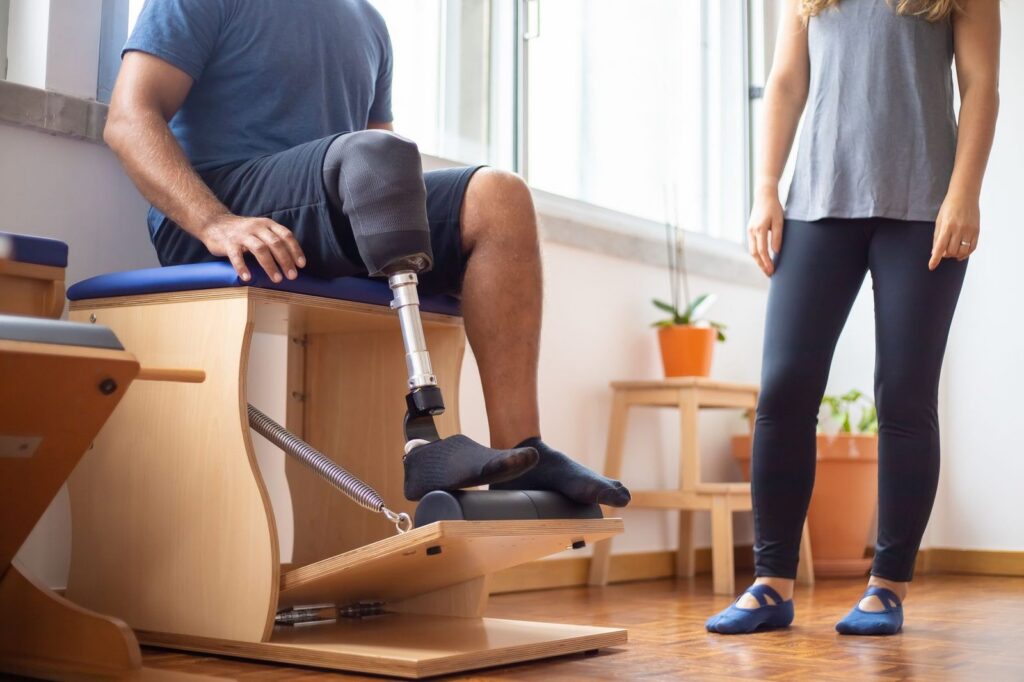
If you are an amputee facing recovery challenges, or a family member seeking justice and compensation for an injured loved one, we are here to help. Talk it through with our team — the first consultation is free, confidential, and carries no obligation.
Who This Service Is For
Our amputation injury representation is for people who have lost a limb (arm, leg, hand, foot, fingers, or toes) in a serious accident. If you are an amputee facing recovery challenges, or a family member seeking justice and compensation for an injured loved one, we are here to help. We handle amputation claims across the United States, not just in Florida.
What Our Traumatic Amputation Injury Service Covers
We represent victims of traumatic amputation caused by serious accidents and negligent conduct:
- Truck accidents: underride collisions, jackknife crashes, multi-vehicle pileups, and other commercial vehicle incidents that result in limb loss
- Negligent security incidents: assaults, violent crimes, shootings, or attacks on inadequately secured property (apartment complexes, parking garages, hotels, businesses, ATMs) where the property owner failed to provide reasonable security—working locks, adequate lighting, surveillance cameras, or security personnel
- Rideshare accidents: Uber and Lyft collisions that cause amputation injuries
- Workplace and construction accidents: machinery entanglement, crush injuries, electrocution, falls, and other on-the-job incidents
- Motor vehicle collisions: high-speed car crashes, motorcycle accidents, and ATV rollovers
- Medical negligence: surgical errors, improper care, or infection leading to necessary amputation
- Other serious accidents: maritime incidents, aviation crashes, drowning, jet ski collisions, and severe burns requiring amputation
- Wrongful death claims: when an amputation injury results in death
We work exclusively on contingency. You owe us nothing upfront and nothing unless we recover compensation for you. This aligns our incentives directly with maximizing your recovery.
What Compensation May Be Available in an Amputation Claim
Amputation is a catastrophic injury with lifelong consequences. Compensation in these claims typically includes:
- Medical expenses: emergency care, surgery, hospitalization, prosthetics, ongoing rehabilitation, and future medical treatment
- Lost income: wages lost during recovery and reduced earning capacity due to permanent limb loss
- Prosthetic and assistive device costs: artificial limbs, mobility aids, home modifications, and adaptive equipment
- Pain and suffering: compensation for physical pain, emotional trauma, and loss of quality of life
- Psychological and vocational counseling: therapy and retraining for new employment
- Wrongful death benefits: if the amputation injury resulted in death, compensation to surviving family members
- Punitive damages: in cases of gross negligence or intentional wrongdoing (available in some jurisdictions)
The total value of your claim depends on specific facts: which limb was lost, your age and occupation, the severity of other injuries, the at-fault party’s insurance coverage, and the strength of liability evidence.
How Much Is an Amputated Limb Worth?
There is no fixed “value” for a limb—each case is unique. Several factors significantly affect your claim’s worth:
Medical costs alone are substantial. A high-quality prosthetic leg typically costs between $20,000 and $100,000 or more. Many amputees require multiple replacements and upgrades throughout their lives. Advanced prosthetics with microprocessor-controlled knees or bionic hands can exceed $150,000. Rehabilitation, physical therapy, occupational therapy, and ongoing maintenance add tens of thousands more. Over a lifetime, prosthetic care and related medical expenses can add up substantially.
Lost earning capacity matters greatly. If you cannot return to your previous job, compensation reflects the difference between your pre-injury and post-injury earning potential. An amputation that ends a career—such as a construction worker, truck driver, or athlete—can mean decades of lost income and lost benefits.
Pain, suffering, and loss of quality of life are non-economic damages that vary widely. Juries and settlement negotiators consider your age, the limb lost (a dominant hand is often valued differently than a non-dominant foot), and the impact on your daily activities, relationships, and mental health. The psychological impact of amputation—depression, anxiety, post-traumatic stress, and loss of identity—is a significant component of your claim.
We pursue the compensation available under the law for your specific situation.
What Amputations Qualify for Disability Benefits?
Most traumatic amputations qualify for Social Security Disability Insurance (SSDI) as a “compassionate allowance” condition, which means faster approval. You may also be eligible for:
- Supplemental Security Income (SSI): available to low-income individuals with qualifying amputations
- Veterans’ benefits: if you are a veteran, the VA may provide disability compensation and prosthetic care
- Workers’ compensation: if your amputation occurred at work, you may be eligible for workers’ comp benefits (separate from a personal injury claim)
- State disability programs: some states offer additional disability support
Important: disability benefits and personal injury compensation are separate. You may be eligible for both. We help you understand your eligibility and coordinate your personal injury claim with disability applications so you receive all available support.
If you choose to work with us, we start investigation and evidence preservation right away. Talk it through with our team — the first consultation is free, confidential, and carries no obligation.
Can You Live a Long Life with an Amputated Limb?
Yes. Modern prosthetics, rehabilitation, and adaptive technology allow many amputees to live full, active lives. Amputation itself does not typically shorten lifespan; survival depends on overall health and the circumstances of the injury.
With proper medical care, prosthetic fitting, physical therapy, and psychological support, many amputees return to work, sports, and family activities. Specialized rehabilitation centers and therapists help amputees regain mobility and independence. Your compensation should cover the full cost of these services and devices so that financial barriers do not limit your recovery and quality of life.
Common Causes of Traumatic Amputation
Amputation injuries arise from many types of serious accidents. Understanding the cause matters because it determines who may be liable and what insurance or assets are available for recovery:
- Truck accidents: underride collisions (when a car slides under a truck’s trailer), jackknife crashes, and multi-vehicle pileups
- Workplace and construction incidents: machinery entanglement, crush injuries, electrocution, falls from height, and explosions
- Violent crime and assault: gunshot wounds, stabbing, or severe trauma on inadequately secured property
- Motor vehicle collisions: high-speed crashes, motorcycle accidents, and ATV rollovers
- Crush injuries: building collapses, vehicle entrapment, and heavy equipment accidents
- Thermal injuries: severe burns that require amputation
- Drowning and water accidents: jet ski collisions and maritime incidents
- Medical negligence: surgical errors, infection, or improper care leading to necessary amputation
Each cause may involve different liable parties and insurance coverage. We investigate thoroughly to identify all sources of compensation.
How Our Free Case Evaluation Works
When you contact us, here’s what to expect:
Step 1: Initial contact. Reach out by phone, online form, or in person. There is no obligation and no cost.
Step 2: Speak with a licensed attorney. You will talk directly with an attorney who will listen to your accident and injury story in plain language. We do not use jargon or rush you.
Step 3: We review the facts. We examine the accident circumstances, your medical records, and the parties involved to assess your claim’s strength.
Step 4: We explain your options. We tell you plainly what compensation may be available, what the process looks like, and what to expect next.
Step 5: We begin work immediately. If you choose to work with us, we start investigation and evidence preservation right away. Time matters in amputation claims.
Timeline: Most evaluations are completed within 24–48 hours. We move quickly because evidence can disappear and memories fade.
Why Choose Our Firm for Your Amputation Injury Case
- Licensed Florida attorneys with extensive experience in catastrophic injury claims, including amputation cases
- Nationwide representation: we handle amputation claims across the United States, not just in Florida
- Focused practice: we concentrate exclusively on serious, life-altering injuries—not routine or minor claims—so our resources and experience are devoted entirely to cases like yours
- Contingency-only representation: we work exclusively on contingency, eliminating financial barriers for injured clients and aligning our incentives directly with maximizing your recovery
- Bilingual support: English and Spanish-language resources serve our clients and their families, reflecting our commitment to accessibility for underrepresented communities
- Immediate availability: we accept new cases and begin work right away to preserve evidence and protect your rights
- Direct attorney access: you work with licensed attorneys from day one, not paralegals or case managers alone
Not sure what your next step is?
Talk it through with our team — the first consultation is free, confidential, and carries no obligation.
Frequently Asked Questions About Amputation Injury Claims
Q: How long do I have to file an amputation injury claim?
The statute of limitations varies by state and claim type. In Florida, the deadline is generally 2 years from the date the cause of action accrues for personal injury claims. We act quickly to preserve evidence and meet all deadlines.
Q: Can I pursue a claim if the accident was partly my fault?
Yes. Florida follows a modified comparative-negligence rule: you can recover damages even if you are partially at fault, as long as you are not more than 50% responsible for the injury. We evaluate your specific situation.
Q: What if the at-fault party has no insurance?
We explore uninsured and underinsured motorist coverage, your own insurance, and other sources of recovery.
Q: Do I have to go to trial?
Most amputation claims settle before trial, but we are prepared to litigate if necessary to obtain fair compensation.
Q: What if I cannot afford an attorney?
We work on contingency—you pay nothing upfront and nothing unless we recover money for you.
Q: Can I still pursue a claim if I have already received workers’ compensation or disability benefits?
Yes. These benefits are separate from a personal injury claim against a negligent third party. We help coordinate both so you receive all available support.
What Happens After You Contact Us
Once you reach out, we move quickly:
- Immediate response: we aim to speak with you within 24 hours
- Confidential consultation: your case details are protected by attorney-client privilege
- Investigation begins: we request medical records, accident reports, witness statements, and other evidence
- Liability assessment: we determine who is responsible and what insurance or assets are available
Why Choose CHG for Your Amputation Claim
Focused on Catastrophic Injury
We focus exclusively on life-altering injuries, including traumatic amputations and limb loss. We understand the medical, financial, and emotional weight of what you're facing.
Thorough Investigation & Evidence
We act quickly to preserve evidence, interview witnesses, and build a strong case. Every detail matters when liability and damages are on the line.
No Attorney’s Fees Unless There Is a Recovery
We work on contingency. You pay nothing upfront, and we only collect a fee if your case settles or goes to trial successfully.
National Reach, Local Knowledge
Types of Amputation Cases We Handle
Truck & Motor Vehicle Accidents
Catastrophic crashes involving commercial trucks, cars, motorcycles, and rideshare vehicles that result in traumatic limb loss.
Workplace & Construction Injuries
Amputations caused by defective machinery, negligent safety practices, or unsafe conditions on job sites and construction zones.
Negligent Security & Violent Crime
Assaults, shootings, and attacks on poorly secured properties—apartments, parking lots, hotels, businesses—where the owner failed to provide reasonable protection.
Medical Negligence & Surgical Errors
Unnecessary amputations or limb loss resulting from misdiagnosis, surgical mistakes, or failure to provide appropriate care.
Act Quickly to Preserve Your Claim
Evidence disappears, memories fade, and deadlines pass. The sooner you contact us, the sooner we can investigate, secure evidence, and protect your rights. Time is critical in amputation cases.
What Amputation Claims Cover
Medical & Rehabilitation Costs
Emergency surgery, hospitalization, prosthetics, physical therapy, and ongoing medical care—often spanning a lifetime.
Lost Income & Earning Capacity
Compensation for wages lost during recovery and reduced earning potential if you cannot return to your previous work.
Pain, Suffering & Emotional Trauma
Damages for physical pain, psychological impact, loss of enjoyment of life, and the adjustment to permanent disability.
Home & Vehicle Modifications
Costs to adapt your home and vehicle for accessibility and independence after limb loss.