

By Igor Hernandez, CHG Lawyers, Coral Gables, Florida
When an Injury Changes the Path Ahead: Understanding Delayed Amputation in Florida
Some injuries are first treated in ways that save a limb, and later the limb can no longer be saved. Here is what that can mean for you and your family, and how CHG Personal Injury Lawyers can help you understand your options.
About CHG Personal Injury Lawyers
Florida
Serving clients throughout Florida
Coral Gables
Florida office location
Igor Hernandez
Responsible attorney, Florida Bar member
By Igor Hernandez, CHG Lawyers, Coral Gables, Florida
A delayed amputation is the removal of a limb. It happens after the first treatment did not save the limb. An injury may first seem survivable. Later, tissue damage, infection, or blood flow problems can make the limb impossible to save.
Families may not expect this turn. This page explains how a delayed amputation happens. It also explains what a secondary amputation means. Finally, it covers how Florida filing deadlines and fault rules may apply. Each case depends on its own facts and medical records.
CHG Personal Injury Lawyers is a Florida firm with its office in Coral Gables, Florida. The firm serves people across Florida, including Miami, Orlando, Tampa, and Jacksonville. Igor Hernandez, a member of The Florida Bar, is the responsible lawyer for this page.
What is a delayed amputation after injury?
A delayed amputation is a limb removal. It happens after the initial injury care. The decision comes later, when the limb has gotten worse.
Whether a limb can be saved depends on many factors, including the nature of the injury and the medical records of each case. The first is the person’s medical condition. The second is the judgment of their doctors.
Doctors may first try to save a limb. They may use surgery, wound care, and rehabilitation. If those efforts do not work, amputation may become the medical answer. Follow your doctors’ care throughout this process.
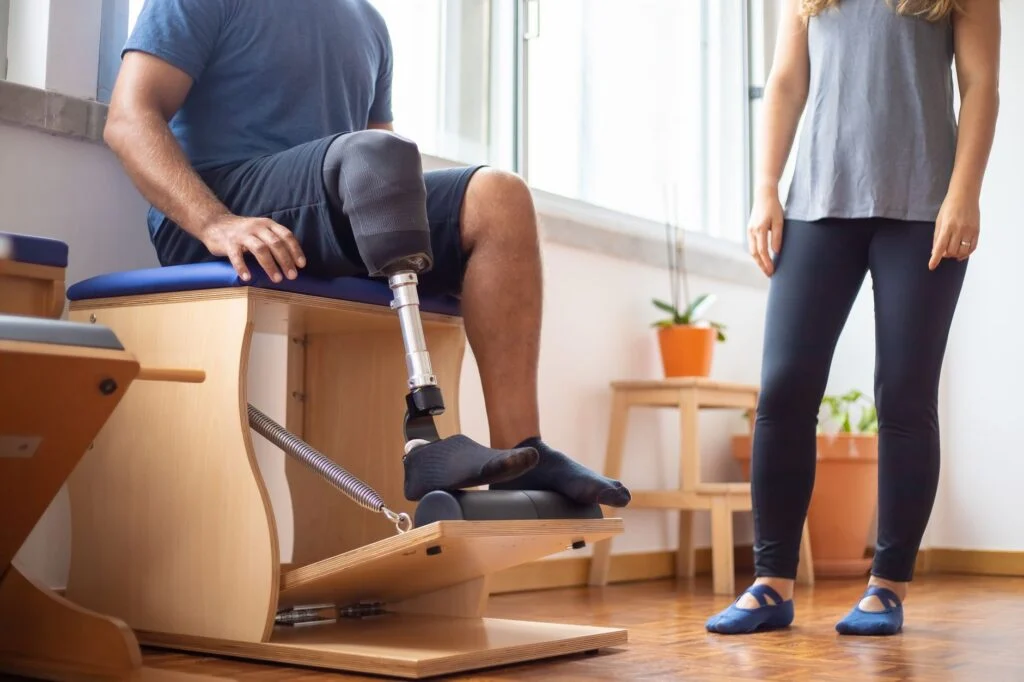
How an injury that seemed survivable can lead to limb loss
Several conditions may develop after a serious limb injury. Each one may affect the limb differently, and the effects depend on the medical records of each case.
Compartment syndrome
Compartment syndrome happens when swelling builds up inside a closed muscle space. The pressure can cut off blood flow to the muscle and nerves.
Mayo Clinic’s overview of compartment syndrome explains the condition and its symptoms. Whether delays in diagnosis or treatment affected what happens to the limb depends on the medical facts of each case. This depends on the facts of each case.
Infection
Wounds can become infected. Medical records show how an infection developed and how it was treated.
Blood vessel damage
Chronic pain
The National Institute of Neurological Disorders and Stroke provides information on complex regional pain syndrome (CRPS).
CRPS can involve lasting pain, swelling, and changes in skin color or temperature. Whether CRPS affects a particular person’s limb depends on that person’s medical course.
Crush injuries are one way serious limb damage can occur.
What is a secondary amputation?
Whether a second amputation is needed depends on the person’s medical records.
Why delayed amputation weighs so heavily on families
A person may go through several surgeries and long rehabilitation. They may also hope for months that the limb can be saved. When amputation becomes the answer, the loss can feel sudden. But the path to that point was long.
Families also face questions about work, daily life, and prosthetic rehabilitation. Prosthetic rehabilitation is a medical process. Its needs depend on each person’s condition and care plan.
Florida filing deadlines and fault rules
Florida sets filing deadlines in its statutes. The right deadline depends on the type of claim. Review dates early.
Deadlines for medical malpractice
If amputation followed medical care, a different timing rule may apply. Under Florida’s limitations statute, § 95.11, the time to bring a medical malpractice claim is generally two years, measured from when the incident occurred or was, or reasonably should have been, discovered. Before a lawsuit may be filed, chapter 766 of the Florida Statutes generally requires a presuit investigation and a notice of intent to the prospective defendant under § 766.106, and that notice may toll the limitations period for a time. Other conditions, exceptions and outer time limits may apply, depending on the facts of each case.
The 2 years run from when the incident occurred. They also run from when it was discovered. They further run from when it should have been discovered with due diligence.
The action generally cannot start later than 4 years from the incident. Exceptions apply. These include certain minors. Some situations involving fraud or concealment extend the period.
Deadlines for other injury claims
Other injury claims follow different timing rules in § 95.11 and related law. Under § 95.031, Florida law generally starts the filing period when the cause of action accrues.
Accrual is when the last element of the cause of action occurs. Applying this rule to a specific case is a fact-based question.
Because these rules are technical, contact CHG Personal Injury Lawyers promptly. Your dates can then be reviewed.
How fault can reduce recovery
Florida uses comparative fault. Under Florida’s comparative fault statute, § 768.81, a claimant’s share of fault may reduce the amount awarded, depending on the facts of each case and the statute’s limits.
Contributory fault is the injured person’s share of blame. The reduction matches that share.
Under Fla. Stat. § 768.81(6), in negligence actions generally filed after March 24, 2023, a claimant found more than 50% at fault generally may not recover damages. This bar does not apply to medical negligence actions under chapter 766, and how it applies depends on the facts of each case and Florida law. How fault is assessed depends on the facts of each case.
Practical steps for families
Keep copies of medical records, bills, and discharge papers. Write down dates and changes in the injured person’s condition. These records may be relevant to showing what happened and when, depending on the facts of each case.
Frequently asked questions
What is a delayed amputation?
A delayed amputation is the removal of a limb. It happens after the first treatment, when the limb can no longer be saved. Whether it applies to a given injury depends on medical records.
Can an injury that did not need immediate amputation still lead to amputation later?
Yes, it can. This depends on the person’s medical course and their doctors’ judgment.
What is a secondary amputation?
A secondary amputation is a later surgery. It removes a different limb or a higher level of the same limb. It can follow complications from the first amputation.
Does every delayed amputation lead to a lawsuit?
No. Whether a claim exists depends on the facts, the medical records, and applicable Florida law. Talk with CHG about delayed amputation after injury to review your situation.
Does fault affect recovery in Florida?
Yes. Under Florida’s comparative fault statute, Fla. Stat. § 768.81(2), an award may be reduced in proportion to the injured person’s share of fault, and how this applies depends on the facts of each case and applicable Florida law.
If a serious limb injury has your family facing an amputation decision, contact CHG Personal Injury Lawyers. Our team is ready to talk through your situation. CHG charges no attorney’s fees and no case costs unless there is a recovery.
How CHG Can Help Your Family
Reviewing the medical records
Whether a claim exists depends on the facts, the medical records, and applicable Florida law. We look at the records with you so you understand what they show.
Following your doctors' care
Medical decisions belong to you and your doctors. Nothing on this page replaces their advice, and we encourage you to follow their care plan.
Acting on time
Deadlines may apply to injury claims in Florida, and they depend on the type of claim and the facts of each case. Contacting us early helps us review your situation promptly.
Supporting the whole family
A serious injury affects everyone at home. We focus on the family's questions, from medical costs to daily life, and on what each person can do next.
Do not wait to ask questions
Deadlines may apply, and each case depends on its own facts.
Key Questions for Families
What is a delayed amputation?
It is the removal of a limb that takes place after the first treatment, when the limb can no longer be saved. Whether it applies to a given injury depends on medical records.
Why the medical timeline matters
The sequence of care, from the accident to later surgeries, is documented in the medical records. Those records help determine what happened and whether a claim exists.
What we can do together
We explain the process, gather the records, and answer your questions in plain language. Every case is different, and no result can be guaranteed.