
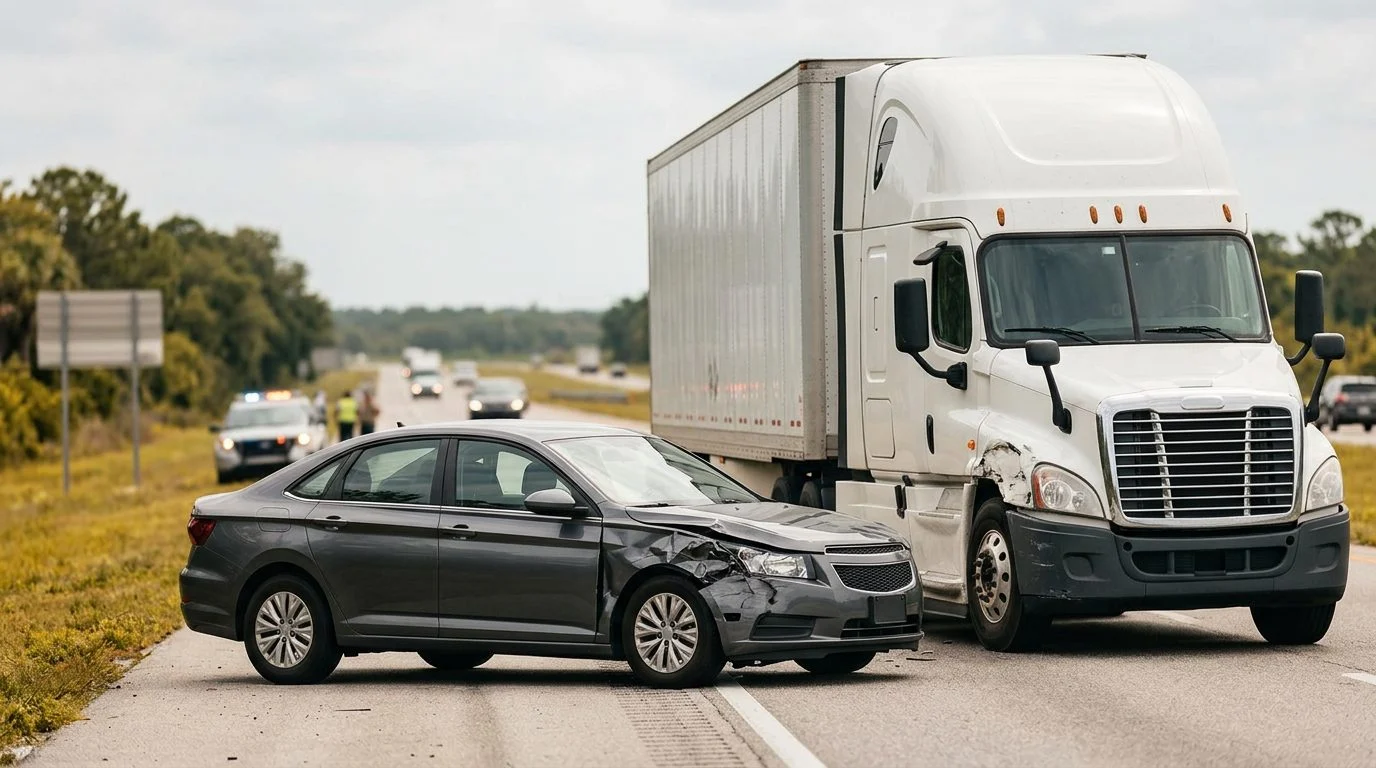
Amazon Truck Accidents | Serving Florida
What Is an Amazon Truck Accident Case Worth in Florida?
Every settlement depends on the facts of your crash, the harm to your body and finances, and who may share responsibility. Here is how to think it through.
By CHG Lawyers · Published November 10, 2026
An Amazon truck accident settlement value in Florida is not one fixed number. It depends on four things. It depends on how you were hurt. It depends on what the crash cost you. It depends on how clearly fault can be shown. It also depends on how much insurance is available.
This guide explains each factor in plain language. It also shows what to gather and what to ask.
Why No One Can Name a Single Number for an Amazon Truck Claim
No honest answer gives one figure for every Amazon truck claim. Online averages and headline settlements describe other cases. Those cases had other injuries, other proof, and other insurance. They do not predict what your claim may be worth.
A claim’s value is built from three things:
- Documented losses. These include bills, lost pay, and the lasting effects of an injury.
- Evidence. This shows who caused the crash.
- Insurance. This is the coverage available to pay.
The sections below walk through each one.
If an Amazon van or truck hit you or someone you love in Florida, our team can talk through what your losses may mean in a free, confidential consultation. Talk it through with our team — the first consultation is free, confidential, and carries no obligation.
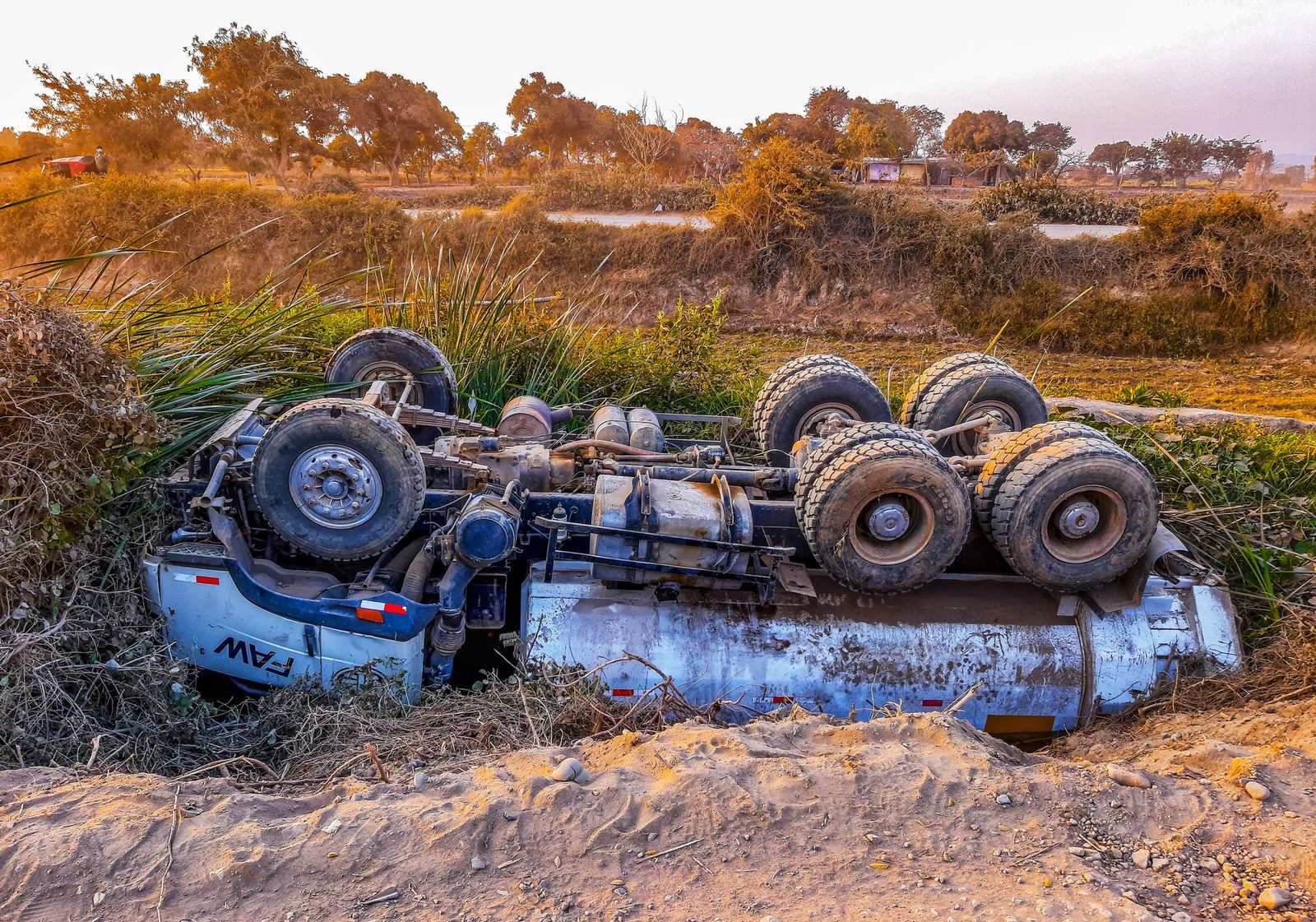
Who May Be Responsible After an Amazon Delivery Crash
More than one party may be responsible after an Amazon delivery crash. Many delivery vans and trucks are run by contracted delivery companies. The driver’s employer, the vehicle’s owner, and others may each be relevant.
Federal law addresses carriers that run vehicles they do not own. 49 U.S.C. § 14102 can require a carrier using leased vehicles to control and be responsible for operating them, as if it owned them. Who controlled the driver, the vehicle, and the delivery schedule matters a great deal.
Other possible defendants include a maintenance contractor or a maker of a defective part. This applies where the facts support that claim. Commercial trucking policies can carry different limits than personal auto coverage. That makes the insurance question an early one to answer.
Economic Losses a Claim May Cover
Economic losses are money costs of the crash. You can prove them with bills, pay records, and receipts.
Florida’s definition covers past and future lost income. It also covers medical and funeral expenses, and lost support and services. It covers other economic losses caused by the injury, under Fla. Stat. § 768.81.
Common economic losses include:
- Past and future medical care, such as emergency treatment, surgery, rehabilitation, medication, and equipment.
- Lost wages now, and lost earning ability later when an injury is permanent.
- Costs such as travel to appointments, home changes, or in-home help.
- Damage to your vehicle and personal property can be claimed as economic loss, measured by the replacement value of lost personal property.
Medical bills follow special rules. It also looks at what your health coverage would pay, if you have health care coverage but obtained treatment under a letter of protection or otherwise did not submit charges to that coverage, under Fla. Stat. § 768.0427.
If you treated under a letter of protection, you must disclose it as a condition precedent to asserting any claim for medical expenses for that treatment, and that arrangement can be raised as evidence. A letter of protection is a promise to be paid from any recovery. Who referred you can also be raised.
Health coverage can also affect the final number. Under Fla. Stat. § 768.76, a court reduces an award by certain payments from other sources. Payments that carry a reimbursement right are not subtracted.
Pain, Suffering, and the Losses Families Carry
Non-economic losses are harms that do not come with a bill. They include physical pain, emotional distress, scarring, and loss of the activities that made daily life full.
Catastrophic injuries often bring the largest of these losses. A spinal cord injury, paralysis, a traumatic brain injury, an amputation, or a severe burn can change work, relationships, and independence for years. Medical records that show the full picture help explain those effects. Follow your doctors’ care. Their records are part of the proof.
When a crash is fatal, Florida’s wrongful death law lists what survivors may recover. See Fla. Stat. § 768.21.
- A surviving spouse may recover for lost companionship and protection, and for mental pain and suffering.
- Minor children may recover for lost parental companionship, instruction, and guidance.
- Each parent of a deceased minor child may recover for mental pain and suffering.
- A survivor who paid medical or funeral bills may recover those costs.
Families in this position carry grief and hard paperwork at the same time. Getting the records in order early lets the family focus on each other.
Factors That Move the Value of a Claim Up or Down
Medical proof, consistent care, and clear fault evidence shape a claim’s value most. Each factor can push a claim in either direction.
- Severity and permanence. Medical records must link the injury to the crash. Gaps in treatment can be used to challenge that link.
- Liability evidence. Electronic logging device data, dispatch and route records, dashcam footage, and maintenance logs can show what happened. Under 49 C.F.R. § 395.8, motor carriers must require drivers to use an electronic logging device (ELD) to record driver duty status, though they may require manual records instead in certain cases. Carriers must also keep those records for at least six months from receipt.
- Shared fault. Under § 768.81, your share of fault reduces your award, and if you are found more than 50 percent at fault for your own harm, you may not recover any damages.
- Multiple defendants. In a negligence action, Florida courts enter judgment against each liable party by its percentage of fault. The law does not apply joint and several liability in that step, under § 768.81(3).
- Pre-existing conditions. A defense may argue an older injury caused part of the harm. Clear records help separate old problems from new ones.
Florida Rules and Deadlines That Shape a Claim
Florida generally gives two years to file a lawsuit based on negligence (Fla. Stat. § 95.11(5)(a)). A share of fault can also cut what you recover.
Under Fla. Stat. § 95.11(5)(a), an action founded on negligence must be started within two years. Deadlines apply to every case. Waiting until treatment ends can use up time you need. Contact a lawyer promptly.
Florida’s comparative fault rule works in two steps:
- Under § 768.81(2), your fault share reduces the award. It does not bar recovery.
- Under § 768.81, in a negligence action to which this section applies, any party found to be greater than 50 percent at fault for his or her own harm may not recover any damages. This rule does not apply to an action based upon an intentional tort, to an action to recover actual economic damages resulting from pollution, to any cause of action where joint and several liability is specifically provided by chapter 403, chapter 498, chapter 517, chapter 542, or chapter 895, or to an action for personal injury or wrongful death arising out of medical negligence under chapter 766.
Not sure what your next step is?
Talk it through with our team — the first consultation is free, confidential, and carries no obligation.
What to Expect From Start to Finish
A claim usually starts with a free, confidential first consultation. It then moves through evidence, valuation, a demand, and a lawsuit only if one is needed. Timing varies. No result or timeline can be promised.
- Consultation. We review the crash, your injuries, and any contact from insurers. The first consultation carries no obligation to continue.
- Preserve evidence. Vehicle data, photos, witness names, and medical records are gathered early, before they are lost. Drivers must submit their duty-status records to the motor carrier within 13 days of the 24-hour period they cover, so speed matters.
- Investigation and valuation. We document medical care. We measure economic and non-economic losses.
- Demand and negotiation. A written demand goes to the responsible parties and their insurers. Negotiation follows.
- Lawsuit, if needed. If a fair resolution is not reached, a case can be filed in Florida courts within the deadlines above.
Why CHG Personal Injury Lawyers Handles These Claims
CHG Personal Injury Lawyers is a Florida-based firm. It focuses on personal injury cases of every severity. These range from everyday crashes to catastrophic injuries and wrongful death.
Igor Hernandez is the responsible attorney for this page. Our attorneys are admitted to The Florida Bar. Our team serves clients throughout Florida, including Miami, Orlando, Tampa, and Jacksonville.
The firm publishes educational content in English and Spanish. Families can read this guidance in either language. CHG charges no attorney’s fees and no case costs unless there is a recovery.
Frequently Asked Questions About Amazon Truck Claim Value
How much of a $50,000 settlement would I keep?
Your net amount depends on repayment claims from health providers or insurers. Those parties can seek reimbursement from a recovery. The amount you keep can be smaller than the headline number.
Can you sue Amazon after a delivery truck crash?
Possibly. Whether Amazon can be a defendant depends on who controlled the driver, the vehicle, and the delivery arrangement.
How much can I sue for pain and suffering in Florida?
No single number applies. Value reflects injury severity, medical proof, and how clearly the losses are shown.
What is the average settlement against a semi truck?
Averages vary widely with injury type and evidence. An average from other cases does not predict the value of your claim.

Talk With Our Team About Your Amazon Delivery Truck Crash
If an Amazon van or truck hit you or someone in your family, you may be weighing whether your losses justify a claim. A conversation can bring clarity. Prompt contact also helps preserve evidence and protects the deadlines described above.
Reach out for a free, confidential first consultation, with no obligation to continue, through our contact page.
Why Injured Floridians Contact CHG
Florida-Based Firm
CHG Personal Injury Lawyers represents people hurt in accidents throughout Florida, from Miami and Hialeah to Orlando, Tampa and Jacksonville.
Licensed Attorneys
Our attorneys are licensed and admitted to practice law in Florida, including admission to The Florida Bar.
Free First Consultation
Your initial consultation is free, confidential and comes with no obligation to continue.
No Fees Unless There Is a Recovery
CHG charges no attorney's fees and no case costs unless there is a recovery.
Do Not Wait to Get Help
Injury claims in Florida are subject to filing deadlines, and evidence from a truck crash, such as driver logs, vehicle data and camera footage, can be difficult to preserve over time. Contact the firm as soon as possible after a crash, and follow your doctors' care.
What Shapes the Value of an Amazon Truck Claim
The Severity of Your Injuries
Serious harm such as spinal cord injuries, traumatic brain injuries or amputations often involves long treatment and lasting limitations, which affects how a claim is evaluated.
Medical Bills and Future Care
Past medical costs are only part of the picture. Future treatment, rehabilitation and equipment needs are also documented and reviewed.
Lost Income and Earning Ability
Time away from work and any reduced ability to earn over the years ahead are important parts of many claims.
Who May Be Responsible
Depending on the crash, responsibility may involve the driver, the trucking company, a contractor, or another party. Identifying every potentially responsible party matters.
Talk With a Florida Injury Lawyer About Your Amazon Truck Crash
Related practice areas
- Spinal Cord Injuries
- FedEx Truck Accidents Coral Springs: Your Rights
- FedEx Truck Accidents Opa-locka: What to Do Next