
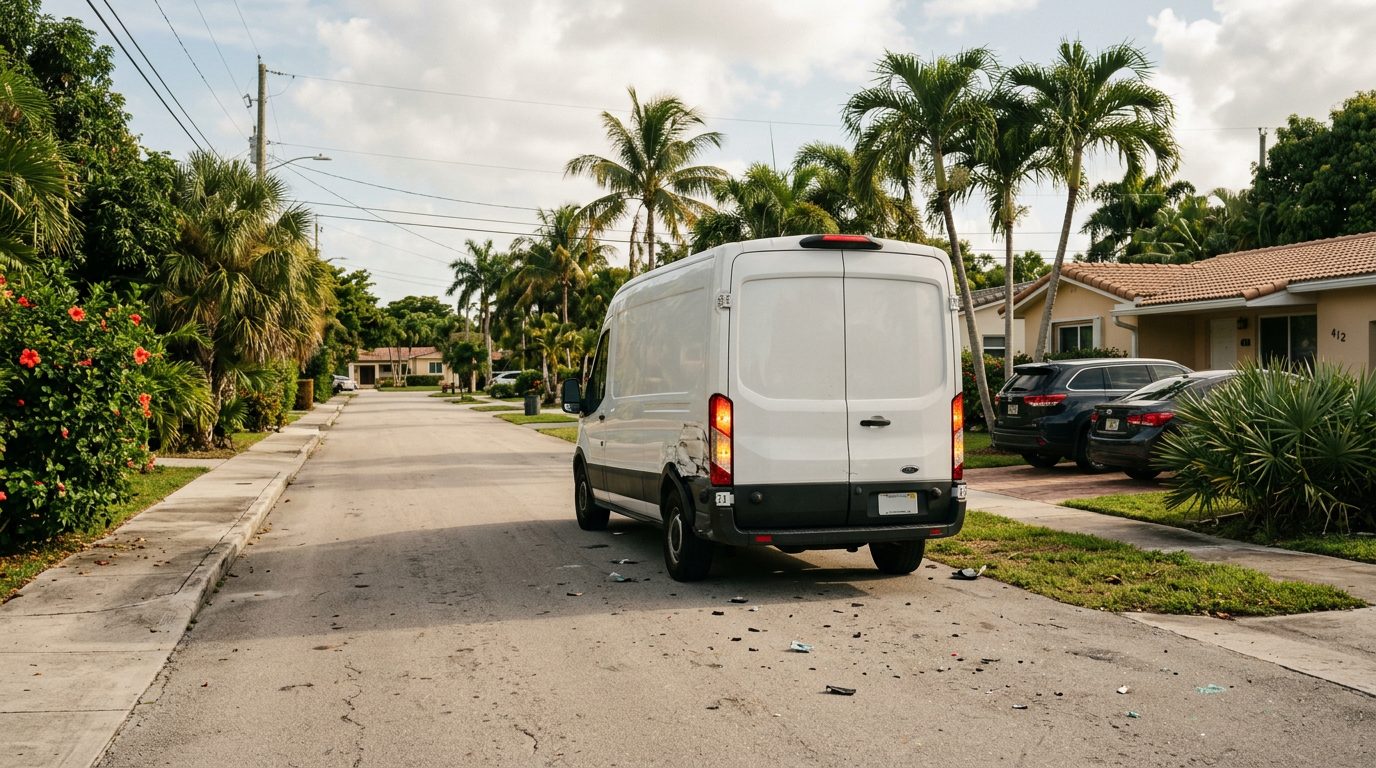
Florida Personal Injury | Amazon Delivery Crashes
Hurt in a Crash With an Amazon Delivery Vehicle? Know Your Insurance Options
Delivery drivers often work for contractors, not Amazon directly, and several insurance policies can come into play after a crash.
By CHG Lawyers · Published November 11, 2026
If an Amazon delivery van or a car carrying Amazon packages hurt you or someone you love, the first question is usually who pays. Amazon delivery contractor insurance coverage for an accident can come from more than one policy, including the driver’s own auto policy and a delivery company’s commercial policy.
Which policy applies depends on who was driving, who hired them, and who owned the vehicle. This guide explains those layers, Florida’s key deadlines, and the steps that help protect a claim.
Who Drives for Amazon and Why It Changes Your Claim
Amazon deliveries are made by several different groups, and each group can bring a different insurance policy into play. Amazon Flex drivers are app-based contractors who usually use their own cars or vans. Delivery Service Partners (DSPs) are separate businesses that run delivery routes and employ drivers, usually in branded vans.
Three roles can belong to three different people or businesses: the driver, the company that hired or contracted them, and the owner of the vehicle. Each one can change which insurer is responsible.
Look for clues at the scene. A company name or logo on the van, the driver’s app status, and the name of the driver’s employer can all point to the right insurer. Take photos so you don’t lose these details.
If an Amazon delivery van or a contractor's vehicle left you or someone you love hurt, you may have a claim, and our team can help you find out which insurer must respond. Talk it through with our team — the first consultation is free, confidential, and carries no obligation.
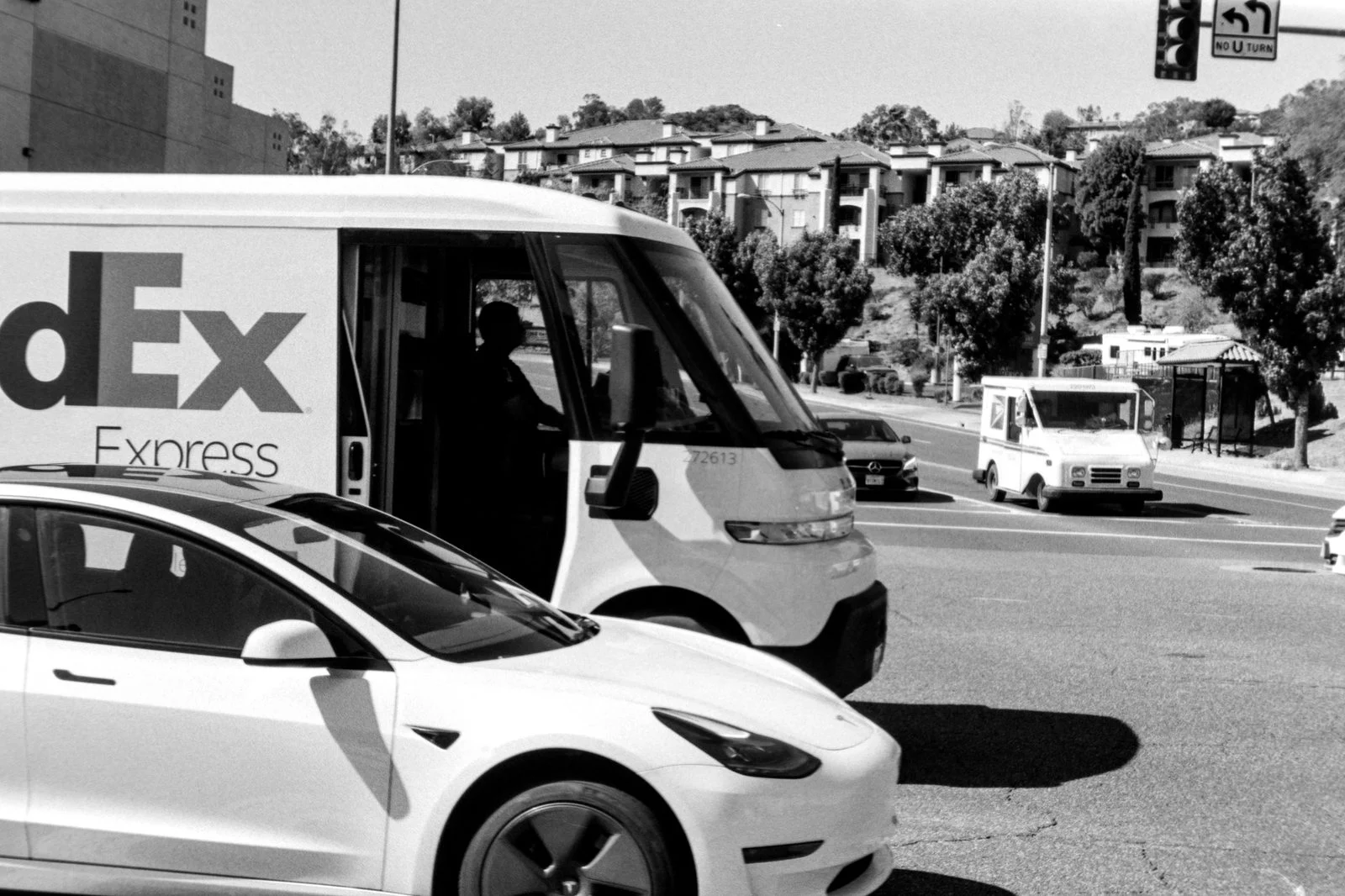
The Insurance Layers That May Apply After an Amazon Delivery Crash
Several insurance layers may apply after one crash, and they can overlap, conflict, or leave gaps. Each layer depends on the policy’s wording and the facts of the trip.
- The driver’s personal auto policy. It may respond to a crash. But personal policies can exclude vehicles used for deliveries or other paid work.
- The delivery company’s commercial auto policy. A DSP or other delivery business may carry commercial auto insurance for its vehicles and drivers. That policy’s terms decide what it covers.
- Coverage tied to Amazon’s Flex program. Some Flex trips may fall under coverage arranged for active deliveries. Whether it applies depends on the policy and the facts of that trip, so don’t assume it does without a review.
- The vehicle owner. Florida’s dangerous instrumentality doctrine can make an owner strictly responsible when the owner voluntarily lets someone else drive. The Florida Supreme Court described this rule, adopted in 1920, in Aurbach v. Gallina.
Statutes and later cases limit this rule. For example, under Fla. Stat. § 324.021, a lessor under a lease of one year or longer is not deemed the owner for determining financial responsibility for the vehicle’s operation or the operator’s acts, so long as the lease requires the lessee to carry the insurance the statute lists and that insurance is in effect.
Because several policies may respond, insurers may each point to another. Finding every layer early matters.
What Coverage Typically Includes and Florida’s Minimum Requirements
Florida’s minimum rules require a vehicle owner or operator to be able to pay at least $10,000 for property damage in any one crash. That minimum can be far below the cost of a serious injury. The statute, Fla. Stat. § 324.022, also allows a policy with at least $30,000 in combined bodily injury and property damage coverage for one crash.
Common coverage types include:
- Bodily injury liability. It pays injured people when the driver is at fault, up to the policy limit.
- Property damage liability. It pays for damage to other vehicles, property, and structures.
- Personal injury protection (PIP). Florida’s required vehicle security, described in Fla. Stat. § 627.733, must provide the benefits in ss. 627.730 through 627.7405, which may be cited as the Florida Motor Vehicle No-Fault Law. That group includes PIP.
- Uninsured and underinsured motorist coverage. It may apply when the at-fault driver has no insurance or not enough. Florida law sets rules for uninsured and underinsured motorist coverage.
Florida also limits pain and suffering claims after a crash. Under Florida law, those damages are available only when the injury includes significant and permanent loss of an important bodily function, permanent injury within a reasonable degree of medical probability other than scarring or disfigurement, significant and permanent scarring or disfigurement, or death.
Spinal cord injuries, traumatic brain injuries, amputations, and wrongful death can meet these tests. Lifelong care and a family’s losses can also exceed the available policy limits.
Common Coverage Gaps and Insurer Objections
The most common dispute asks whether the driver was on an active delivery when the crash happened. Insurers often check whether the driver was logged into the app, on a route, or off duty.
Other common objections include:
- Personal policy exclusions. A personal policy may deny coverage for vehicles used for deliveries or other paid work.
- Finger-pointing. One insurer may say the DSP, the contractor, or the vehicle owner is responsible.
- Limits that are too low. A serious injury may exceed the available limits, so every policy must be found before any settlement.
Florida gives you a tool to find those policies. Under Fla. Stat. § 627.4137, each liability insurer must provide a sworn statement within 30 days of a claimant’s written request. That statement lists the insurer, each insured, the limits, any coverage defense, and a copy of the policy.
You can request sworn coverage information from the other driver’s insurer under Fla. Stat. § 627.4137; the insurer must provide it within 30 days of your written request. Under Fla. Stat. § 627.4136, a person who is not an insured under the policy must first obtain a settlement or verdict against the insured before suing the liability insurer. Evidence such as app records, dashcam video, and delivery logs can disappear, so prompt investigation helps.
How an Amazon Delivery Crash Claim Works, Step by Step
A claim usually moves from medical care and evidence gathering to a demand for payment and negotiation. A lawsuit comes only if it’s needed. Timelines vary with the facts and the insurers involved.
- Get medical care now. Follow your doctors’ instructions. Your medical records also document how the injury happened.
- Document the scene if it’s safe. Photograph the vehicles, any Amazon or DSP markings, and the driver’s details.
- Get the crash report. Under Fla. Stat. § 316.066, a long-form report must be submitted within 10 days after an investigation of a crash involving injury. It lists the parties and their insurance companies.
- Speak with an attorney before any recorded statement. Insurers may ask for statements early. A statement given too soon can shape how coverage is handled.
- Identify every policy. The firm can request insurance and app-related records and evaluate which coverage may apply.
- Negotiate, and sue if needed. Many claims resolve in negotiation. If they don’t, a lawsuit in Florida court may follow.
Florida generally gives two years to file a negligence lawsuit under Fla. Stat. § 95.11. Fault also matters. Under Fla. Stat. § 768.81, in a negligence action to which this section applies, a party found more than 50 percent at fault for their own harm may not recover any damages. This rule does not apply to an action for personal injury or wrongful death arising out of medical negligence under chapter 766. Except as otherwise expressly provided in this act, this act shall apply to causes of action filed after the effective date of this act, under Ch. 2023-15, Laws of Fla..
Why Clients Contact CHG Personal Injury Lawyers
CHG Personal Injury Lawyers is a Florida-based firm that handles car and truck crash claims, including Amazon truck accidents and FedEx truck accidents.
- Igor Hernandez is the responsible attorney for this page. The firm’s attorneys are admitted to The Florida Bar.
- The firm focuses on car and truck crash claims, where more than one insurer often becomes involved.
- The firm represents people throughout Florida, including in Miami, Orlando, Tampa, and Jacksonville.
- Our team can handle contact with insurers so you can focus on your recovery.
- This guidance is published in English and Spanish.
CHG charges no attorney’s fees and no case costs unless there is a recovery. The first consultation is free, confidential, and comes with no obligation to continue.
Not sure what your next step is?
Talk it through with our team — the first consultation is free, confidential, and carries no obligation.
Frequently Asked Questions About Amazon Delivery Crash Insurance in Florida
Can I make a claim if an Amazon delivery van hit me?
You may have a claim against more than one party. Who is responsible depends on who hired the driver and who owned the vehicle.
Does my own auto insurance pay?
It may. Your own PIP and uninsured motorist coverage may apply, and the at-fault driver’s policy may be a separate source.
Do I have to talk to the driver’s insurer?
Speak with an attorney before giving any recorded statement. Early statements can affect how your claim is handled.
What if the driver says they were off the app?
App logs and delivery records are often central to coverage disputes. They help show what the driver was doing at the time of the crash.
What should a family do after a fatal crash?
Under Florida’s wrongful death law, a person whose wrongful act, negligence, default, or breach of contract or warranty causes a death can be liable for damages, as the law specifies. Deadlines apply, so families should contact a lawyer promptly.
Talk With a Florida Attorney About Your Amazon Delivery Crash
If an Amazon delivery van or a contractor’s vehicle left you or a loved one hurt, you may need to know which insurer must pay. Contact CHG Personal Injury Lawyers to have our team review the crash details, identify the policies that may apply, and explain Florida’s deadlines in plain language.
How We Help Florida Families After a Delivery Vehicle Crash
Identifying Every Potential Source of Coverage
A delivery crash can involve the driver's policy, the contractor's commercial coverage, the vehicle owner's policy, and your own auto coverage. We look at all of them.
Organizing the Records
Crash reports, delivery route information, photos, and medical records can all matter. We help gather and preserve them while you focus on recovery.
Handling Insurance Communications
Adjusters may contact you quickly. We can manage communications with insurers so you do not have to navigate them alone.
Keeping Your Recovery First
Serious injuries can change daily life. We work to understand what your family has lost and what the road ahead looks like.
Think Before You Speak to an Insurer
An insurance representative may ask for a recorded statement or a quick settlement soon after a crash. Speaking with a lawyer before giving a statement or signing any paperwork can help protect your position. Always follow your doctors' care.
Steps to Take After a Delivery Vehicle Crash
Get Medical Care
Seek prompt evaluation, even if injuries seem minor at first. Keep every appointment and follow your doctors' instructions.
Document the Scene
If you are able, note the vehicle's company name, the driver's details, the time, and the location. Photos of the vehicles and roadway are helpful.
Keep Your Records
Save medical bills, receipts for expenses, and any letters from insurers. Keep a simple journal of how the injury affects your daily life.
Reach Out for a Consultation
Our team can review your situation, explain possible sources of coverage, and answer your questions at no cost to begin.