

Airplane Crash Wrongful Death
Answers and Accountability When You've Lost a Loved One
When a plane crash takes someone you love, you deserve to know what happened and to hold those responsible accountable. We help grieving families pursue wrongful death claims arising from aviation accidents and guide them through every step.
By CHG Lawyers · Published September 01, 2026
Airplane Crash Wrongful Death Lawyer: Answers and Accountability for Grieving Families
When a loved one dies in an airplane crash, your world stops. You face overwhelming grief, urgent practical questions, and the weight of decisions you never expected to make. You deserve answers about what happened, accountability from those responsible, and the resources your family needs to move forward.
We handle the legal complexity—investigation, evidence preservation, negotiation with airlines and manufacturers—so your family can grieve without the added burden of navigating federal aviation law, insurance claims, and courtroom procedures.
Not sure what your next step is?
Talk it through with our team — the first consultation is free, confidential, and carries no obligation.
Your Immediate Needs: What Happens Now
The first days and weeks after an airplane crash are chaotic. Here’s what matters most:
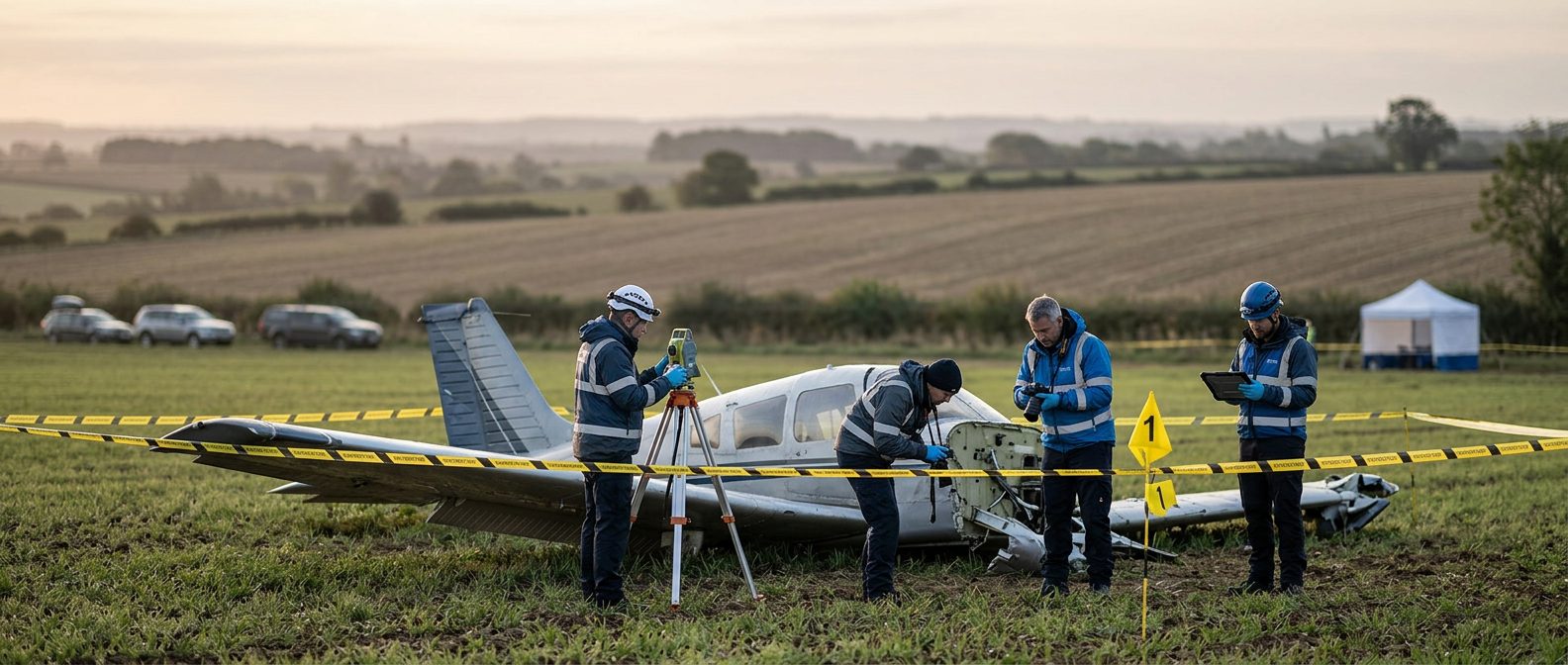
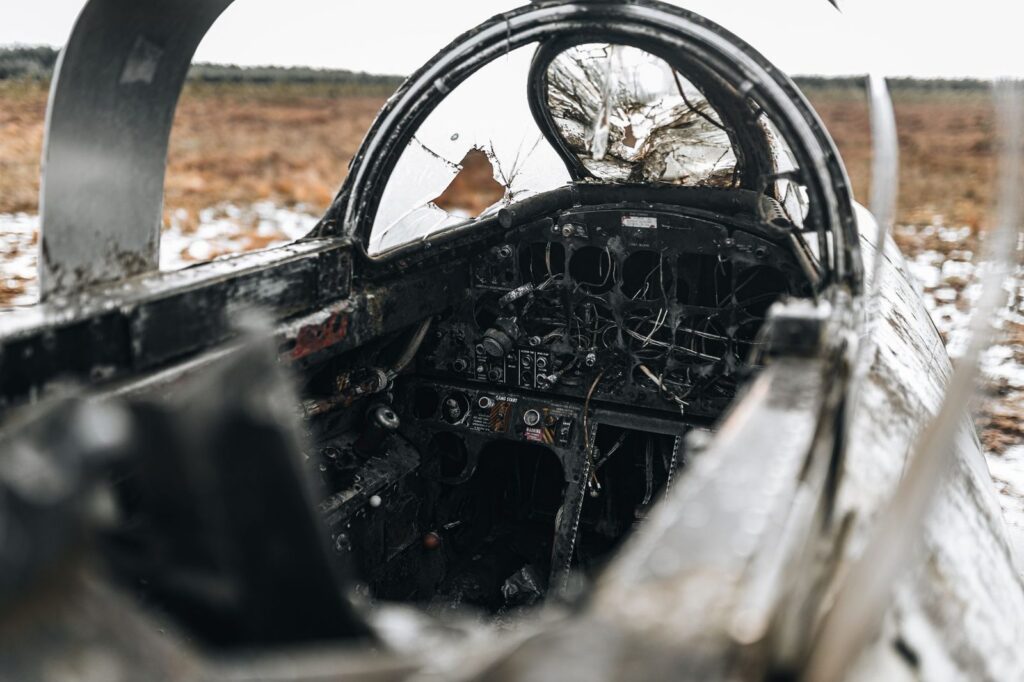
Preserve evidence. The wreckage, flight data, maintenance records, and communications are critical. The National Transportation Safety Board (NTSB) begins its investigation immediately, but your attorney must also act quickly to secure evidence, prevent spoliation, and protect your family’s legal rights.
Gather documentation. Collect tickets, travel records, identification documents, and any communications related to the flight. These become part of your claim.
Consult an attorney immediately. Statutes of limitations apply. In Florida, wrongful death claims must generally be filed within two years from the date of death. Other states have different deadlines. Waiting costs you time and leverage.
Do not speak with insurers or defendants without counsel. Anything you say can be used against your claim. Let your attorney handle all communications.
Understanding Wrongful Death in Aviation: The Legal Framework
A wrongful death claim arises when someone dies because of another party’s negligence, recklessness, or misconduct. In aviation, this means the crash resulted from a preventable failure—not an unavoidable accident.
Who can file? State law determines priority. In Florida, the wrongful-death claim is filed by the personal representative of the estate on behalf of the survivors, such as the spouse, children and parents (Fla. Stat. § 768.20). Your attorney will clarify your standing based on your relationship to the deceased and applicable law.
Who can be held liable? Aviation accidents often involve multiple responsible parties:
- The airline or aircraft operator – for negligent maintenance, inadequate crew training, or operational failures
- Aircraft manufacturers (Boeing, Airbus, Embraer, Bombardier) – for design defects or manufacturing flaws
- Component manufacturers – engines, avionics systems, hydraulics, landing gear
- Maintenance and repair contractors – for negligent service or failure to identify defects
- Pilots and crew members – for error, fatigue, inadequate training, or safety violations
- Air traffic control facilities – for miscommunication, failure to warn, or procedural errors
- Charter operators or fractional ownership programs – subject to different liability rules than commercial carriers
- Third parties – fuel suppliers, catering companies, or others whose negligence contributed
Your attorney investigates all potential defendants to maximize your family’s recovery.
What Caused the Crash? Common Liability Scenarios
The NTSB investigates every civil aviation accident and publishes a detailed report identifying probable cause.
Mechanical and maintenance failures: Defective parts, inadequate inspections, deferred maintenance, or failure to comply with manufacturer service bulletins. Airlines are required to maintain aircraft to strict standards; failure to do so creates liability.
Pilot error and training deficiencies: Inadequate training, fatigue, poor decision-making, violation of procedures, or failure to respond appropriately to emergencies. Pilots must meet strict medical and proficiency standards; airlines must ensure proper training and rest.
Design and manufacturing defects: Flawed design, defective components, or manufacturing errors that make the aircraft unsafe. Manufacturers have a duty to design and produce safe aircraft and to warn of known hazards.
Air traffic control errors: Miscommunication, failure to provide required separation between aircraft, failure to warn of hazards, or procedural violations by controllers.
Weather-related negligence: Failure to divert, delay, or cancel a flight despite severe weather warnings; failure to brief pilots on conditions; or operation beyond the aircraft’s capabilities. Weather alone does not eliminate liability if the crew failed to respond appropriately.
Security and sabotage: Inadequate screening, security failures, or negligent handling of dangerous goods.
What Damages Can Your Family Recover?
Wrongful death damages compensate your family for the loss. Recoverable damages may include:
Economic damages (calculable financial losses): – Loss of the deceased’s earnings from the date of injury to the date of death – Medical expenses incurred before death – Funeral, burial, and memorial costs – Cost of care the deceased would have provided to dependents (childcare, elder care, household services) – Loss of benefits (health insurance, retirement contributions, life insurance proceeds that would have been available to the family)
Non-economic damages (losses that cannot be reduced to a dollar amount): – Loss of companionship, guidance, advice, and emotional support – Loss of consortium (the spousal relationship, including intimacy and partnership) – Loss of parental guidance and instruction – Mental anguish and grief of surviving family members
Punitive damages (in cases of gross negligence or willful misconduct): When a defendant’s conduct was reckless, willful, or grossly negligent—not merely negligent—a jury may award punitive damages to punish the defendant and deter similar conduct. In aviation cases, this kind of conduct can include deferred maintenance, deliberate safety violations, or knowing operation of defective aircraft.
How Much Is Your Case Worth? Honest Answers to Hard Questions
Families ask: “How much can we recover?” The answer depends on the specific facts, evidence, and circumstances of your case. We cannot guarantee a result, but we can explain the factors that influence value:
The deceased’s earning capacity and age: A 35-year-old professional earning $150,000 annually has greater lost-earnings value than a 70-year-old retiree. Courts calculate lost wages based on life expectancy, inflation, and earning potential.
Spouse and dependent status: A deceased parent supporting minor children creates substantial damages for loss of financial support and parental guidance. A spouse’s loss of consortium is also significant.
The degree of negligence: Clear, gross negligence or willful misconduct supports higher damages and punitive awards. Ambiguous liability results in lower settlements.
Insurance coverage and defendant assets: Commercial airlines carry substantial insurance (often $300 million or more in liability coverage). Private operators may carry less. Defendant assets and insurance limits affect the practical recovery available.
Strength of evidence: Clear NTSB findings, expert analysis, and documented negligence strengthen your position and increase settlement value. Disputed causation or liability reduces leverage.
Number of victims: Commercial airline crashes involve multiple victims and families. Settlements are often distributed among claimants, though total recovery may be substantial due to the defendants’ resources.
Comparable cases: Settlements and jury verdicts in aviation wrongful death cases vary widely—from hundreds of thousands to tens of millions of dollars, depending on the factors above. Your attorney will research comparable cases to establish realistic expectations.
An experienced attorney will evaluate all damages to build a complete picture of your family’s loss and pursue fair compensation. We focus on maximizing recovery through thorough investigation, expert analysis, and skilled negotiation.
Have questions about what happened?
Ask our team directly. The first conversation is free, confidential, and there is no obligation to continue.
Will Your Case Go to Trial? Settlement vs. Litigation
Many wrongful death cases settle before trial. Some proceed to trial or arbitration.
Settlement advantages: – Faster resolution (typically 1–3 years vs. 3–5+ years for trial) – Certainty of outcome – Reduced costs and attorney time – Privacy (settlements are confidential; trials are public)
Trial advantages: – Jury may award more than settlement offers – Opportunity to hold defendants publicly accountable – Punitive damages available (not always in settlement)
Factors affecting settlement likelihood: – Clarity of liability (clear negligence favors settlement) – Strength of damages evidence – Insurance coverage and defendant resources – Defendants’ litigation strategy and risk tolerance – Your family’s goals and timeline
Your attorney will advise based on the evidence and your family’s priorities. We negotiate aggressively to achieve the best outcome, whether that’s a favorable settlement or a strong jury verdict.
Real Questions Families Ask
Q: What if the airline declares bankruptcy? Bankruptcy does not eliminate your claim. You file a claim in the bankruptcy proceeding and compete with other creditors for recovery. Bankruptcy law provides procedures to protect creditors’ rights. An experienced attorney navigates this complex process and protects your family’s interests.
Q: My loved one was on a charter flight. Are the rules different? Yes. Charter operators (including fractional ownership programs like NetJets) are subject to different liability standards and insurance requirements than commercial airlines. Charter flights may have lower insurance limits, and liability rules vary by state. An attorney can explain your specific rights and the recovery available.
Q: What if weather caused the crash? Weather alone does not eliminate liability. If the airline or pilot failed to respond appropriately—by diverting, delaying, or canceling the flight; by ignoring severe weather warnings; or by operating beyond the aircraft’s capabilities—they may be liable. The crew’s response to weather conditions is often the key to liability.
Q: How long will this take? Wrongful death aviation cases typically take 1–3 years to settle, or 3–5+ years if trial is necessary. Complex cases involving multiple defendants, technical disputes, or international law may take longer. Early settlement is possible if liability is clear and insurance coverage is adequate. Your attorney will provide a realistic timeline based on the specific facts.
Q: How likely am I to win? We cannot predict the outcome of any individual case. However, thorough investigation, expert analysis, and skilled advocacy significantly improve your family’s chances of recovery. Clear NTSB findings, documented negligence, and strong damages evidence support successful claims. We focus on building the strongest possible case by preserving evidence, retaining leading experts, and negotiating aggressively.
Q: Do I need an attorney, or can I handle this myself? Aviation wrongful death claims are complex. They involve federal regulations, international treaties, technical evidence, multiple defendants with sophisticated legal teams, and substantial sums. An experienced attorney maximizes your recovery, protects your rights, and handles the legal burden so your family can grieve. Attempting to navigate this alone puts your claim at serious risk.
Why Our Firm Focuses Exclusively on Catastrophic Injury and Wrongful Death
Aviation law is specialized. It involves federal regulations, international treaties, complex technical evidence, and defendants with substantial resources and legal teams.
An attorney who focuses exclusively on catastrophic injury and wrongful death claims brings:
- A focus on aviation law and federal regulations – Federal Aviation Regulations (FARs), National Transportation Safety Board procedures, and international aviation standards
- Understanding of statute of limitations and procedural rules across jurisdictions – we protect your rights nationwide
We represent families nationwide, which means we have the resources, expertise, and expert networks to pursue claims wherever the crash occurred.
How We Help Your Family Move Forward
Our approach centers on your family’s needs—answers, accountability, and resources to rebuild.
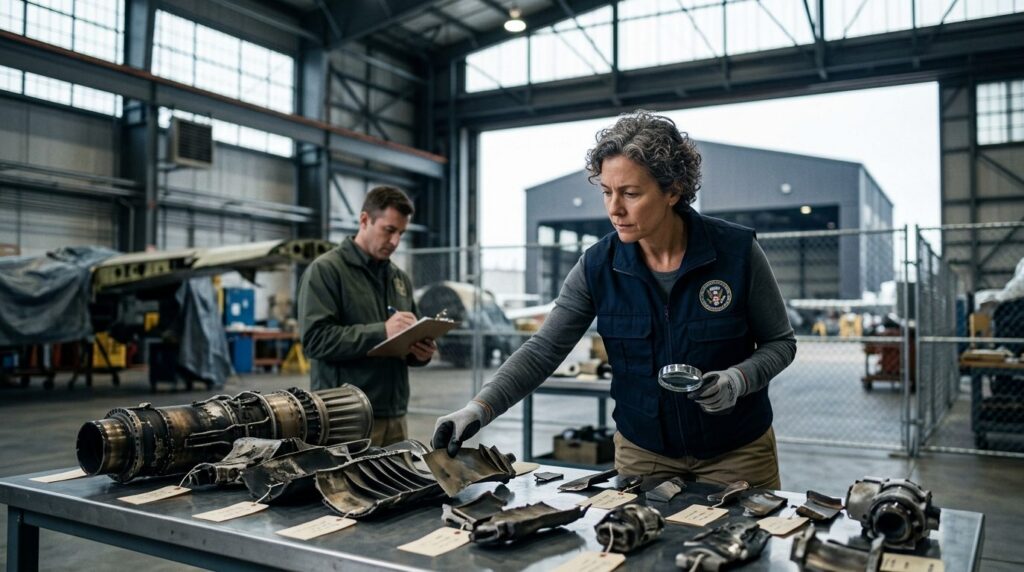
Thorough investigation: We obtain NTSB reports, maintenance records, pilot qualifications and training files, weather data, air traffic control communications, and expert analysis. We preserve evidence and identify all liable parties.
Expert collaboration: We work with leading aviation engineers, accident reconstructionists, pilots, medical specialists, and economists to build a complete picture of what happened and the damages your family suffered.
Identifying all liable parties: Airlines, manufacturers, maintenance contractors, air traffic control facilities, and others—we pursue every responsible party to maximize your recovery.
Pursuing maximum compensation: We calculate economic and non-economic damages, pursue punitive damages where appropriate, and negotiate aggressively with defendants and their insurers.
Handling the complexity so you can grieve: Aviation wrongful death claims involve federal law, technical evidence, and sophisticated defendants. We handle this burden so your family can focus on healing and moving forward.
Want to know where you stand?
Tell us what happened and our team will walk you through the options available to you, at no cost.
Get Help Now
If your family has lost a loved one in an airplane crash, you have the right to answers, accountability, and compensation. Time is critical—evidence must be preserved, and statutes of limitations apply.
Contact us today for a free, confidential case evaluation. We will listen to your story, explain your legal options, and answer your questions—with no obligation. We represent families nationwide, and we’re here to help yours.
How We Help Families After an Aviation Disaster
Complete Investigation
We preserve and analyze evidence, obtain crash reports, and work with aviation specialists to determine what caused the accident and who bears responsibility.
Navigate Complex Claims
Aviation wrongful death cases involve federal regulations, airline liability, manufacturer defects, and international law. We handle the legal complexity so you can focus on your family.
Negotiate on Your Behalf
We engage with airlines, manufacturers, insurers, and other defendants to pursue fair compensation for your loss, medical expenses, and the future your loved one will not have.
Compassionate Guidance
We understand the trauma of sudden loss. We communicate clearly, answer your questions, and keep you informed throughout the process.
What Happens in an Aviation Wrongful Death Case
Investigation & Evidence
We obtain the National Transportation Safety Board (NTSB) report, flight data, maintenance records, and expert analysis to establish what happened and why.
Identify Liability
Responsibility may rest with the airline, aircraft manufacturer, maintenance provider, air traffic control, or other parties. We determine who is accountable.
Build Your Claim
We document your losses—funeral and medical expenses, lost income, and the irreplaceable value of your loved one—and present a compelling case for compensation.
Pursue Recovery
We negotiate with insurers and defendants, and if necessary, litigate to recover the compensation your family deserves.
Time Matters in Aviation Cases
Aviation wrongful death claims are subject to strict legal deadlines and procedural rules. Evidence must be preserved quickly, and claims must be filed within specific timeframes. The sooner you reach out, the sooner we can protect your rights and begin the investigation.