
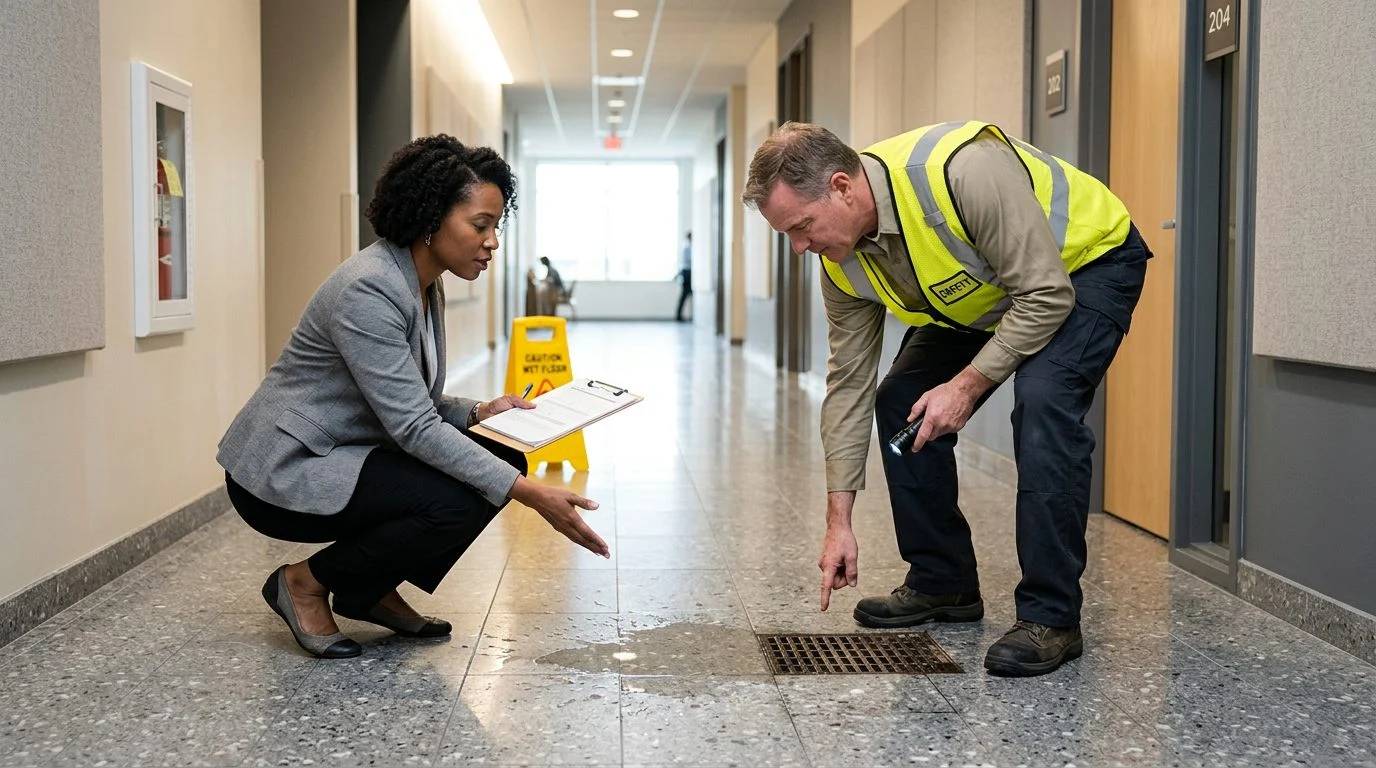
Slip and Fall | Serving Florida
Slipped and Fell in Florida? Here Is What to Do Next
A fall can cause injuries that change your life. Our Florida personal injury attorneys explain your options in plain language and help you decide your next step.
Why Injured Floridians Contact Us
Florida
Based in Florida, serving clients throughout the state
Free
Confidential first consultation with no obligation to continue
Licensed
Attorneys admitted to The Florida Bar
By CHG Lawyers · Published October 21, 2026
Florida Slip and Fall Lawyer: What to Do After a Fall on Someone Else’s Property
If you fell on someone else’s property in Florida and got hurt, you may have a claim against the property owner. A claim is possible when the owner failed to keep the area reasonably safe and that failure led to your injury. This guide explains how these claims work, how fault is shown, Florida’s filing deadline, and what to do next.
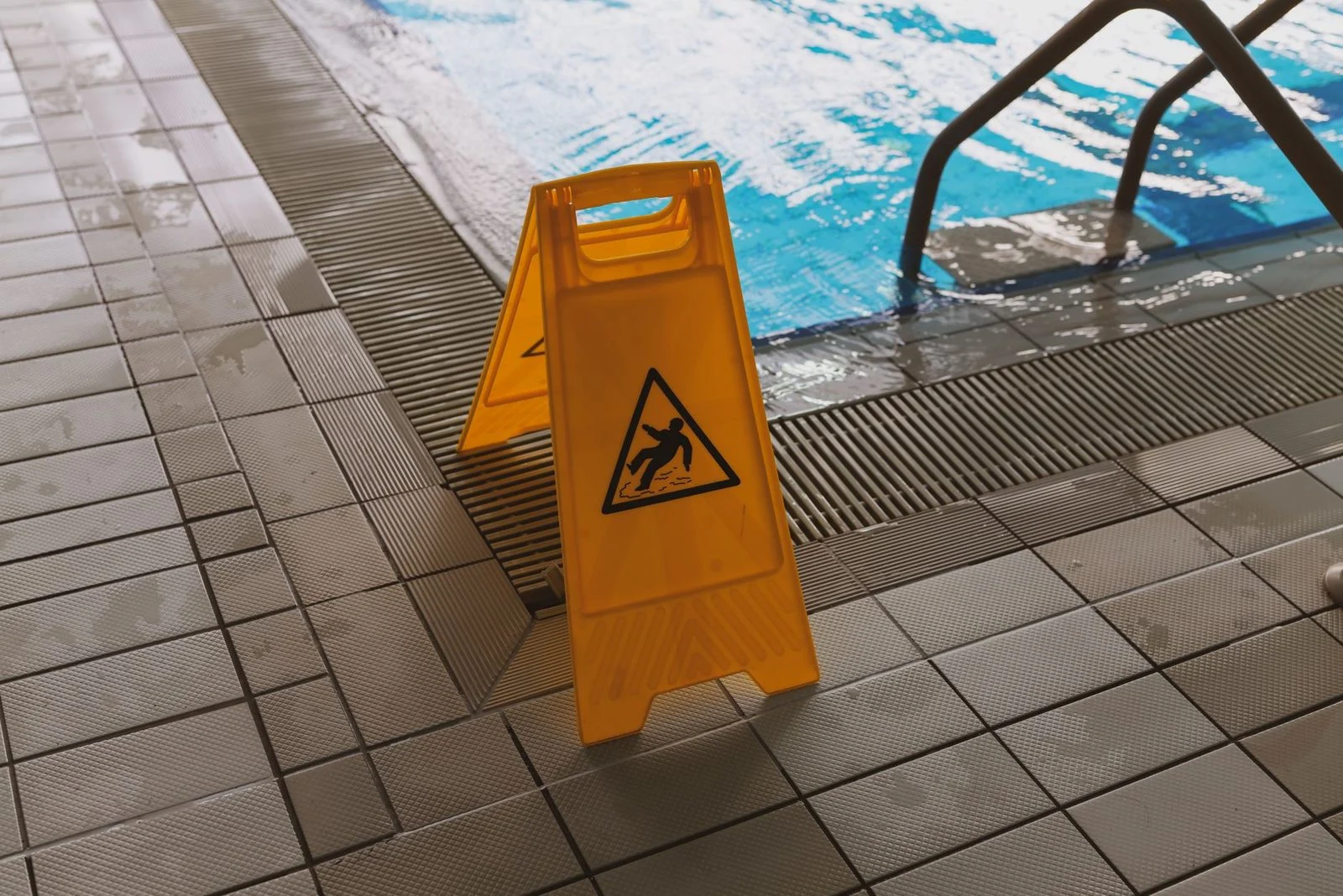
If you fell on someone else's property in Florida and got hurt, you may have a claim against the property owner. Talk it through with our team — the first consultation is free, confidential, and carries no obligation.
Florida’s rules come first
- Filing deadline: Florida gives two years to file a negligence lawsuit, the usual basis for a fall claim. See Florida’s limitations statute.
- Shared fault: Under § 768.81, a person found greater than 50 percent at fault for their own harm may not recover any damages.
- Notice of the hazard: For a slip on a spill in a business, § 768.0755 asks what the business knew or should have known.
Each of these rules is explained below.
Can you make a claim after a fall on someone else’s property?
Yes, you may have a claim if a property owner’s failure to keep the area safe caused your fall. That is the core idea behind most fall claims in Florida.
Think about a store aisle with a spill nobody cleaned up, a cracked sidewalk outside an apartment complex, or a pothole in a grocery store parking lot. Owners and managers are expected to keep their property reasonably safe for the people who visit it. When they don’t, and someone gets hurt, the injured person may have a claim.
Lawyers call this kind of claim premises liability. It is the legal term for a claim based on the condition of a place another person controls. Falls in stores, parking lots, apartment complexes, restaurants, and on sidewalks all raise the same basic question: did the owner allow a dangerous condition to exist?
Whether your fall leads to a claim depends on the facts. Those facts include where the fall happened, what caused it, and what the owner knew or should have known.
What causes most falls on someone else’s property?
Most of these falls come from a small set of everyday hazards:
- Wet or freshly mopped floors with no warning sign
- Spills left in aisles
- Uneven, cracked, or broken pavement and sidewalks
- Potholes in parking lots
- Loose handrails or broken stairs
- Poor lighting in walkways and stairwells
- Boxes or other objects left in walkways
Falls at building entrances are also common. These spots may involve more than one party, such as a building owner and a store tenant, which can affect who is responsible.
What matters most is the condition itself. Florida’s transitory substance statute, § 768.0755, addresses slips on foreign substances in business establishments. The same statute also states that it does not affect any common-law duty of care owed by a person or entity in possession or control of business premises.
Write down what you remember while it’s fresh: the time, the weather, what you were wearing, and exactly where you fell.
Not sure what your next step is?
Talk it through with our team — the first consultation is free, confidential, and carries no obligation.
How do you prove the property owner was at fault?
For a slip on a spill in a business, Florida law says the injured person must prove that the business had actual or constructive knowledge of the dangerous condition and should have acted to remedy it, under § 768.0755. Fla. Stat. § 768.0755 reads: “If a person slips and falls on a transitory foreign substance in a business establishment.”
- Actual knowledge means the business knew about the danger.
- Constructive knowledge can be shown with circumstantial evidence. Under Florida law, a transitory foreign substance case requires proof that the business had actual or constructive knowledge of the dangerous condition. Constructive knowledge may be shown by circumstantial evidence, such as proof that the condition existed for such a length of time that, in the exercise of ordinary care, the business establishment should have known of it, or that the condition occurred with regularity and was therefore foreseeable (Fla. Stat. § 768.0755).
Evidence that often helps includes:
- Photos or video of the exact spot
- An incident report from the store or building manager
- Names and phone numbers of witnesses
- Receipts that show when a spill could have happened
- Cleaning or maintenance logs
Prompt medical records also matter, because they connect your injury to the fall.
Florida also applies comparative fault, or shared fault. Under § 768.81, the court enters judgment against each party based on that party’s percentage of fault. Even a smaller share of fault attributed to you can reduce what you recover, so the details of your fall matter.
How long do you have to file a fall claim in Florida?
Florida gives you two years to file a negligence lawsuit. The rule appears in Florida’s limitations statute, which sets two years for an action founded on negligence.
Deadlines apply to every case, and they can be complicated. Don’t wait to find out where you stand. Contact a lawyer promptly so the deadline is not missed.
The length of a case varies. It depends on the injuries, the evidence, and whether the parties reach an agreement or go to trial. No one can promise a timeline.
Keep copies of every medical bill, report, and letter from an insurance company. These records help show what happened and what it cost you.
What damages can a fall claim include?
A fall claim can seek money for the losses the fall caused. These losses fall into two main groups.
Economic damages are the costs you can count. They include medical bills, rehabilitation, medications, lost wages, and future care that a doctor says you need.
Non-economic damages are harder to put on a bill. They include physical pain, emotional distress, and the loss of everyday activities you once did without thinking.
Florida has specific rules about proof. Under § 768.0427, evidence of past medical treatment that has been satisfied is limited to the amount actually paid. If a clinic treats you under a letter of protection, meaning a promise to be paid from any judgment or settlement, Florida law requires you to disclose that arrangement in a personal injury or wrongful death case. Under Fla. Stat. § 768.0427(3), disclosure is a condition precedent to asserting any claim for medical expenses for treatment rendered under a letter of protection. Under § 768.042, the amount of general damages is not stated in the complaint.
The value of a claim cannot be known from the fall alone. It rests on your medical records and the facts. Some falls lead to longer-term injuries, so keeping every follow-up care record matters.
What does a fall injury lawyer do?
A fall injury lawyer represents the injured person. In a fall case, the lawyer reviews the facts, gathers the evidence described above, and communicates with insurers and property owners. The lawyer also handles negotiations or a lawsuit if one becomes necessary.
CHG Personal Injury Lawyers charges no attorney’s fees and no case costs unless there is a recovery. Our team starts with a conversation about your facts.
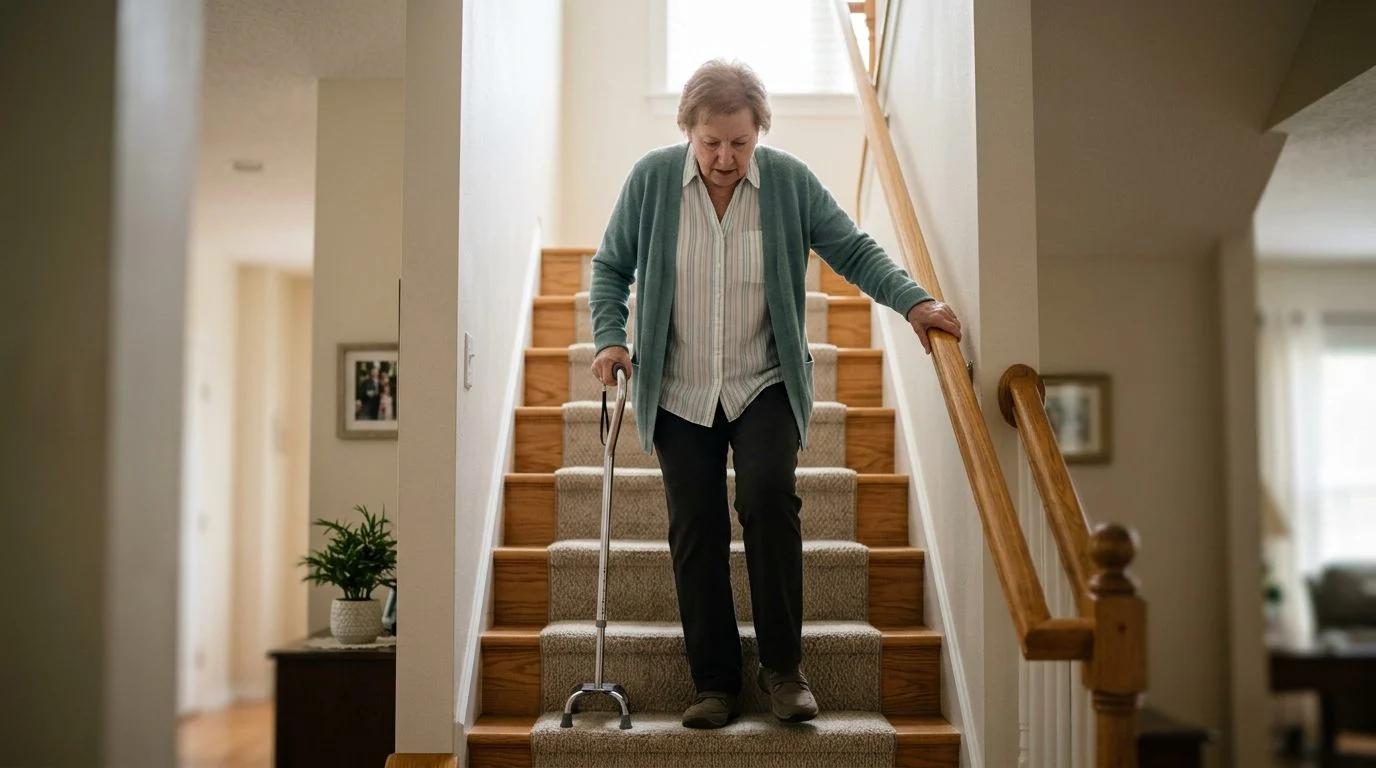
Have questions about what happened?
Ask our team directly. The first conversation is free, confidential, and there is no obligation to continue.
What should you do right after a fall?
Get medical care promptly and follow your doctors’ instructions. Early treatment also creates a record connecting your injury to the fall.
Report the fall to the store manager, building manager, or property owner. Ask for a written incident report, and keep a copy. Then:
- Photograph the hazard and your injuries.
- Collect names and phone numbers of anyone who saw the fall.
- Write a dated account of what happened.
- Keep the shoes and clothing you wore.
Can I still have a claim if I was partly at fault?
Florida’s shared fault rule can reduce what you recover, and a share greater than 50 percent bars recovery of any damages under § 768.81.
Is a grocery store fall a possible claim?
It can be. The question is whether the store knew, or should have known, about the hazard and failed to fix it.
How long do I have to file?
Florida gives two years to file a negligence lawsuit, but deadlines apply to each case (Fla. Stat. § 95.11(5)(a)). Contact a lawyer promptly.
If you or a family member were hurt in a fall on someone else’s property in Florida, our team can review your facts in a free, confidential consultation with no obligation to continue. Igor Hernandez is the responsible lawyer for this page. Contact CHG Personal Injury Lawyers to begin.
Steps to Take After a Slip and Fall
1. Get Medical Care
Seek medical attention right away, even if you feel you only have a bruise or soreness. Some injuries appear hours or days later. Follow your doctor's care plan and keep every appointment.
2. Document the Scene
If you are able, photograph the spot where you fell, the hazard that caused it, and any missing warning signs. Note the lighting, the weather, and the names of anyone who saw what happened.
3. Report the Fall
Tell the property owner or manager what happened and ask that the incident be written in an official report. Keep a copy for your records.
4. Talk With Our Team
Contact CHG Personal Injury Lawyers to review what happened. Our team can explain how Florida law applies to your situation and what you can do next.
How We Can Help
Attorneys Who Listen
Our licensed attorneys take time to understand how the fall affected your health, work, and family.
Clear Explanations
We explain Florida's rules and your options in plain language, so you can make informed decisions.
Focus on Your Recovery
We handle the claim process so you can focus on your health and follow your doctors' care.
No Fees Unless There Is a Recovery
CHG charges no attorney's fees and no case costs unless there is a recovery.
Important: Act Promptly
Evidence of a fall, such as the condition of the floor, lighting, and witness names, can change quickly. Seek medical care, keep your shoes and clothing, and contact our firm promptly so we can review your situation while the details are still fresh.