
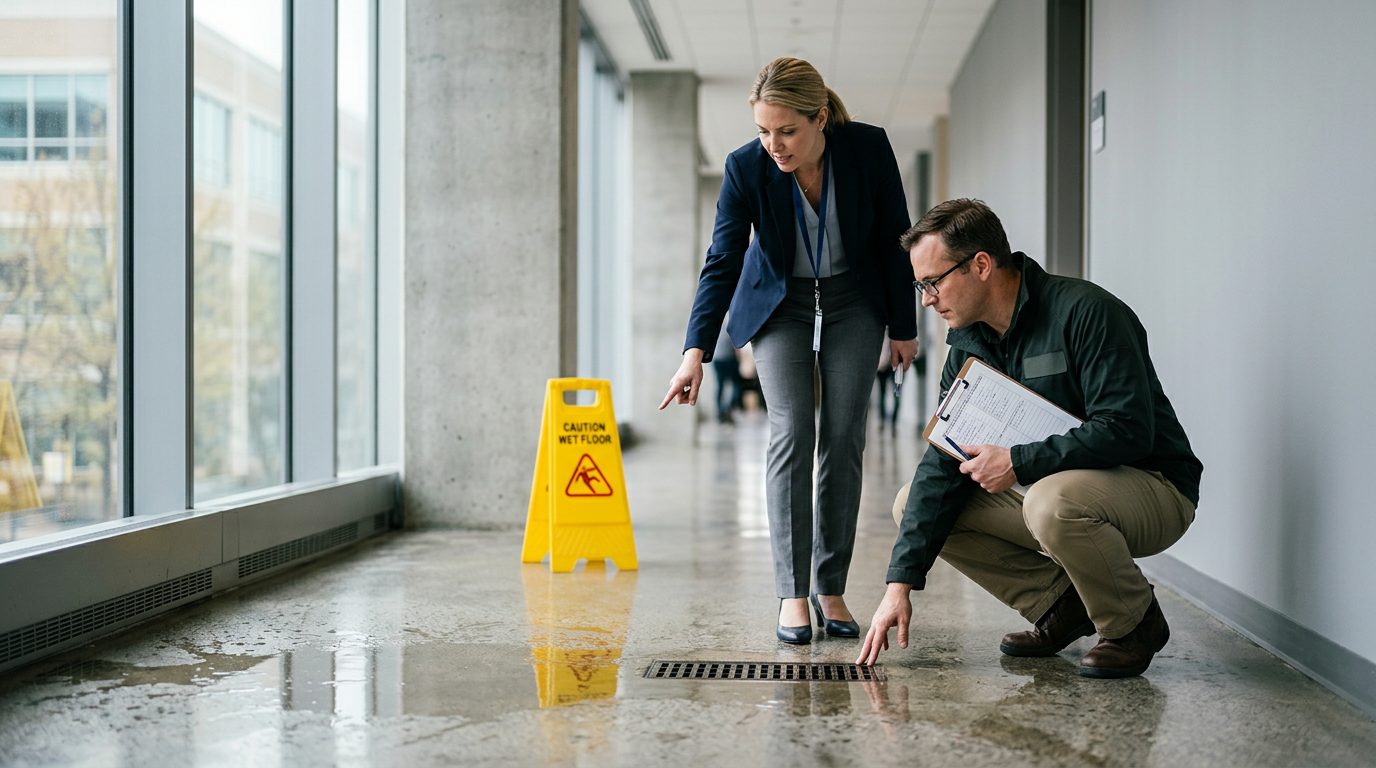
Slip and Fall Claims | Serving Florida
Hurt in a Slip and Fall in Florida? Start With These Steps
A plain-language guide from CHG Personal Injury Lawyers to protecting your health, your evidence, and your options after a fall on someone else's property.
By CHG Lawyers · Published October 21, 2026
If you slipped, tripped, or fell on someone else’s property in Florida and got hurt, you may have a claim against the property owner. A claim may exist when a dangerous condition caused the fall and the owner knew about it, or should have found and fixed it. This page explains how that works, what to do in the first days, and the deadlines that apply.
Many people hurt in a fall never hear the words “premises liability.” They just know they’re in pain, missing work, and facing bills. If you were hurt in a fall on someone else’s property, a lawyer can review the facts with you and talk through what happens next.
When a Fall on Someone Else’s Property May Support a Claim
A fall on someone else’s property may support a claim when a hazard caused the fall and the owner should have fixed it.
Picture this. A woman walks into a grocery store on a rainy afternoon. The floor just inside the door is wet. There’s no mat and no warning sign. She slips, lands hard on her hip, and can’t get up without help.
Her injuries are real, even if no one else saw the fall. She may need treatment, miss weeks of work, and watch the bills keep coming.
Under Fla. Stat. § 768.0755, if a person slips and falls on a transitory foreign substance in a business establishment, the injured person must prove that the business had actual or constructive knowledge of the dangerous condition and should have taken action to remedy it. For a slip on a wet floor in a business, Florida has a specific statute. Fla. Stat. § 768.0755 says the injured person must prove the business had actual or constructive knowledge of the dangerous condition and should have acted to fix it.
Constructive knowledge means the business should have known. The statute says this can be shown if the condition lasted long enough that ordinary care would have caught it, or if it happened so often that it was foreseeable.
Falls range from bruises to broken bones, back and neck injuries, and head injuries. Severity shapes how a claim is evaluated, but the facts of the fall come first.
If you slipped, tripped, or fell on someone else's property in Florida and got hurt, you may have a claim against the property owner. Talk it through with our team — the first consultation is free, confidential, and carries no obligation.
What to Do in the First Hours and Days After a Fall
Get medical care right away, and follow your doctors’ instructions.
Some injuries, including concussions and soft-tissue injuries in the back and neck, may not show symptoms for hours or days. Being seen early creates a record of what happened and when. Treatment decisions belong to you and your doctors.
Tell the manager or owner what happened, and ask for an incident report. Keep a copy of anything you sign.
Gather what helps later:
- Photos of the spot, the hazard, and nearby details, such as a missing sign or a broken tile.
- Names and phone numbers of anyone who saw the fall.
- The shoes and clothes you wore that day.
- Receipts, medical bills, and a written note of any missed work.
Be careful with the property’s insurance company. Don’t give a recorded statement or sign a release before you speak with a lawyer.
Florida also sets rules on how medical bills are proven. If you’re treating under a letter of protection (a promise of payment from any future recovery), Fla. Stat. § 768.0427 requires certain disclosures. Keep every bill and treatment record.
Who Can Be Responsible for a Fall?
The property owner, a manager, or a business that controlled the area or created the hazard may be responsible.
Responsibility depends on who controlled the area. A store controls its aisles. A landlord often controls shared hallways. A contractor working nearby may control a torn-up walkway.
Common everyday hazards include:
- A spill nobody cleaned up.
- A missing wet-floor sign.
- Poor lighting in a parking garage.
- A loose handrail on a stairway.
- A loose floor mat.
- Cracked pavement in a common area.
Florida courts ask whether the hazard existed long enough to be found, or whether the owner caused it. Video, cleaning logs, and witness statements often matter here.
When more than one party is at fault, Florida assigns blame by percentage. Fla. Stat. § 768.81 says a court enters judgment against each liable party based on its own percentage of fault. Each party answers for its own share, not the whole amount.
How Long Do You Have to File, and What Is Comparative Fault?
Florida generally gives two years to file a lawsuit based on negligence, and deadlines apply to every case (Fla. Stat. § 95.11(5)(a)).
Waiting can cost you. Video may be overwritten, incident reports can get lost, and witnesses move or forget what they saw. Talk with a lawyer soon after the fall.
Comparative fault means shared blame. For example, a shopper looking at a phone while walking through a spill, or someone in worn-out sandals on a wet tile floor, may face questions about their own share. Under Fla. Stat. § 768.81, any share of fault that is yours reduces your recovery proportionately, and if you are found more than 50 percent at fault for your own harm, you may not recover any damages.
Shared fault is a question of facts. A lawyer can explain how it may apply to your fall.
Not sure what your next step is?
Talk it through with our team — the first consultation is free, confidential, and carries no obligation.
Where Falls Happen and What We Handle Throughout Florida
Our firm handles slip-and-fall claims at stores, restaurants, apartment buildings, hotels, parking lots and garages, sidewalks, and workplaces open to visitors.
Outdoor falls are common too. Rain-slick walkways, standing water, and debris left after a storm can all create hazards. Each case turns on who controlled the area and what they knew or should have known.
CHG Personal Injury Lawyers handles personal injury claims of every severity. Some falls cause sprains and bruises. Others cause fractures, head injuries, or spinal injuries that change work and daily life. Serious injuries may require long-term care from medical doctors who treat those conditions.
For a broader overview, see our slip-and-fall overview page.
How CHG Personal Injury Lawyers Handles a Fall Case
CHG Personal Injury Lawyers is a Florida personal injury firm that handles accident and injury claims for people throughout Florida.
Our attorneys are licensed and admitted to The Florida Bar. Igor Hernandez is the responsible lawyer for this page.
Our team typically reviews the facts of the fall, gathers records such as incident reports, photos, and medical bills, and communicates with insurers and property owners. We then advise you on your options under Florida law.
Some matters may be referred to, or handled together with, another law firm.
Do You Pay Anything If the Case Doesn’t Produce a Recovery?
No. CHG charges no attorney’s fees and no case costs unless there is a recovery.
Your first consultation is free, confidential, and without obligation to continue. You can ask how the process works, what documents to keep, and what the next steps look like before you decide anything.
Have questions about what happened?
Ask our team directly. The first conversation is free, confidential, and there is no obligation to continue.
Frequently Asked Questions About Falls and Claims
Here are short answers to common questions about falls on someone else’s property.
Is a slip and fall lawyer the same as an attorney?
Yes. “Lawyer” and “attorney” mean the same thing in English. A lawyer licensed in Florida is admitted to practice in Florida.
Does a small fall need a lawyer?
It depends on the facts, including the injury, the medical care it requires, and who is responsible for the hazard. A short conversation can help you decide.
How do I show the store knew about the hazard?
Florida’s statute asks whether the condition lasted long enough that the business should have noticed it, or happened often enough to be foreseeable. Photos, cleaning logs, and video can help.
What should I keep after a fall?
Keep photos, incident reports, receipts, medical records, and a log of missed work. Keep the shoes and clothing you wore.
How long do I have to file?
Florida generally gives two years for negligence claims, and deadlines apply to every case. Contact a lawyer promptly.
If a Fall Is Still Affecting Your Life, Talk With Our Team
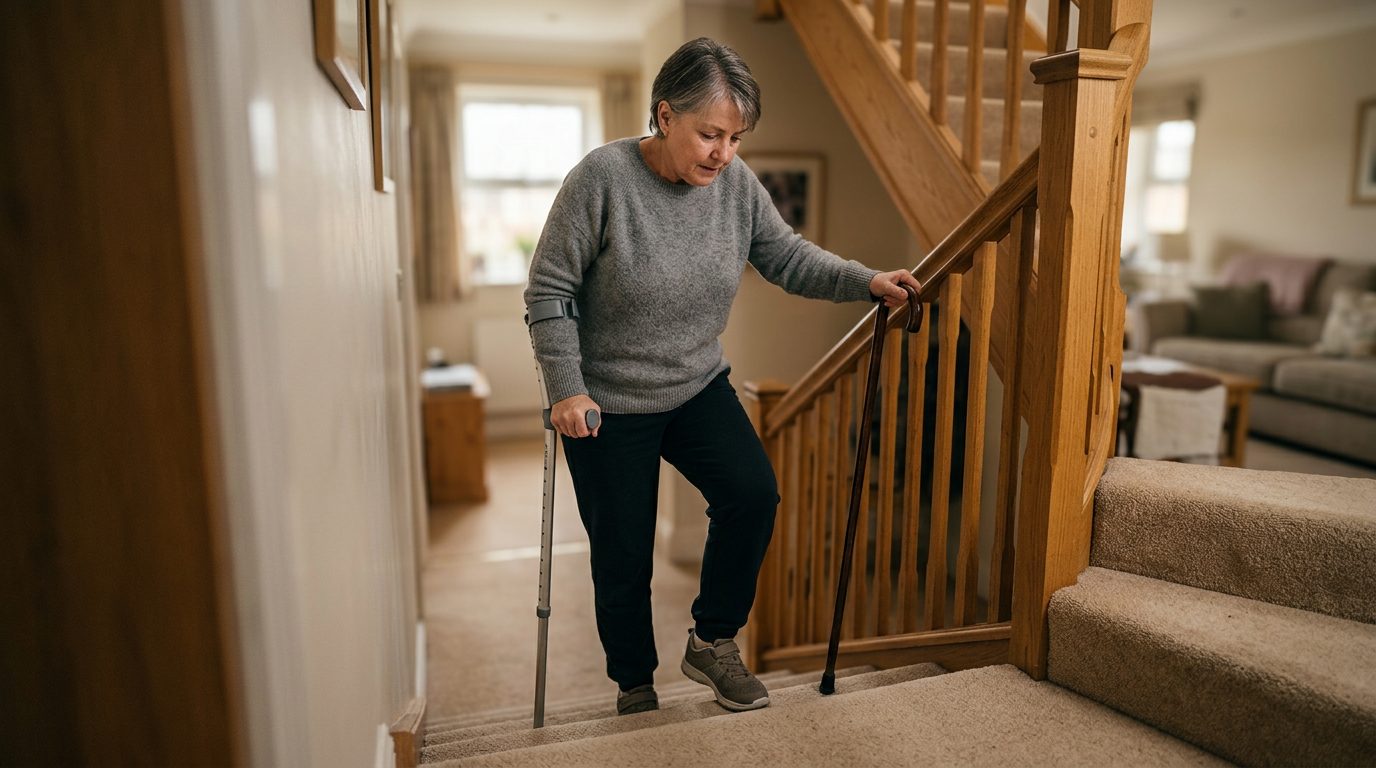
If a fall is still causing pain, missed work, or medical bills, you may be weighing whether to pursue a claim against the property owner. Our team can review the facts of your fall and explain how Florida’s rules may apply. Deadlines apply, so reach out promptly. Contact CHG Personal Injury Lawyers for a free, confidential, no-obligation consultation.
Before You Talk to an Insurer
The property owner's insurance company may contact you quickly. Do not give a recorded statement, sign any release, or accept a payment before you have spoken with a lawyer about your injuries and your claim.
Steps to Take After a Fall
1. Get Medical Care Right Away
Some injuries, including head injuries and back injuries, may not show symptoms for hours or days. See a doctor, tell them exactly how the fall happened, and follow the care plan your doctors give you.
2. Report the Fall and Document the Scene
Tell the property manager or owner what happened and ask for an incident report. Take photos of the spot, the hazard, the lighting, and your shoes if they were involved.
3. Preserve Evidence and Witnesses
Write down names and phone numbers of anyone who saw the fall. Keep your medical bills, receipts, and records of missed work, and save any video you can request from the property.
4. Contact a Lawyer Promptly
Florida has legal deadlines for these claims, and evidence can disappear quickly. Reach out early so your lawyers can review the facts and explain your options.
How CHG Can Help
Free, Confidential Consultation
Your first consultation is free, confidential, and comes with no obligation to continue.
No Fees Unless There Is a Recovery
CHG charges no attorney's fees and no case costs unless there is a recovery.
Licensed Florida Attorneys
Our attorneys are admitted to The Florida Bar. Igor Hernandez is the responsible lawyer for this page.
Focused on Helping Injured People
We handle slip and fall cases and other personal injury matters for people throughout Florida, with patience and clear, plain-language answers.