
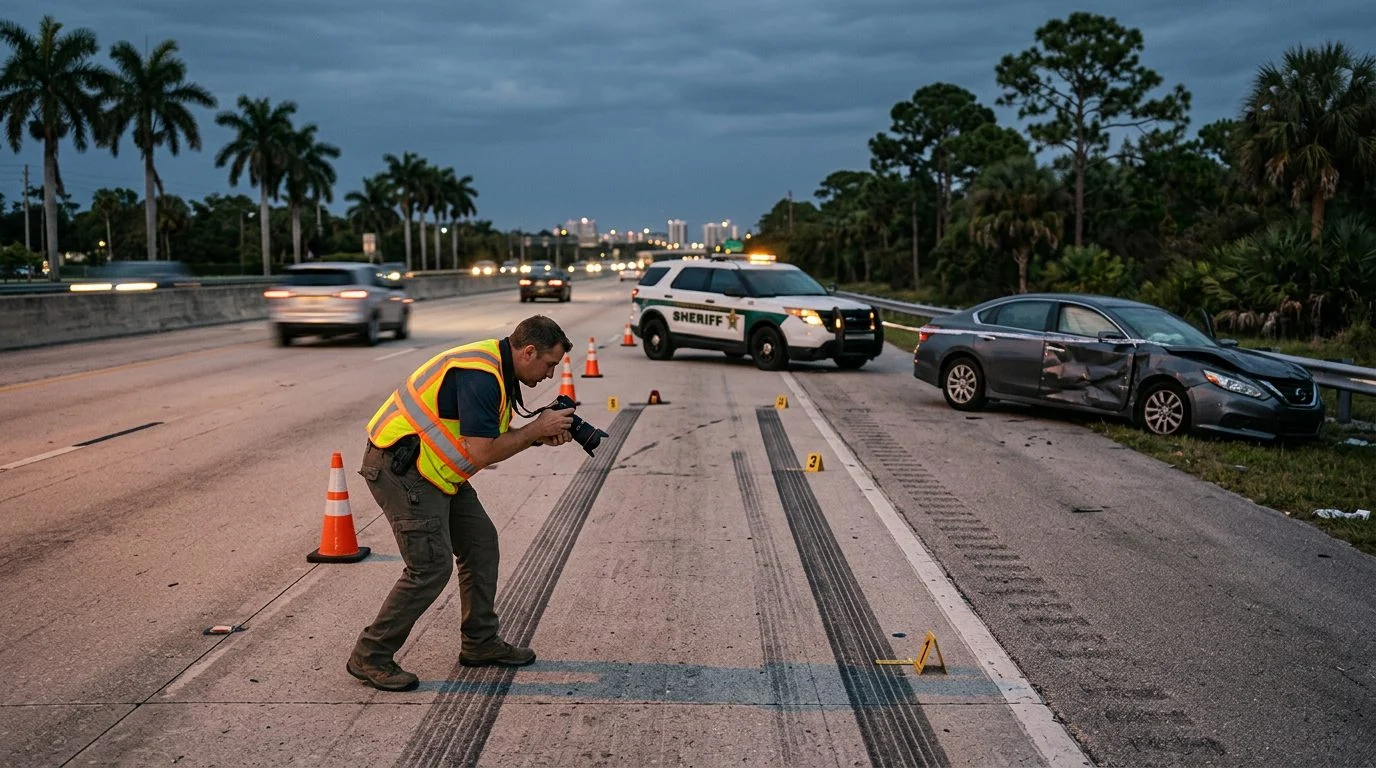
Wrongful Death · Deerfield Beach, Florida
When a Death Was Caused by Someone Else's Wrongdoing, Your Family Does Not Have to Face It Alone
Here is how Florida families in Deerfield Beach can understand their options after a sudden, preventable loss.
By CHG Lawyers · Published November 17, 2026
Losing someone to a crash or a violent act is one of the hardest things a family can face. If you are asking about wrongful death in Deerfield Beach, you may also be asking whether anyone can be held responsible.
In Florida, the answer can be yes. Florida law allows a family to bring a wrongful death claim when another person’s wrongful act, negligence, or default caused a death. Florida generally gives two years to file, so timing matters. This guide explains the basics in plain language.
Losing a Loved One in Deerfield Beach: Where to Begin
A sudden death leaves a family with grief, funeral decisions, and hard questions about what comes next. Many Deerfield Beach families spend their lives near the Deerfield Beach Pier and the Intracoastal, so a sudden loss can feel close to home. You don’t have to answer every question at once.
Florida’s wrongful death law exists so families don’t carry the full loss alone when someone else’s carelessness caused the death. The law looks at who the survivors are, what they lost, and how quickly they must act.
CHG Personal Injury Lawyers is a Florida-based firm that represents people and families throughout Florida, including Deerfield Beach and Broward County. Igor Hernandez is the lawyer responsible for this page. He is one of the firm’s lawyers, and the firm’s attorneys are admitted to practice in Florida.
If your family is weighing whether to file after a fatal crash or violent incident in Deerfield Beach, we can review your facts and your deadline with you at no cost. Talk it through with our team — the first consultation is free, confidential, and carries no obligation.
Can You Sue for Wrongful Death in Florida?
Yes. Florida allows a wrongful death claim when a death is caused by another person’s wrongful act, negligence, or default. Under Fla. Stat. § 768.19, the party that would have been liable if the injured person had lived is liable for damages. This applies even when the death happened on navigable waters.
Florida calls these rules the Florida Wrongful Death Act. The act covers Sections 768.16 through 768.26 of the Florida Statutes.
The claim is not brought for the person who died. It is brought for the survivors and the estate. Fla. Stat. § 768.20 says the action is brought by the decedent’s personal representative.
Here is a rule families often find surprising. When a personal injury results in death, an injury lawsuit already pending at the time of death ends. The family’s claim then proceeds under the wrongful death act.
Every case turns on its own facts. A family’s options should be reviewed as soon as possible.
Who Can Bring a Wrongful Death Claim in Florida?
The personal representative of the decedent’s estate brings the claim for the survivors and the estate, under Fla. Stat. § 768.20.
Florida defines who counts as a survivor. Under Fla. Stat. § 768.18, survivors are the decedent’s spouse, children, and parents. Blood relatives and adoptive brothers and sisters can also count when they depended on the decedent for support or services. “Minor children” means children under 25 years of age.
Every potential beneficiary must be named in the complaint, along with each person’s relationship to the decedent.
Families often ask what to do first. Gather the decedent’s full name, date of birth, and a list of everyone who relied on that person. Include children (a child born out of wedlock is covered for the mother, but for the father only if he has recognized a responsibility for the child’s support), a spouse, parents, and blood relatives or adoptive brothers and sisters who were partly or wholly dependent on the decedent for support or services.
Don’t wait to ask about the estate. Who serves as personal representative can affect timing, and the two-year deadline keeps running while paperwork is sorted out.
Common Causes of Wrongful Death in Deerfield Beach and Broward County
Wrongful death claims in this area often begin with a crash on a busy road or a violent incident on property where security failed. Each story carries its own kind of grief.
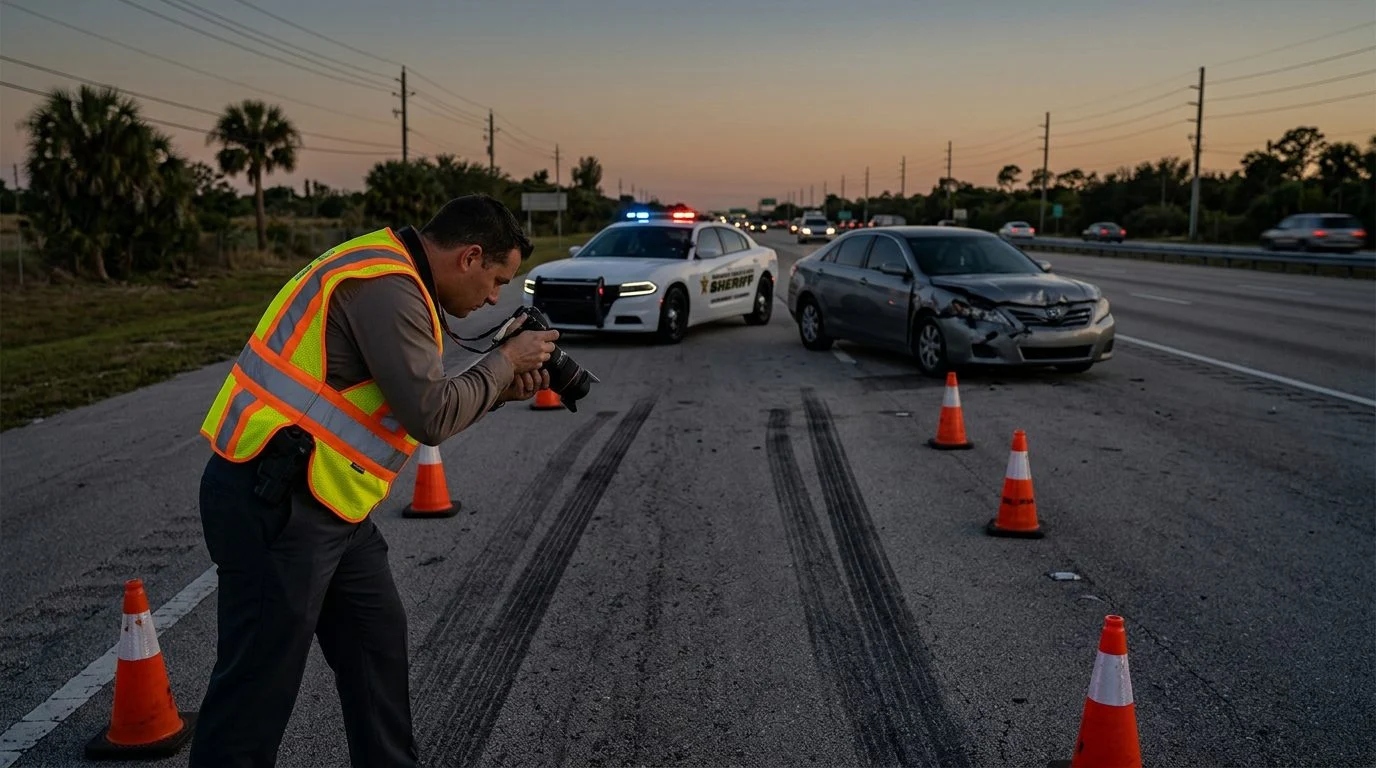
Crashes are a common starting point. Busy routes such as Interstate 95, Federal Highway, and Hillsboro Boulevard carry cars, commercial trucks, and delivery vehicles every day. Motorcycle, bicycle, and pedestrian deaths also happen on local roads. The CDC impaired-driving facts page publishes federal information on traffic deaths, including the share involving alcohol-impaired drivers.
Some families lose someone to an attack in a parking garage, at an apartment complex, or at a hotel. Sometimes a gate didn’t lock, the lights were out, or no cameras or guards were posted. Whether a family has a claim depends on the facts of each case. Lawyers call this type of case negligent security. In suits against the owner, lessor, operator, or manager of commercial or real property, brought by a person lawfully on the property who was injured by a third party’s criminal act, Fla. Stat. § 768.0701 requires that the fault of all persons who contributed to the injury be considered.
Other fatal incidents can also lead to a claim, including drownings, electrocutions, construction zone accidents, and watercraft or ATV accidents. These examples are not a full list. Your family’s situation is what matters.
Florida’s Two-Year Deadline and Why Timing Matters
Florida generally gives two years to file a wrongful death lawsuit. Under Fla. Stat. § 95.11, an action for wrongful death falls within the two-year group.
For certain intentional acts that cause death, the same statute allows the civil action to be commenced at any time. No arrest, formal charges, or conviction is required before a civil case can be filed. Families shouldn’t assume their case fits this exception, because the facts decide that.
Deadlines can also differ when a government agency is involved. Florida’s sovereign immunity law, Fla. Stat. § 768.28, allows certain tort claims against state and local agencies, but it limits recovery. Liability does not include punitive damages. A claim by any one person is capped at $200,000, and claims from the same incident are capped at $300,000 in total.
Why does timing matter? Crash reports, surveillance video, and witness memories can be lost over time. Grief takes time, but the deadline does not pause for it. Contact a lawyer promptly so the deadline and the facts can be reviewed early.
What a Florida Wrongful Death Claim May Recover
Florida law names specific losses that survivors and the estate can pursue. The categories depend on who the survivors are. Fla. Stat. § 768.21 sets out these damages.
Each survivor may recover the value of lost support and services. A surviving spouse may also recover for loss of the decedent’s companionship and protection, and for mental pain and suffering. Minor children of the decedent, and all children of the decedent if there is no surviving spouse, may recover for lost parental companionship, instruction, and guidance, plus mental pain and suffering (though adult children cannot recover these damages in medical negligence claims). Each parent of a deceased minor child may recover for mental pain and suffering.
The estate has its own claim. The personal representative may recover the decedent’s lost earnings from the injury to the death, less lost support of survivors (excluding contributions in kind), with interest, and medical or funeral expenses that became a charge against the estate or were paid by or on behalf of the decedent, excluding amounts recoverable under subsection (5) by a survivor who paid them. In certain circumstances, lost prospective net accumulations of the estate may also be recovered.
The spouse’s damages are recovered in the wrongful death action.
Fault also matters. Under Fla. Stat. § 768.81, in a negligence action, a party found more than 50 percent at fault for his or her own harm may not recover any damages, but this rule does not apply to personal injury or wrongful death actions arising out of medical negligence under chapter 766. Florida’s rule that a person found more than 50 percent at fault for their own harm may not recover any damages appears in Fla. Stat. § 768.81(6).
No amount can be promised. What a family may recover depends on the facts, the evidence, and the parties involved.
Not sure what your next step is?
Talk it through with our team — the first consultation is free, confidential, and carries no obligation.
How Long a Wrongful Death Case Can Take
There is no fixed timeline. A wrongful death case can take a different amount of time depending on the facts, the evidence, the number of parties and insurers, and whether the claim settles or goes to court.
Most cases move through a few stages. First comes an investigation and the preservation of evidence, such as crash reports, photos, and records. Next, the claim is presented to insurers or defendants, and negotiation may follow. If a fair resolution isn’t reached, a lawsuit may be filed in the Florida circuit court.
Court approval can be part of the process. While a wrongful death action is pending, a settlement that a survivor objects to, or one that affects a minor or incompetent survivor, is not effective unless the court approves it.
If the person who died was a Medicare beneficiary, federal rules may apply. According to CMS, Medicare conditional payments must be repaid when a settlement, judgment, award, or other payment is made.
Criminal proceedings, when they exist, can run on their own schedule and may affect the civil case. A timing estimate should wait until the specific facts are reviewed.
Questions Families in Deerfield Beach Often Ask
Who pays for the case?
CHG charges no attorney’s fees and no case costs unless there is a recovery. The first consultation is free, confidential, and comes with no obligation to continue.
Does the family have to go to court?
Not every claim ends in a courtroom. Some claims resolve through negotiation, while others require a lawsuit. The firm explains the path that fits the family’s facts.
What should we gather now?
Collect the death certificate, crash or police reports, medical and funeral records, photographs, and witness names, if available. Keep receipts for funeral and medical bills.
Can a parent sue over an adult child’s death?
A parent of an adult child may recover for mental pain and suffering only if there are no other survivors.
Talk With a Florida Wrongful Death Lawyer About Your Family’s Next Step
Florida law gives survivors and the estate a path after a wrongful death. The two-year filing rule generally applies, and recovery depends on the facts and on Florida’s fault rules. Early review matters.
CHG Personal Injury Lawyers is Florida-based and serves families throughout Florida, including Deerfield Beach and Broward County. Our team works with licensed attorneys admitted to practice in Florida.
If your family is deciding whether to file after a fatal crash or a violent incident in Deerfield Beach, you don’t have to sort out the deadline and the paperwork alone. Contact CHG for a free, confidential case evaluation.
How CHG Personal Injury Lawyers Supports Families
Focus on your family
We keep the family's well-being at the center of every decision, so you can grieve while we handle the legal work.
Confidential first consultation
The initial consultation is free, confidential, and comes with no obligation to continue.
No fees unless there is a recovery
CHG charges no attorney's fees and no case costs unless there is a recovery.
Licensed Florida attorneys
Our lawyers are licensed attorneys admitted to The Florida Bar, and our team keeps you informed in plain language at every step.
Act Promptly
Deadlines apply to wrongful death claims under Florida law. Waiting can limit your options, so contact our team as soon as you are able to talk about your family's situation.
Questions Families in Deerfield Beach Often Ask
What is a wrongful death claim?
It is a case brought by surviving family members after a death caused by another party's negligent or wrongful conduct. Our team explains how it works under Florida law.
What situations can lead to these claims?
Families often contact us after fatal car and truck crashes, motorcycle or bicycle accidents, drownings, falls on unsafe property, and deaths linked to violent crime on property that lacked reasonable security.
What should the family keep?
Keep copies of the police or crash report, medical and funeral bills, and any messages or photos related to the incident. Speak with us before giving recorded statements to insurance companies.
Will the case go to court?
Not every claim ends in a courtroom. Some resolve through negotiation, while others require a lawsuit. We explain the path that fits your family's situation and keep you informed throughout.