

Negligent Security | Apartment Complex Attacks
Attacked at Your Apartment Complex? You May Have a Claim Against the Owner.
When a property owner fails to provide basic security—working locks, lighting, cameras, or guards—and you're assaulted, robbed, or shot as a result, they can be held liable. CHG Personal Injury Lawyers focuses exclusively on catastrophic injury cases and fights for victims harmed by negligent security.
By CHG Lawyers · Published September 01, 2026
Apartment Complex Negligent Security Lawyer: When the Landlord Failed to Keep You Safe
You were assaulted, shot, robbed, or violently attacked at your apartment complex. The property owner should have prevented it. If you suffered serious, permanent injury because the landlord failed to provide reasonable security—working locks, adequate lighting, functional cameras, or security guards—you may have a legal claim against the property owner. This is called a premises-liability claim. It is separate from any criminal case against the attacker.
Not sure what your next step is?
Talk it through with our team — the first consultation is free, confidential, and carries no obligation.
You Were Attacked at Your Apartment Complex—and the Owner Should Have Prevented It
When you’re hurt in a violent attack on apartment property, the owner can be held legally responsible. This happens if they knew or should have known about security risks and failed to fix them.
This isn’t about blaming you. It’s about holding the landlord accountable for failing to keep residents and guests reasonably safe.
The owner’s negligence is a separate legal wrong from the attacker’s crime.
Many people don’t realize this. They assume the attacker is the only one responsible. But in law, the property owner’s failure to provide reasonable security creates separate liability. If your injury is catastrophic and permanent—spinal cord injury, paralysis, traumatic brain injury, amputation, severe burns, or wrongful death—you deserve compensation from everyone responsible, including the property owner.
What Is Negligent Security at an Apartment Complex?
Negligent security means the property owner had a legal duty to keep you reasonably safe. They breached that duty by failing to provide adequate security measures. In plain terms: they knew or should have known about danger and did nothing.
Concrete examples of negligent security at apartment complexes include:
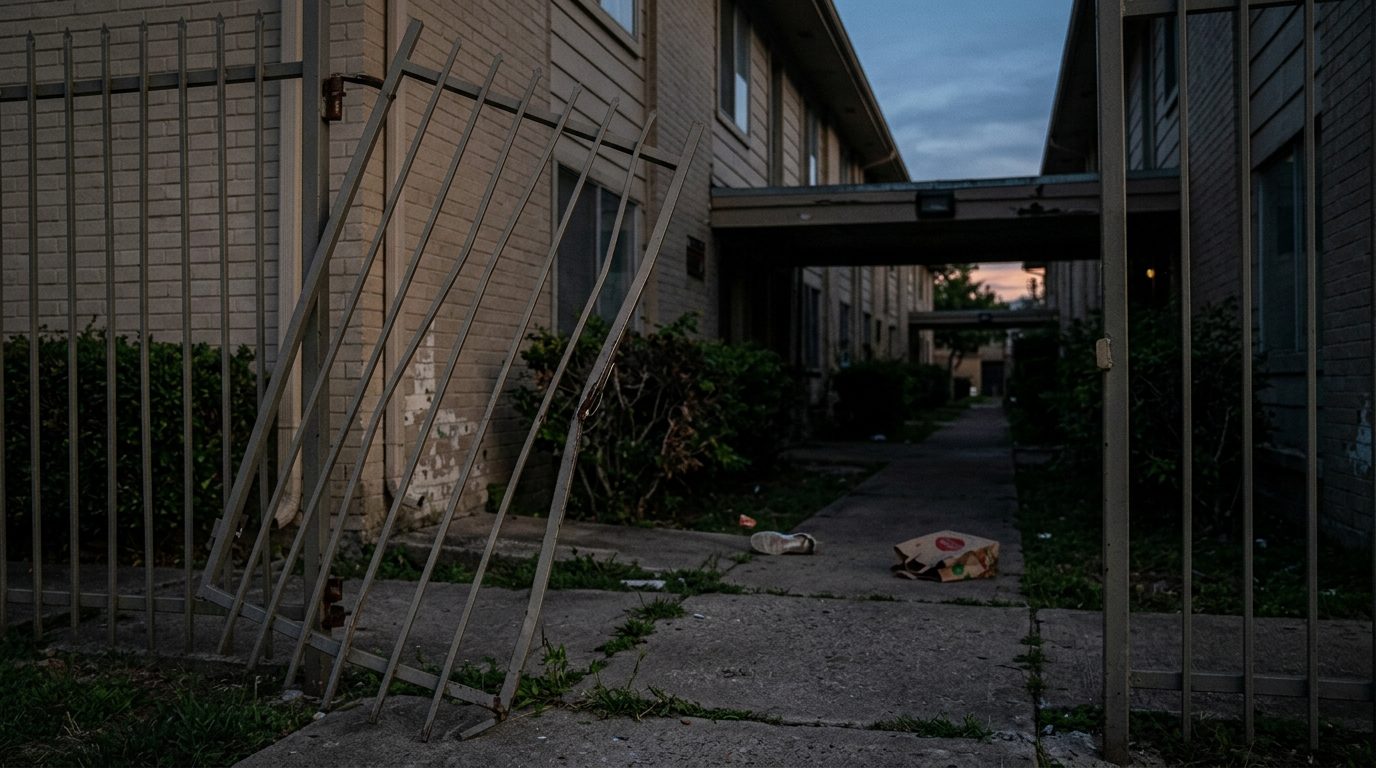
- Broken or missing locks on entry doors, gates, or mailroom access that anyone could bypass
- No working lighting in hallways, stairwells, parking lots, or common areas—darkness that hides attackers and prevents witnesses from identifying them
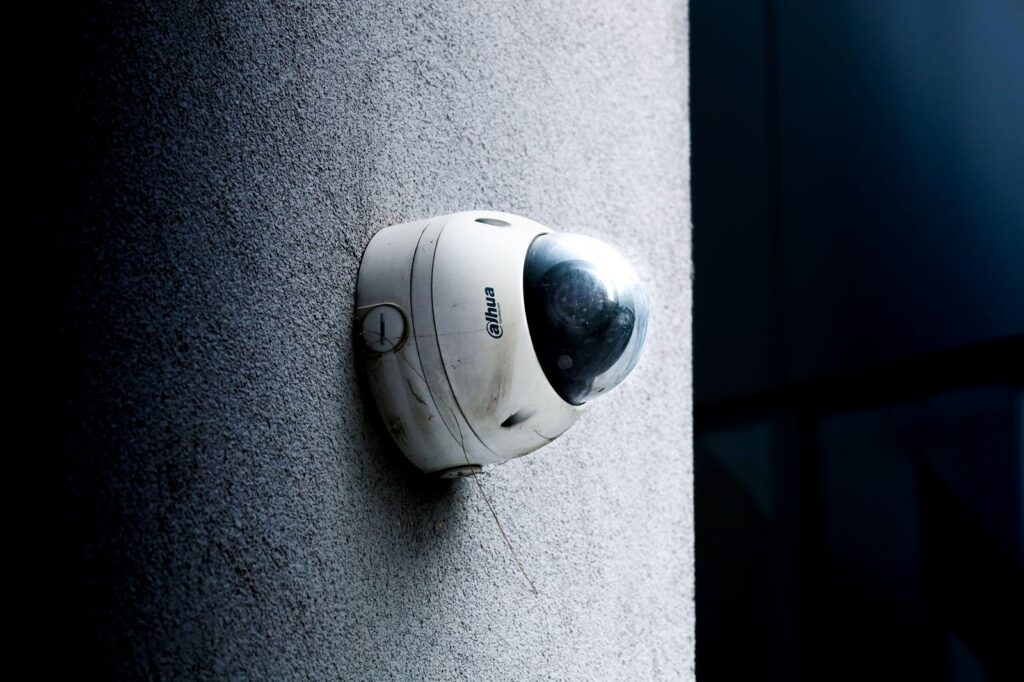
- Non-functional or absent security cameras in high-risk areas, or cameras that weren’t monitored or recorded
- No security guards or inadequate staffing during high-crime hours
- Failure to respond to prior assaults, robberies, or other crimes on the property—documented in police reports or incident logs
- Failure to control access or screen visitors, allowing unauthorized people into secure areas
- Poor maintenance that creates dangerous conditions (broken gates, dark corners, overgrown landscaping that hides attackers)
The owner’s knowledge is critical. If they were aware of prior crimes—or if crime statistics for the area made an attack foreseeable—and they did nothing, that strengthens your claim significantly.
Courts ask: Should the owner have foreseen that an attack could happen without adequate security? Prior criminal activity on or near the property is key evidence. Police reports, crime statistics from local law enforcement, and complaints from residents all prove what the owner knew or should have known.
Can You Sue an Apartment Complex for Lack of Security?
Yes. Property owners have a legal duty to provide reasonable security to residents and guests. If an attack occurs and the owner failed to provide reasonable security, you have a premises-liability claim.
The owner can be held liable even though they did not commit the crime. Their negligence is a separate legal wrong. You don’t need the attacker to be caught or convicted to sue the property owner.
Your injury must be serious and permanent. This firm focuses exclusively on catastrophic injuries: spinal cord injuries, paralysis (paraplegia and quadriplegia), traumatic brain injuries, amputations, severe burns, and other life-altering harm. Wrongful death claims are also included if the attack was fatal.
Minor injuries—bruises, sprains, or soft-tissue damage—fall outside our scope. We handle only the most severe cases where your life has been permanently altered.
What Must You Prove to Win a Negligent Security Claim?
To win a negligent security case, you must establish four elements:
1. The property owner owed you a duty of care.
They did. You were a resident or lawful guest. The owner has a legal obligation to keep the property reasonably safe. This duty is established by Florida property law and the landlord-tenant relationship.
2. The owner breached that duty.
You must show specific security failures: no working locks, no adequate lighting, no cameras, no guards, or failure to respond to prior crimes. Investigation is critical. Police reports, incident reports, crime statistics, and prior complaints all prove breach.
For example: if police records show three robberies in the parking lot over 18 months and the owner installed no additional lighting or cameras, that is clear breach.
3. The breach caused your injury.
You must show that the attack would not have happened—or would have been prevented or stopped—if security had been adequate.
For example: if a working gate and lighting would have deterred the attacker or allowed security to intervene, causation is strong. Medical and forensic evidence, witness statements, and security expert testimony establish this connection.
4. You suffered serious, permanent injury.
Catastrophic harm—paralysis, brain injury, amputation, severe burns, or death—qualifies. The injury must be life-altering, not temporary.
You must also quantify your damages: medical bills, lost wages, pain and suffering, loss of life enjoyment, and (if applicable) wrongful death damages.
Have questions about what happened?
Ask our team directly. The first conversation is free, confidential, and there is no obligation to continue.
What Damages Can You Recover?
If you win a negligent security claim, you can recover:
- Medical expenses: emergency care, surgery, hospitalization, rehabilitation, ongoing treatment, therapy, assistive devices, home modifications, and future medical care
- Lost income: wages lost during recovery and reduced future earning capacity if you cannot return to work
- Pain and suffering: compensation for physical pain, emotional trauma, PTSD, anxiety, depression, and loss of enjoyment of life
- Permanent disability damages: compensation for permanent impairment, loss of function, and reduced quality of life
- Wrongful death damages: if the attack was fatal, the family may recover funeral expenses, loss of financial support, loss of companionship, and in some cases, punitive damages
- Punitive damages: in cases of gross negligence or intentional misconduct, courts may award additional damages to punish the owner and deter future negligence
How the Legal Process Works: What to Expect
Free case evaluation. You meet with a lawyer to discuss what happened, your injuries, and the property’s security failures. The lawyer reviews your case and advises you on your options. This step is free and confidential.
Investigation. The firm gathers evidence: police reports, crime statistics, prior incident reports, security records, photos of the property, witness statements, and your medical records. This investigation is critical—it proves the owner knew or should have known about prior crimes and failed to act.
Demand letter. The firm sends a detailed letter to the property owner’s insurance company. It explains your claim, the security failures, and the amount you are seeking.
Negotiation. The insurance company may offer a settlement. Your lawyer negotiates on your behalf to maximize your recovery.
Litigation. If settlement negotiations fail, the case goes to court. Your lawyer files a lawsuit, conducts discovery (exchanging evidence with the other side), and prepares for trial.
Trial or settlement. Most negligent security cases settle before trial. But if necessary, your case will be heard by a judge or jury.
Timeline: Negligent security cases typically take 1–3 years from initial consultation to settlement or trial, depending on complexity and court schedules.
Why Choose CHG Personal Injury Lawyers for Your Negligent Security Claim
Exclusive focus on catastrophic injuries. We focus exclusively on spinal cord injuries, paralysis, traumatic brain injuries, amputations, severe burns, and other life-altering harm. We do not handle minor injuries. This focus means we understand the medical, financial, and emotional devastation your injury has caused. We know how to value your claim appropriately.
Negligent security experience. We know how to investigate these claims, obtain evidence of prior crimes, and prove the owner’s negligence and foreseeability.
Licensed attorneys. Our attorneys are licensed to practice in Florida and handle cases nationwide. We have the credentials and experience to take on complex premises-liability claims.
Thorough investigation. We conduct detailed investigations into the property’s security history, prior crimes, the owner’s knowledge, and the specific failures that led to your injury. We obtain police reports, crime statistics, incident reports, and security records.
Contingency fee basis. You pay nothing upfront and nothing unless we recover money for you. Our fee comes from the settlement or judgment we obtain. This removes financial barriers and aligns our interests with yours.
Frequently Asked Questions
How long do I have to file a negligent security claim?
Under Fla. Stat. § 95.11, Florida generally allows two years from the date of injury to file a lawsuit. Contact a lawyer immediately. Evidence can be lost, witnesses’ memories fade, and early action strengthens your case.
What if I was partially at fault for the attack?
Florida follows comparative negligence rules under Fla. Stat. § 768.81. Even if you were partially at fault, you may still recover damages. Your award may be reduced by your percentage of fault.
For example: if a jury finds you 10% at fault and the property owner 90% at fault, you recover 90% of your damages.
Will my case go to trial?
Most negligent security cases settle before trial. However, if the property owner’s insurance company refuses a fair settlement, we are prepared to take your case to court.
How much is my case worth?
The value depends on the severity of your injury, your medical expenses, lost income, pain and suffering, and the strength of the evidence regarding the owner’s knowledge of prior crimes. We will provide a realistic estimate after evaluating your case.
Can I sue if the attack happened to a guest, not a resident?
Yes. Property owners owe a duty of care to both residents and lawful guests. If a guest was attacked due to negligent security, they may have a claim.
What if the attacker was never caught?
You can still sue the property owner for negligent security. The owner’s liability is separate from the attacker’s criminal liability. You do not need the attacker to be identified, arrested, or convicted.
Want to know where you stand?
Tell us what happened and our team will walk you through the options available to you, at no cost.
Get Your Free Case Evaluation Today
If you or a family member were assaulted, shot, robbed, or otherwise violently attacked at an apartment complex and suffered serious, permanent injury, you may have a claim against the property owner for negligent security.
The property owner’s failure to provide reasonable security—working locks, adequate lighting, functional cameras, or security guards—can be the difference between safety and catastrophe.
You don’t have to face this alone. Contact us today for a free, confidential case evaluation. We will listen to your story, review the facts, and advise you on your legal options. There is no obligation, and you pay nothing unless we recover money for you.
Act Quickly—Evidence Matters
Witness memories fade, security footage is often deleted, and property records can be lost. The sooner you contact a lawyer, the sooner we can preserve critical evidence and build your case.
What Negligent Security Means—In Plain Language
The Property Owner Had a Duty
Apartment complexes, parking garages, hotels, and other commercial properties must provide reasonable security measures to protect visitors and residents from foreseeable harm—including violent crime.
They Failed to Protect You
Broken locks, burned-out lights, missing cameras, no security guards, or ignored prior crimes on the property are all red flags that the owner neglected their duty.
You Were Harmed as a Result
You were assaulted, shot, robbed, sexually assaulted, or otherwise attacked because of that failure—and you suffered catastrophic or permanent injury.
The Owner Is Liable
When these elements align, the property owner can be held legally and financially responsible for your injuries, medical care, lost income, and pain and suffering.
Why Choose CHG for Your Negligent Security Case
Focused Exclusively on Catastrophic Injury
We don't handle minor claims or routine accidents. Our practice focuses exclusively on life-altering injuries—including those caused by negligent security—so you get a lawyer who understands the full scope of your harm.
Licensed Florida Attorneys
Our team is admitted to the Florida Bar and handles catastrophic injury cases nationwide, bringing deep knowledge of negligent security law and property liability.
No Attorney’s Fees Unless There Is a Recovery
We work on contingency—you pay nothing upfront and no attorney fees unless we recover compensation for you.
Bilingual Support
We serve English and Spanish-speaking clients with the same dedication and expertise, because language should never be a barrier to justice.
Common Negligent Security Scenarios at Apartment Complexes
Broken Entry Gates or Locks
An intruder enters the complex through a malfunctioning gate or broken lock, finds your unit, and attacks you inside or in a common area.
Poor Lighting in Parking Areas
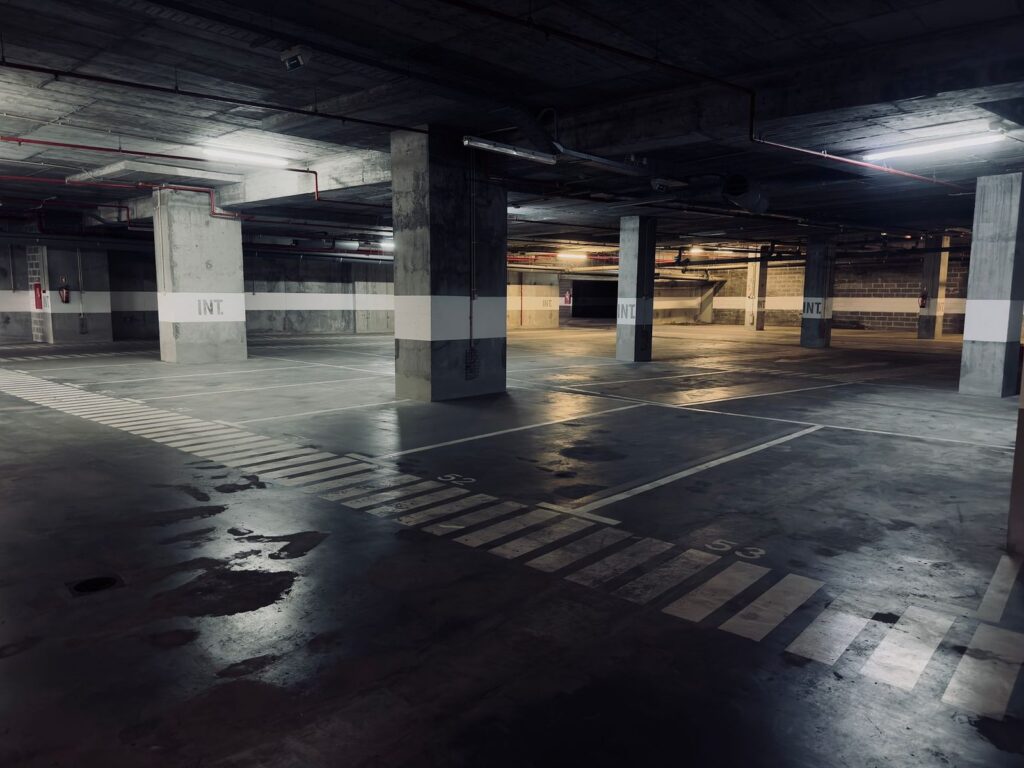
Dark parking lots and garages make it easy for criminals to hide. You're assaulted or robbed because the property owner failed to maintain adequate lighting.
No Security Cameras or Guards
The complex has no cameras, no security patrols, or no response to prior crimes—creating a known danger that the owner ignored.
History of Crime Ignored
Prior assaults, robberies, or shootings occurred at the complex, but the owner took no additional security measures to prevent another attack.